TorontoOntario · 36 tours
 Niagara FallsOntario · 25 tours
 New York CityNew York · 30 tours
 Las VegasNevada · 8 tours
 San FranciscoCalifornia · 16 tours
 VancouverBritish Columbia · 17 tours
 DubaiUAE · 54 tours
 Abu DhabiUAE · 5 tours
 Buenos AiresArgentina · 23 tours
 AthensGreece · 31 tours
 AucklandNew Zealand · 38 tours
 CancunMexico · 54 tours
No destinations match “”. Try searching all tours instead — that search understands full questions, not just place names.
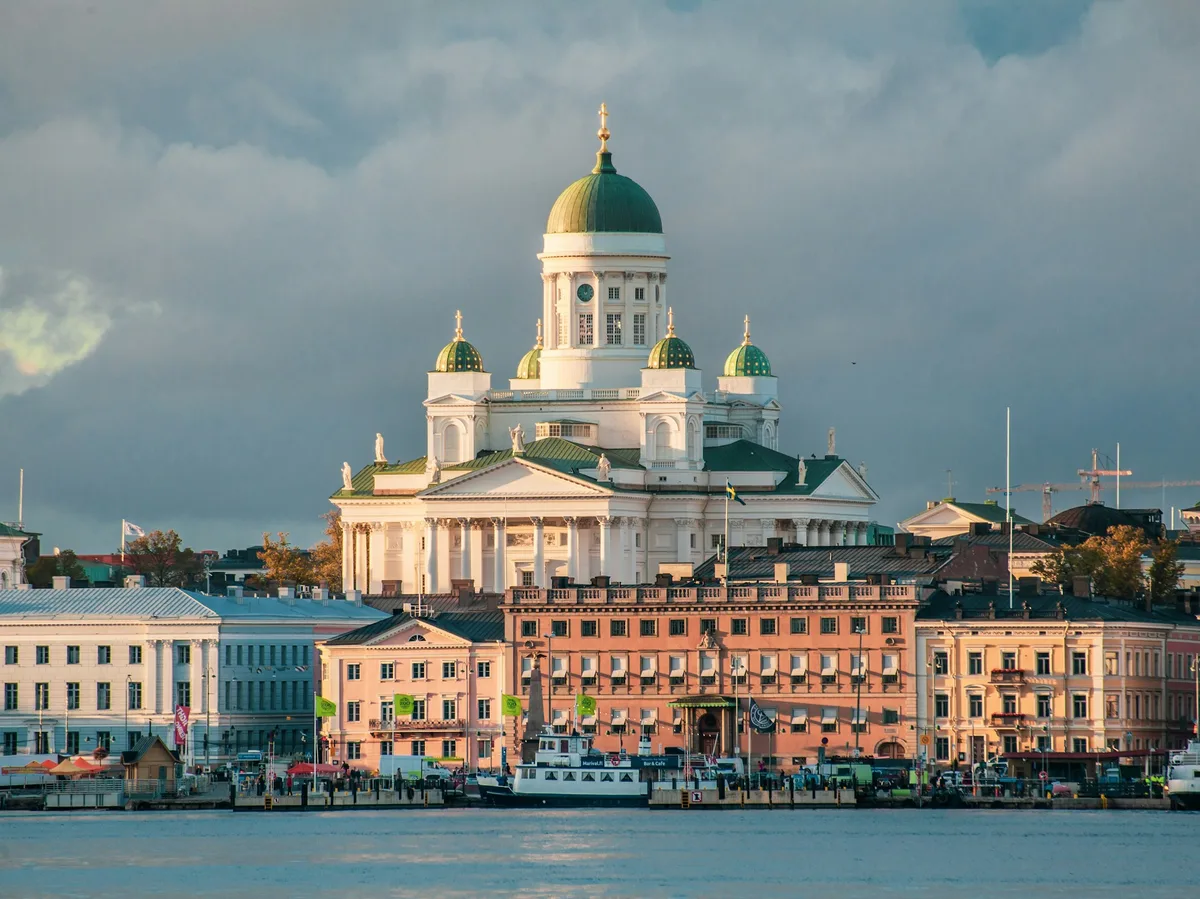
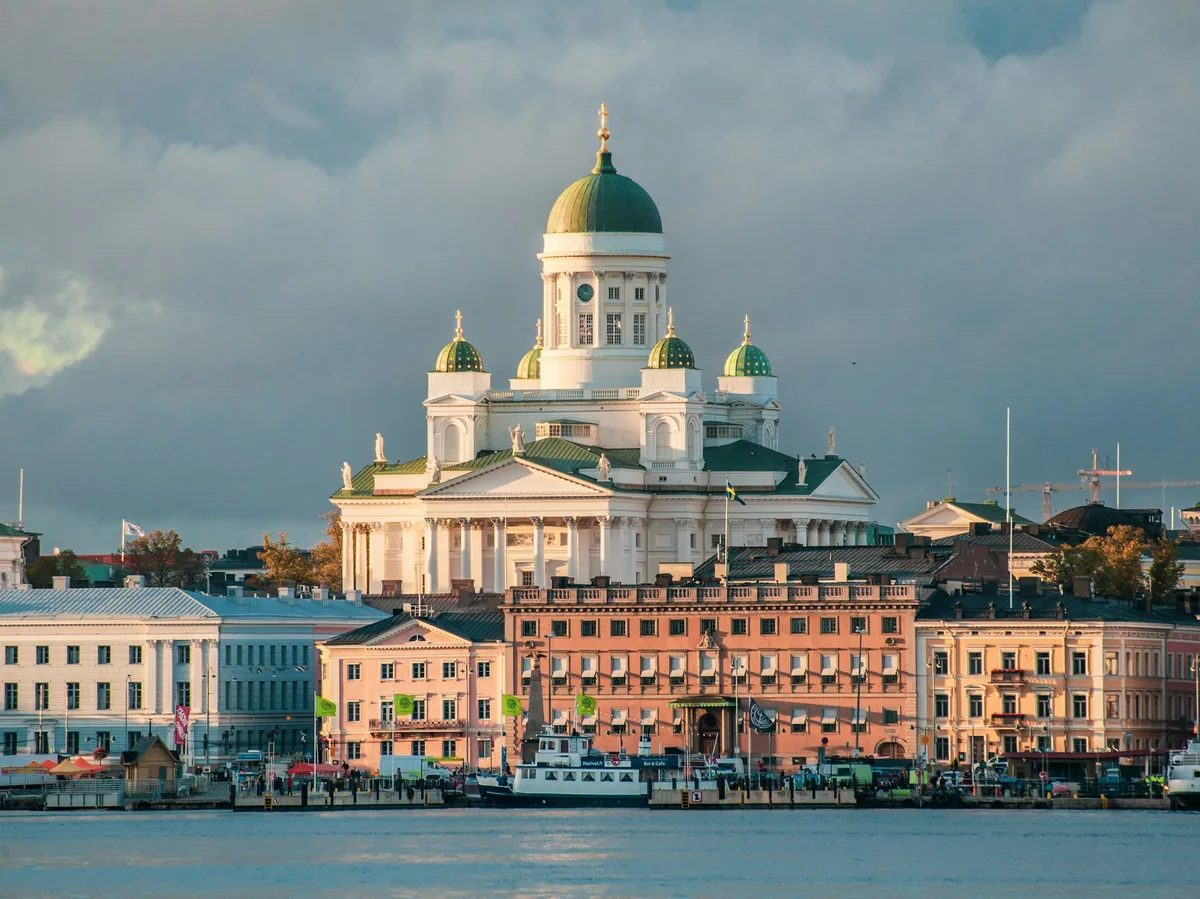
The white neoclassical cathedral crowning Senate Square is Helsinki's best-known landmark, ringed by the elegant 19th-century buildings that form the historic heart of the Finnish capital.
 Multi-Day Tours
A 10-day private circuit through all three Baltic capitals that finishes in Finland — Vilnius and Trakai Castle, Riga's Art Nouveau streets, Tallinn's medieval Old Town and Lahemaa National Park, ending with a ferry crossing to Helsinki.
 Multi-Day Tours
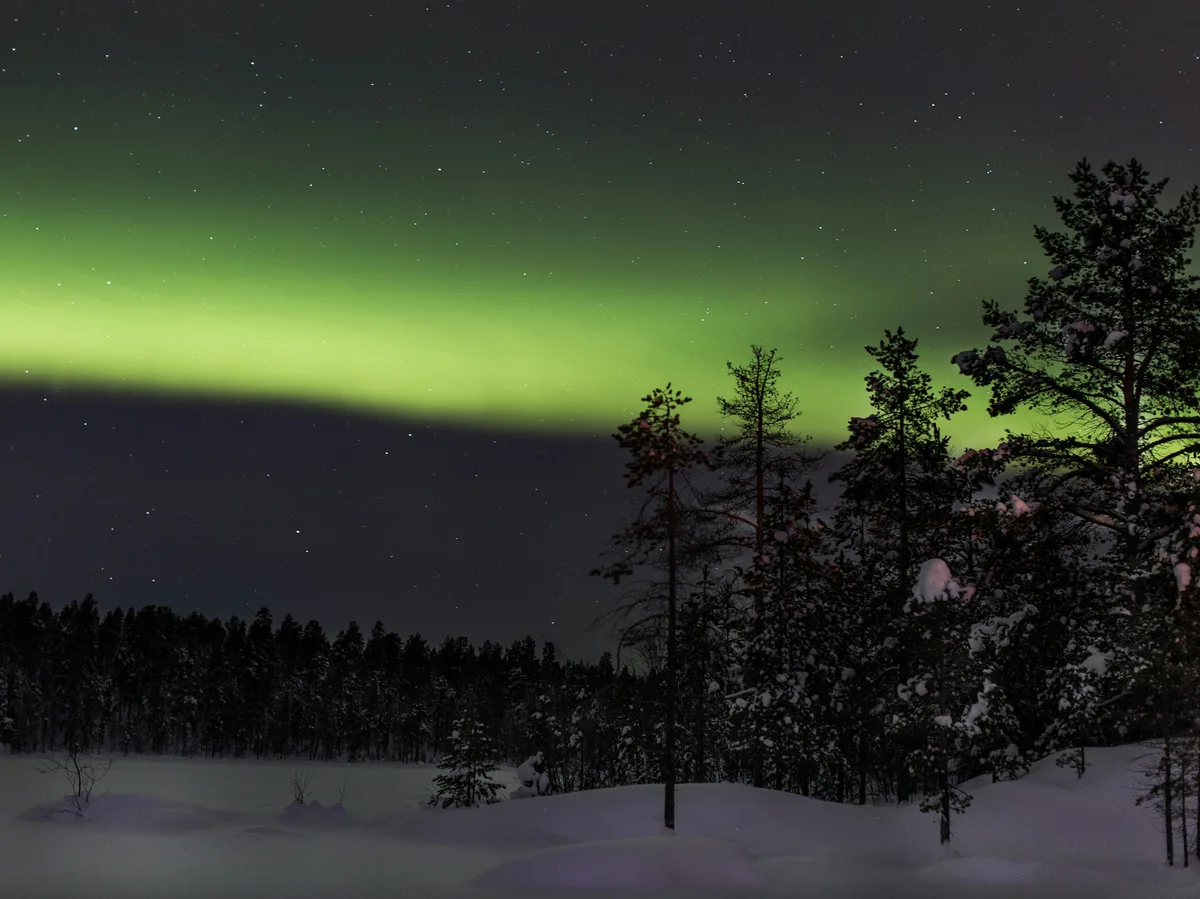
An 8-day private winter journey that opens in Tallinn's snowy Old Town and a bog snow-shoe hike, then crosses by ferry into Finland for Helsinki and a train ride north to Rovaniemi for reindeer, huskies, and the Northern Lights.
 Multi-Day Tours
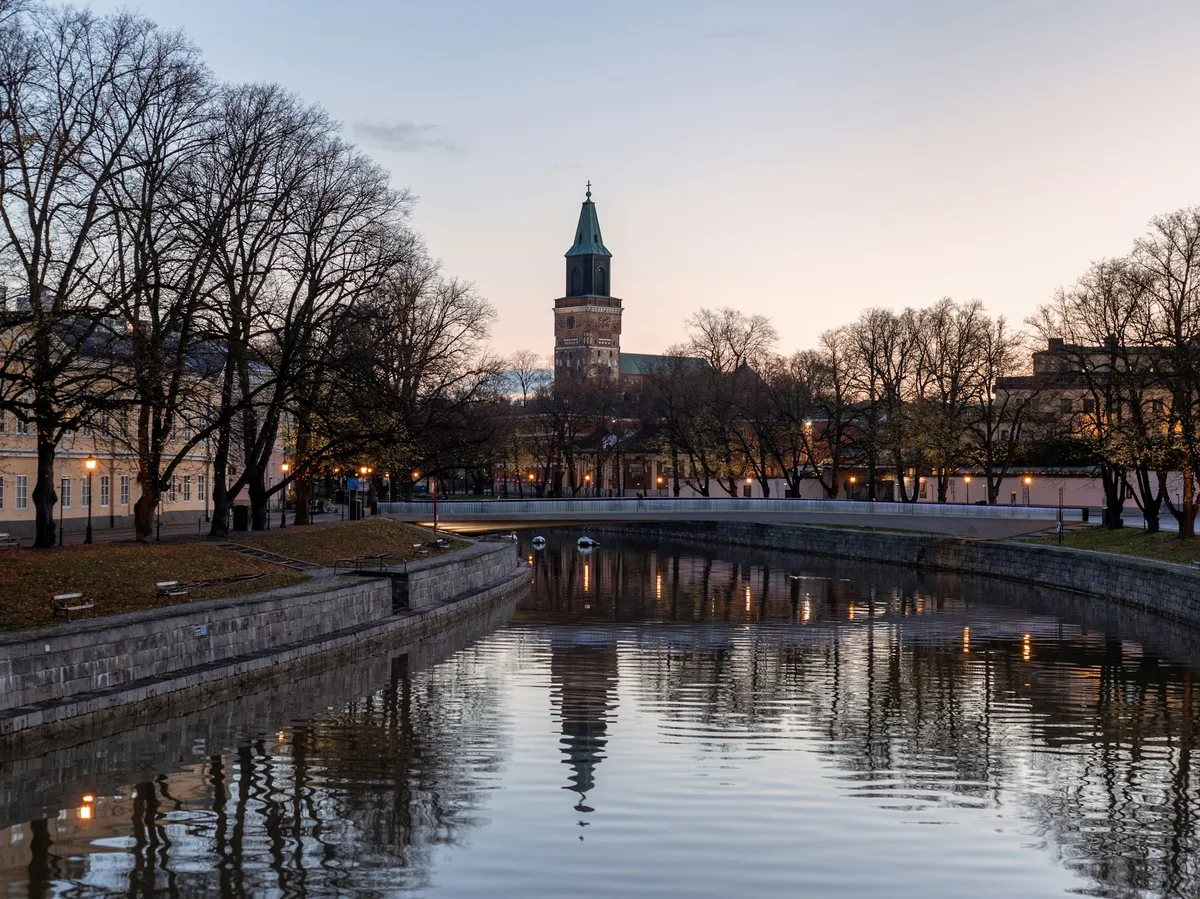
A comprehensive 18-day journey across four countries — Lithuania's Vilnius and Klaipėda, Latvia's Kuldīga and Riga, Estonia's Tartu and Tallinn, and southern Finland's Helsinki and Turku — for travelers who want to see the whole region in depth.
Visitor guide
Helsinki Cathedral is the Evangelical Lutheran cathedral of the Diocese of Helsinki, standing above Senate Square in the Finnish capital. Designed by Carl Ludvig Engel in the neoclassical style, it forms the centrepiece of a square lined with the Government Palace, the University of Helsinki main building and other 19th-century landmarks.
After Helsinki became the capital of Finland in 1812, Alexander I decreed in 1814 that part of the salt import tax would fund two churches, one Lutheran and one Orthodox. The new church replaced the small Ulrika Eleonora Church of 1724-1727. Construction began in 1830, Engel died in 1840, and the building was officially inaugurated on 15 February 1852.
Until Finland's independence in 1917 the church was known as St Nicholas's Church, a tribute to Emperor Nicholas I of Russia, who was also Grand Duke of Finland. It was later called Suurkirkko, the Great Church, and it took its present name when the Diocese of Helsinki was established in 1959.
The cathedral follows a Greek-cross plan with a square centre and four equal arms, each with a colonnaded facade under a pediment. A tall green central dome is surrounded by four smaller domes added by Engel's successor Ernst Lohrmann, echoing St Petersburg's St Isaac's Cathedral and Kazan Cathedral. Despite its nickname as the White Cathedral, the exterior is painted in three similar shades of light grey. In 1849 Lohrmann added zinc statues of the Twelve Apostles along the roofline.
Inside, the decoration is restrained in keeping with Lutheran tradition, with seating for about 1,300 people. The choir holds statues of Martin Luther, Philipp Melanchthon and Mikael Agricola, whom Finns regard as the reformer of their country. The altarpiece, a painting of the burial of Jesus, was painted by Carl Timoleon von Neff and donated by Nicholas I, and the main organ was built by Marcussen and Son in 1967.
In 1812 the square was made the main square of the new capital under the city plan of Johan Albrecht Ehrenstrom. The Government Palace on the eastern side was completed in 1822 and housed the Senate of Finland until 1918; it now holds the offices of the Prime Minister and cabinet. The University of Helsinki's main building on the opposite side dates from 1832. The Sederholm House, from 1757, is described by Wikipedia as the oldest building in central Helsinki.
At the centre of the square stands a bronze statue of Alexander II, sculpted by Walter Runeberg and erected in 1894. It honours the tsar's restoration of the Diet of Finland in 1863. During the Russification period of 1899-1917, people reportedly left flowers at its base as a quiet act of protest.
The square hosts concerts, a Christmas market and other public events, and its steps up to the cathedral are a favourite place to sit and look across the roofs. Finland's national Saint Lucy's Day celebration takes place at the cathedral. The crypt, renovated in the 1980s, holds a cafe and exhibitions. The square also appears in several films and in the opening of Darude's Sandstorm music video.
A private guided stop here pairs naturally with nearby sights, since the cathedral and its surrounding buildings together tell the story of how Helsinki was planned as a capital.
See every tour and attraction we cover in Finland.