TorontoOntario · 36 tours
 Niagara FallsOntario · 25 tours
 New York CityNew York · 30 tours
 Las VegasNevada · 8 tours
 San FranciscoCalifornia · 16 tours
 VancouverBritish Columbia · 17 tours
 DubaiUAE · 54 tours
 Abu DhabiUAE · 5 tours
 Buenos AiresArgentina · 23 tours
 AthensGreece · 31 tours
 AucklandNew Zealand · 38 tours
 CancunMexico · 54 tours
No destinations match “”. Try searching all tours instead — that search understands full questions, not just place names.
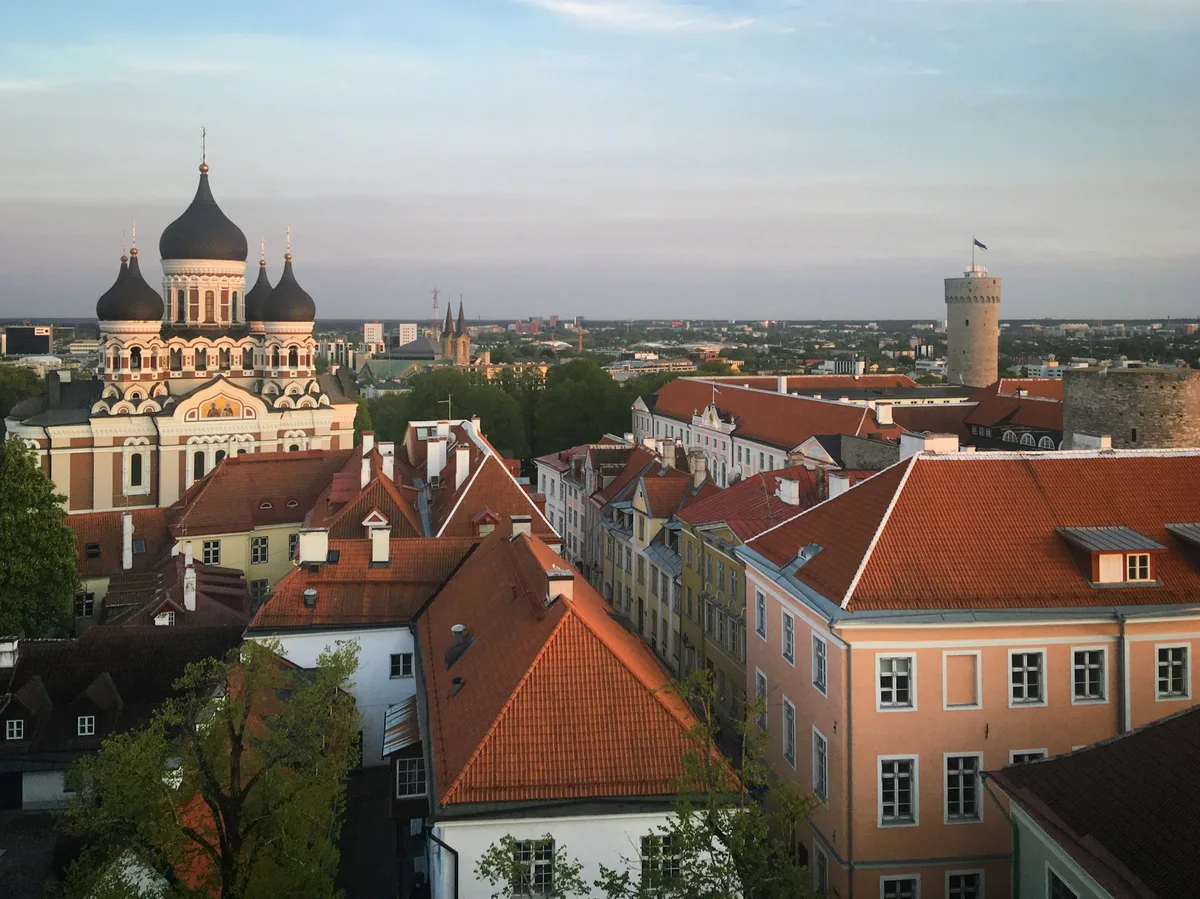
A hilltop castle overlooking Tallinn, first fortified in the 13th century and now home to Estonia's parliament, with the onion domes of Alexander Nevsky Cathedral rising just beside it.
 Multi-Day Tours
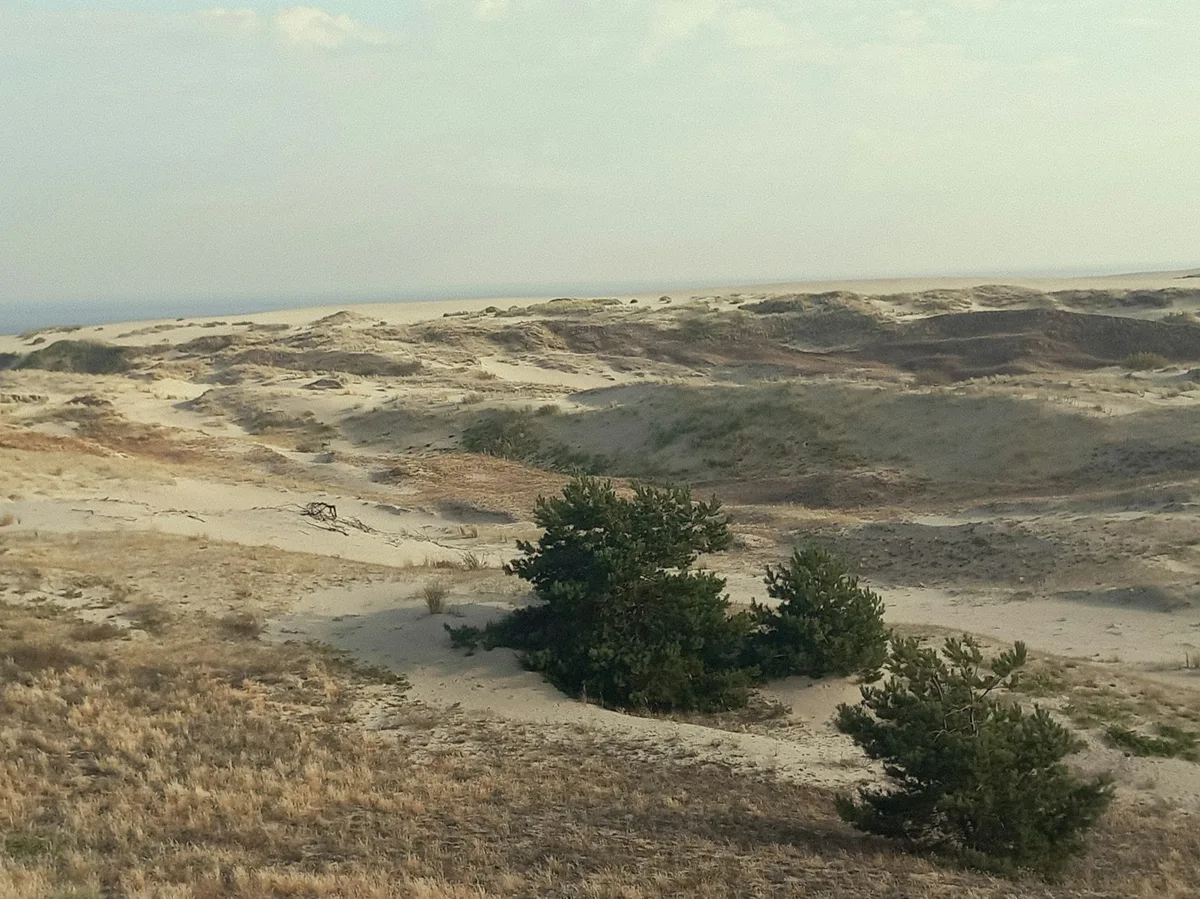
A 15-day active route across all three Baltic states — Tallinn and Lahemaa, kayaking and biking around Riga and Jurmala, and the dune landscapes of the Curonian Spit — adapted from a self-drive itinerary into a private chauffeured trip.
 Multi-Day Tours
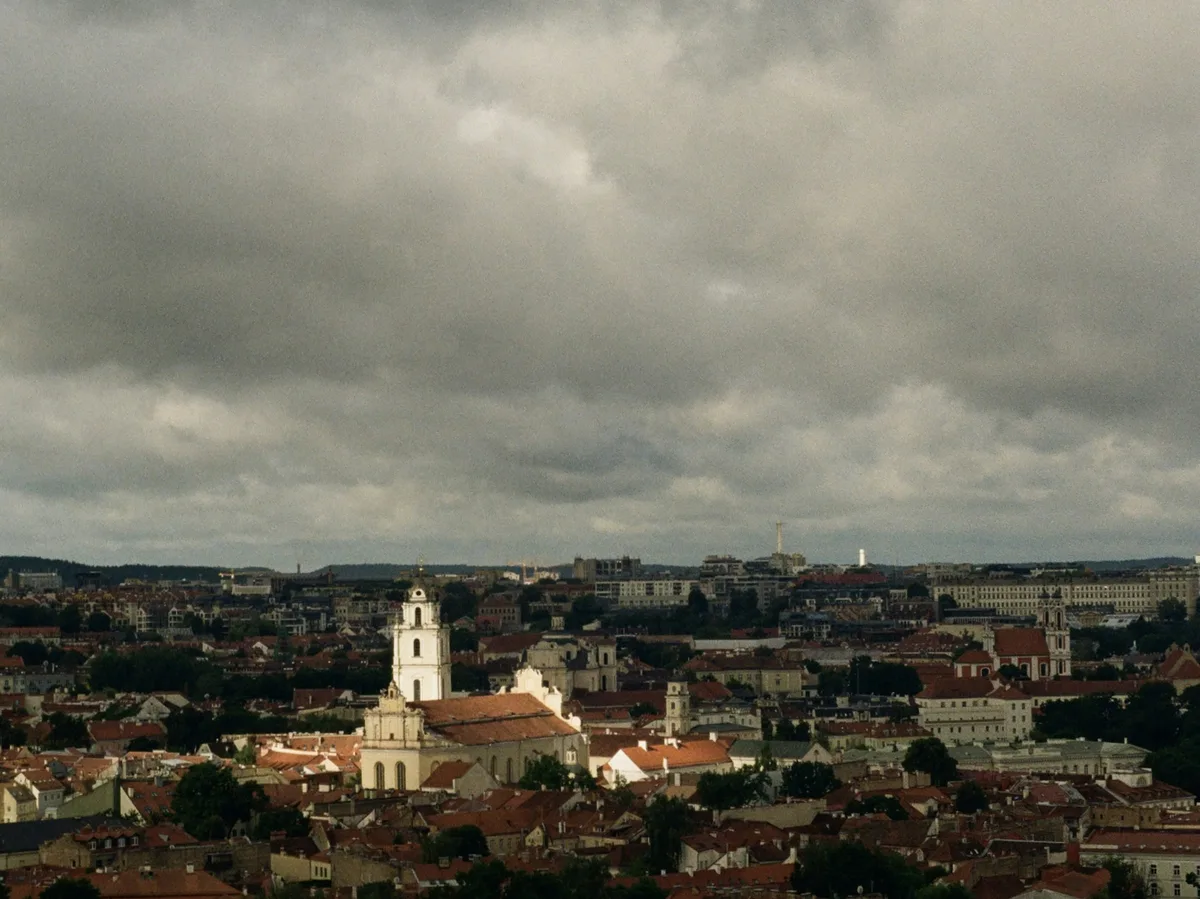
A 13-day route through Estonia and Latvia — Tallinn's Old Town, a hike in Lahemaa National Park, Tartu, medieval Cēsis, kayaking on the Gauja River, and Riga's Art Nouveau streets — adapted from a self-drive itinerary into a private chauffeured trip.
Visitor guide
Toompea Castle is a medieval castle on Toompea hill in central Tallinn, Estonia. It stands at the heart of the Upper Town and today houses the Riigikogu, the Estonian parliament, with the Estonian flag flying daily from its tower Pikk Hermann.
An ancient Estonian stronghold occupied the site from at least the 9th century. In 1219 Danish crusaders under King Valdemar II took it over, and the first castle, called castrum danorum in Latin, may have given Tallinn its modern name. A popular Danish legend says the Danish flag fell from the sky during the Battle of Lindanise, a story that is legend rather than documented fact. In 1227 the Order of the Brethren of the Sword took control and began rebuilding, creating much of the castle seen today, and in 1346 Denmark sold it to the Teutonic Order. Toompea itself is a limestone hill covering about 7 hectares, whose name comes from the German Domberg, meaning Cathedral Hill. The upper layer is Ordovician limestone, and cliffs of up to 25 metres border its east, north and west sides, though a protective wall now hides much of the cliff face. Wikipedia says it first emerged as an island from the Baltic Ice Lake about 10,000 years ago.
Because the Teutonic Order was a religious order, the castle took on monastic features, including a chapel, a chapter house and a dormitory for knights. The Order built several towers that still stand, including Pilsticker, Stur den Kerl, Landskrone and Langer Hermann. Pikk Hermann, or Tall Hermann, rises roughly 46 to 48 metres (sources differ) and dominates the castle skyline. Each day the Estonian flag is raised at its top at sunrise to the national anthem and lowered at sunset.
After the wars of the 16th century northern Estonia came under Swedish rule by 1561, and Sweden turned the castle into an administrative and ceremonial centre. In 1710 Sweden ceded the territory to Russia. Later reconstruction effectively converted the castle into a palace. A large Baroque and Neoclassical wing designed by Johann Schultz was added in the east, housing the provincial administration of the Governorate of Estonia and the governor's living quarters. In the 19th century a public park was laid out to the southeast.
After Estonia declared independence in 1918, a new parliament building was built on the former convent site of the Teutonic Order, designed by Eugen Habermann and Herbert Johanson and finished in 1922. Its exterior is traditionalist and its interior Expressionist, and Wikipedia calls it the only Expressionist parliament building in the world. From 1947 to 1990 the castle and parliament building were used by the Supreme Soviet of the Estonian SSR, a legislature without real power.
A legend recorded in the 19th century credits the mythological heroine Linda with building the whole of Toompea hill, boulder by boulder, with her own hands. The hill's viewpoints give views across the Lower Town, and a private guided visit with a driver can be paired with a tour of the Old Town. Toompea was a separate town with its own privileges until it was joined with the Lower Town in the late 19th century, and a major fire in 1684 destroyed most of the Great Castle, including the cathedral. The Dome Church, a Lutheran cathedral completed in 1240, gave the hill its name and is the building that has best kept its medieval appearance. The Long Leg street, Pikk jalg, remains the main route linking Toompea with the Lower Town.
See every tour and attraction we cover in Estonia.