TorontoOntario · 36 tours
 Niagara FallsOntario · 25 tours
 New York CityNew York · 30 tours
 Las VegasNevada · 8 tours
 San FranciscoCalifornia · 16 tours
 VancouverBritish Columbia · 17 tours
 DubaiUAE · 54 tours
 Abu DhabiUAE · 5 tours
 Buenos AiresArgentina · 23 tours
 AthensGreece · 31 tours
 AucklandNew Zealand · 38 tours
 CancunMexico · 54 tours
No destinations match “”. Try searching all tours instead — that search understands full questions, not just place names.
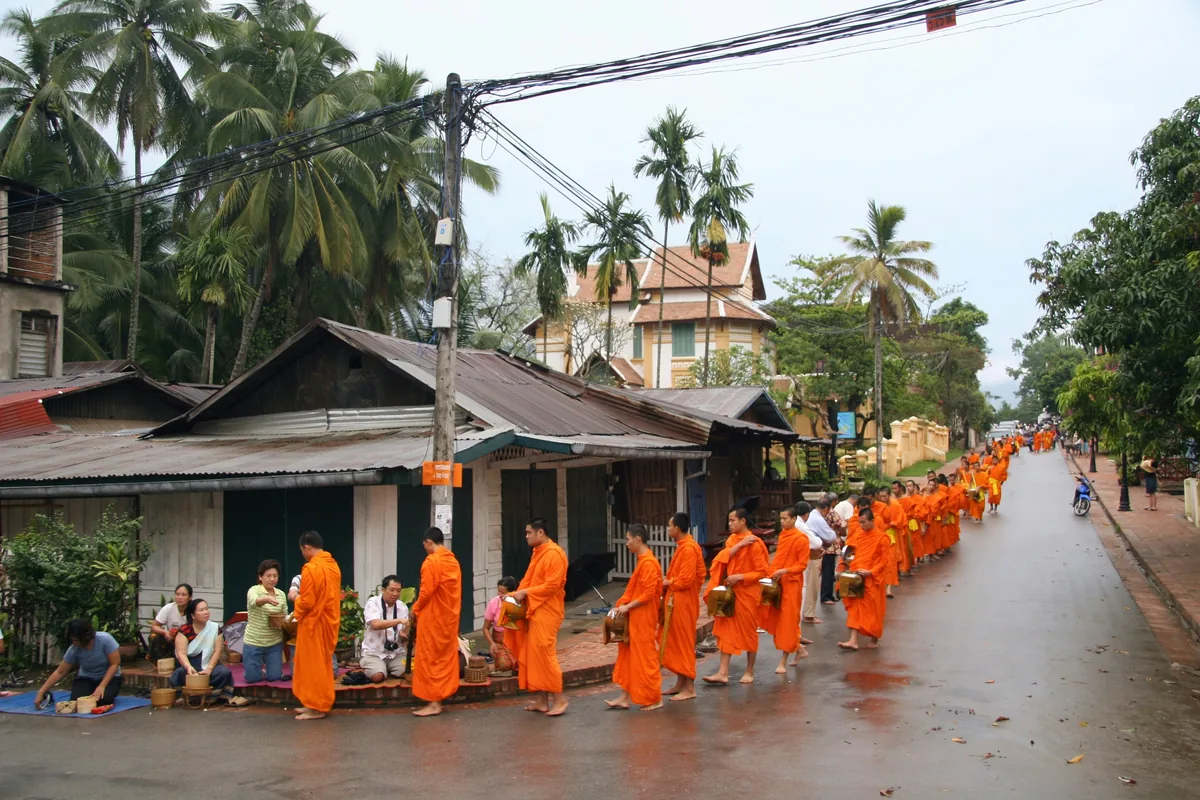
A centuries-old Buddhist tradition at dawn, when long lines of saffron-robed monks leave their pagodas and walk barefoot through Luang Prabang's streets to collect food offerings from kneeling residents.
 Multi-Day Tours
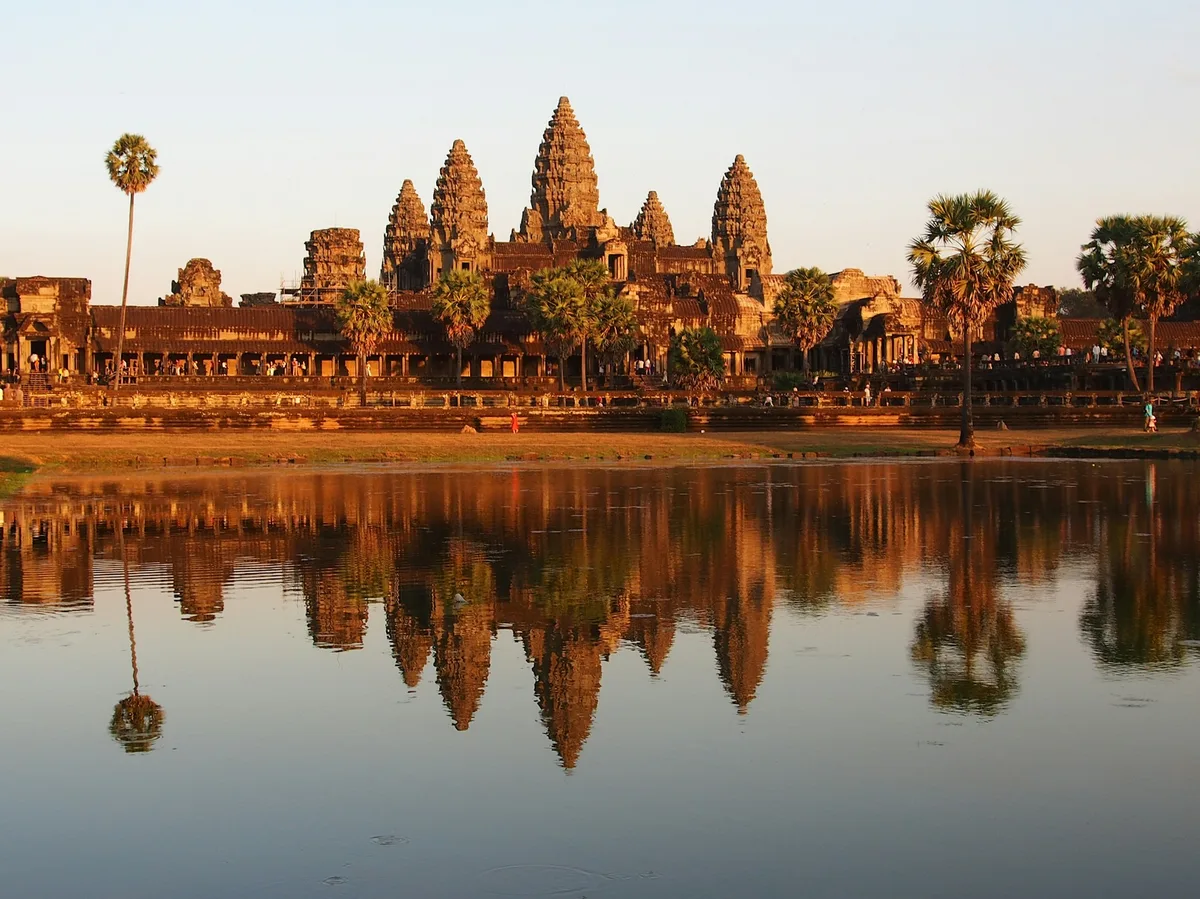
A 12-day route from the temples of Angkor and the history of Phnom Penh into Laos, taking in Vientiane, Vang Vieng, and UNESCO-listed Luang Prabang.
 Multi-Day Tours
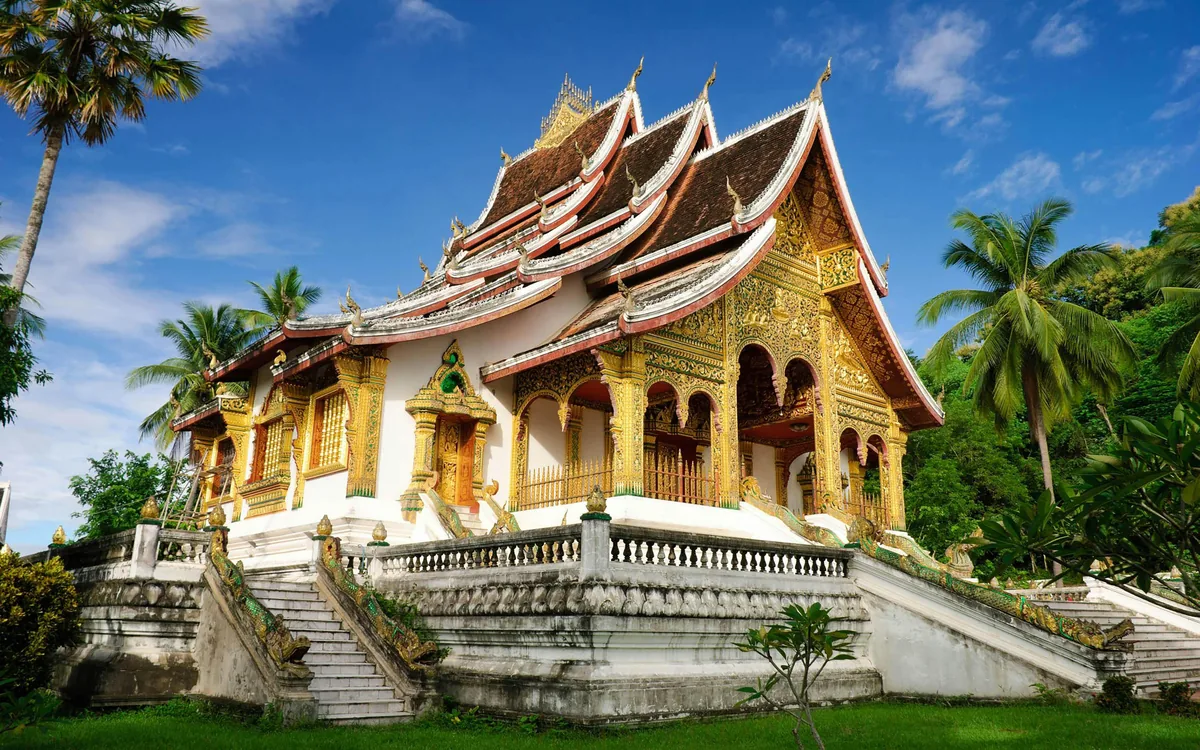
A 14-day photography-focused journey through Luang Prabang and deep into the mountains of Phongsaly province, working alongside a professional Lao photography guide to capture temple life, the Mekong River, and homestays with the Akha, Hmong, and Phounoy hill tribes.
 Multi-Day Tours
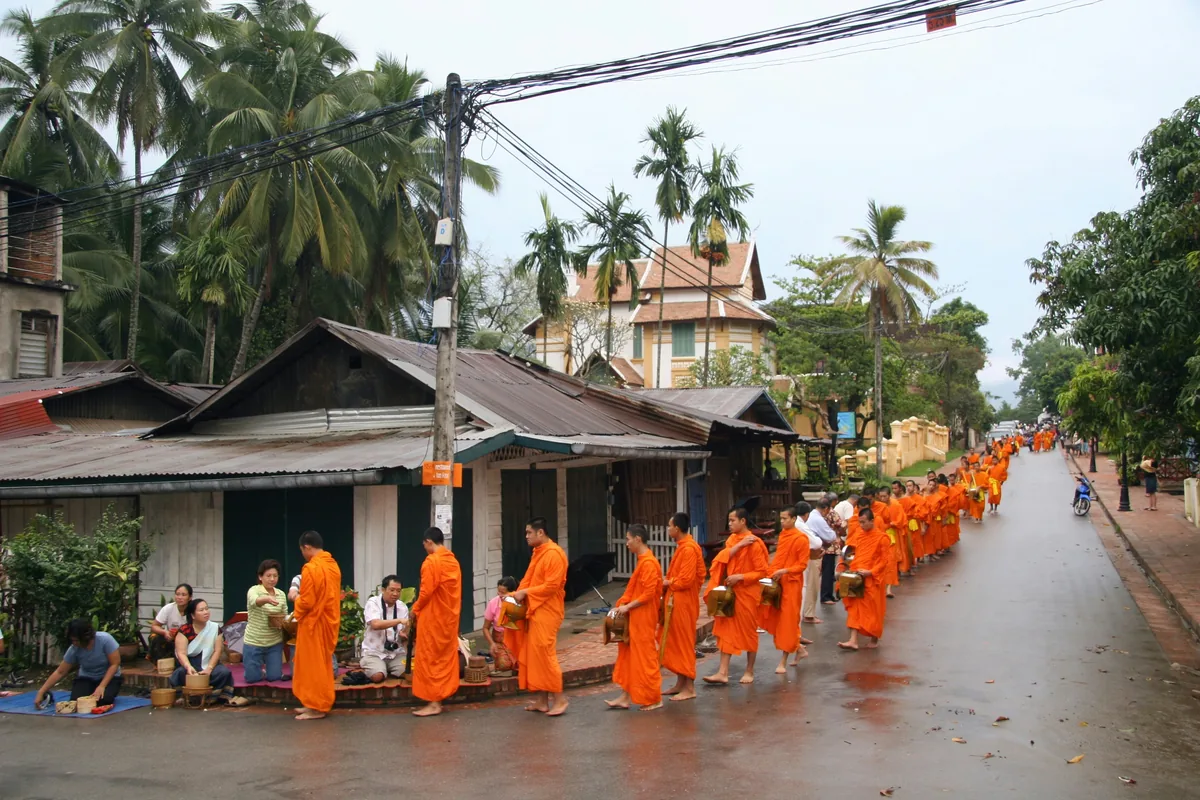
A 5-day introduction to Luang Prabang — the dawn alms ceremony, the National Museum and Wat Xieng Thong, a Lao cooking class, a scenic Mekong boat ride to the Pak Ou Caves, and a day at Kuang Si Waterfall.
Visitor guide
The morning alms ceremony in Luang Prabang, known in Lao as tak bat, is a daily Buddhist tradition in which monks and novices walk barefoot at dawn through the streets of the old town to receive food from local residents. It is part of living religious life in Luang Prabang, a UNESCO World Heritage town in northern Laos.
Almsgiving, or pindapata, is a practice common to Theravada Buddhism. Monks and novices leave their temples at first light carrying alms bowls, and lay people kneel or sit along the route to place small portions of food, most often sticky rice, in each bowl. For the monks, the alms are their main food for the day, and the daily walk is also associated with humility and with a life that depends on the community. For lay people, giving is a way of making merit.
Wikipedia's entry on Luang Prabang notes that the morning alms-giving continues within the protected heritage area, which includes 33 of the town's villages. Travel sources describe the monks leaving the town's many temples, sometimes counted as thirty-three, in long lines of saffron robes.
Theravada Buddhism came to the Luang Prabang area through earlier Mon and Khmer-influenced kingdoms and was strengthened when the town became capital of the Lan Xang kingdom in 1353, when the Phra Bang image associated with the town arrived. One travel guide places the introduction of the alms tradition to Luang Prabang in the fourteenth century, but this date is not firmly documented, so it is best treated as a tradition rather than a recorded event.
Because the ceremony is a religious act rather than a performance, local and travel sources consistently stress quiet, respectful behaviour. Guides recommend dressing modestly with shoulders and knees covered, keeping a respectful distance, avoiding flash photography, and not touching or blocking the monks. Visitors who wish to take part are advised to prepare offerings themselves and kneel or sit lower than the monks, while women should avoid touching the monks.
Several reviewers and local voices have raised concern about crowds and commercialisation, including vendors who sell food to visitors, and recommend choosing offerings carefully or simply observing from across the street. A private guide can explain etiquette in advance, choose a respectful viewing position and help visitors understand what they are seeing.
The procession takes place at dawn, so visitors need to be on the street before sunrise. Streets near temples such as Wat Xieng Thong and those along the main road of the old town are among the places where monks are commonly seen. After the procession the monks return to their temples, where they eat their meal before midday.
The ceremony is a window into how Buddhism shapes daily life in Luang Prabang, and it pairs naturally with visits to the town's temples later in the day.
See every tour and attraction we cover in Laos.