TorontoOntario · 36 tours
 Niagara FallsOntario · 25 tours
 New York CityNew York · 30 tours
 Las VegasNevada · 8 tours
 San FranciscoCalifornia · 16 tours
 VancouverBritish Columbia · 17 tours
 DubaiUAE · 54 tours
 Abu DhabiUAE · 5 tours
 Buenos AiresArgentina · 23 tours
 AthensGreece · 31 tours
 AucklandNew Zealand · 38 tours
 CancunMexico · 54 tours
No destinations match “”. Try searching all tours instead — that search understands full questions, not just place names.
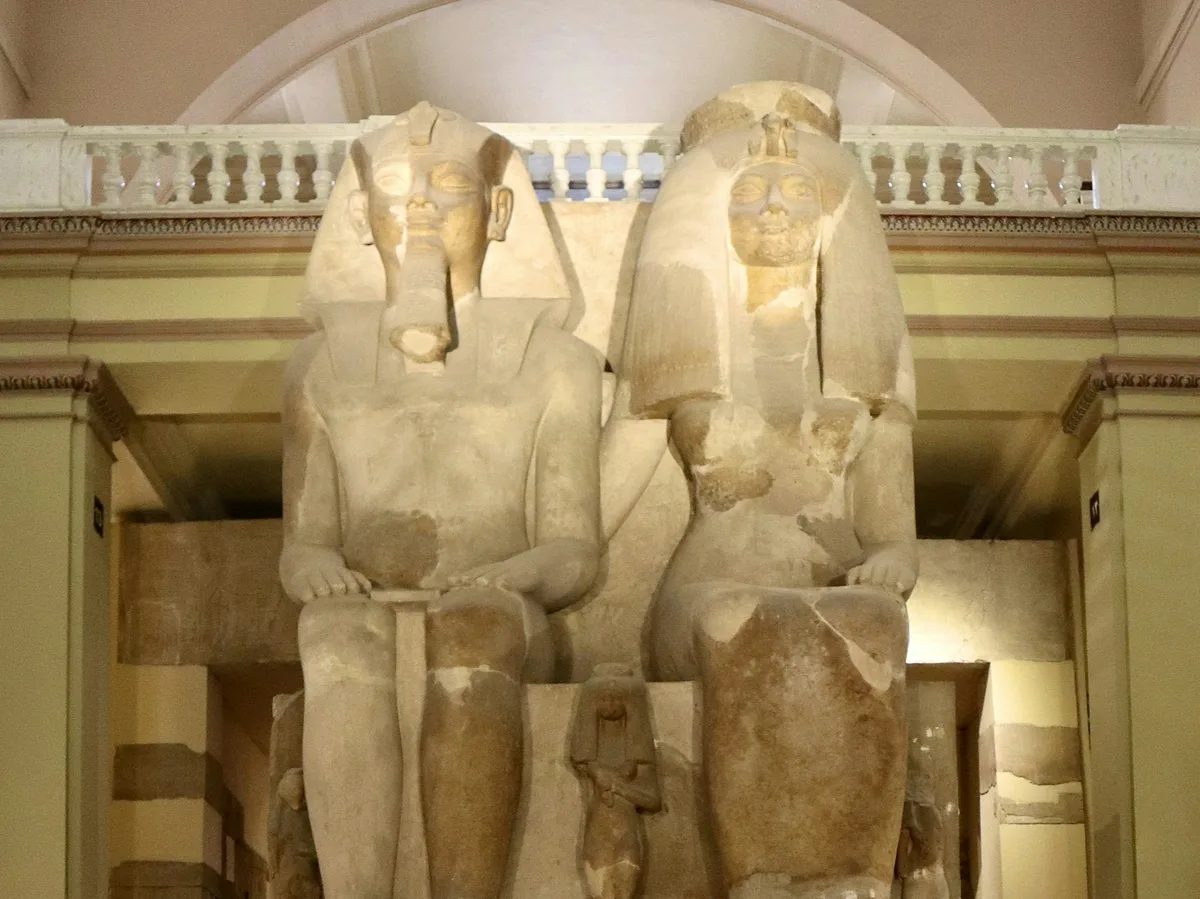
Home to one of the world's largest collections of Pharaonic antiquities, including treasures from Tutankhamun's tomb, in a landmark pink building in downtown Cairo.
 Multi-Day Tours
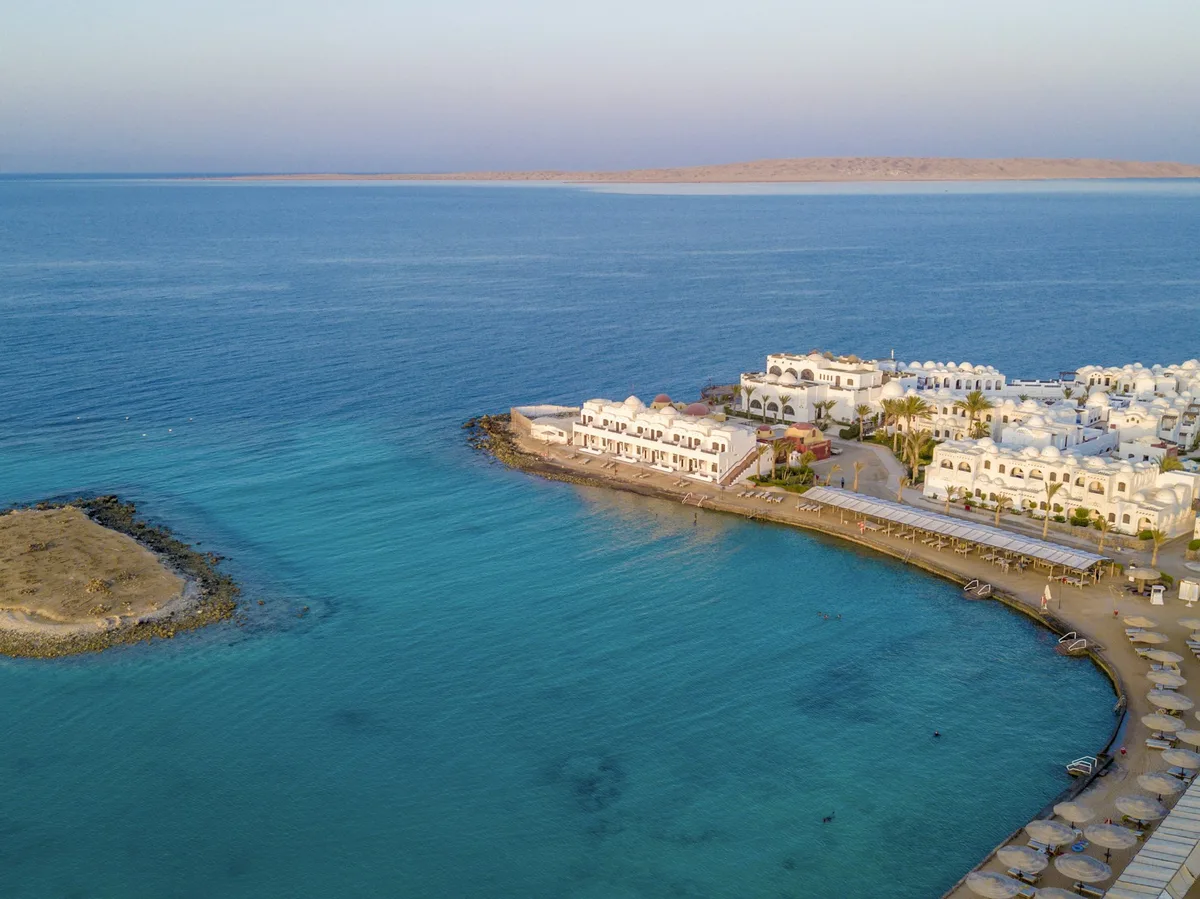
Two weeks combining Cairo's ancient sites, a Nile cruise from Aswan to Luxor, and four unhurried days on the Red Sea coast at Hurghada.
 Multi-Day Tours
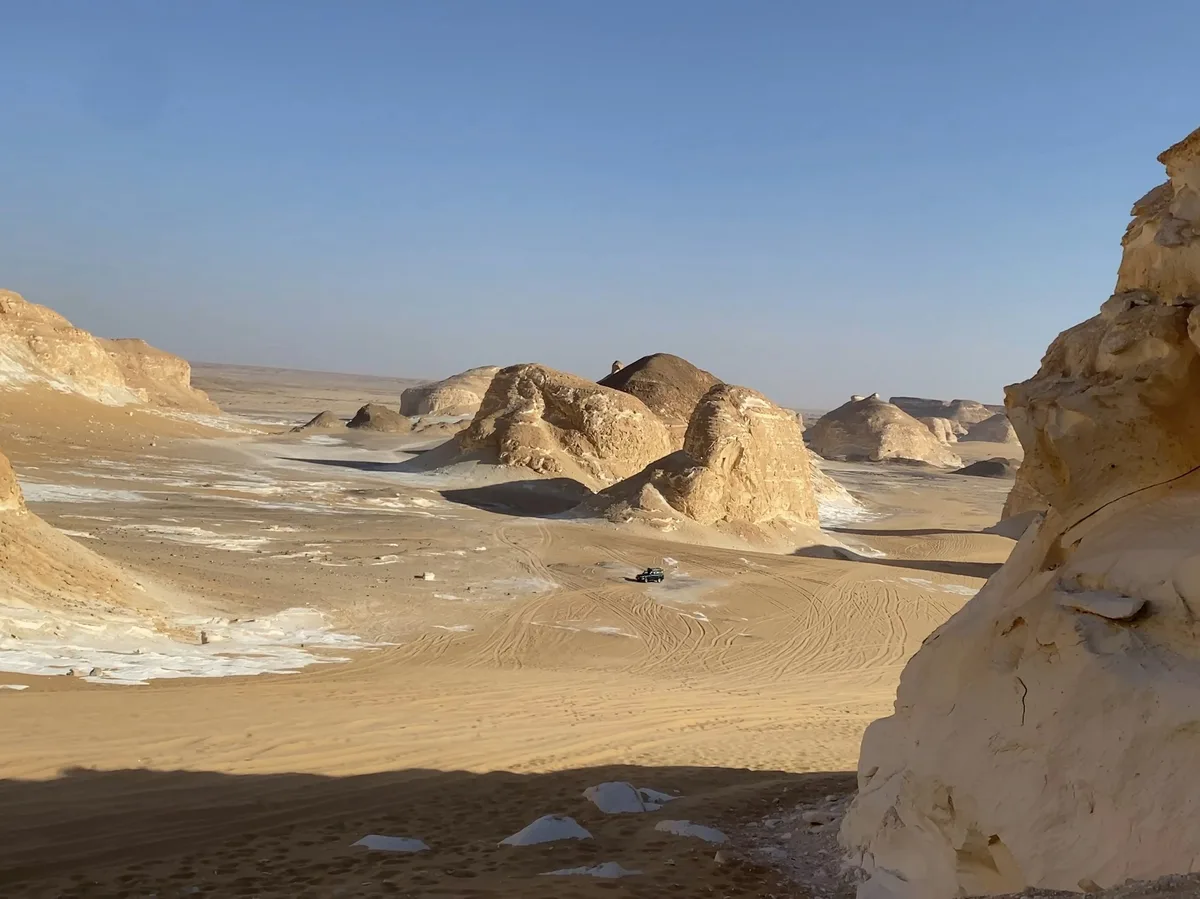
Eleven days pairing Cairo's pyramids with a deep run through the Western Desert — Siwa Oasis, the Black and White Deserts, and the Wadi Hitan whale fossil site.
 Multi-Day Tours
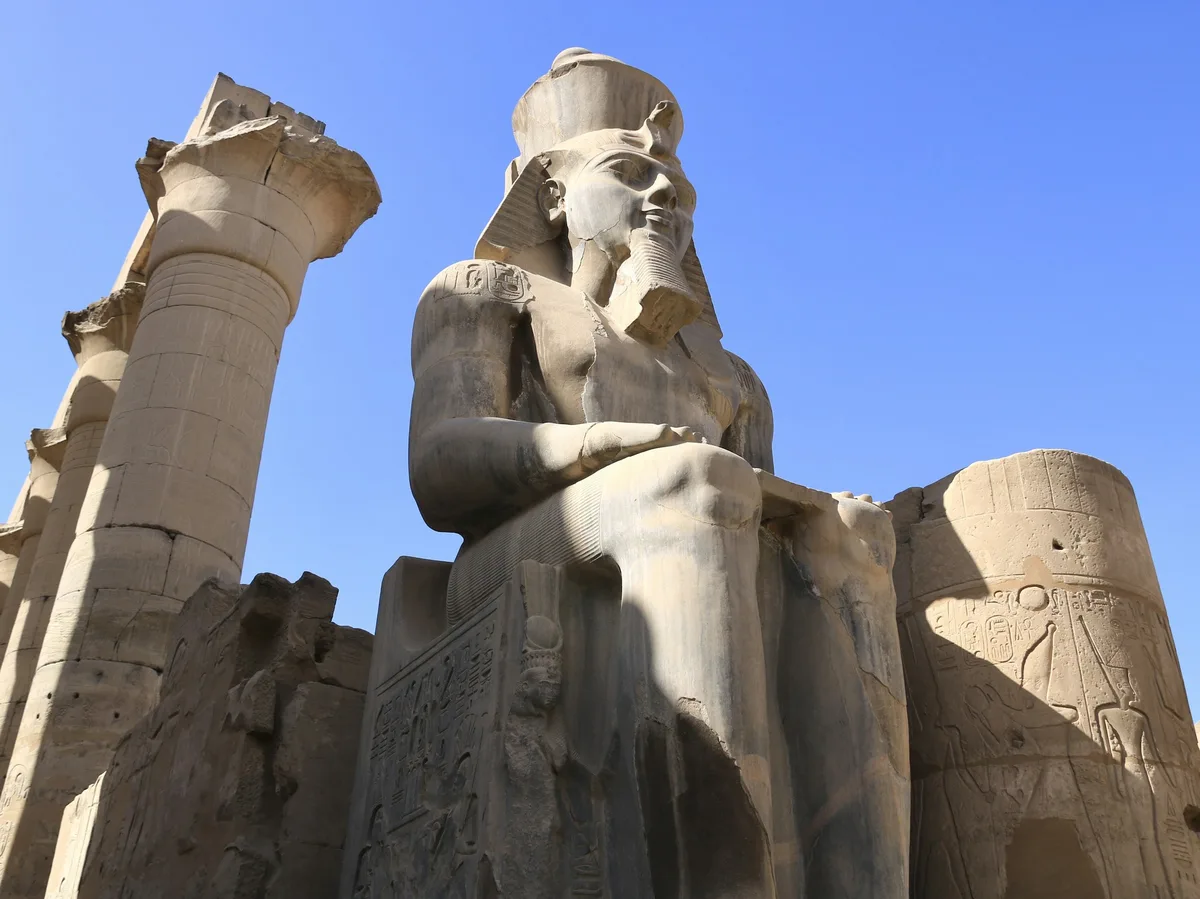
A compact five-day introduction to Egypt's essentials — the Giza Plateau, the Egyptian Museum, Islamic and Coptic Cairo, and Luxor's temples and tombs, with a short domestic flight between the two cities.
Visitor guide
The Egyptian Museum, also called the Museum of Egyptian Antiquities or the Cairo Museum, is a national history museum on the north side of Tahrir Square in downtown Cairo, Egypt. Established in 1902, it holds a vast collection of Pharaonic antiquities, which Wikipedia puts at over 170,000 items, and is one of the best-known Egyptological museums in the world.
Egypt's first museum efforts began in 1835 near the Ezbekieh Garden, but the early collection was scattered, and in 1855 its contents were given to Archduke Maximilian of Austria and are now in Vienna. In 1858 the French Egyptologist Auguste Mariette opened a new museum at Boulaq in a former riverside warehouse. A Nile flood damaged it in 1878, and in 1889 the collection moved to a palace in Giza.
The present building was designed by the French architect Marcel Dourgnon, with the project later completed by the German architect Hermann Grabe. Its foundation stone was laid on 1 April 1897, and an Italian firm carried out construction. Moving the collection took about a year, and thousands of wooden carts and two trains carried objects from Giza, including around 48 stone coffins. The museum officially opened on 15 November 1902. Mariette's tomb lies in the museum garden at his own request, so that he would rest among the objects he collected.
The museum is arranged by period. Prehistoric and Early Dynastic galleries include pottery, tools and the Narmer Palette. The Old Kingdom section has statues of Djoser, Khafre and Menkaure and the furniture of Queen Hetepheres I, mother of Khufu. Middle Kingdom highlights include a statue of Montuhotep II and the treasures of several princesses.
The New Kingdom galleries hold statues of Hatshepsut, Thutmose III and Ramesses II, as well as the Israel Stele. The Late Period rooms feature the Tanis treasures and the funerary masks of Psusennes I, Amenemope and Shoshenq II. The ground floor has large stone works in 42 rooms arranged clockwise from the predynastic to the Greco-Roman periods, while the first floor holds smaller objects such as papyri, coins and textiles.
The museum is closely associated with the treasures from the tomb of Tutankhamun, along with material from the intact tomb of Psusennes I. Wikipedia notes that many artifacts, including all objects from Tutankhamun's tomb, are being moved to the Grand Egyptian Museum in Giza, so the distribution of highlights between the two museums has been changing. In April 2021, 22 royal mummies were moved in a ceremonial procession to the National Museum of Egyptian Civilization in Fustat.
The building was registered as a heritage site in 1983. A major renovation began in 2006, and a German-funded rehabilitation plan launched in 2012 restored the exterior and interior, added UV-protective window glass and improved lighting and ventilation. Further work introduced a new layout for the Yuya and Thuya collections and Tutankhamun's artifacts. The museum also has a library of more than 50,000 books and volumes, including rare works such as the Description de l'Egypte.
The museum is in the heart of Cairo, close to Sadat metro station, and the central Tahrir location puts it among the city's busiest districts. A private guided visit lets a guide focus on the periods of most interest instead of trying to see every room.
See every tour and attraction we cover in Egypt.