TorontoOntario · 36 tours
 Niagara FallsOntario · 25 tours
 New York CityNew York · 30 tours
 Las VegasNevada · 8 tours
 San FranciscoCalifornia · 16 tours
 VancouverBritish Columbia · 17 tours
 DubaiUAE · 54 tours
 Abu DhabiUAE · 5 tours
 Buenos AiresArgentina · 23 tours
 AthensGreece · 31 tours
 AucklandNew Zealand · 38 tours
 CancunMexico · 54 tours
No destinations match “”. Try searching all tours instead — that search understands full questions, not just place names.
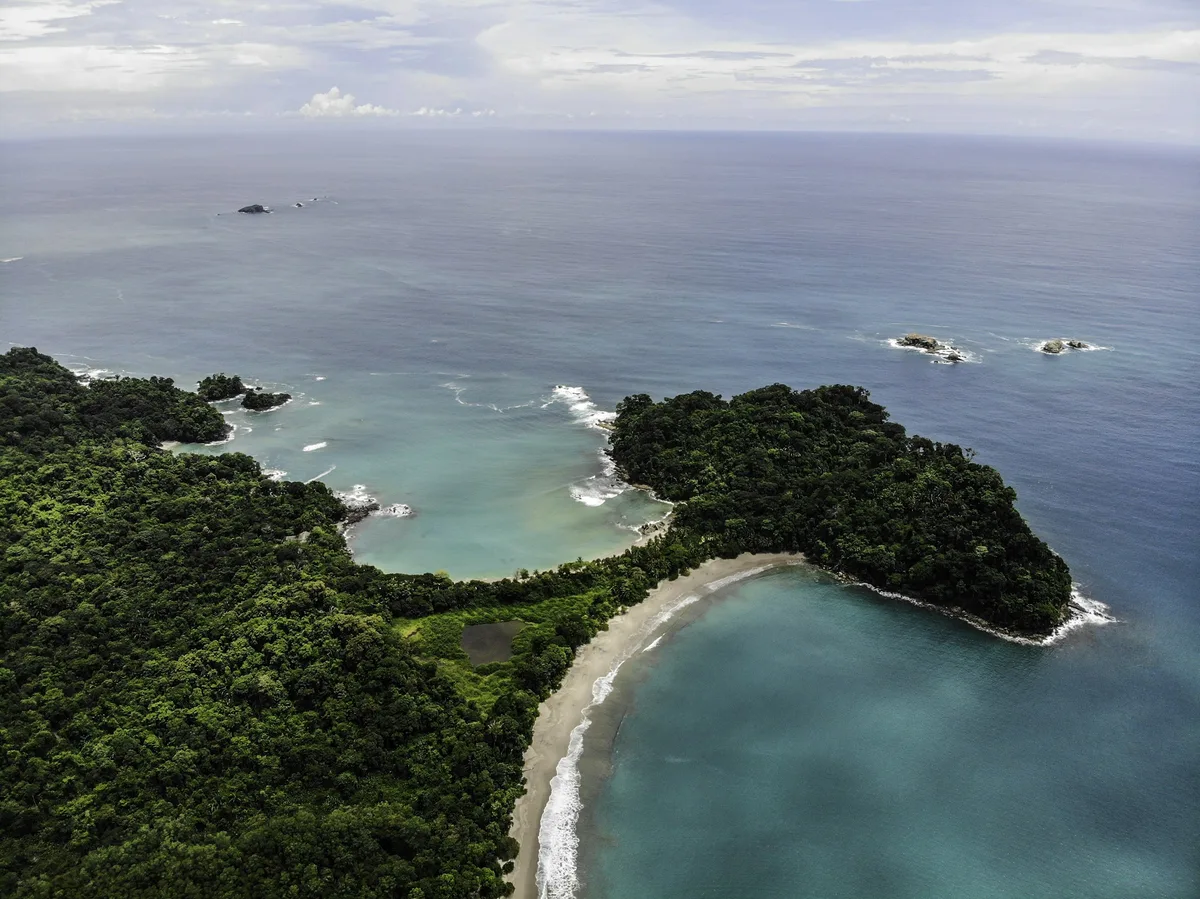
One of Costa Rica's smallest but most visited parks, combining rainforest trails thick with capuchin monkeys and sloths with postcard-perfect Pacific coast beaches.
Visitor guide
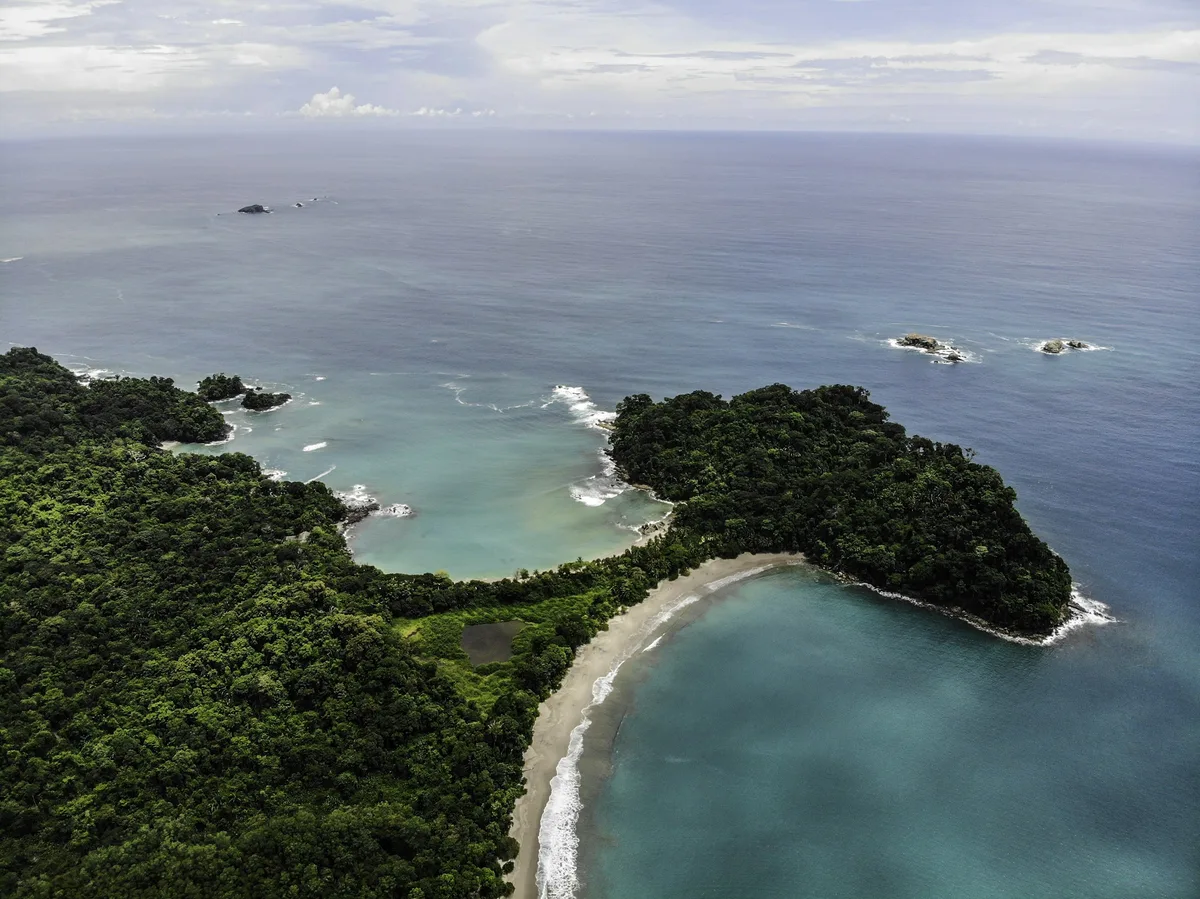
Manuel Antonio National Park is a small coastal protected area on Costa Rica's Pacific coast, just south of the city of Quepos in Puntarenas Province. It combines rainforest trails, white-sand beaches and rocky headlands, and it is one of the most visited parks in the country.
Manuel Antonio was established in 1972. According to Wikipedia, local residents wanted to conserve the natural environment by prohibiting development and destruction, and they also protested beach restrictions that foreign owners had imposed on locals. The park lies about 157 kilometres from San Jose, belongs to the Central Pacific Conservation Area and is managed by SINAC, the national conservation system.
Its land area is 1,983 hectares, with a much larger marine area, and it holds IUCN Category II status. Though it is one of Costa Rica's smaller parks, it has been described as the most popular of the country's national parks.
Four beaches lie within the park: Manuel Antonio, Espadilla Sur, Tesoro and Playita. Manuel Antonio beach is separated from Espadilla Sur by a tombolo, a natural land bridge formed by accumulated sand. Both have tidal pools and are used for snorkelling, although Wikipedia warns that rip currents occur, and a lifeguard programme operates.
A roughly one-hour hike from Espadilla leads to the top of Punta Catedral, which rises about 100 metres. Offshore rocky islets add to the scenery, and dolphins and occasionally migrating whales can be seen from the coast.
Despite its size, the park supports 109 mammal species and 184 bird species according to Wikipedia. Both brown-throated three-toed sloths and Hoffmann's two-toed sloths are found here. Three of Costa Rica's four monkey species live in the park: the mantled howler, the Central American squirrel monkey and the Panamanian white-faced capuchin. The squirrel monkey is listed as Endangered by the IUCN.
Other residents include black spiny-tailed and green iguanas, common basilisks, white-nosed coatis and many snakes and bats, as well as toucans, woodpeckers, motmots and tanagers. A guide with a spotting scope usually finds animals that are invisible to the naked eye.
Wikipedia also notes that Manuel Antonio was once Costa Rica's second most visited park and later became the most visited, and that Forbes listed it in 2011 among the world's twelve most beautiful national parks. That popularity is a reason many visitors prefer a guided, well-paced visit rather than wandering unaided: trails are busiest in the middle of the day, and guides know where animals tend to rest.
The park has a network of trails with rest areas and overlooks, and some are adapted for wheelchair users. Visitor buildings were designed by bioclimatic architects to limit visual impact. The main access is by road from Quepos. Entry rules, closing days and ticketing are set by SINAC and change, so check the official source before travelling.
A private guided visit is a practical way to cover the trails and learn to identify wildlife, and an early start generally gives cooler walking and more animal activity.
Visitors should also keep in mind that wildlife here is wild. Feeding monkeys and raccoons is discouraged, and stay-on-trail rules protect both the animals and the forest floor. Swimming conditions differ from beach to beach and with the tide, so lifeguard flags and local advice should be followed.
See every tour and attraction we cover in Costa Rica.