TorontoOntario · 36 tours
 Niagara FallsOntario · 25 tours
 New York CityNew York · 30 tours
 Las VegasNevada · 8 tours
 San FranciscoCalifornia · 16 tours
 VancouverBritish Columbia · 17 tours
 DubaiUAE · 54 tours
 Abu DhabiUAE · 5 tours
 Buenos AiresArgentina · 23 tours
 AthensGreece · 31 tours
 AucklandNew Zealand · 38 tours
 CancunMexico · 54 tours
No destinations match “”. Try searching all tours instead — that search understands full questions, not just place names.
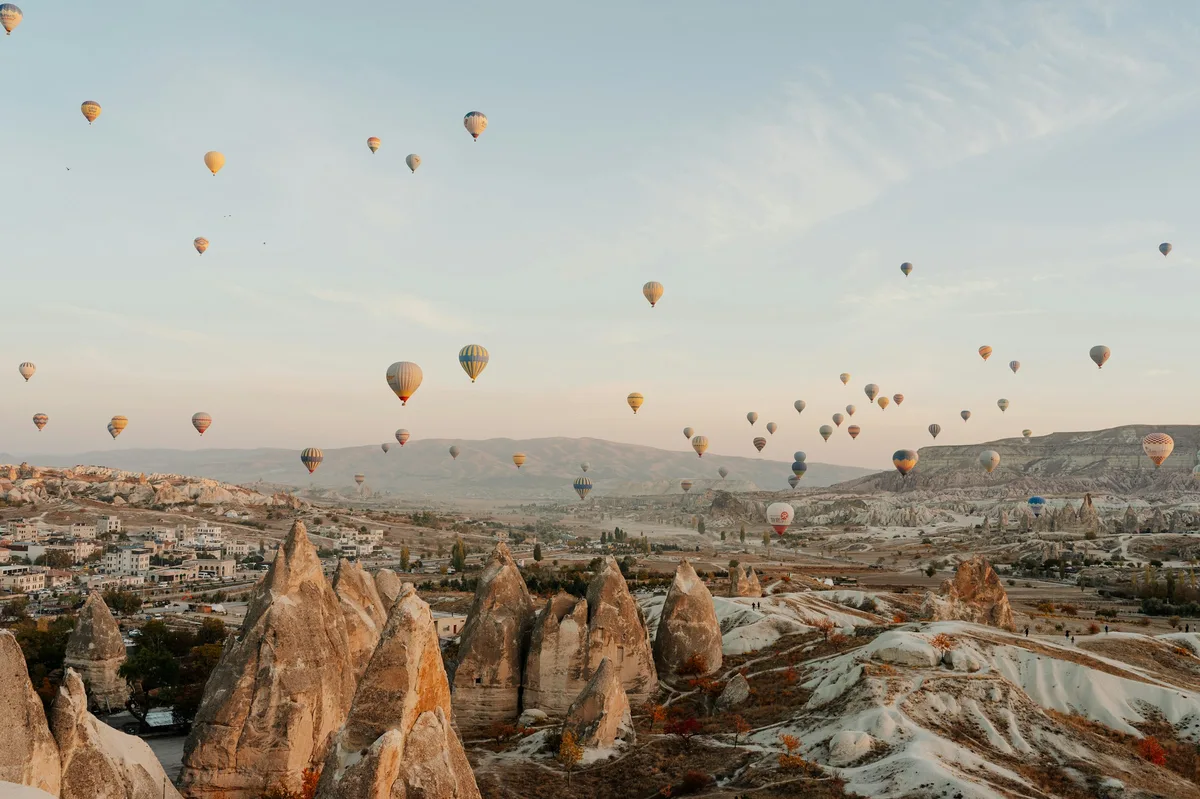
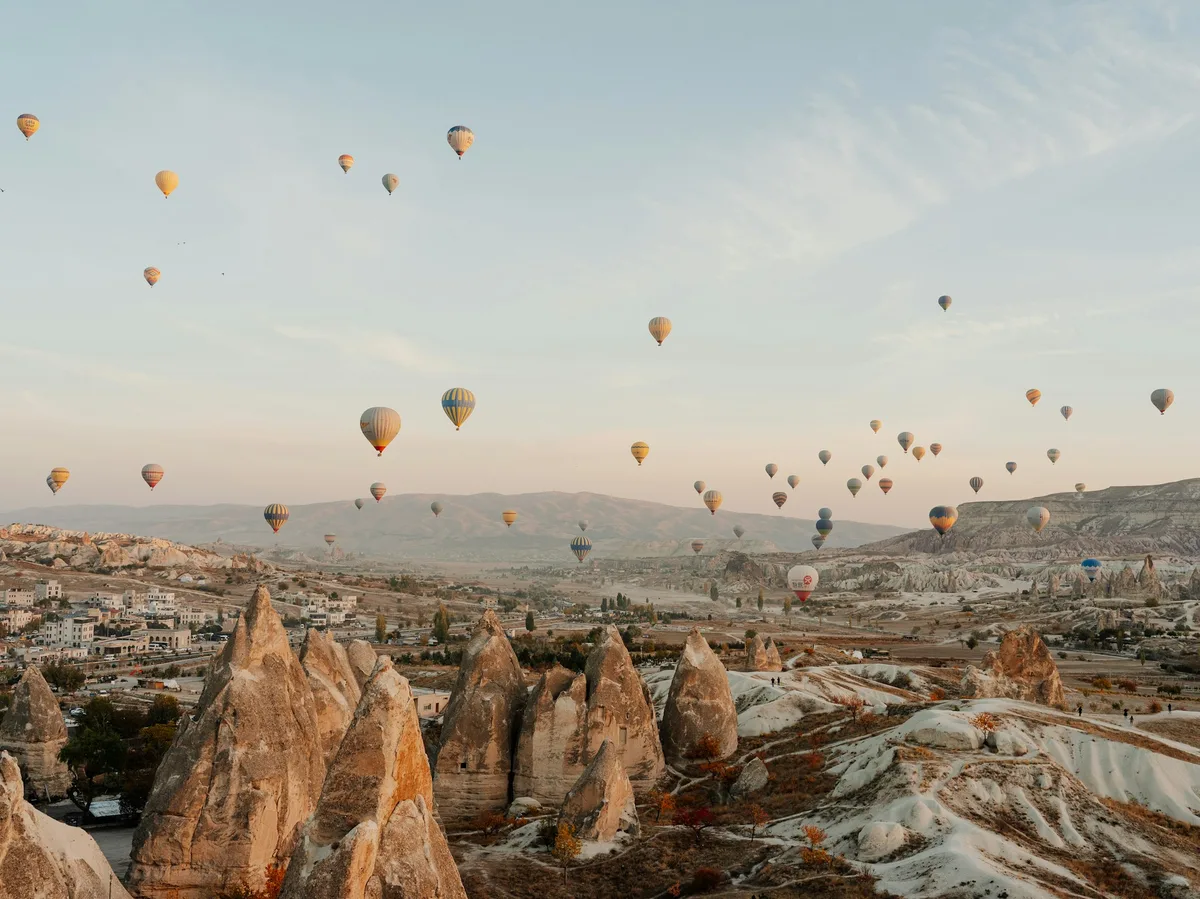
The volcanic rock formations and cave-cut valleys around Göreme, seen up close on foot and, at sunrise, from above in a hot-air balloon.
 Multi-Day Tours
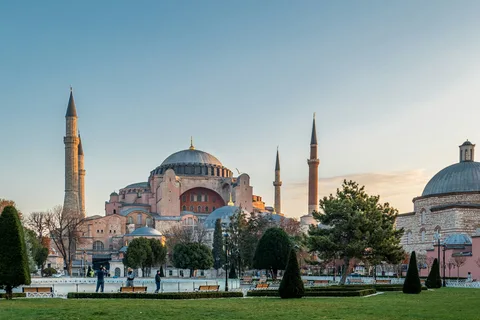
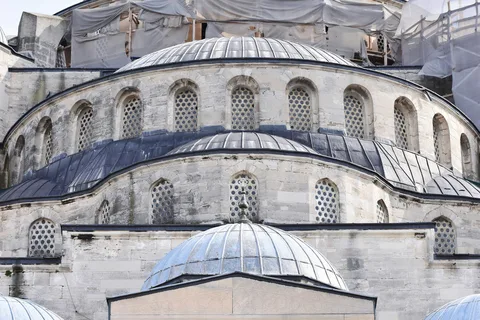
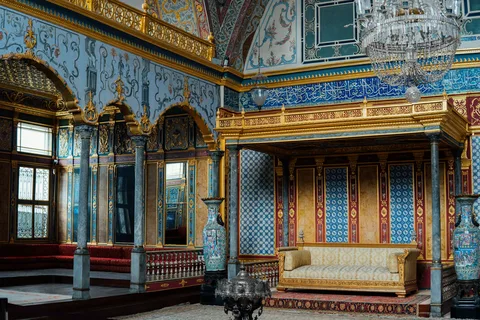
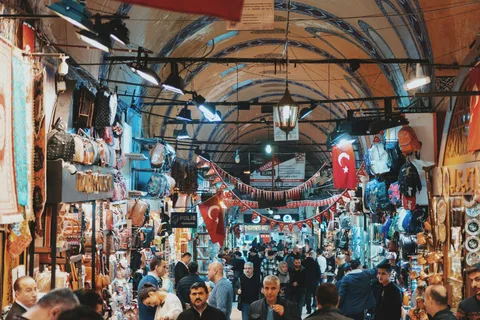
A 10-day private tour through Istanbul's Hagia Sophia, Blue Mosque, and Grand Bazaar, Cappadocia's valleys and underground cities, and Antalya's old town and the thermal terraces at Pamukkale.
 Multi-Day Tours
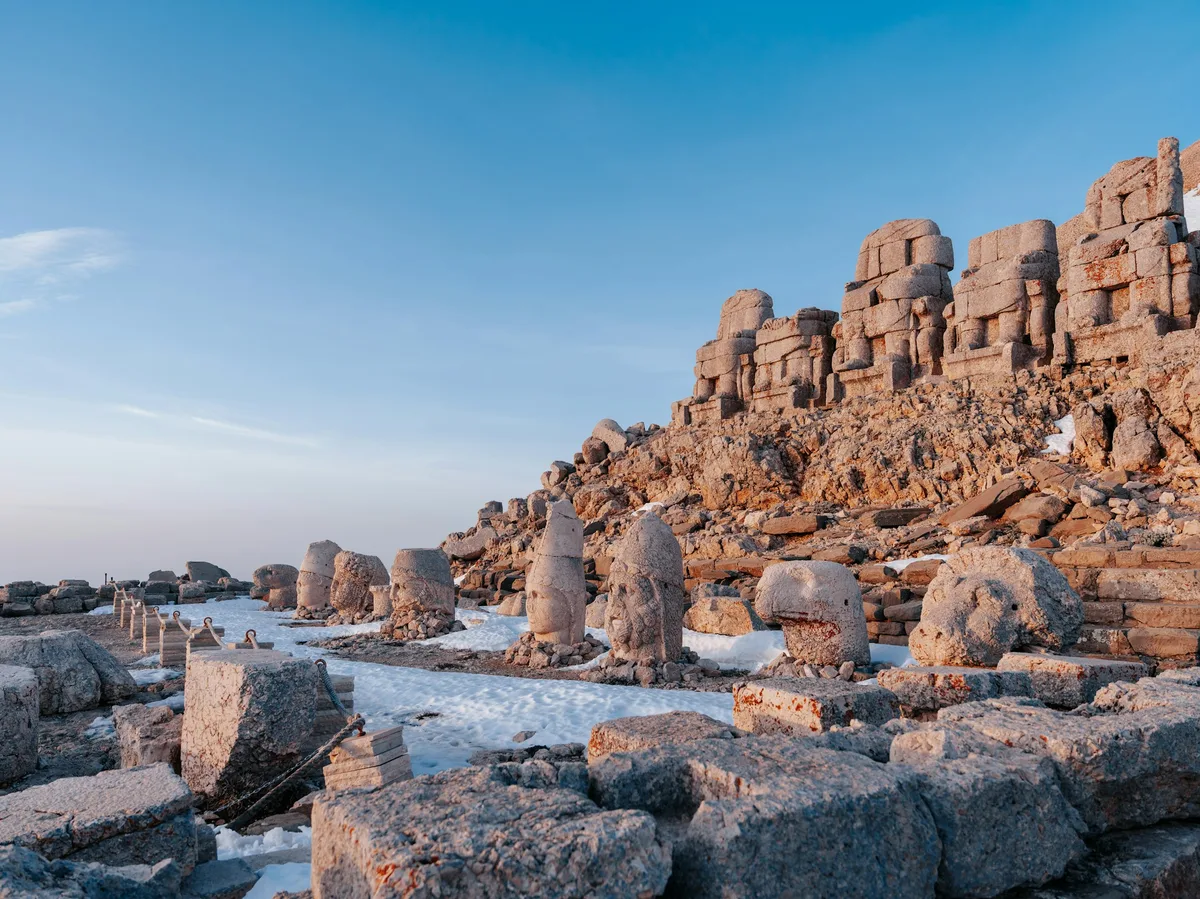
An 8-day route beyond the standard circuit — Istanbul and Cappadocia, then east to Mount Nemrut's mountaintop statues, Adıyaman's countryside, and the ancient monasteries around Mardin.
Visitor guide
Cappadocia's fairy chimneys are tall, conical rock formations carved by erosion from volcanic deposits in Central Anatolia, Turkey, most famously around the town of Goreme in Nevsehir Province. The landscape of valleys, rock-cut churches and cave dwellings is part of a UNESCO World Heritage Site inscribed in 1985.
According to Wikipedia, Cappadocia lies on a high plateau, above 1,000 metres, dotted with volcanic peaks, of which Mount Erciyes near Kayseri is the tallest at 3,916 metres. The landscape formed from Miocene-age ignimbrites, thick volcanic deposits from eruptions of Mount Erciyes, Mount Hasan and Gollu Dagi. Wind and water then eroded the soft rock into fairy chimneys and other formations, while harder layers resisted erosion, which is why places such as Ortahisar and Uchisar stand as elevated rock masses. In 2022 the Miocene Cappadocian ignimbrite sequence was included among the International Union of Geological Sciences' 100 geological heritage sites.
The rock is soft enough to dig into, and people hollowed out churches, houses and entire underground cities. Wikipedia reports that cave homes were carved around Goreme from at least the third century, and that the area was a Christian monastic centre from roughly 300 to 1200 AD, with hundreds of churches and monasteries cut into the stone. Some simple cave churches date from the 6th and 7th centuries, while many frescoes date from the 10th and 11th centuries. A tradition says early Christians named the area with a phrase meaning you cannot see this place, because it offered hidden shelter in times of persecution.
Cappadocia also contains underground cities such as Derinkuyu and Kaymakli, which Wikipedia says were dug by Christians for protection during Arab raids and periods of persecution. They include defensive features such as large round stones to block doors.
The best-known underground city, Derinkuyu, is described by Wikipedia as extending about 85 metres below ground over five levels and able to shelter up to about 20,000 people with their livestock and food stores. Rolling stone doors could seal each floor from inside, and ventilation shafts and a deep well supplied air and water. Tunnels and rooms may first have been cut in the 8th to 7th century BC, with Christians expanding them in the Late Roman and Byzantine periods. The city was abandoned in 1923 after the population exchange with Greece and was rediscovered in 1963, when a resident breaking through a basement wall found a hidden room.
Goreme was rarely visited by tourists until the 1970s. Wikipedia notes that by around 2015 almost all of the old village houses had been converted into boutique hotels, and that hot-air ballooning at sunrise over the fairy chimneys and valleys has become a signature activity. Trekking is offered in places such as the Ihlara Valley and Monastery Valley, and the nearby town of Avanos is known for its clay pottery. Climate is continental, with hot dry summers and cold, snowy winters.
A private guided tour with a dedicated vehicle and driver suits the spread-out valleys and viewpoints. Balloon flights are weather-dependent, and any such arrangements are confirmed separately when you request a quote.
See every tour and attraction we cover in Turkey.