TorontoOntario · 36 tours
 Niagara FallsOntario · 25 tours
 New York CityNew York · 30 tours
 Las VegasNevada · 8 tours
 San FranciscoCalifornia · 16 tours
 VancouverBritish Columbia · 17 tours
 DubaiUAE · 54 tours
 Abu DhabiUAE · 5 tours
 Buenos AiresArgentina · 23 tours
 AthensGreece · 31 tours
 AucklandNew Zealand · 38 tours
 CancunMexico · 54 tours
No destinations match “”. Try searching all tours instead — that search understands full questions, not just place names.
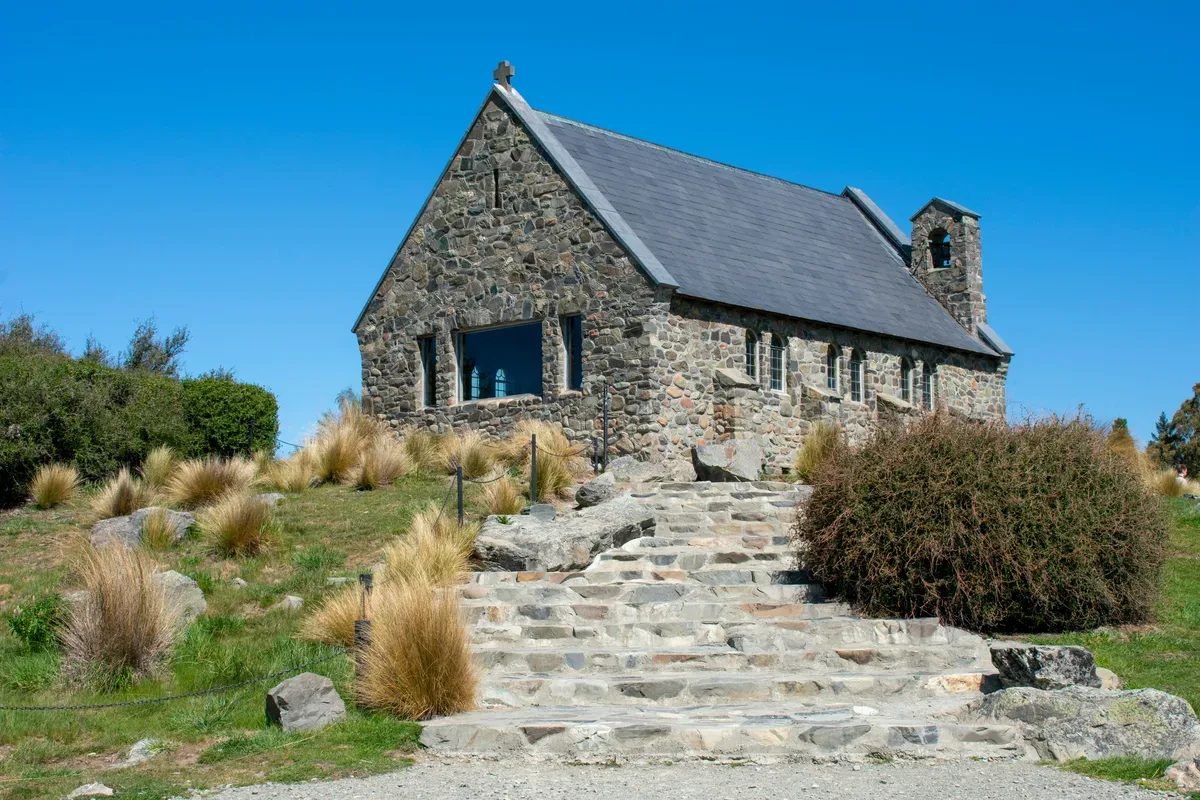
A turquoise glacial lake beneath the Church of the Good Shepherd, in one of the world's largest Dark Sky Reserves.
 Multi-Day Tours
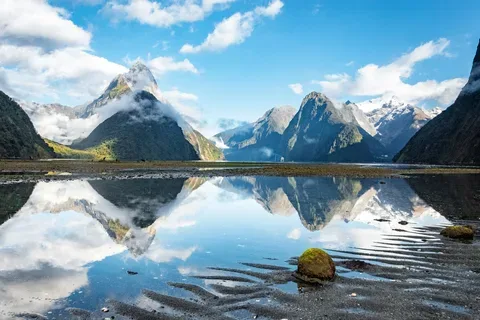
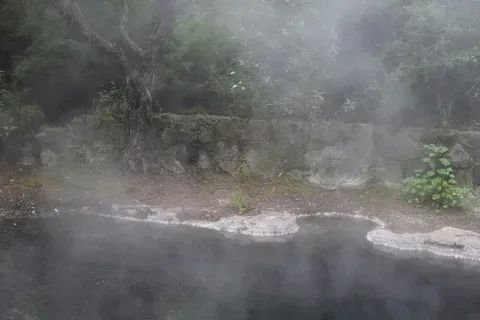
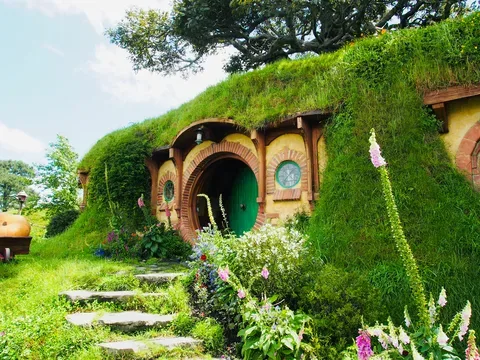
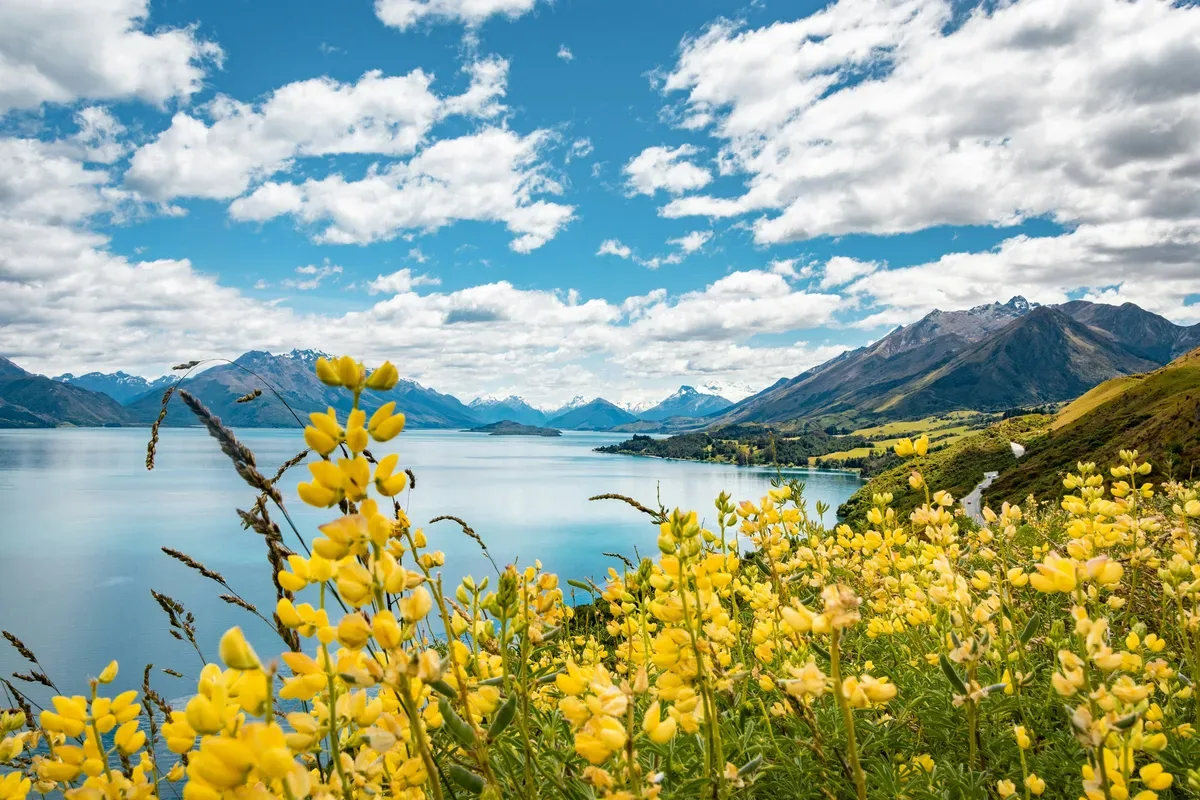
An 11-day winter honeymoon from Queenstown's fjords and hot pools through Central Otago's gold-rush villages, Lake Tekapo's stargazing, and Rotorua's geothermal spas, to Auckland via Hobbiton.
 Multi-Day Tours
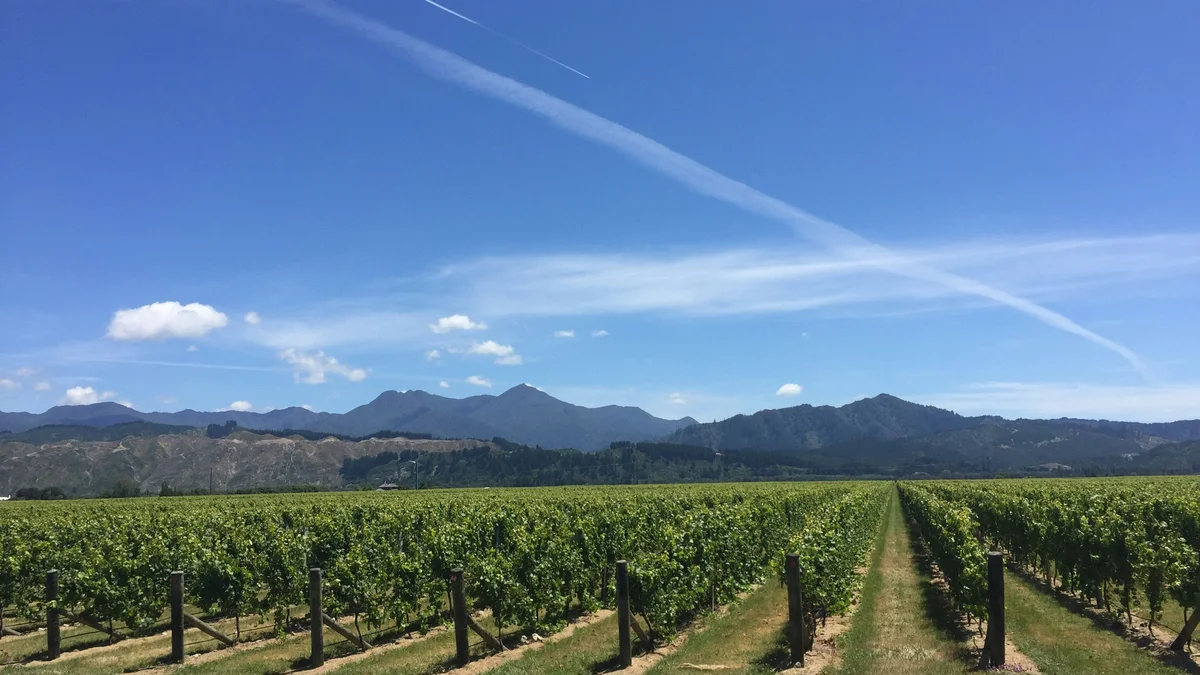
A 21-day food-and-wine road trip from Auckland and Waiheke Island's vineyards, through Hawke's Bay and Martinborough's wine country, Marlborough Sounds' seafood, and the Southern Alps to Queenstown's Gibbston Valley.
 Multi-Day Tours
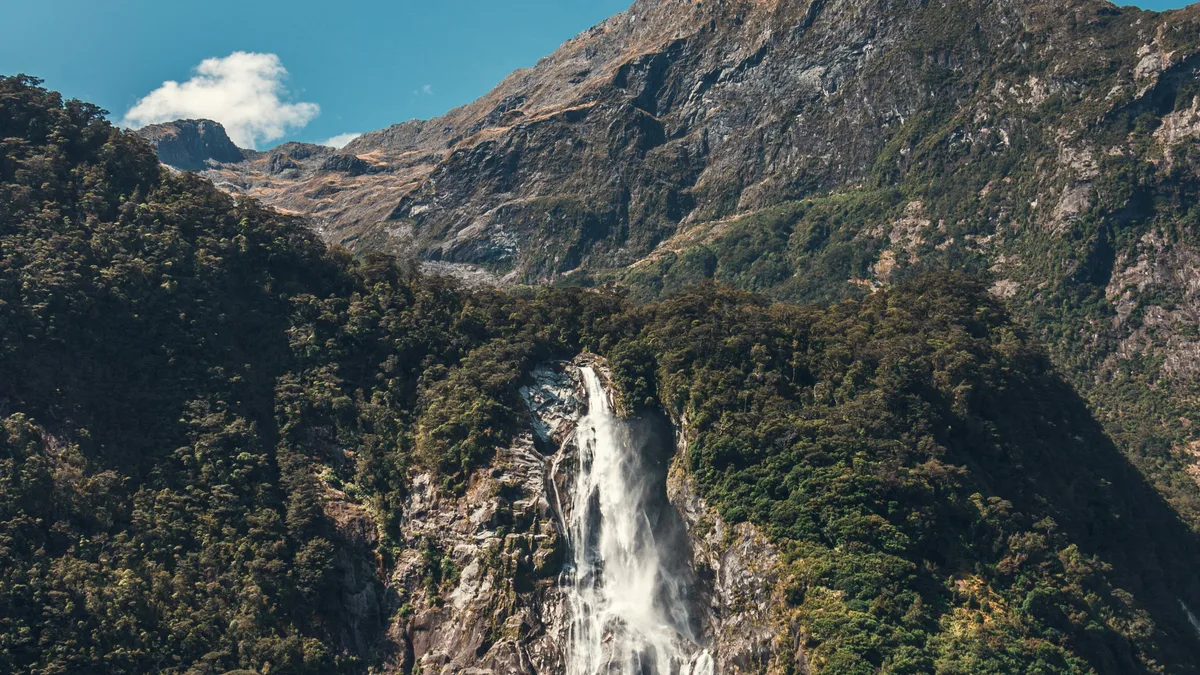
A 14-day route blending self-drive and small-group excursions — Fiordland cruising and an overnight aboard a Doubtful Sound boat, backcountry 4WD touring, Rotorua's Maori culture, and Auckland's Waiheke wine island.
 Multi-Day Tours
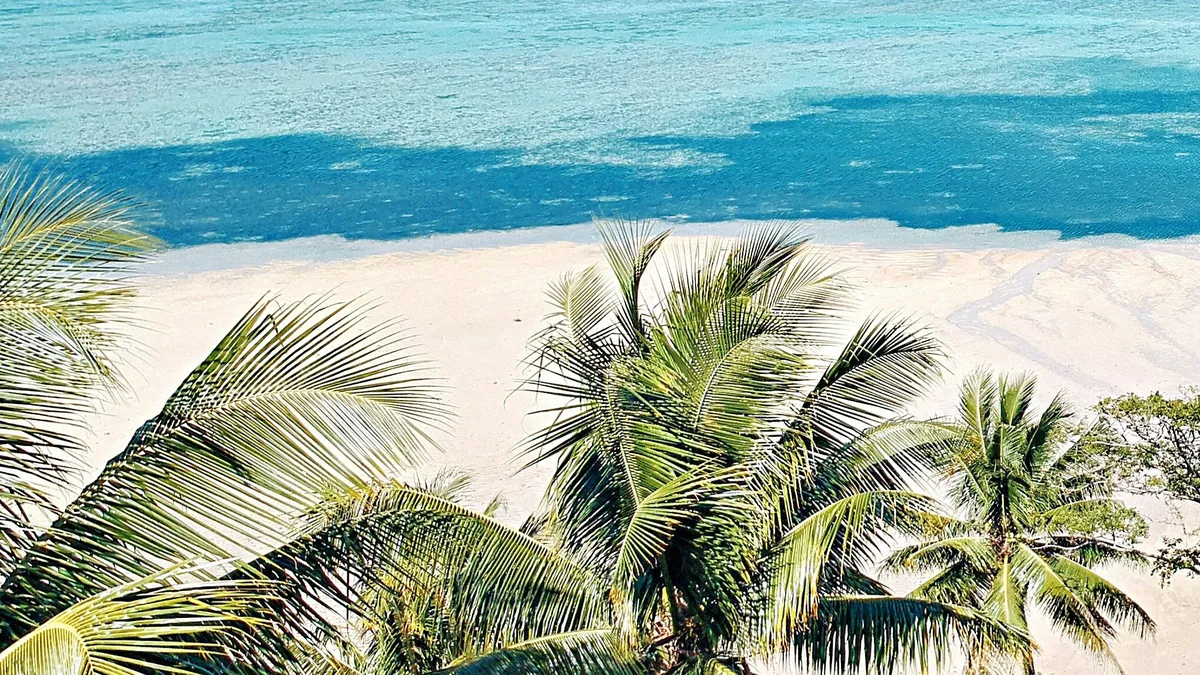
An 18-day trip combining a 13-night New Zealand road trip — geothermal Rotorua, wine-country cycling, Mount Cook's glaciers, and Milford Sound — with a 4-night island escape on Fiji's Castaway Island.
 Multi-Day Tours
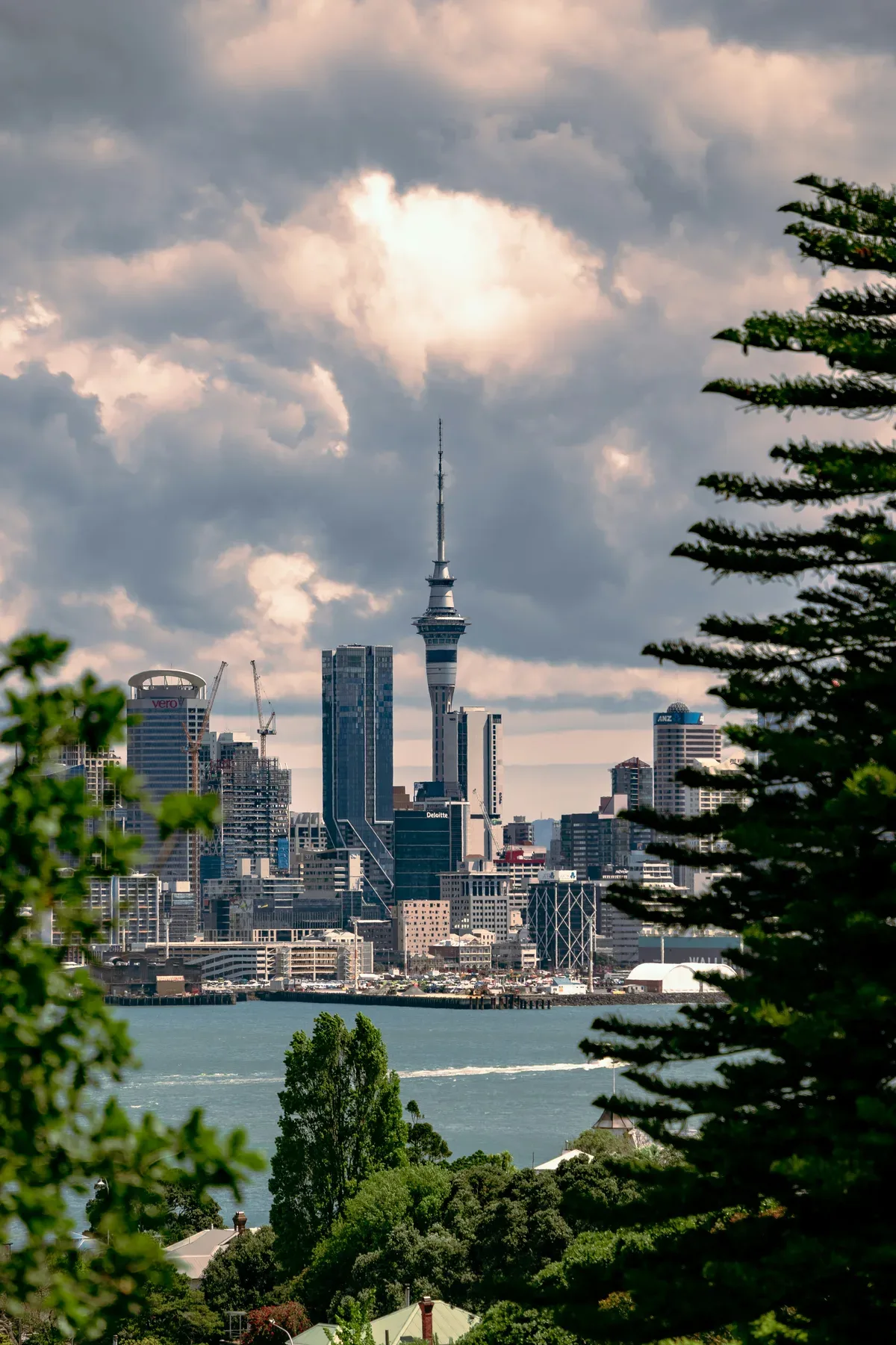
A 15-day route built around New Zealand's most scenic courses — Te Arai Links, Kinloch, and Cape Kidnappers on the North Island, Terrace Downs, Jack's Point, and Millbrook on the South — alongside geothermal Taupo, Lake Tekapo, and Milford Sound.
Visitor guide
Lake Tekapo, called Takapo in Maori, is a glacier-fed lake at the northern edge of the Mackenzie Basin in New Zealand's South Island. It is known for its milky turquoise water, the small stone Church of the Good Shepherd on its shore, and some of the clearest night skies in the Southern Hemisphere.
According to Wikipedia, Lake Tekapo is the second largest of three roughly parallel lakes along the northern edge of the Mackenzie Basin, alongside Lake Pukaki and Lake Ohau. It lies at about 710 metres above sea level, is around 27 km long and up to 6 km wide, and reaches a maximum depth of about 120 metres. The braided Godley and Macaulay Rivers feed its northern end, carrying meltwater from the Southern Alps. The fine glacial silt known as rock flour in that water gives the lake its distinctive turquoise colour.
The Two Thumb Range rises to the east, with peaks such as Mount Toby, while Mount John stands at about 1,031 metres on the western shore beside the township. On a clear day, the snow-capped peaks of Aoraki / Mount Cook National Park can be seen in the distance. The district is among the sunniest in New Zealand, with annual sunshine averaging more than 2,400 hours.
Tekapo is a misspelling of the Maori name Takapo, which the source translates roughly as to leave in haste at night. In 2021 the Mackenzie District Council announced it would use the dual names Tekapo and Takapo. In Ngai Tahu tradition, the lake was dug by the Waitaha explorer Rakaihautu with his digging stick, Tuwhakaroria, as he led his people down the middle of the South Island. A small island in the lake, Motuariki, is linked in tradition to an ancestor of the Araiteuru canoe who was turned into the island after failing to return to his canoe before daylight. These accounts are traditional stories rather than geological history.
On the lakeshore stands the Church of the Good Shepherd, built in 1935 and described by Wikipedia as the first church constructed in the Mackenzie Basin. It was designed by the Christchurch architect R.S.D. Harman, drawing on sketches by the local artist Esther Hope, and it is listed on the New Zealand Heritage List. Its altar window frames the lake and mountains, which has made it one of the most photographed churches in the country.
Nearby is a bronze statue of a New Zealand collie sheepdog, commissioned by Mackenzie Country residents to honour the dog's role in local farming. Sculptor Innes Elliott of Kaikoura used a neighbour's dog, Haig, as his model, and the statue was cast in bronze in London from a plaster cast sent over in 1966.
Lake Tekapo and the surrounding district were designated in 2012 as part of the Aoraki Mackenzie International Dark Sky Reserve, which covers 4,367 square kilometres. Wikipedia describes it as the largest dark-sky reserve in the Southern Hemisphere as of 2024. Because the area has almost no light pollution, it attracts astronomers, astrophotographers and stargazers. The Mount John University Observatory sits on Mount John, north of the town.
The lake also plays a working role in the country's electricity supply. Tekapo A power station began operating in 1951, drawing water through a tunnel under the town, and a later canal carries water to Tekapo B on Lake Pukaki. Another seasonal feature is the display of Russell lupins, which bloom along the shores from about mid-November to late December. They were introduced to the basin in the 1940s and, although attractive, alter the ecology of braided rivers. Winters are cold, with a recorded low of minus 15.6 degrees Celsius, and summers are warm. A private guided visit suits the lake well, allowing time at the church, the lakeshore and, outside daylight hours, the night sky.
See every tour and attraction we cover in New Zealand.