TorontoOntario · 36 tours
 Niagara FallsOntario · 25 tours
 New York CityNew York · 30 tours
 Las VegasNevada · 8 tours
 San FranciscoCalifornia · 16 tours
 VancouverBritish Columbia · 17 tours
 DubaiUAE · 54 tours
 Abu DhabiUAE · 5 tours
 Buenos AiresArgentina · 23 tours
 AthensGreece · 31 tours
 AucklandNew Zealand · 38 tours
 CancunMexico · 54 tours
No destinations match “”. Try searching all tours instead — that search understands full questions, not just place names.
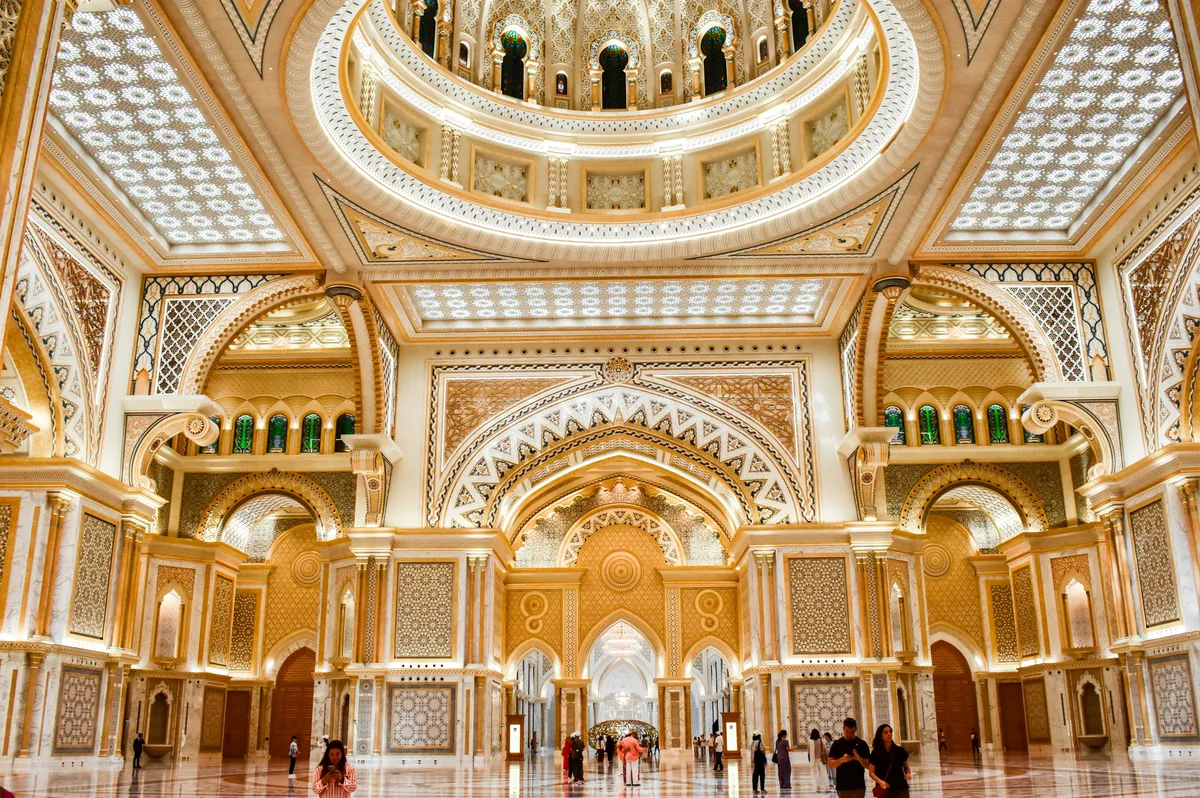
The UAE's presidential palace, opened to the public, with an ornate gold-and-white Great Hall and exhibits on Emirati governance and craftsmanship.
 Private Tours
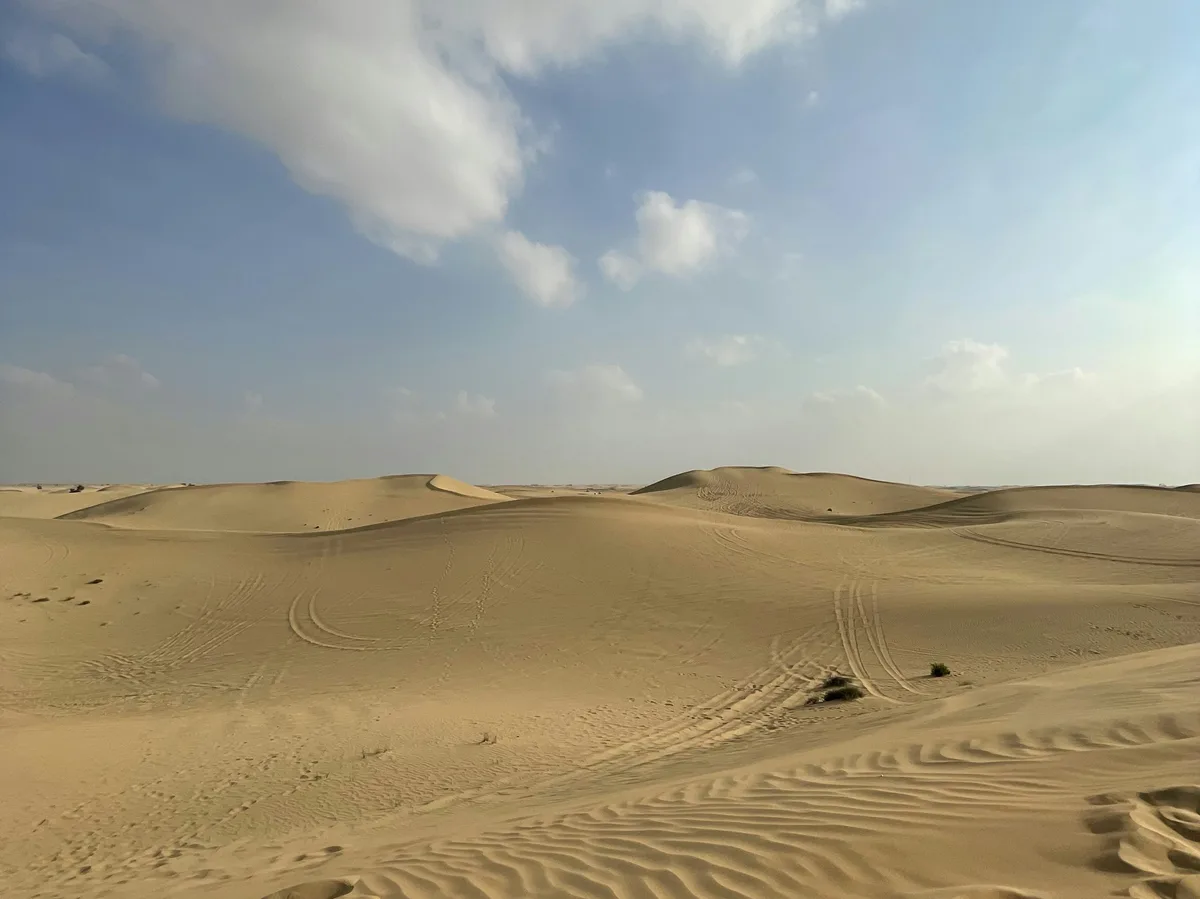
A private 4x4 desert tour from Abu Dhabi — dune bashing, a camel ride, and sandboarding, with private transport throughout.
 Private Tours
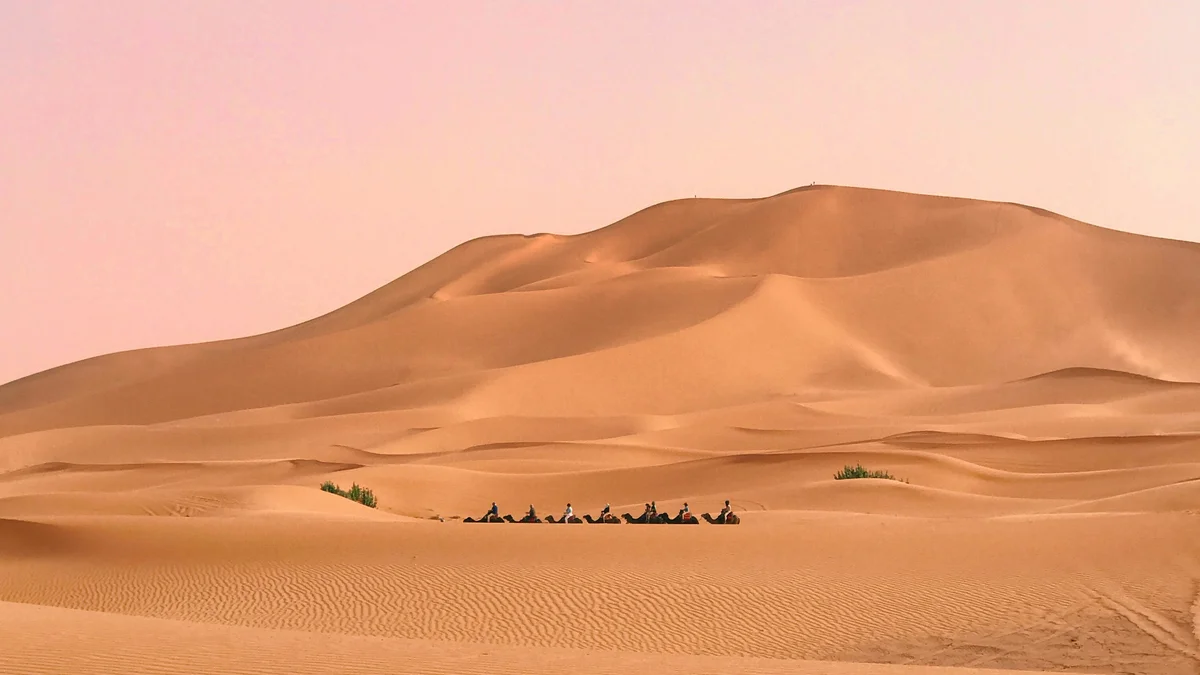
A private desert safari built specifically for cruise passengers — pickup directly from the Abu Dhabi Cruise Terminal, timed to have you back before your ship departs.
Visitor guide
Qasr Al Watan, meaning 'Palace of the Nation', is the presidential palace of the United Arab Emirates in Abu Dhabi, open to the public since 11 March 2019. Set at the end of the Corniche beside the Emirates Palace hotel, it is known for its white granite and limestone facade, a large central dome and halls used for state occasions.
According to Wikipedia, construction was completed in 2017 and the palace was used only for official purposes, mainly hosting foreign leaders and meetings of the supreme council and federal cabinet, until it opened to the public at a ceremony hosted by Sheikh Mohammed bin Zayed and Mohammed bin Rashid Al Maktoum. It continues to host diplomatic state receptions and meetings of the Council of Ministers while also open to tourists, and it is not a residential space. Wikipedia notes that in 2020 it was nominated for the World Travel Awards as the main cultural tourist attraction in the Middle East.
The central chamber, called the Great Hall, sits beneath the dome and is flanked by eastern and western wings. The palace's own website gives the dome's diameter as 37 metres, rising to 60 metres, and describes archways, mosaic work, symmetric marble panels, Arabesque patterns, and curved glass panels and mirrored cubes at each corner of the hall. Geometry is central to the design. The hall uses the palace's three signature colours: blue for the waters of the Arabian Gulf, white for purity and yellow inspired by desert sands. Wikipedia describes a chandelier of about 350,000 crystal pieces as part of the interior.
The western wing has official halls, including the Spirit of Collaboration room, used for meetings of the UAE Cabinet and the Federal Supreme Council and for summits of bodies such as the Arab League and the Gulf Cooperation Council. Banquets for official events are also held in this wing, and some diplomatic gifts are kept there.
The eastern wing holds the House of Knowledge, a library of more than 50,000 books on the country's cultural, social and political history. It also holds two religious texts, a Quran including a replica of the Birmingham manuscript and a Bible including the Psalms of David.
The palace's Hall of Presidential Gifts displays diplomatic gifts the UAE has received from visiting officials, presented as a legacy of goodwill between the UAE and the world. The palace website lists items such as samurai armours from Japan, hooded falcon masks from Germany, a traditional rifle from Kuwait, a Phoenician-era vase, a Korean moon vase and a carpet from Turkmenistan, along with gold wreaths, medals and coins, and a black-covered, gold-embroidered Quran given by Saudi Arabia. The exhibition also explains the cultural protocols involved in choosing diplomatic gifts. Visitors can also see an evening light and sound show projected on the facade, described as telling the history, present and future of the UAE.
For earlier Abu Dhabi history, Qasr Al Hosn is a short distance away. Wikipedia says its tower was built in 1761 to guard the city's only freshwater well, was expanded into a small fort in 1793, and served as the ruler's residence and seat of government until 1966, before reopening in 2018 as a museum after a decade-long conservation project.
Because the palace remains a working state building, access can change around official events, and arrangements are best confirmed ahead of time. A private guided visit with a driver can combine it with other sights in the capital.
See every tour and attraction we cover in Abu Dhabi.