TorontoOntario · 36 tours
 Niagara FallsOntario · 25 tours
 New York CityNew York · 30 tours
 Las VegasNevada · 8 tours
 San FranciscoCalifornia · 16 tours
 VancouverBritish Columbia · 17 tours
 DubaiUAE · 54 tours
 Abu DhabiUAE · 5 tours
 Buenos AiresArgentina · 23 tours
 AthensGreece · 31 tours
 AucklandNew Zealand · 38 tours
 CancunMexico · 54 tours
No destinations match “”. Try searching all tours instead — that search understands full questions, not just place names.
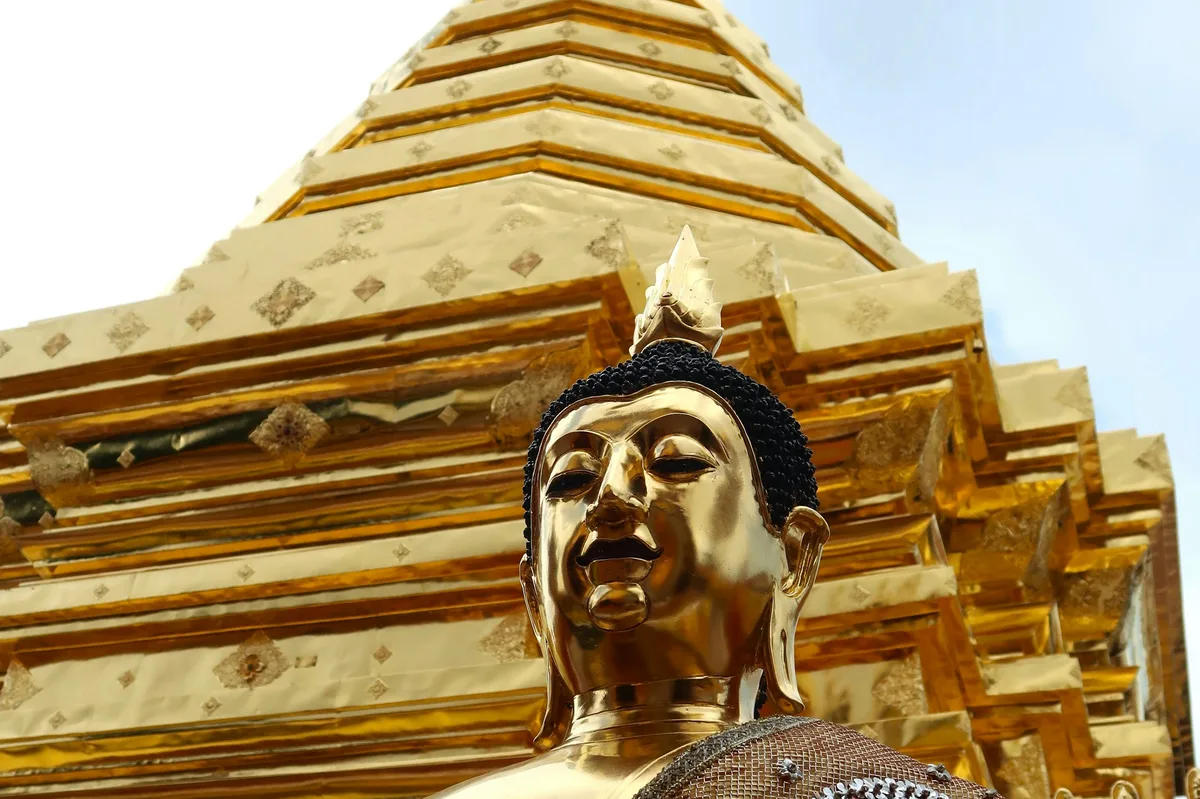
A gleaming golden chedi on a mountainside above Chiang Mai, reached by a long naga-flanked staircase and one of northern Thailand's most sacred temples.
 Multi-Day Tours
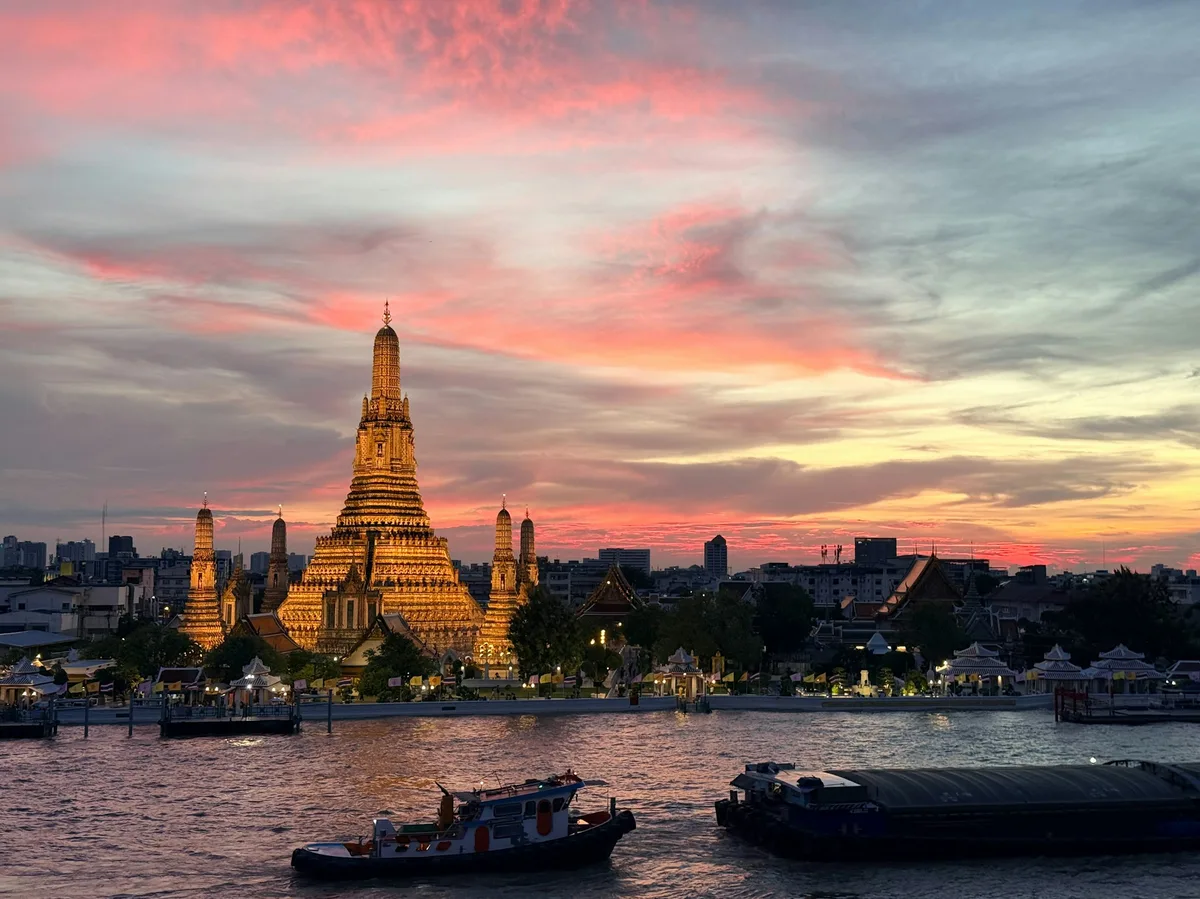
A 10-day introduction to Thailand — Bangkok's temples and floating markets, Chiang Mai's mountain temples and an elephant park, and free beach days on Phuket — with private transfers and domestic flights between them.
 Multi-Day Tours
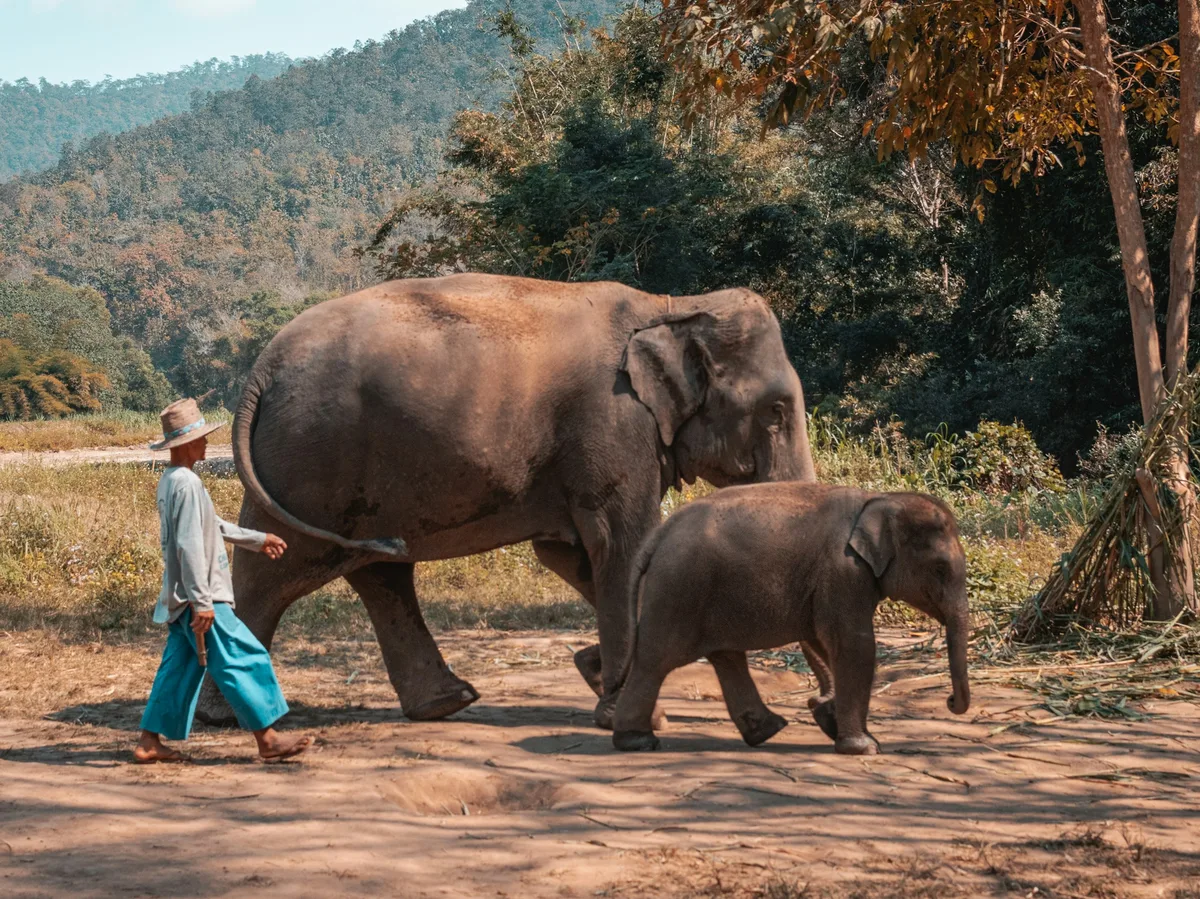
A 12-day route off the standard circuit — Chiang Mai and an ethical, no-riding elephant sanctuary, jungle treehouses and trekking in Khao Sok National Park, the car-free island of Koh Mook, then Phuket and Bangkok.
Visitor guide
Wat Phra That Doi Suthep is a Theravada Buddhist temple on Doi Suthep mountain, about 15 kilometres from Chiang Mai in northern Thailand. Its gilded chedi, reached by a long staircase flanked by naga balustrades, is one of the most sacred pilgrimage sites in the country and offers views toward the city below.
According to legend, a monk named Sumanathera of the Sukhothai Kingdom dreamed of a relic at Pang Cha, widely believed to be a shoulder bone of the Buddha. The relic is said to have glowed, vanished, moved and even replicated itself. Sumanathera eventually brought it to King Kue Na of the Lan Na Kingdom, and in 1368 it reportedly split into two pieces. The smaller piece was enshrined at Wat Suan Dok in Chiang Mai. The larger piece, the story goes, was placed on a white elephant released into the jungle. The elephant climbed Doi Suthep, trumpeted three times and died, which was read as an omen, so the king ordered a temple built on the spot.
Wikipedia states that the temple is said to have been founded in 1383, when the first stupa was built, without reconciling this date with the 1368 legend. Over the centuries more shrines were added. The road up the mountain was first built in 1935 under the northern monk Khruba Siwichai, who led local efforts to build it. In the 1980s a proposed cable car sparked a debate over whether it would compromise the temple's sanctity, and local opposition led to the plan being dropped.
Visitors can climb a staircase of roughly 300 steps (sources give figures from about 290 to 309) lined with naga balustrades, described in Wikipedia as the longest in Thailand, or use a tram or funicular, which also makes the site accessible for those who cannot manage stairs. The golden chedi is the most sacred area of the grounds and rises about 24 metres. It has a redented octagonal base, a ringed spire and a tiered umbrella at the top. Its form shows strong influence from Sukhothai art, while the umbrella is attributed to the centuries of Burmese influence in the north. The tiers are said to symbolise the heavens one ascends on the way to nirvana.
The complex is arranged symmetrically around the chedi. The wihan has a two-tiered roof with white stucco, ornate pediments, naga ornaments at the corners and murals depicting the Buddha's life, including Hindu elements. Its interior is dim because of narrow trapezoid windows.
Wikipedia reports that the temple draws about 120,000 visitors per month and that crowds peak during Songkran and Visakha Bucha Day, when local people climb the mountain. Many visitors combine worship with sightseeing. Elevation is given as roughly 1,050 to 1,073 metres in different parts of the article. Doi Suthep also lies within Doi Suthep-Pui National Park, a forested mountain area above the city.
A private guided visit with a dedicated vehicle and driver suits the winding mountain road and lets visitors take time at the shrine at their own pace.
See every tour and attraction we cover in Thailand.