TorontoOntario · 36 tours
 Niagara FallsOntario · 25 tours
 New York CityNew York · 30 tours
 Las VegasNevada · 8 tours
 San FranciscoCalifornia · 16 tours
 VancouverBritish Columbia · 17 tours
 DubaiUAE · 54 tours
 Abu DhabiUAE · 5 tours
 Buenos AiresArgentina · 23 tours
 AthensGreece · 31 tours
 AucklandNew Zealand · 38 tours
 CancunMexico · 54 tours
No destinations match “”. Try searching all tours instead — that search understands full questions, not just place names.
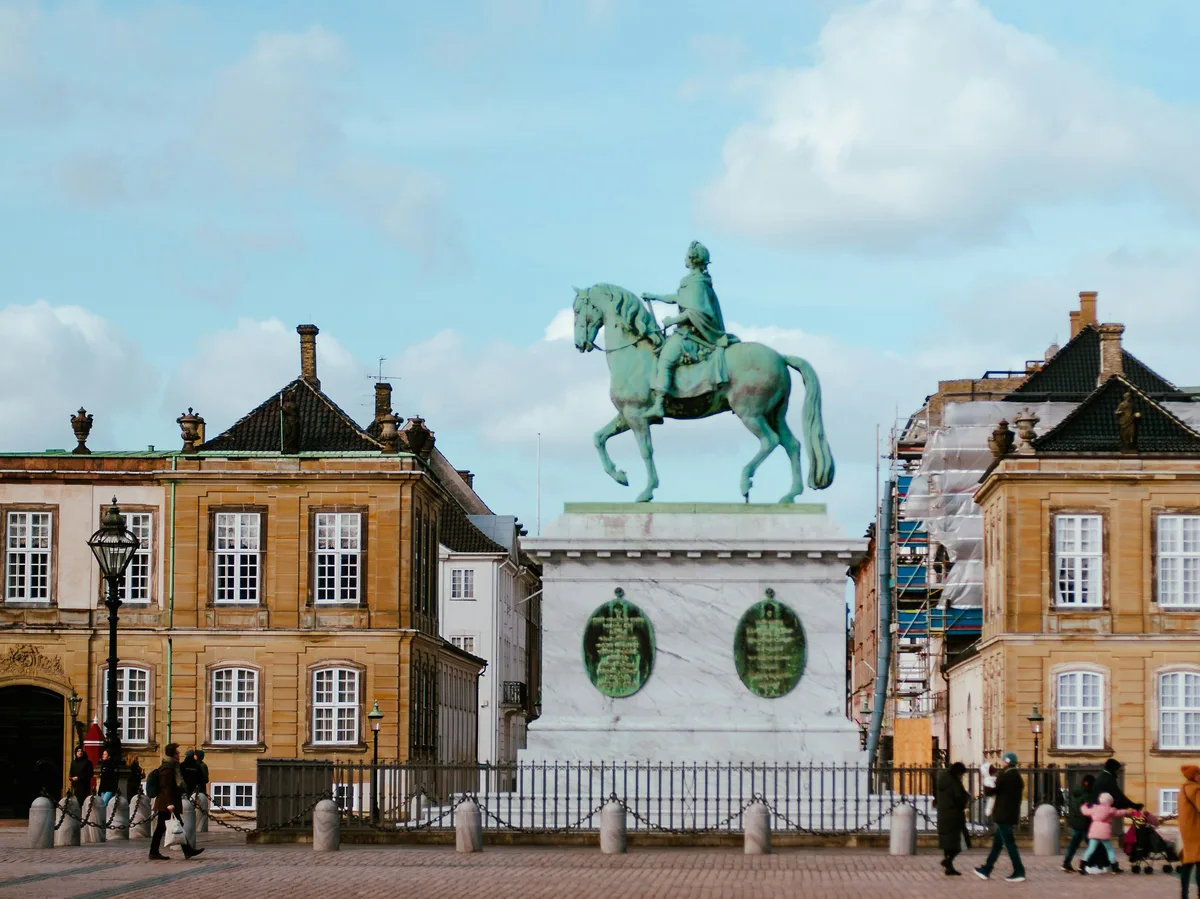
The winter home of the Danish royal family, four matching rococo palaces set around an octagonal courtyard in central Copenhagen.
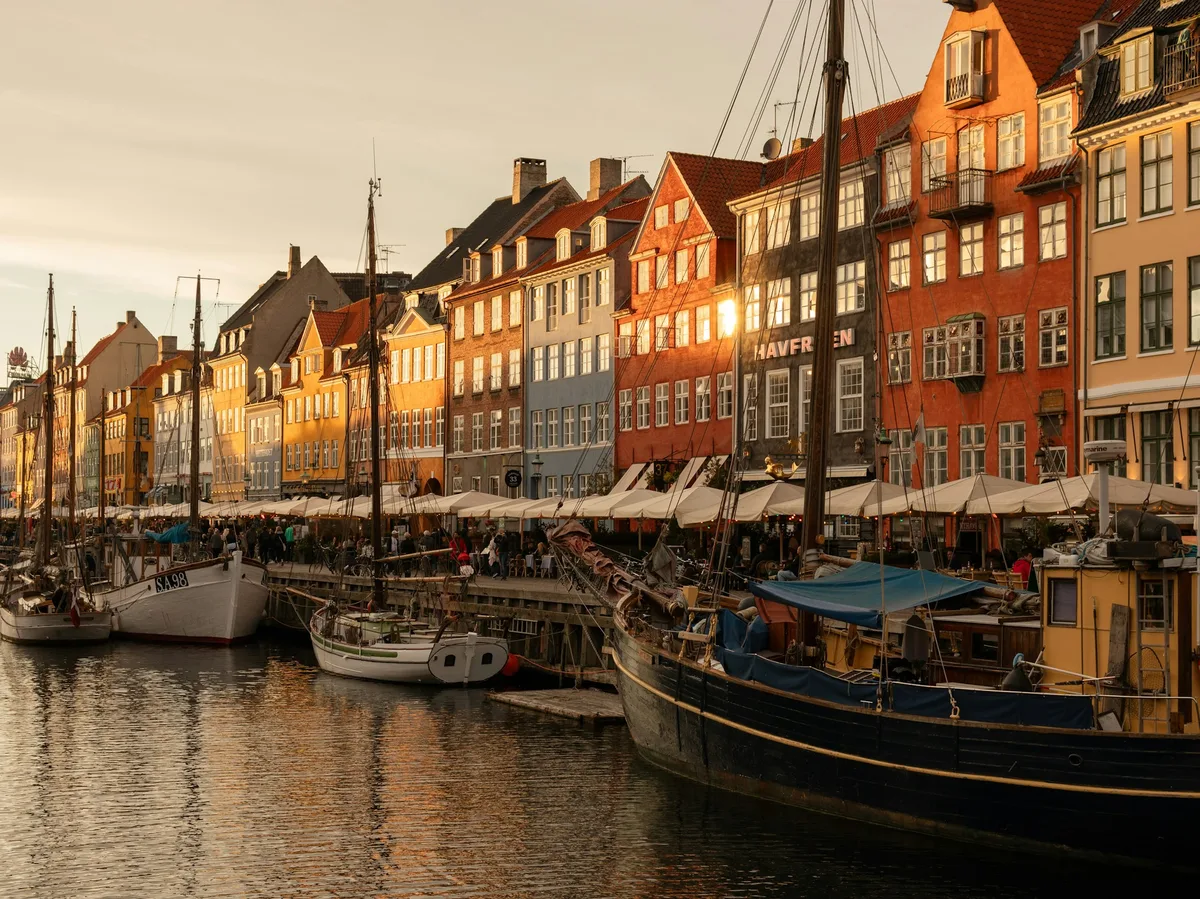 Multi-Day Tours Popular Pick
A 7-day private tour of Denmark's two great cities — Copenhagen's canals and Tivoli Gardens, Aarhus's food scene, and a walk to the medieval ruins of Kalø Castle.
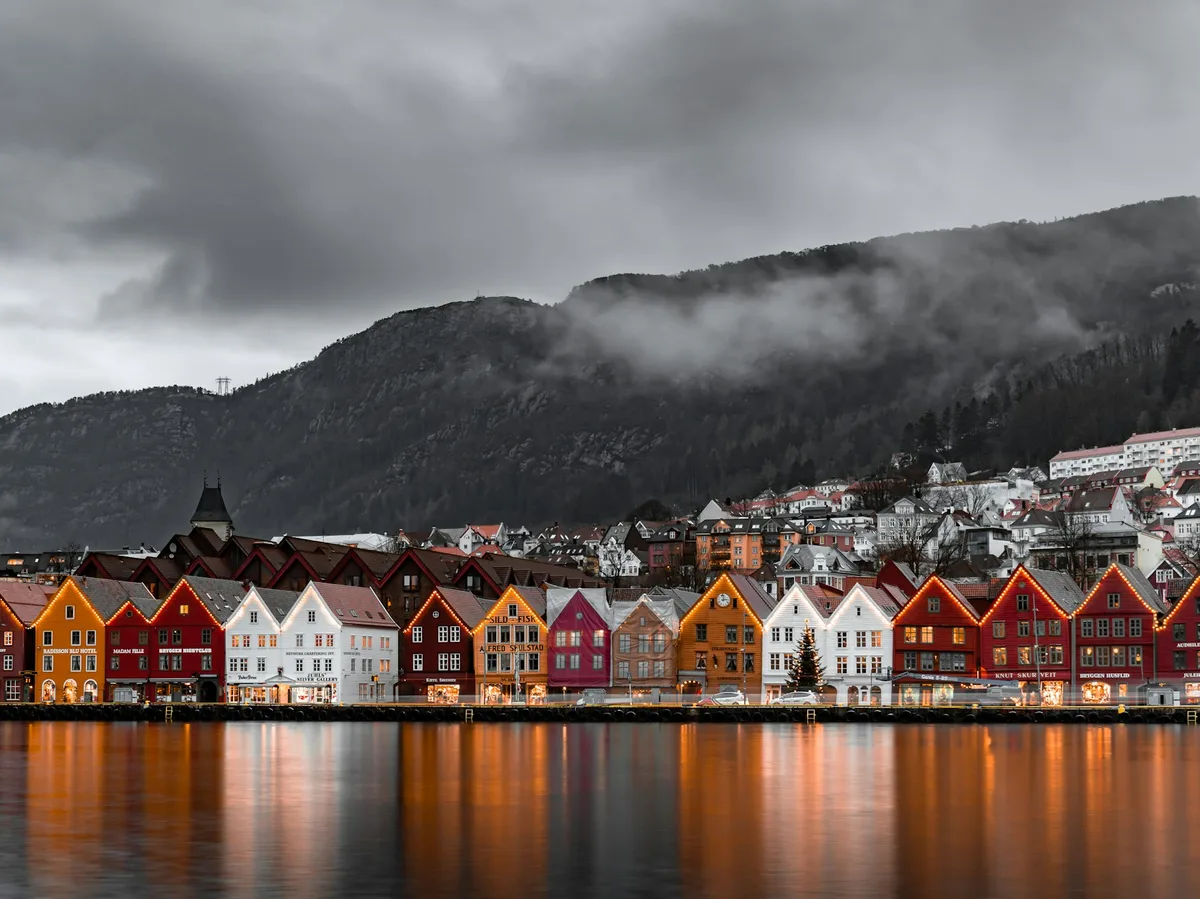 Multi-Day Tours
A 14-day private circuit through Sweden, Denmark, and Norway — Stockholm's Viking history, Copenhagen by bike, an overnight cruise to Oslo, and the fjords of the Norway in a Nutshell route ending in Bergen.
Visitor guide
Amalienborg is the official residence of the Danish monarch and royal family in Copenhagen, Denmark. It consists of four classical palace facades with rococo interiors arranged around an octagonal courtyard, with an equestrian statue of Frederick V at its centre.
Amalienborg is the centrepiece of Frederiksstaden, a district launched by King Frederick V to commemorate the 1748 tercentenary of the Oldenburg dynasty on the Danish throne and the 1749 tercentenary of Christian I's coronation. Wikipedia says the idea is generally credited to Johann Hartwig Ernst Bernstorff, and that Adam Gottlob Moltke led the project with Nicolai Eigtved as royal architect. Eigtved planned four identical mansions around the square. The site was given to the noble families free of charge, with tax exemptions, on condition that they followed the specifications. Construction began in 1750, and after Eigtved died in 1754 Lauritz de Thurah continued the work. The palaces were finished in 1760.
Christian VII's Palace was originally Moltke's palace, and its Great Hall is often called one of the finest Danish rococo interiors. Christian VIII's Palace was originally Levetzau's palace, and it houses a museum about the Gluecksborg royal house. Frederik VIII's Palace, originally Brockdorff's, housed a military academy from 1767. Christian IX's Palace, originally Schack's, has been the royal family's home since 1967, according to Wikipedia. Only two of the four palaces are open to the public.
The royal family acquired the palaces after the Christiansborg Palace fire of February 1794 left them without a home. Most of the Amalienborg palaces had been empty for long periods, and the Moltke and Schack palaces were bought within days. Christian VII's Palace was occupied in December 1794 after Caspar Frederik Harsdorff converted it, and a colonnade connecting palaces was added in 1794 to 1795. Before this site held the present palaces, it was occupied by earlier palaces named Amalienborg, including one built for Queen Sophie Amalie in the 1660s and 1670s that burned in 1689.
The statue of Frederick V on horseback is by the French sculptor Jacques Saly. Work began in 1753, the foundation stone was laid in 1760, and the statue was put in place in the square in the late 1760s or early 1770s (the Royal Danish Collection gives 1768, while Wikipedia gives an unveiling in 1771, five years after the king's death). The Royal Life Guards protect Amalienborg day and night. Wikipedia says the guard marches from Rosenborg Castle through Copenhagen and performs a changing of the guard in front of the palace at noon.
The short axis through Frederiksgade aligns Frederik's Church, also called the Marble Church, with Amalienborg and the Copenhagen Opera House across the harbour. Amaliehaven, a two-level garden on the waterfront with marble sculptures and a central fountain, was established in 1983. A private guided visit with a driver can fit Amalienborg between nearby Nyhavn and the Little Mermaid.
See every tour and attraction we cover in Denmark.