TorontoOntario · 36 tours
 Niagara FallsOntario · 25 tours
 New York CityNew York · 30 tours
 Las VegasNevada · 8 tours
 San FranciscoCalifornia · 16 tours
 VancouverBritish Columbia · 17 tours
 DubaiUAE · 54 tours
 Abu DhabiUAE · 5 tours
 Buenos AiresArgentina · 23 tours
 AthensGreece · 31 tours
 AucklandNew Zealand · 38 tours
 CancunMexico · 54 tours
No destinations match “”. Try searching all tours instead — that search understands full questions, not just place names.
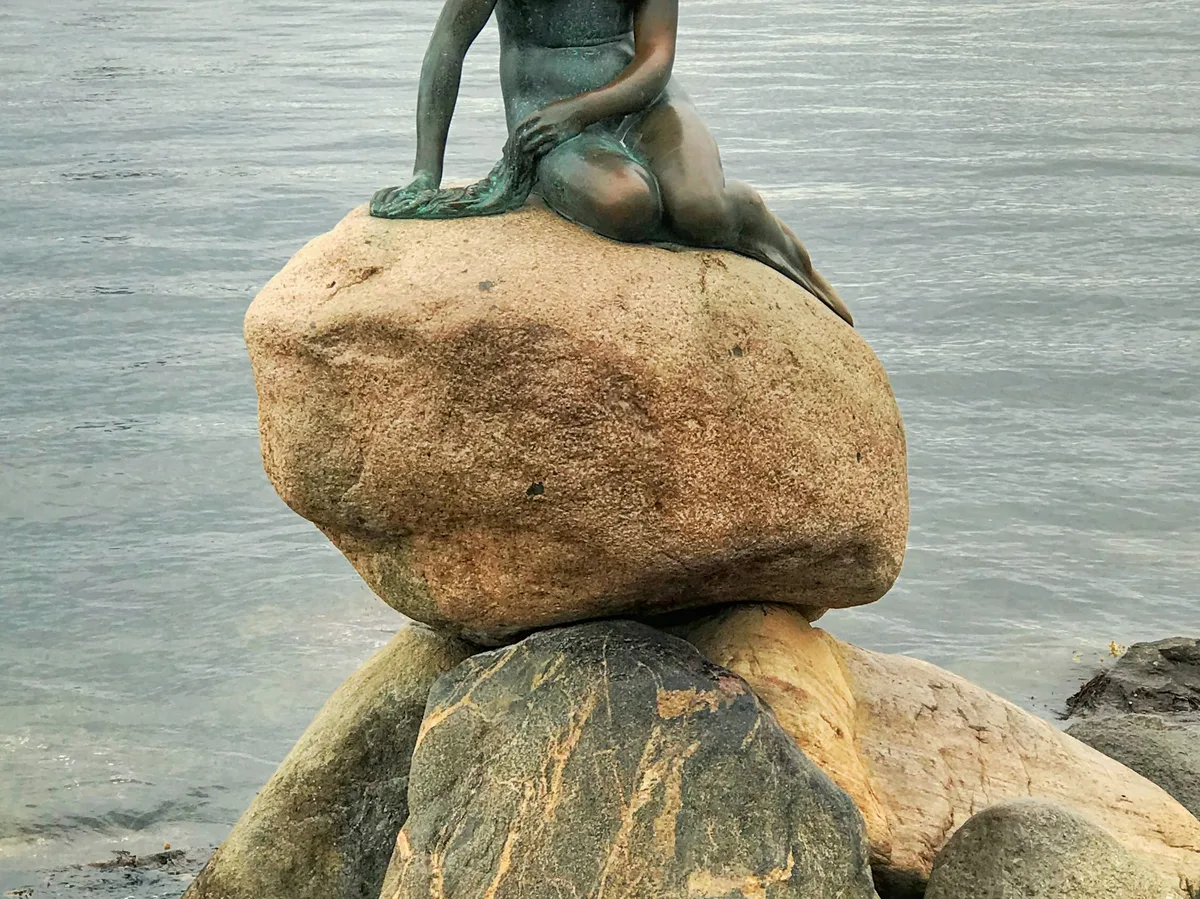
A small bronze statue on a harbor rock in Copenhagen, unveiled in 1913 and one of Denmark's most recognized landmarks.
 Multi-Day Tours Popular Pick
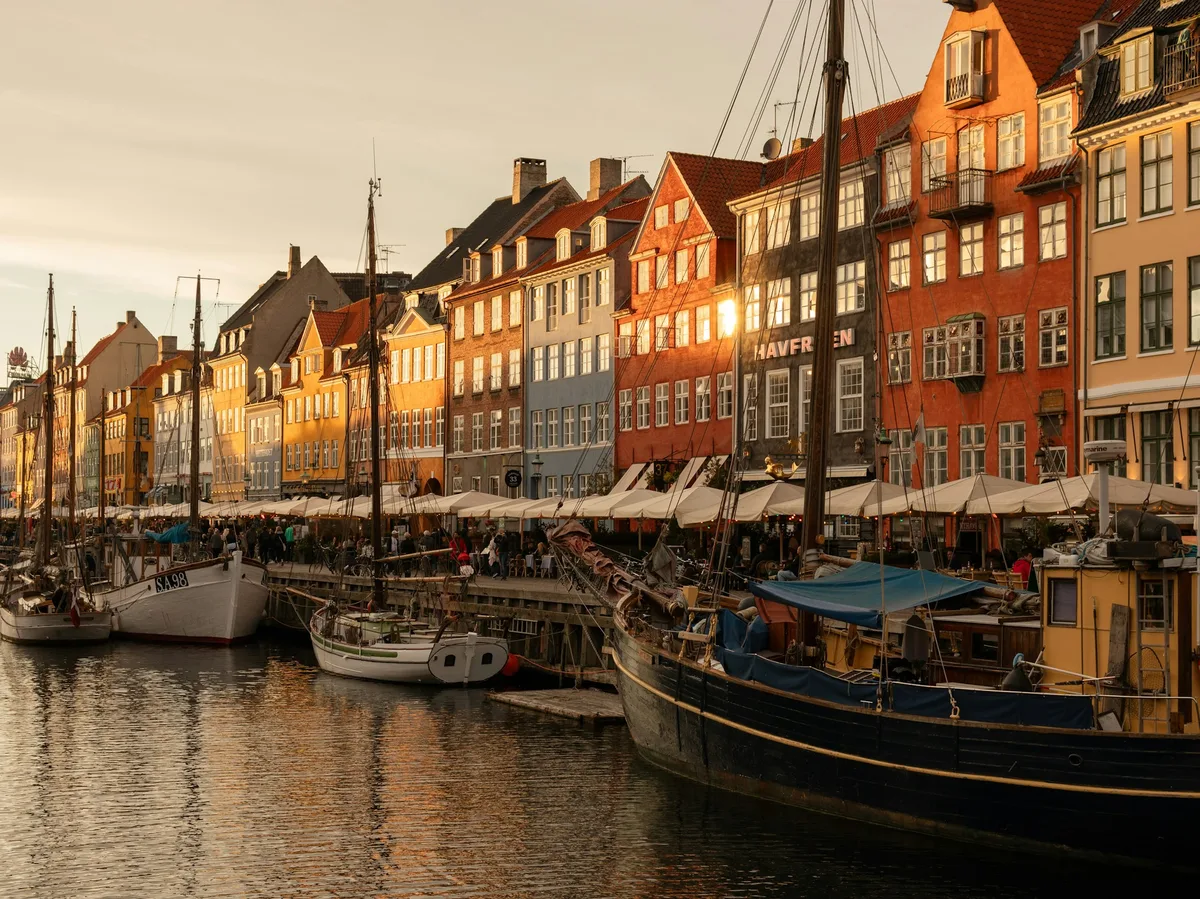
A 7-day private tour of Denmark's two great cities — Copenhagen's canals and Tivoli Gardens, Aarhus's food scene, and a walk to the medieval ruins of Kalø Castle.
 Multi-Day Tours
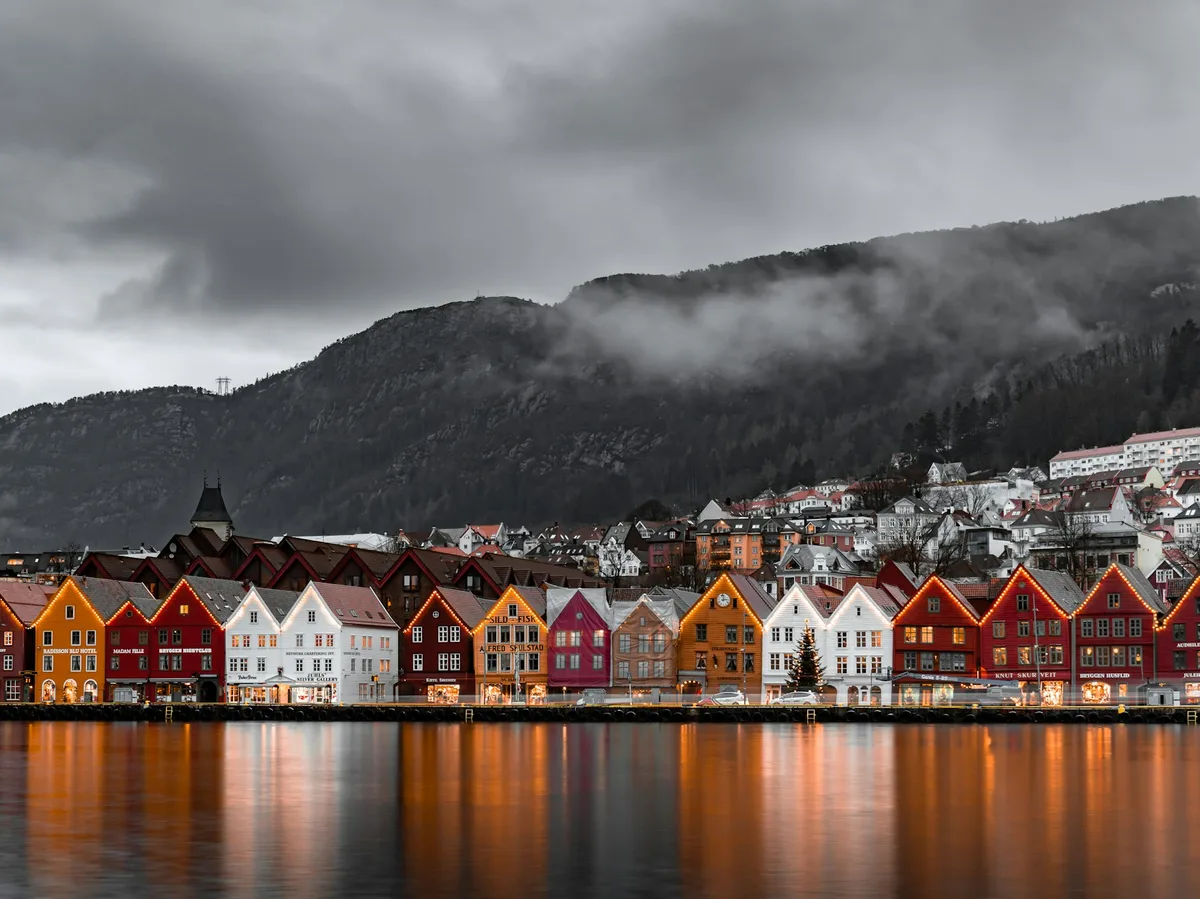
A 14-day private circuit through Sweden, Denmark, and Norway — Stockholm's Viking history, Copenhagen by bike, an overnight cruise to Oslo, and the fjords of the Norway in a Nutshell route ending in Bergen.
Visitor guide
The Little Mermaid is a bronze statue by the sculptor Edvard Eriksen, sitting on a rock by the water at the Langelinie promenade in Copenhagen, Denmark. Unveiled on 23 August 1913, it depicts a mermaid in the act of becoming human and is one of the city's best-known landmarks.
Carl Jacobsen, son of the founder of Carlsberg, commissioned the statue in 1909. He had been captivated by a ballet based on Hans Christian Andersen's 1837 fairy tale, performed at the Royal Theatre in Copenhagen, and asked the ballerina Ellen Price to model for the work. According to Wikipedia, Price declined to pose nude, so Eriksen modelled the figure on his own wife, Eline Eriksen. A popular story says the face was based on Price, but sources cited by Wikipedia describe that as untrue.
The statue is just over a metre tall, about 1.25 metres according to Wikipedia, which surprises many first-time visitors who expect a larger monument. It sits on a rock at the water's edge, and visitors reach it along the promenade. Its fame has inspired copies around the world, including in Solvang in California, Kimballton in Iowa, Seoul and Calgary, and a replica in Brasilia was given by Denmark in 1960. The statue is a model for other city symbols, according to Wikipedia, which compares it with the Statue of Liberty and Manneken Pis, and it has inspired similar works elsewhere, including Pania of the Reef in New Zealand.
The statue has been damaged and defaced on several occasions since the mid-1960s, and each time it has been restored. In April 1964 its head was sawn off and never recovered, and a new one was made. In 1984 the right arm was cut off and returned two days later. In January 1998 the statue was decapitated again, and the head was returned anonymously and reattached in early February. In 2003 explosives knocked the statue off its base, and it was found in the harbour. In later years the stone base has been painted with political messages. In 1990 an attempt to sever the head left a deep cut in the neck. Paint has been poured on the statue several times, and on other occasions it has been dressed in costumes or football shirts, which Wikipedia does not count as vandalism because no damage was done.
In 2010 the statue left Denmark for the first time. For Expo 2010 in Shanghai it was moved to the Danish Pavilion between May and October, and an authorised copy stood in a lake at Tivoli Gardens while it was away. Officials have considered moving the statue a few metres out into the harbour to deter vandalism and people climbing on it, and as of September 2022 it remained on dry land at the water's edge.
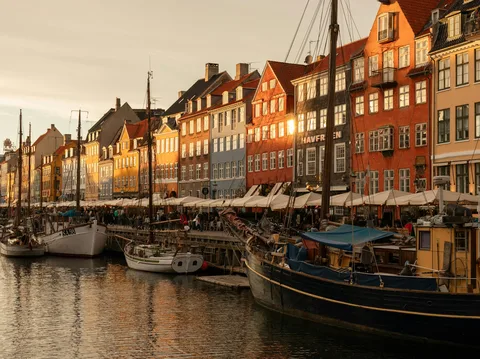
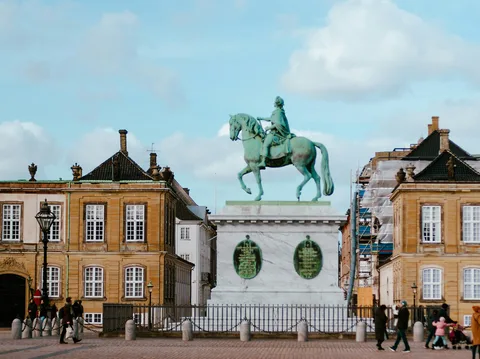
The Little Mermaid is on the harbour front and is often combined with other sights nearby. A private guided visit with a driver can fit it into a city circuit alongside Nyhavn and Amalienborg, and a guide can explain the story behind the statue and why it is smaller than most visitors expect.
See every tour and attraction we cover in Denmark.