TorontoOntario · 36 tours
 Niagara FallsOntario · 25 tours
 New York CityNew York · 30 tours
 Las VegasNevada · 8 tours
 San FranciscoCalifornia · 16 tours
 VancouverBritish Columbia · 17 tours
 DubaiUAE · 54 tours
 Abu DhabiUAE · 5 tours
 Buenos AiresArgentina · 23 tours
 AthensGreece · 31 tours
 AucklandNew Zealand · 38 tours
 CancunMexico · 54 tours
No destinations match “”. Try searching all tours instead — that search understands full questions, not just place names.
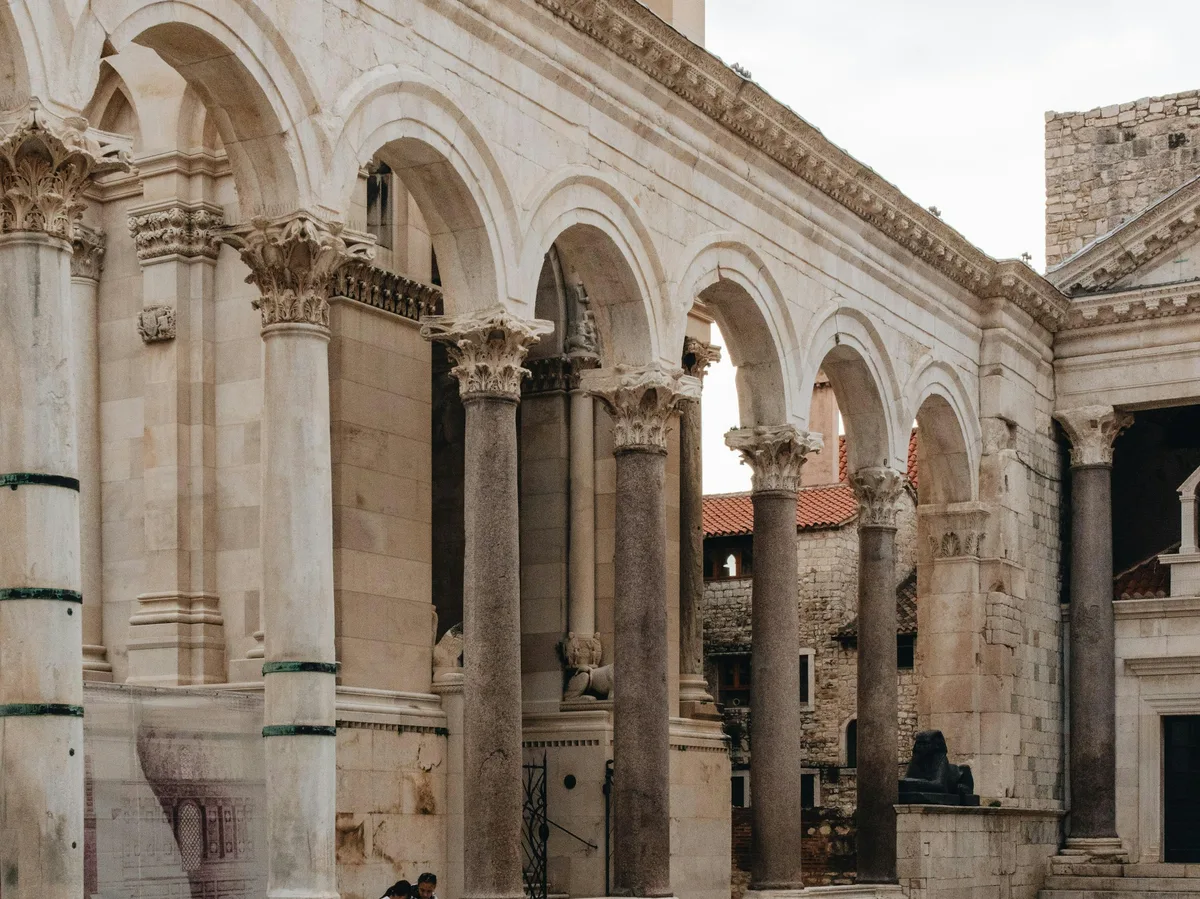
A 4th-century Roman palace whose ancient walls and cellars now form the living core of Split's old town, still packed with shops, bars and homes today.
 Multi-Day Tours
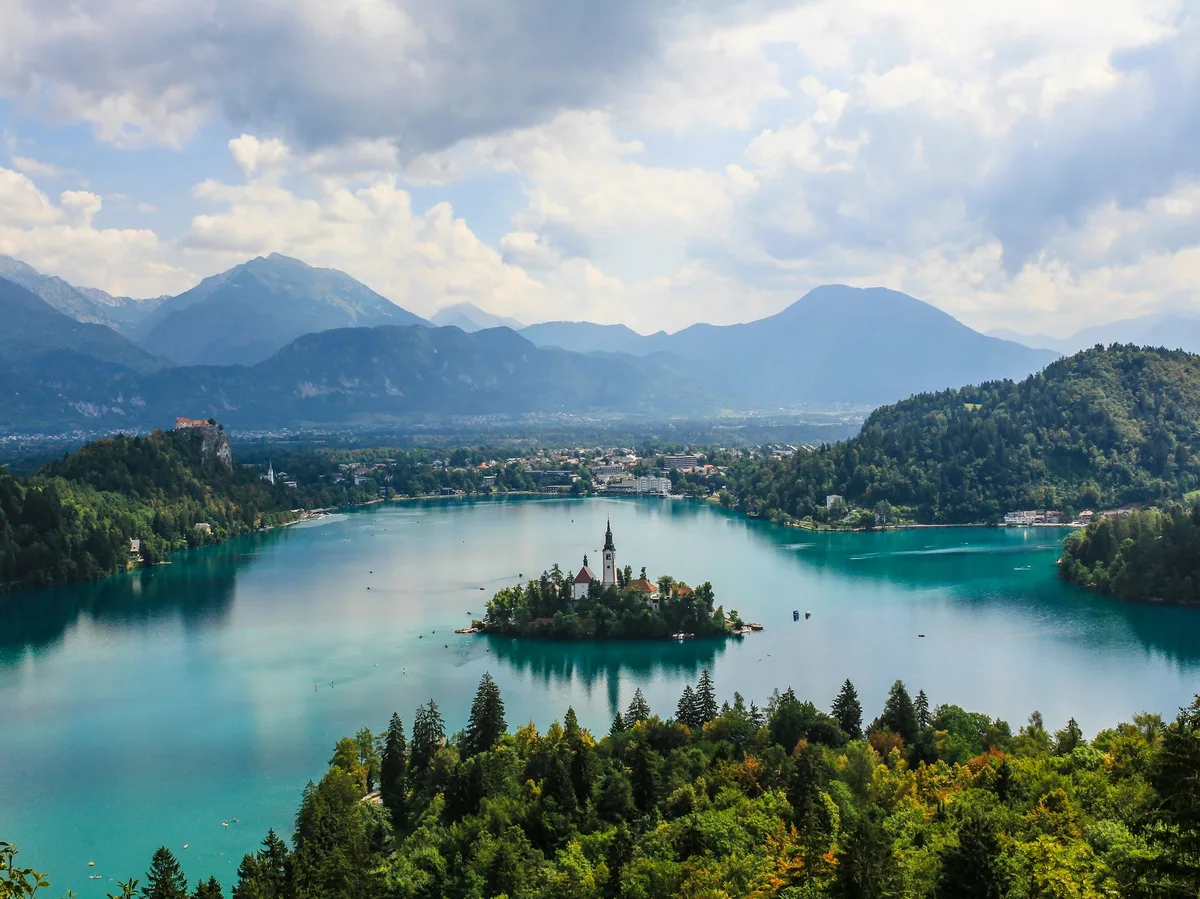
A 15-day luxury private journey that begins in Ljubljana and Lake Bled before crossing into Croatia for Zagreb, Plitvice, Zadar, Split, Hvar, Korčula and Dubrovnik.
 Multi-Day Tours
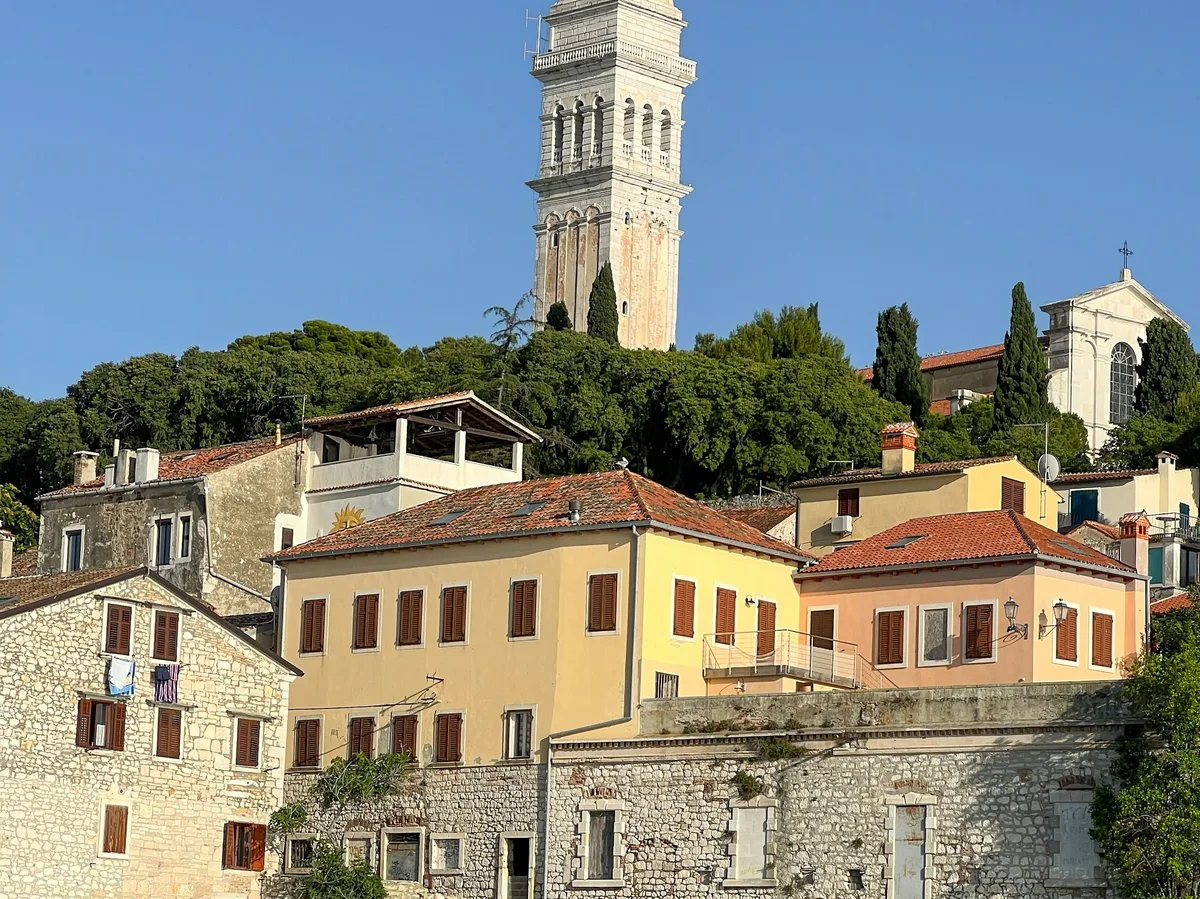
A 12-day route from Istria to Dubrovnik covering Pula's Roman amphitheatre, the Brijuni Islands, Plitvice Lakes, Zadar, the Kornati Islands, Split, Hvar and the Dalmatian coast.
 Multi-Day Tours
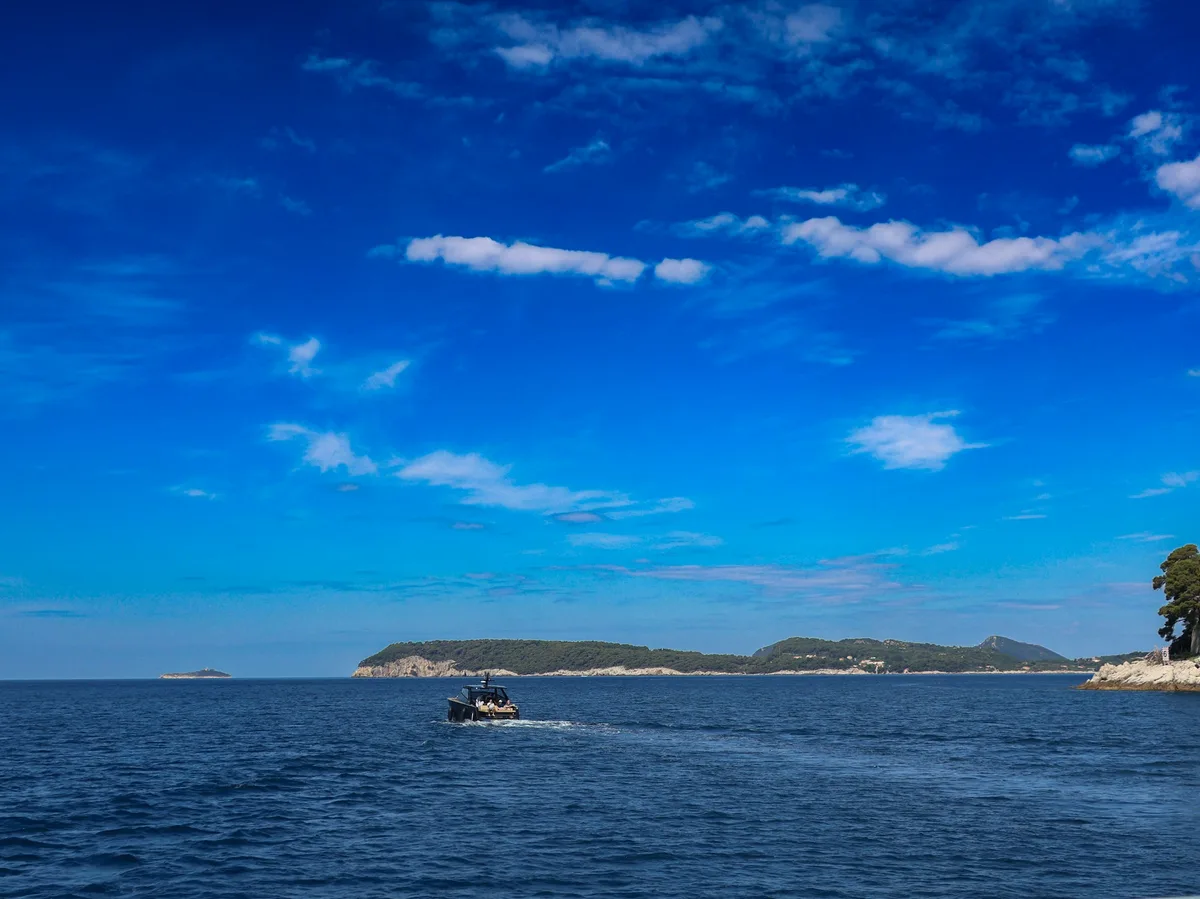
A comprehensive 15-day private journey from Zagreb through Plešivica wine country, Plitvice, Zadar, Krka, Split, Hvar and Dubrovnik, finishing along the Bay of Kotor in Montenegro.
Visitor guide
Diocletian's Palace is an ancient Roman palace and fortress complex in Split, on the Dalmatian coast of Croatia. Built as the retirement residence of the Roman emperor Diocletian, it now forms roughly half of Split's old town and is part of a UNESCO World Heritage Site listed in 1979.
Construction is thought to have begun around 295, after Diocletian introduced the Tetrarchy, a system of rule by four. Diocletian abdicated on 1 May 305, and the palace may not have been entirely finished by then. It stands on a peninsula about six kilometres from Salona, the Dalmatian capital and reputedly Diocletian's birthplace. Wikipedia describes the layout as a blend of a Roman military fort and a luxurious villa, with half of the complex serving the emperor and the other half housing a garrison. The builders are unknown, though Greek names carved in the stone suggest craftsmen from the eastern empire.
The main building stone was white limestone, largely from quarries on the island of Brac, with tuff and local brick used alongside. Some decorative elements were imported, including Egyptian granite columns and marble capitals from Proconnesos.
The palace has four gates. The Golden Gate on the north was the main entrance from the road to Salona. The Silver Gate faces east, the Iron Gate faces west and is the only one in continuous use since antiquity, and the small Bronze Gate on the south opened toward the sea. A transverse street linking the Silver and Iron Gates divided the complex into a northern military half and a southern half with the imperial apartments along the waterfront.
At the centre lies the Peristyle, a monumental court that served as the approach to the emperor's apartments. Off it stand the Vestibule, a domed rotunda, the mausoleum on the east side and temples on the west. The cellars, or substructures, beneath the former imperial apartments are among the best-preserved ancient complexes of their kind. Three of the originally twelve Egyptian granite sphinxes brought to the palace survive.
The octagonal mausoleum prepared for Diocletian became the Cathedral of Saint Domnius, with a Romanesque bell tower added between the 12th and 14th centuries. The Temple of Jupiter, built between 295 and 305, was converted in the 6th century into a church, probably a baptistery dedicated to John the Baptist. Few places show so clearly how a pagan Roman complex was absorbed by Christian worship.
After Salona was largely destroyed by Avar and Slav invasions in the 7th century, refugees took shelter within the palace walls and began a new urban life there. The palace has been continuously inhabited since, with homes, shops and later buildings set into the Roman structures. Today it holds around 3,000 residents together with cafes, restaurants and shops.
Outside Croatia the palace gained fame when the Scottish architect Robert Adam surveyed it and published his findings in 1764, influencing Neoclassical design. It has also been used as a filming location for the fourth season of Game of Thrones. A private guided visit with a driver is a good way to read the layers of stone, from Roman gates to medieval additions, and to follow the palace's story without losing the thread in the maze of lanes.
See every tour and attraction we cover in Croatia.