TorontoOntario · 36 tours
 Niagara FallsOntario · 25 tours
 New York CityNew York · 30 tours
 Las VegasNevada · 8 tours
 San FranciscoCalifornia · 16 tours
 VancouverBritish Columbia · 17 tours
 DubaiUAE · 54 tours
 Abu DhabiUAE · 5 tours
 Buenos AiresArgentina · 23 tours
 AthensGreece · 31 tours
 AucklandNew Zealand · 38 tours
 CancunMexico · 54 tours
No destinations match “”. Try searching all tours instead — that search understands full questions, not just place names.
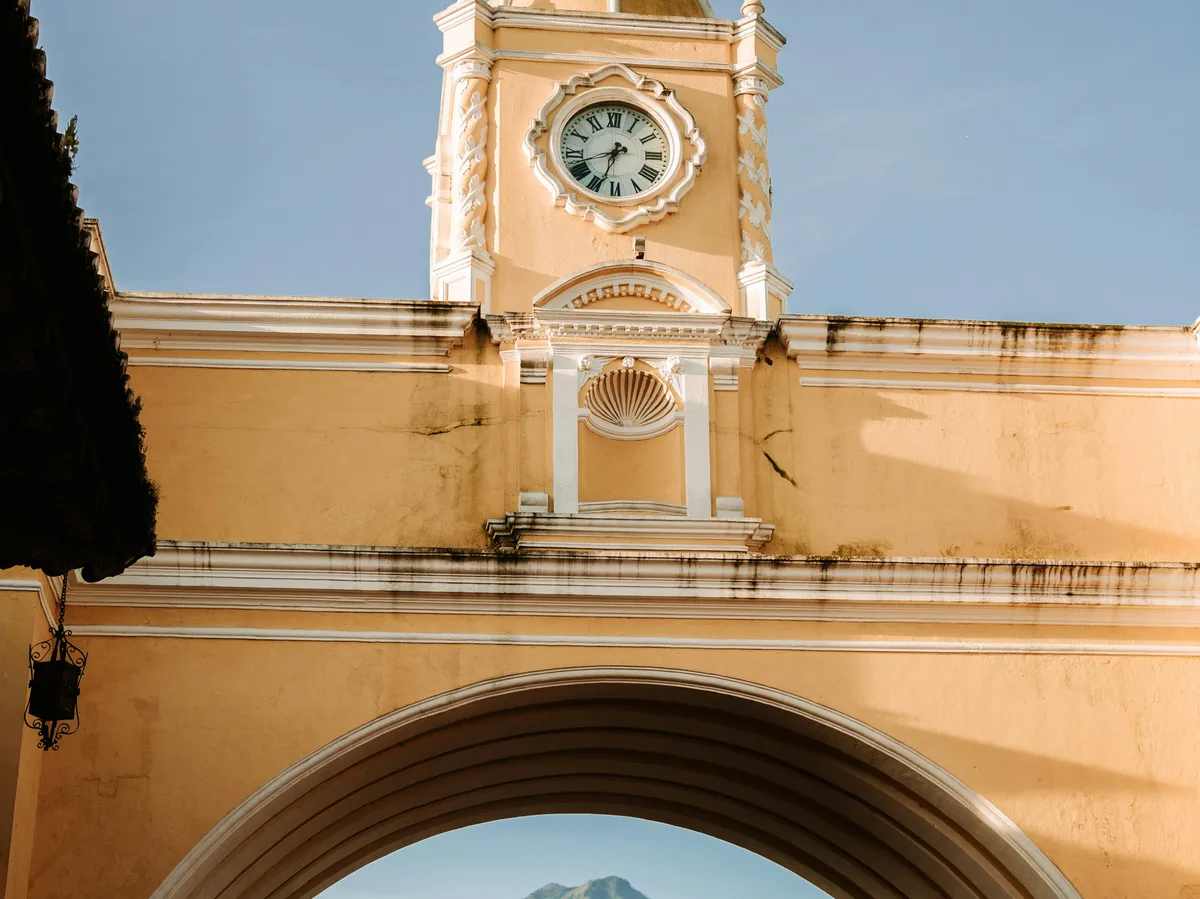
The colonial former capital of Central America, a UNESCO World Heritage Site of cobblestone streets, more than 30 monasteries and convents, and a grand cathedral, ringed by the Fuego, Agua, and Acatenango volcanoes.
 Multi-Day Tours
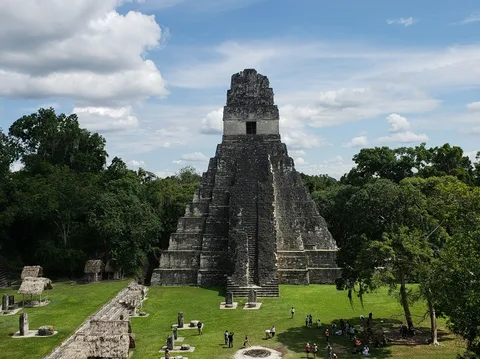
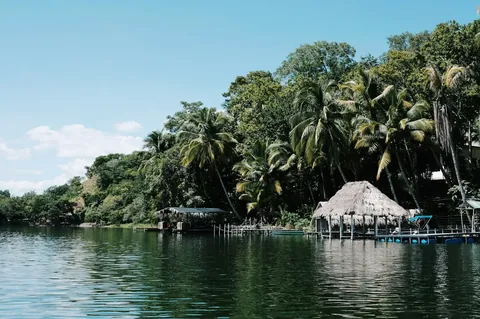
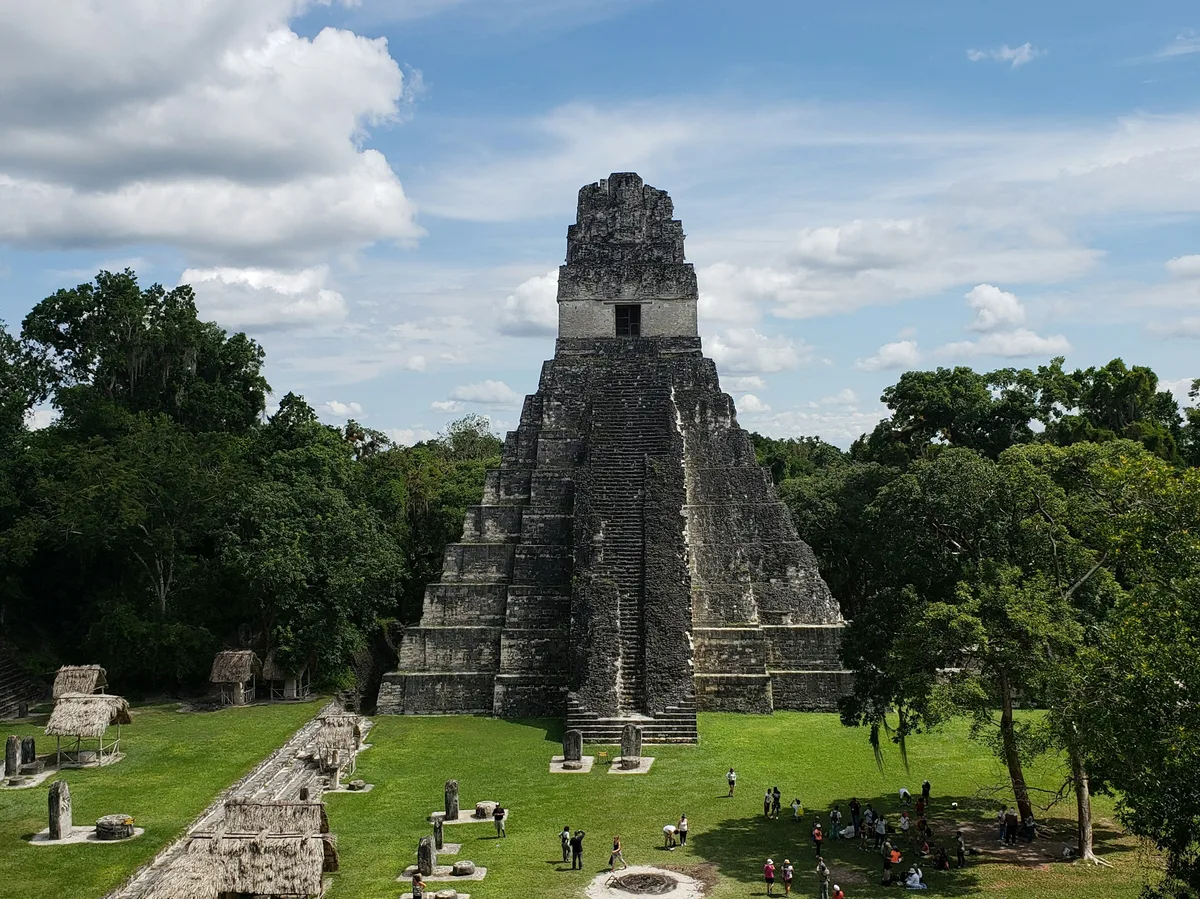
A 13-day private circuit through Guatemala's colonial towns, volcanoes, and Mayan ruins — Antigua, Lake Atitlan, Chichicastenango, Rio Dulce, and Tikal — with a one-night detour across the border to the Copan ruins in Honduras.
 Multi-Day Tours
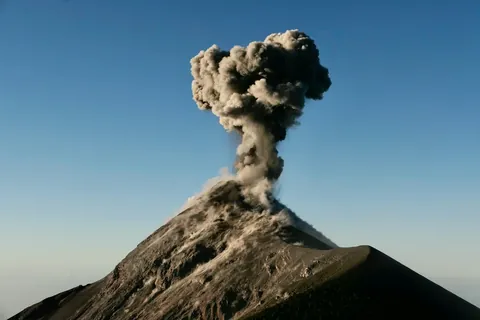
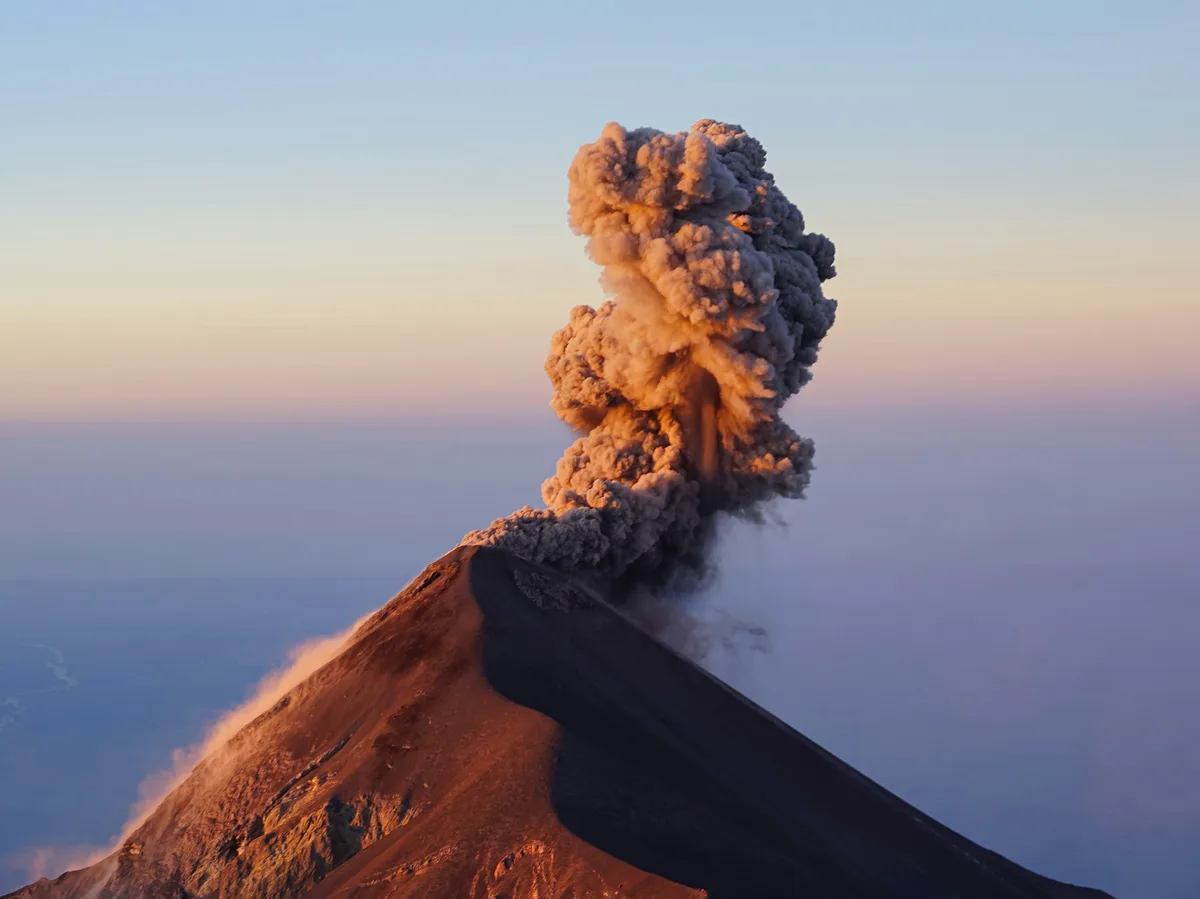
A 10-day private journey through Lake Atitlan's Mayan villages and colonial Antigua, building to an overnight camping ascent of Acatenango volcano to watch Fuego erupt, before finishing among the ancient temples of Tikal.
 Multi-Day Tours
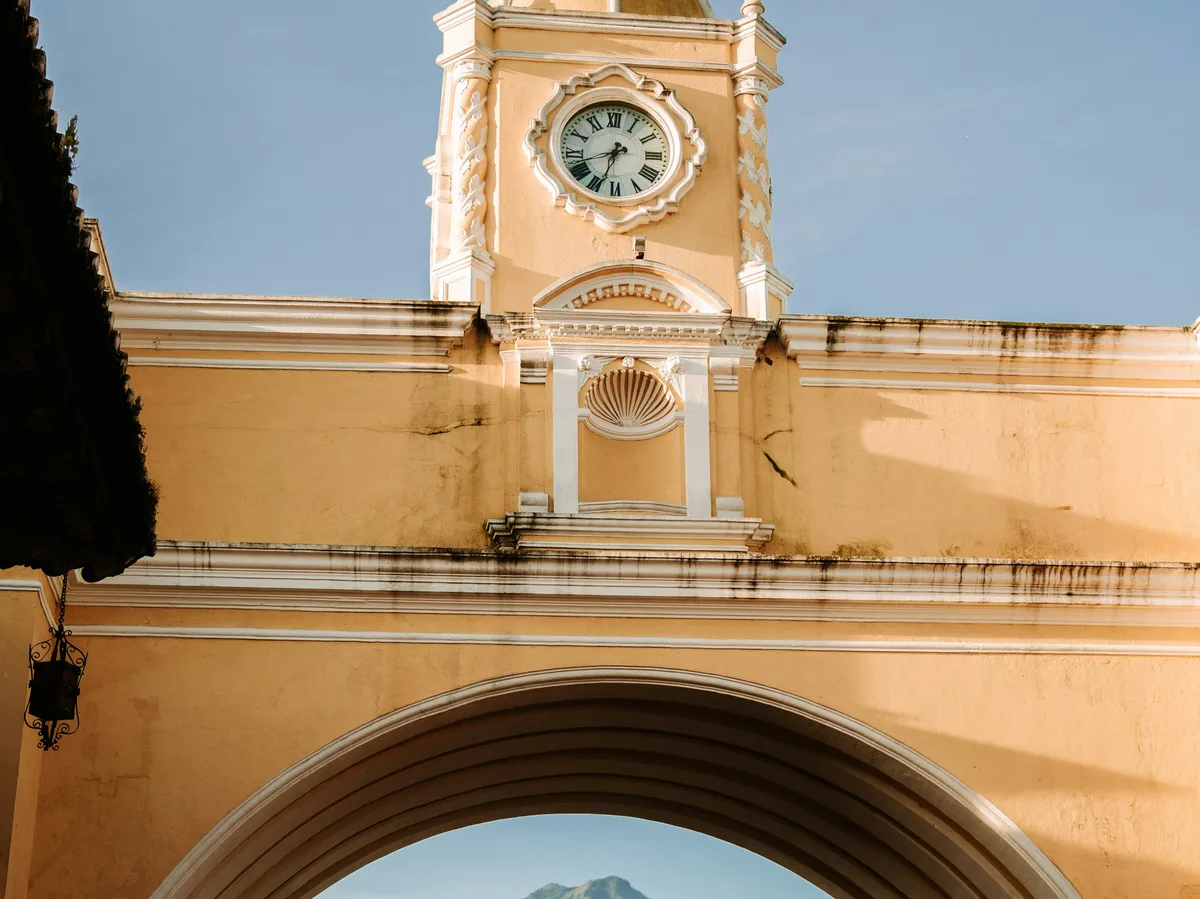
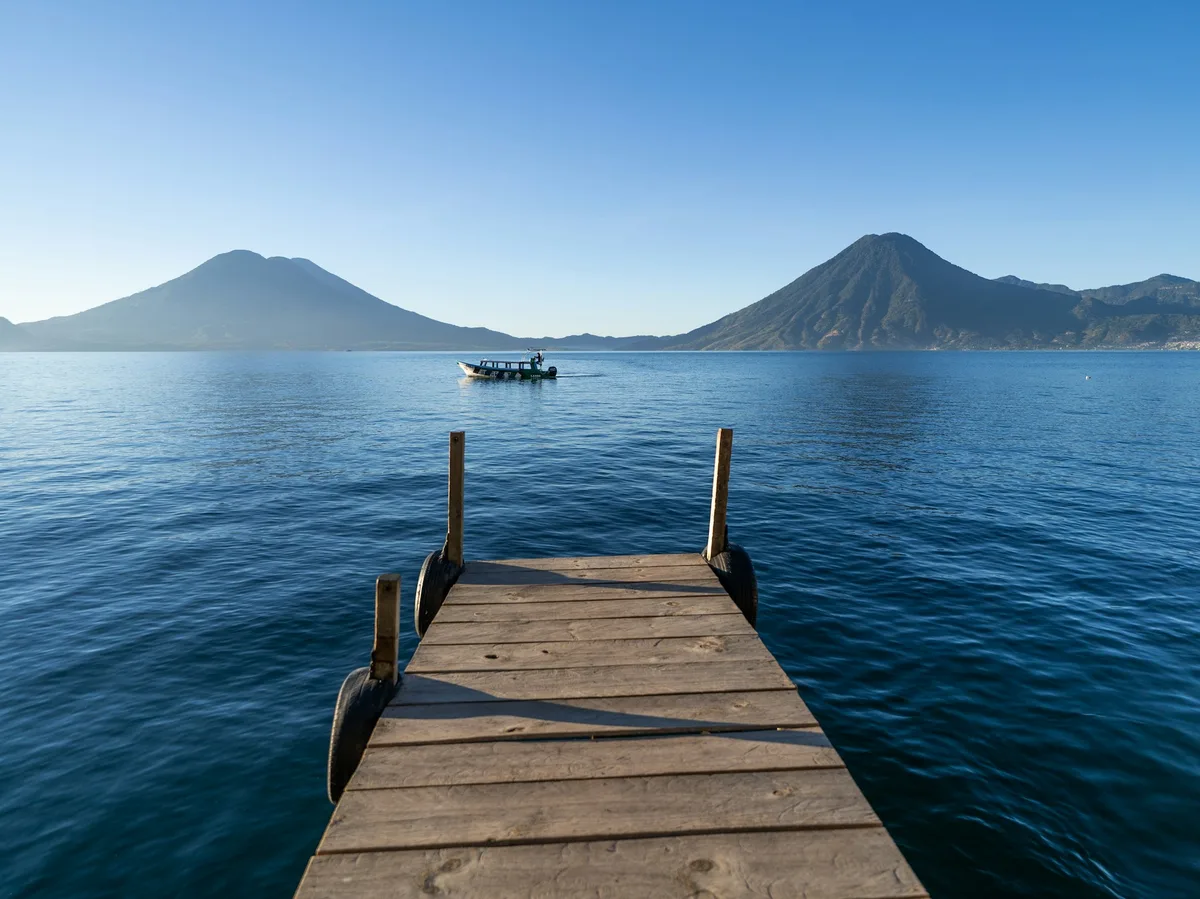
An 8-day private introduction to Guatemala in three parts — the colonial streets of Antigua, the Mayan villages of Lake Atitlan, and the jungle-clad ruins of Tikal and Yaxha in the Peten.
 Multi-Day Tours
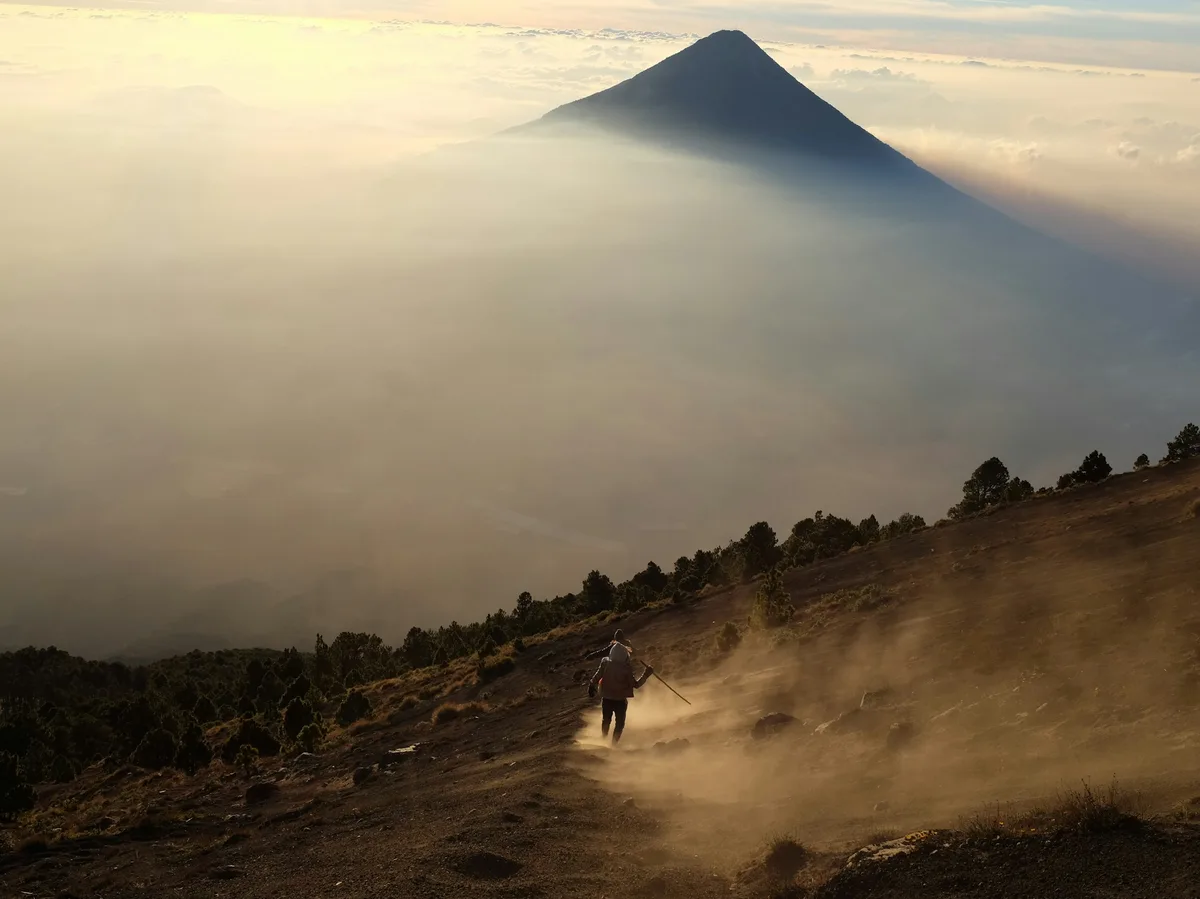
A 12-day private family itinerary through Guatemala — a chocolate workshop in Antigua, a hike up Pacaya volcano, boat trips on Lake Atitlan, a swim in the Crater Azul cenote, Tikal's jungle canopy zipline, and a private cruise along the Rio Dulce.
 Multi-Day Tours
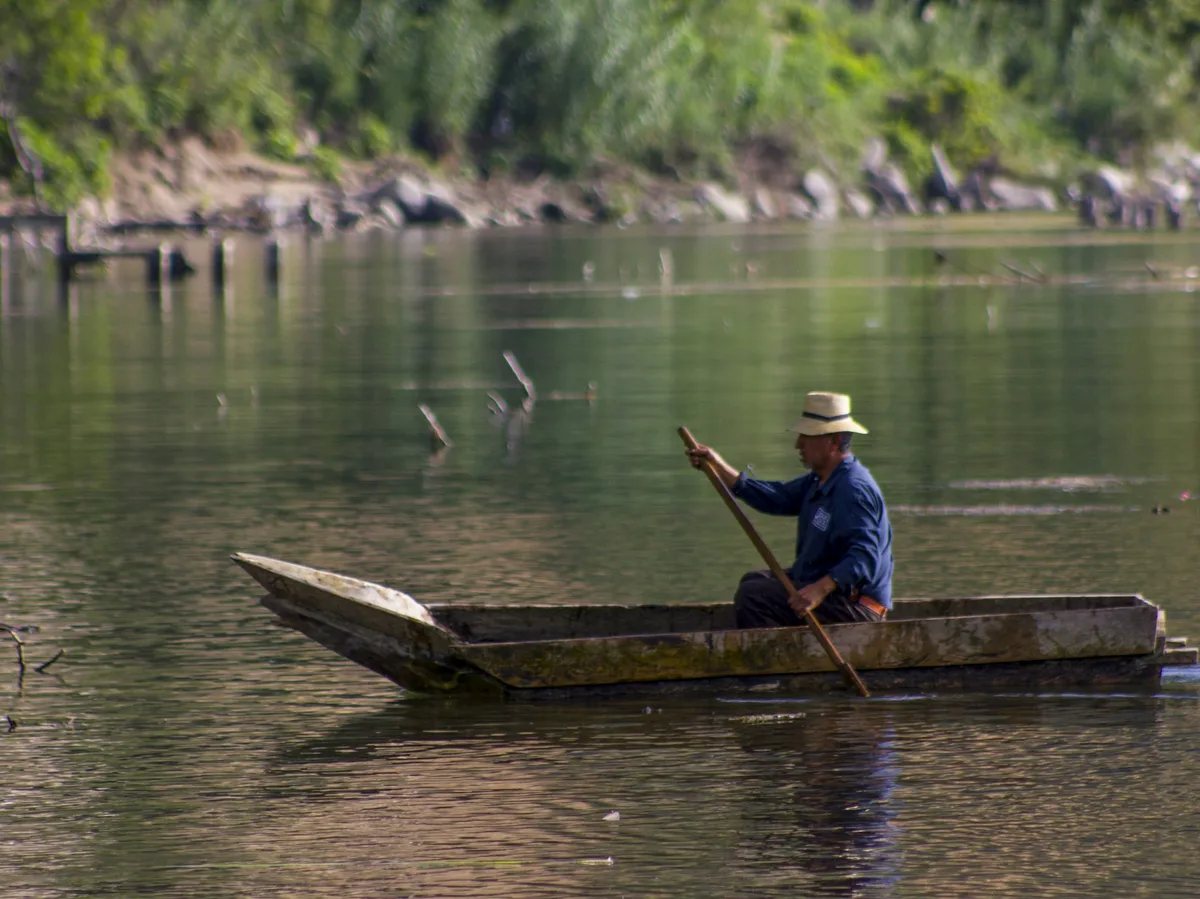
A 9-day private route through Guatemala's less-visited highlands — the crater lake of Laguna Chicabal, the remote Laguna Magdalena, the Todos Santos Cuchumatan market, and a stay at a working horse ranch, alongside classic Antigua and Lake Atitlan.
 Multi-Day Tours
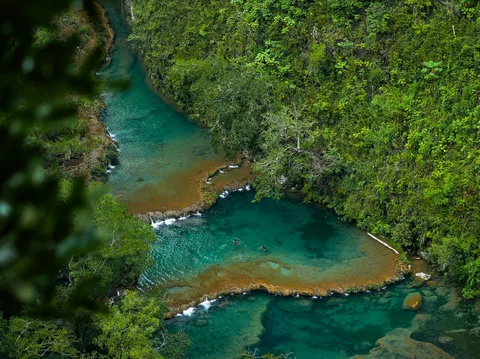
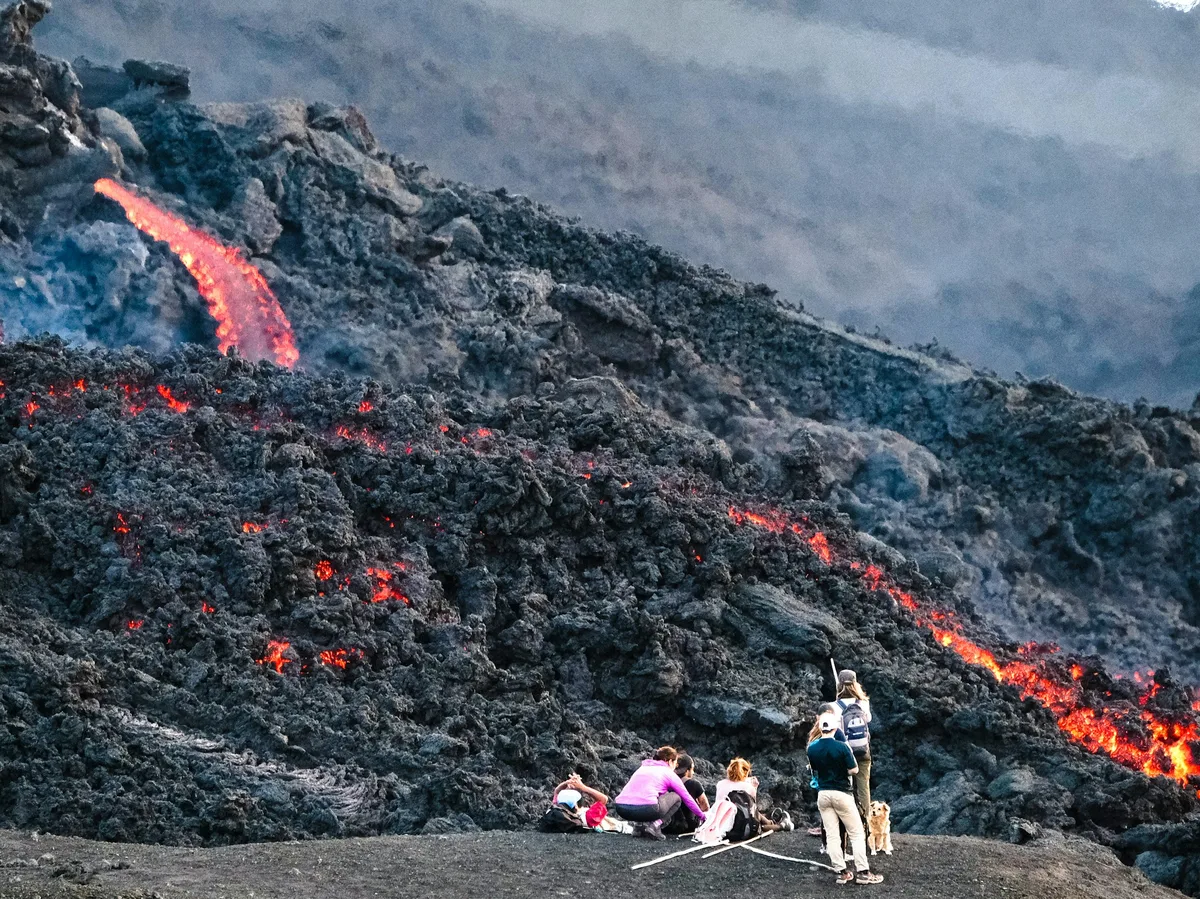
A 13-day private luxury circuit through Guatemala — Antigua and Lake Atitlan, the turquoise pools of Semuc Champey, the Candelaria Caves, the jungle fortress of Aguateca, Tikal, and a two-night eco-lodge stay on the Rio Dulce.
 Multi-Day Tours
A 6-day private trip for volcano enthusiasts — a hike up active Pacaya to roast marshmallows over volcanic heat, Mayan villages on Lake Atitlan, and an overnight camping ascent of Acatenango to watch Fuego erupt after dark.
 Multi-Day Tours
A fast-paced 5-day private trip for the active traveler — a quad-bike ride through the hills above Antigua, kayaking on Lake Atitlan, a rural lakeside walk, and a hike to the crater of Pacaya volcano.
 Multi-Day Tours
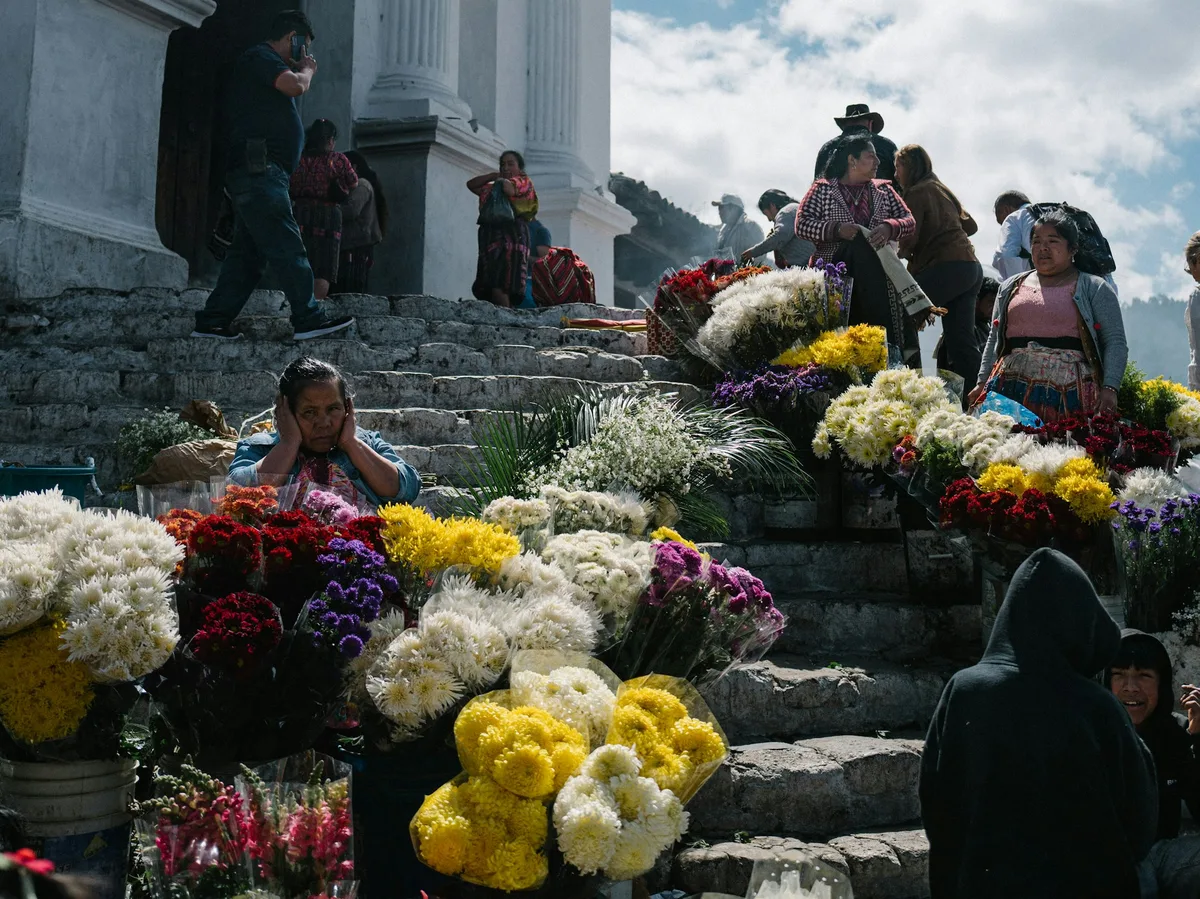
A 5-day private cultural deep-dive — a coffee cooperative near Antigua, an overnight homestay with a Tzutuhil Mayan family in San Juan La Laguna, Chichicastenango's market and a traditional Mayan ceremony, and a cooking workshop in Antigua.
Visitor guide
Antigua Guatemala is a colonial city in the highlands of Guatemala, set in a valley beneath the Agua, Fuego and Acatenango volcanoes. It served as the seat of Spanish colonial government in Central America for more than two centuries and was inscribed as a UNESCO World Heritage Site in 1979.
According to Wikipedia, the first Spanish capital, Santiago de los Caballeros de Guatemala, was founded on 25 July 1524 near the Kaqchikel Maya site of Iximche. A second capital was established in the Almolonga valley in 1527, but a lahar from the Volcan de Agua destroyed it on 11 September 1541. The present city was founded in the Panchoy Valley on 10 March 1543 and became the seat of the Captaincy General of Guatemala, whose territory extended over much of Central America.
The city grew into a centre of religion, administration and learning, with a grid of streets laid out around a central square. Its population peaked at about 65,000 in the 1770s. Earthquakes struck repeatedly, including those of 1717 and 1751, but the decisive blow came with the Santa Marta earthquakes of 1773. The Crown ordered the capital moved to the Valley of the Shrine, now Guatemala City, and the abandoned city came to be called la Antigua Guatemala, the old Guatemala.
Much of Antigua's character comes from its ecclesiastical buildings, many of them partly ruined by earthquakes. Construction of the cathedral began in 1545, and it received cathedral status in 1743. La Merced, begun in 1749 and inaugurated in 1767, is a well-known example of the ultra-Baroque style with two bell towers. The Church and Convent of the Capuchins was approved by Philip V in 1725 and consecrated in 1736. The Palace of the Captains General, begun in 1558, now houses the National Museum of Guatemalan Art, and the Fountain of the Sirens was built by Diego de Porres in 1737.
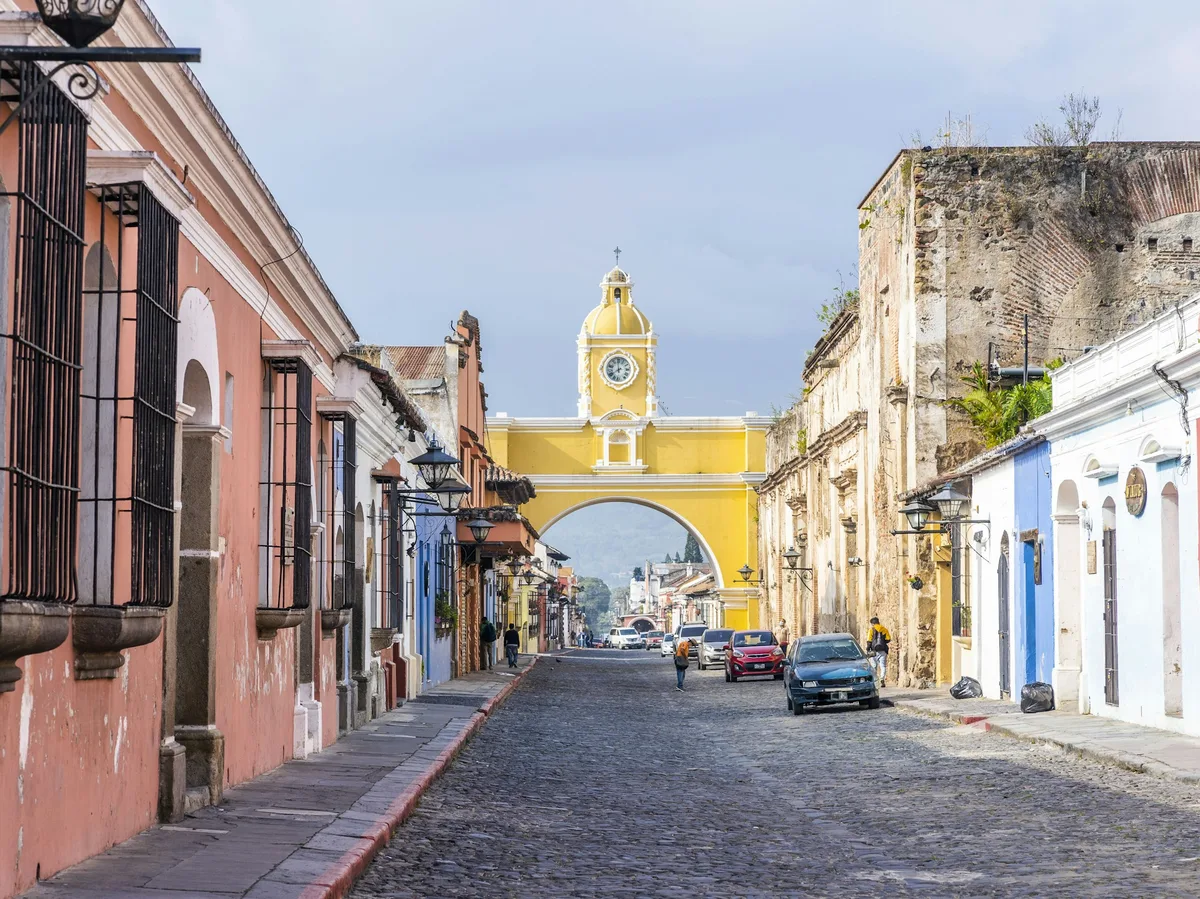
The Santa Catalina Arch, which crosses a street north of the central park, is among the most photographed landmarks. Antigua's architecture is described as Baroque-influenced, though the Escuela de Cristo has a Renaissance-style stone facade that differs from most other churches in the city.
UNESCO inscribed Antigua Guatemala in 1979, as site number 65, under cultural criteria ii, iii and iv. The city lies at about 1,545 metres above sea level and has a subtropical highland climate. Tourism is its main economic driver, and language schools drawing students from Europe, Asia and North America are another significant industry. The surrounding valley is also a recognised coffee-producing region.
Holy Week, or Semana Santa, is the city's best-known annual event. Processions begin on the Sundays of Lent and continue through Good Friday, and streets are decorated with carpets made of dyed sawdust, flowers, pine needles and sometimes fruit and vegetables.
The Volcan de Agua rises to about 3,766 metres south of the city. Acatenango reaches 3,976 metres and last erupted in 1972, while the Volcan de Fuego, at about 3,763 metres, is almost constantly active, with a larger eruption in September 2012. The city's cobblestone streets, low buildings and mountain views make it well suited to a relaxed guided walk, and a private tour can combine the main churches with a coffee farm or a viewpoint outside town.
See every tour and attraction we cover in Guatemala.