TorontoOntario · 36 tours
 Niagara FallsOntario · 25 tours
 New York CityNew York · 30 tours
 Las VegasNevada · 8 tours
 San FranciscoCalifornia · 16 tours
 VancouverBritish Columbia · 17 tours
 DubaiUAE · 54 tours
 Abu DhabiUAE · 5 tours
 Buenos AiresArgentina · 23 tours
 AthensGreece · 31 tours
 AucklandNew Zealand · 38 tours
 CancunMexico · 54 tours
No destinations match “”. Try searching all tours instead — that search understands full questions, not just place names.
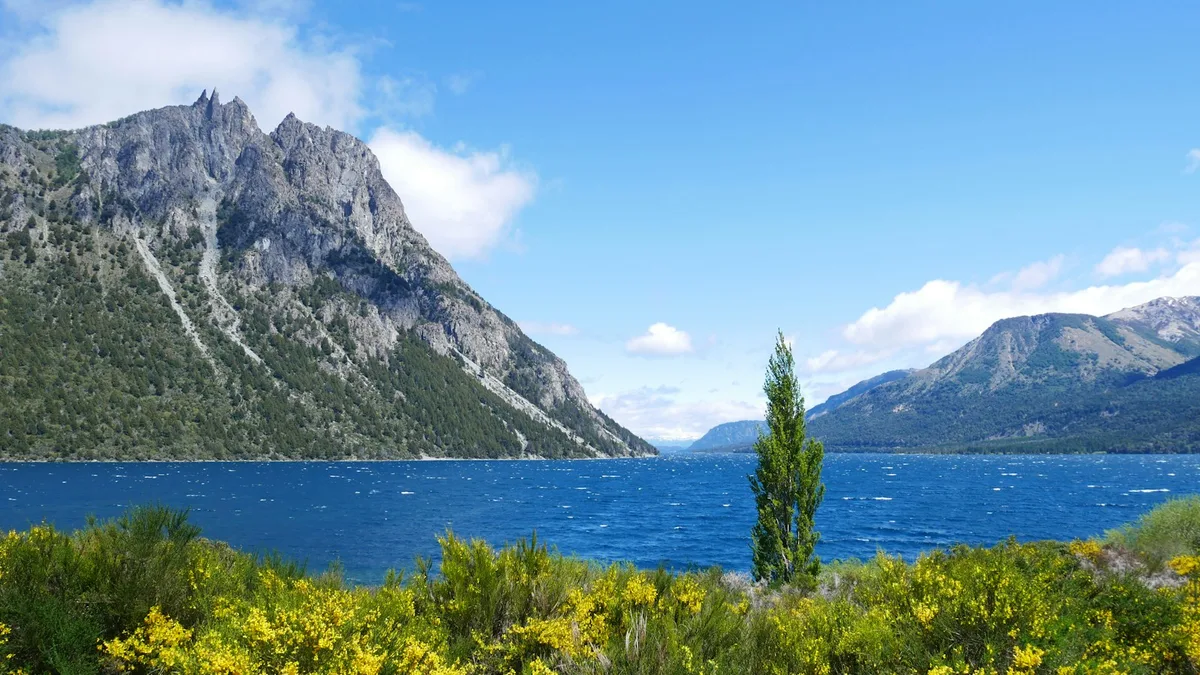
A Swiss-styled lake town in Argentina's Lake District, set on the shore of Nahuel Huapi Lake with the Circuito Chico drive looping past forested peaks and smaller lakes.
 Multi-Day Tours
A 19-day private odyssey across Argentina — Buenos Aires, Iguazu Falls, Bariloche's Lake District, glacier trekking in El Chaltén and El Calafate, and Ushuaia's Beagle Channel.
 Multi-Day Tours
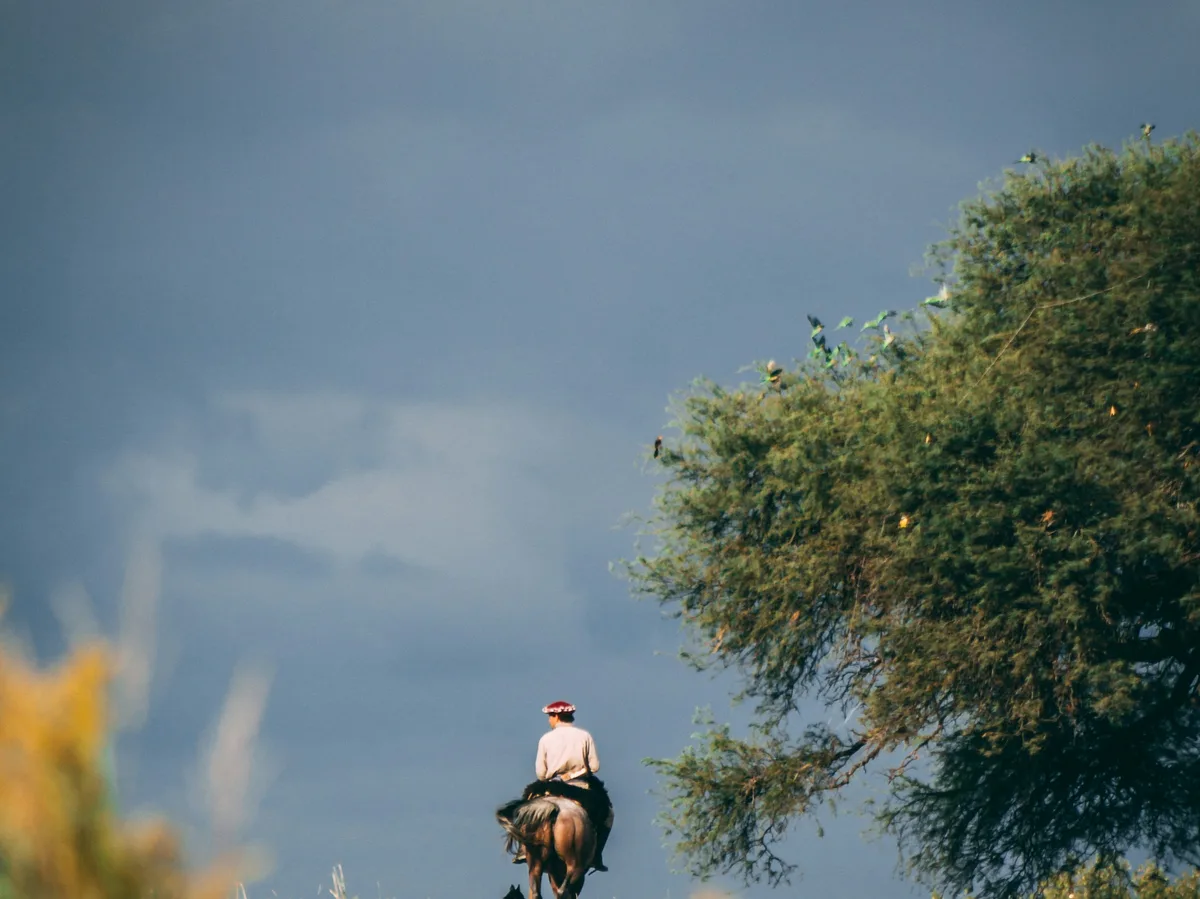
A 15-day private tour into Argentina's gaucho culture — horseback riding through the Pampas near San Antonio de Areco, then the Andes and Patagonia's Great Lakes on horseback.
Visitor guide
San Carlos de Bariloche, usually called Bariloche, is a lake and mountain city on the southern shore of Nahuel Huapi Lake in Río Negro Province, Argentina. It is the gateway to Nahuel Huapi National Park and the Argentine Lake District, and is known for its Alpine-style architecture, chocolate shops and mountain scenery.
Wikipedia describes Bariloche as the largest city in the Patagonian Andes, with a population of 135,755 in the 2022 census, and as the most popular city in Patagonia. Its economy rests heavily on tourism, with skiing in winter and water sports and hiking in summer. The name comes from the Mapudungun word Vuriloche, meaning people from behind the mountain. The city is nicknamed the Chocolate Capital and the Honeymoon Capital of Argentina, and in 2012 the Argentine Congress declared it the National Capital of Adventure Tourism.
The lake covers about 530 square kilometres at an elevation of around 770 m and has a maximum measured depth of 464 m. It has a complex shape with seven branches, several peninsulas and islands, the best known being Isla Victoria. Its name comes from Mapudungun words commonly translated as puma island. The lake basin was filled by a glacier during the last glacial maximum, and its clear water is cold, with an average surface temperature of about 7 degrees Celsius according to Wikipedia.
Spanish and Jesuit explorers reached the lake from Chile as early as the 1550s and 1650s, and Jesuit missions were established on its shores in the 17th and 18th centuries before the Jesuits were expelled in 1767. In the 1870s and 1880s the explorer Francisco Moreno, known as Perito Moreno, helped secure Argentine sovereignty over the area, and in 1903 he donated land to the federal government and proposed a national park.
Nahuel Huapi National Park, created in 1922 and given its present name in 1934, is described by Wikipedia as the oldest national park in Argentina. It covers about 7,050 square kilometres of Andean peaks, lakes, rivers, glaciers and forests. After the railway reached Bariloche in 1934, the National Parks Directorate guided the town's development, and architect Alejandro Bustillo helped shape its Alpine-influenced look, including the Llao Llao hotel.
The Argentine Lake District around the city includes Lakes Gutiérrez, Mascardi, Traful and Moreno. Cerro Catedral, a peak of about 2,388 m, is the site of the main ski resort, and Cerro Tronador, on the Chilean border, is the highest mountain in the park at about 3,491 m by Wikipedia's figure. Weather can shift quickly between lake and summit, so layers are advisable. A private guided visit suits the area because the lake, viewpoints and mountain sites are spread across a wide loop of roads.
See every tour and attraction we cover in Argentina.