TorontoOntario · 36 tours
 Niagara FallsOntario · 25 tours
 New York CityNew York · 30 tours
 Las VegasNevada · 8 tours
 San FranciscoCalifornia · 16 tours
 VancouverBritish Columbia · 17 tours
 DubaiUAE · 54 tours
 Abu DhabiUAE · 5 tours
 Buenos AiresArgentina · 23 tours
 AthensGreece · 31 tours
 AucklandNew Zealand · 38 tours
 CancunMexico · 54 tours
No destinations match “”. Try searching all tours instead — that search understands full questions, not just place names.
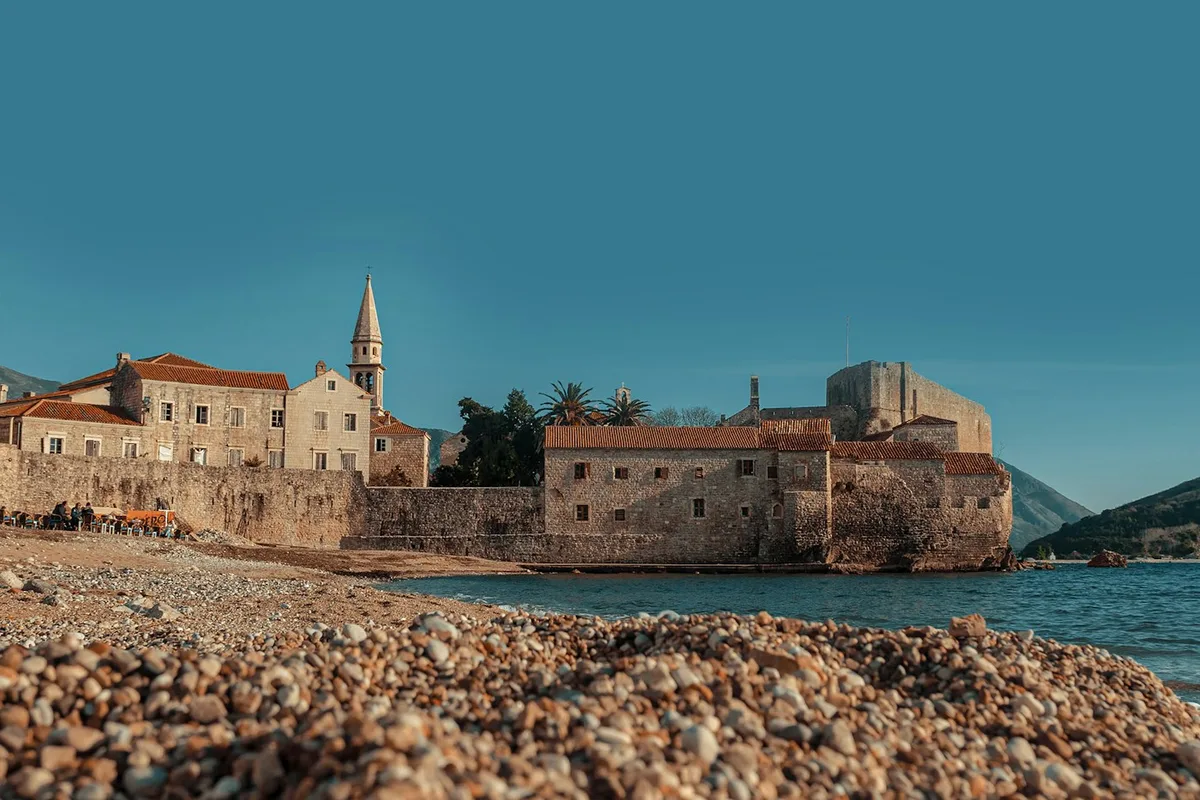
One of the oldest settlements on the Adriatic, its walled old town of narrow stone lanes sitting right on the water, backed by a lively modern beach resort strip.
 Multi-Day Tours
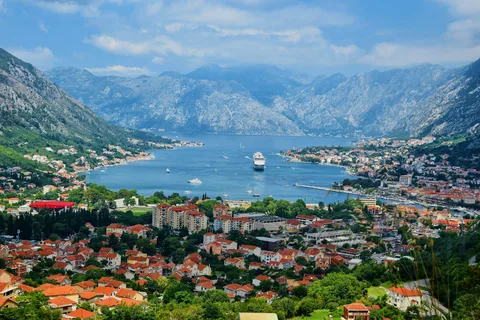
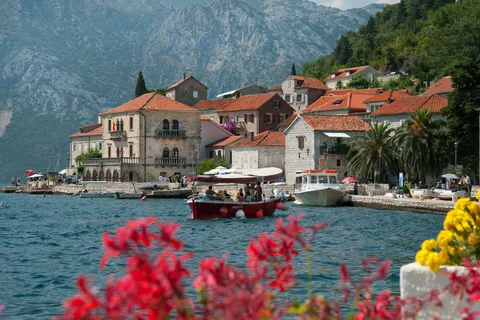
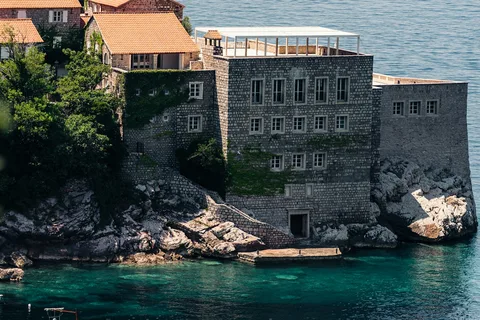
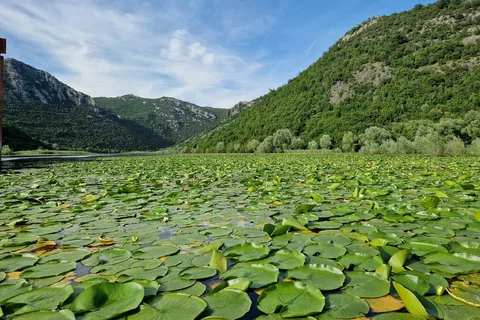
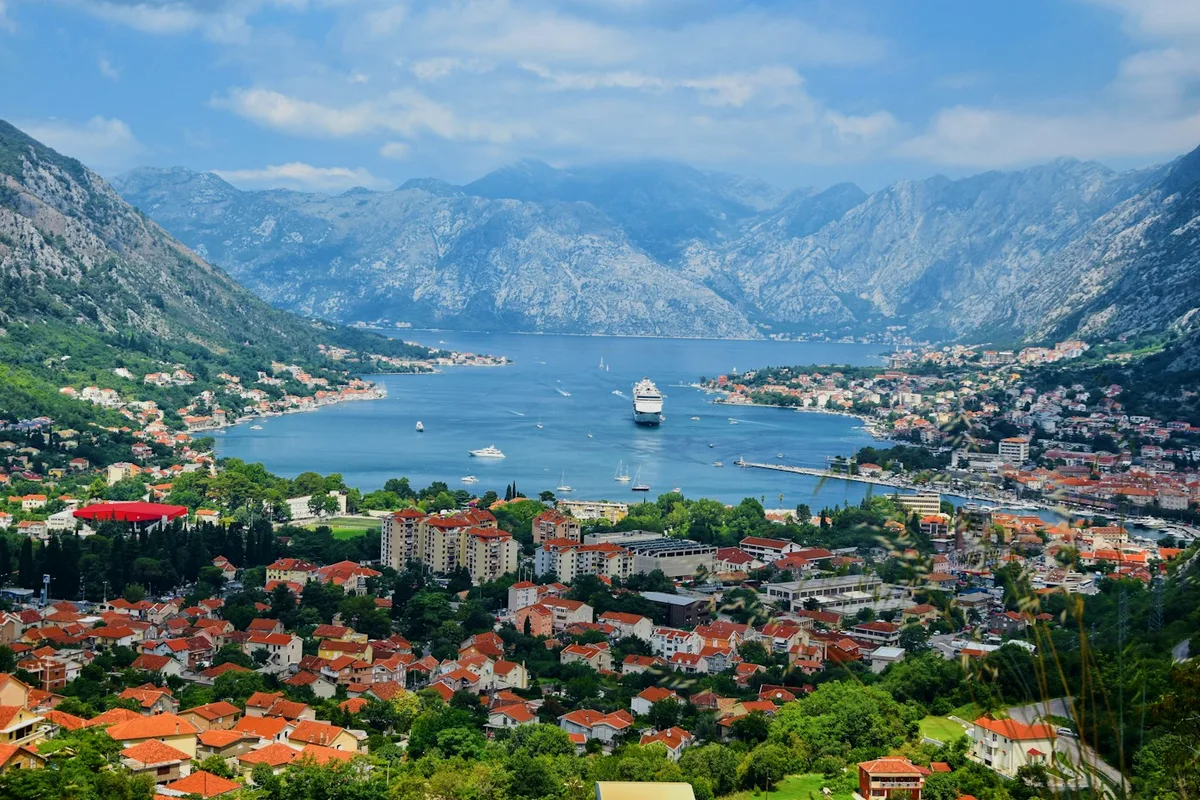
Adapted from a self-drive itinerary — Voyzo runs this route with your own private driver and vehicle instead of a rental car. An 8-day coastal loop from Kotor to Perast, Sveti Stefan, Ulcinj, Lake Skadar and Budva, with old royal Cetinje along the way.
 Multi-Day Tours
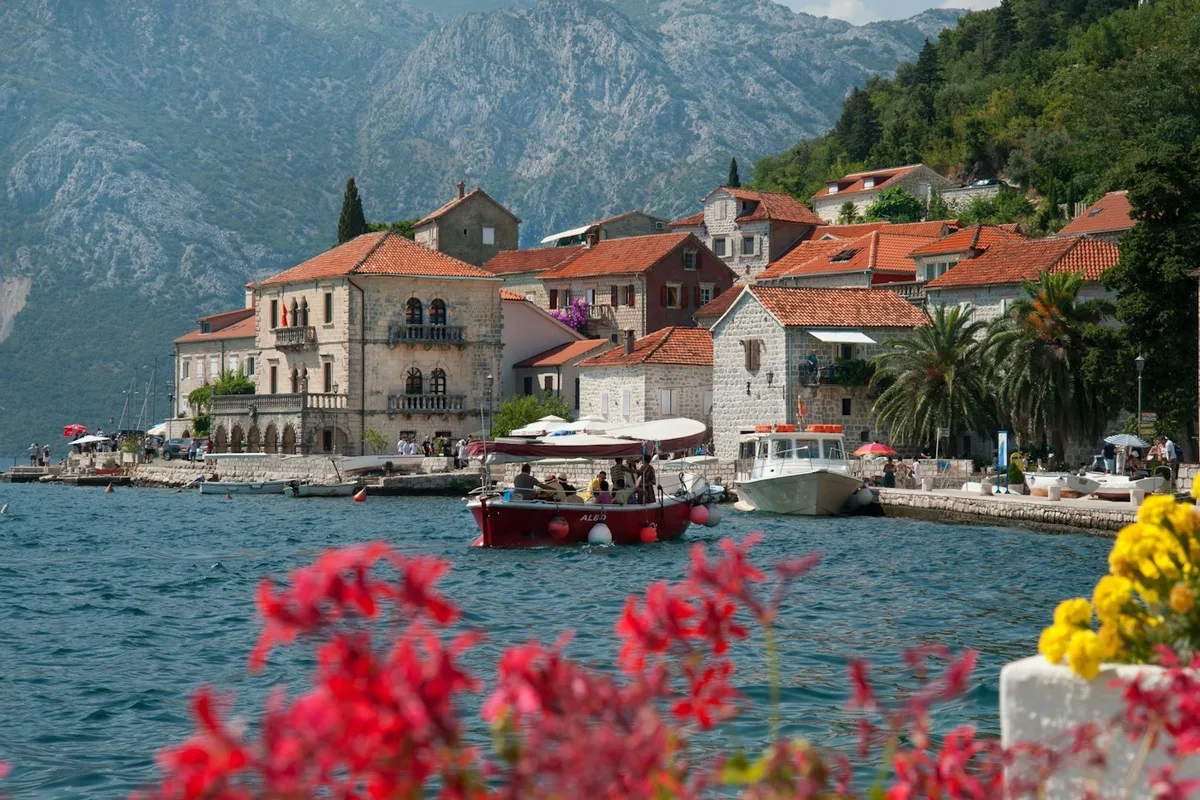
A 5-day city break based in Montenegro's capital — Podgorica sightseeing, the Ostrog Monastery, former royal capital Cetinje, Budva's Old Town, and a day exploring Kotor and Perast on the Bay of Kotor.
 Multi-Day Tours
An 8-day loop pairing Montenegro's mountains and coast — Biogradska Gora's primary forest, Black Lake above Žabljak, the cliffside Ostrog Monastery, Kotor Bay, and beach time in Budva and Sveti Stefan.
 Multi-Day Tours
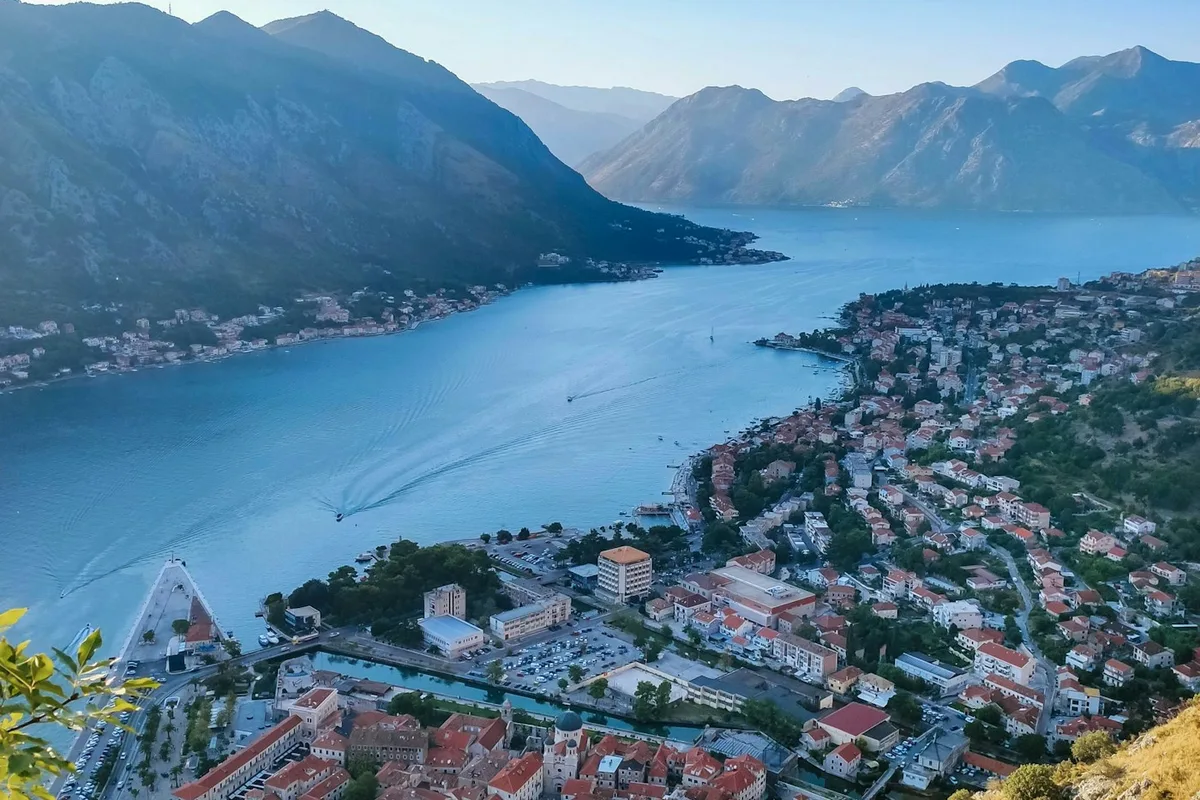
An 8-day tour from the Bay of Kotor to the Durmitor mountains — a Kotor Bay boat cruise, a hike to the Lovćen mausoleum, horseback riding near Žabljak, white-water rafting the Tara Canyon, and kayaking Lake Skadar.
Visitor guide
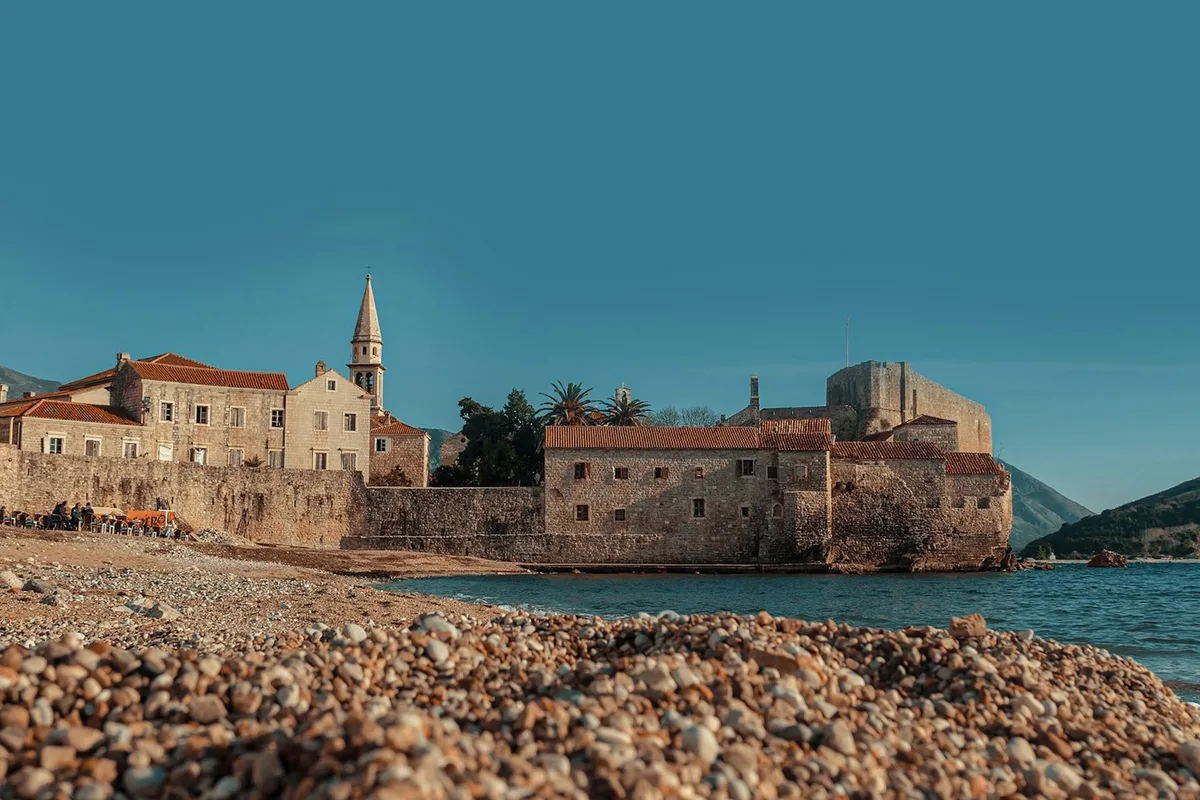
Budva Old Town is the walled historic core of Budva, a resort town on Montenegro's Adriatic coast. Wikipedia describes the town as about 2,500 years old, which makes it one of the oldest settlements on the Adriatic coast, and its stone lanes are enclosed by Venetian-era walls and a citadel at the southern tip.
Budva's first recorded mention dates to the 5th century BC, when the site belonged to the Illyrian state, and archaeological evidence suggests an Illyrian settlement stood on the Old Town site before Greek colonisation. A Greek trading post was established in the 6th century BC, when the town was known in Greek as Bouthoe, and it later became Budua in Latin and Italian. A legend says the town was founded by Cadmus, the founder of Thebes, who sheltered there with his wife Harmonia. The area passed to the Roman Republic in the 2nd century BC and the Roman Empire from 27 BC.
In the 6th century Budva belonged to the Byzantine Empire, and Saracen raiders sacked the town in 841. Around 1200 it became the seat of a Roman Catholic diocese, which lasted until 1828. Venetian rule from 1420 to 1797 left the most visible mark on the Old Town, and Venice fortified it with strong walls against Ottoman expansion. Most of the surviving walls and buildings date from this era. Ottoman forces held the town briefly in 1572 and 1573. After Venice fell, Budva passed to the Habsburg monarchy and remained under Austria-Hungary until 1918.
The whole Old Town is enclosed by stone walls with towers, embrasures, fortified gates and a citadel. The main entrance is the Porta di Terra Ferma on the west side, which opens onto Njegoseva Street, and the walled city is now pedestrian-only. The citadel at the southern tip was originally called the Castle of St Mary and was rebuilt and expanded throughout the Middle Ages, with its final form dating to Austro-Hungarian rule. Its sea-facing ramparts are about 160 metres long.
The square north of the citadel holds several churches: St Ivan, or St John, whose date is given differently by different sources; Santa Maria in Punta, traditionally dated to the 9th century (a plaque bearing 840 AD is debated); St Sava Orthodox Church from the 12th century; and the Holy Trinity Orthodox Church from 1804. A catastrophic earthquake on 15 April 1979 devastated much of the Old Town, and repair and reconstruction took eight years, until 1987, restoring almost all buildings to their original form.
Theatre City, founded in 1987 and held each summer, turns the Old Town into an open-air venue for theatre, music, literary and visual arts, and the Budva Carnival has been organised since 2003. The coastal area around Budva, known as the Budva Riviera, is the centre of Montenegrin tourism, with beaches such as Mogren, Slovenska Plaza, Jaz and Becici. A private guided tour with a driver can combine the Old Town with Sveti Stefan and the coast.
See every tour and attraction we cover in Montenegro.