TorontoOntario · 36 tours
 Niagara FallsOntario · 25 tours
 New York CityNew York · 30 tours
 Las VegasNevada · 8 tours
 San FranciscoCalifornia · 16 tours
 VancouverBritish Columbia · 17 tours
 DubaiUAE · 54 tours
 Abu DhabiUAE · 5 tours
 Buenos AiresArgentina · 23 tours
 AthensGreece · 31 tours
 AucklandNew Zealand · 38 tours
 CancunMexico · 54 tours
No destinations match “”. Try searching all tours instead — that search understands full questions, not just place names.
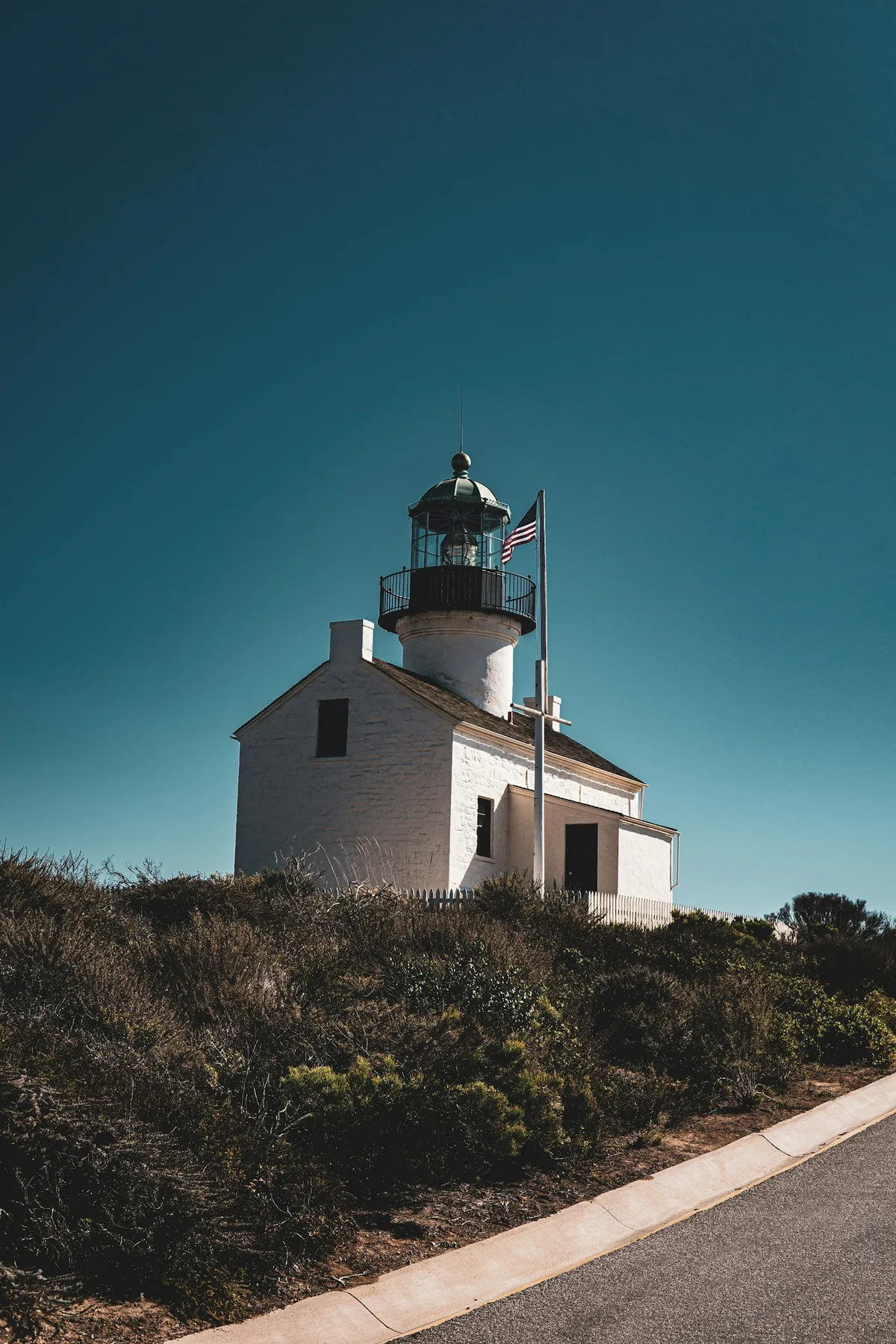
A Point Loma headland with sweeping Pacific views and the historic Old Point Loma Lighthouse.
Visitor guide
Cabrillo National Monument occupies the tip of the Point Loma peninsula, about 160 acres overlooking San Diego Bay and the Pacific Ocean. It commemorates Juan Rodriguez Cabrillo, who landed at San Diego Bay in 1542 and is described as the first European to land on the U.S. West Coast.
Cabrillo, sailing for Spain, reached the bay on September 28, 1542. President Woodrow Wilson set aside a half-acre of Fort Rosecrans as a national monument on October 14, 1913, and it was later enlarged by presidential proclamations, including Gerald Ford's in 1974. The monument was added to the National Register of Historic Places in 1966. Because the southern end of Point Loma was a military reservation, the monument was closed to the public during World War II, and former coastal artillery batteries remain.
The Cabrillo statue is a 14-foot sandstone figure by sculptor Alvaro de Bree, which the National Park Service says was donated to San Francisco in 1939 for the Golden Gate International Exposition before it ended up at the monument. After years in storage it was installed at the monument in 1949. Weathering damaged it badly, and a replica carved from a more weather-resistant stone replaced it in 1988.
The lighthouse was built between 1854 and 1855 and was first lit on November 15, 1855. Its position, about 422 feet above sea level, was also the problem: fog often obscured the light. It was extinguished on March 23, 1891, when the New Point Loma lighthouse took over from a lower site. The National Park Service relit the old lamp in 1984 to mark the site's 130th anniversary. The tower and keepers' quarters now serve as a museum.
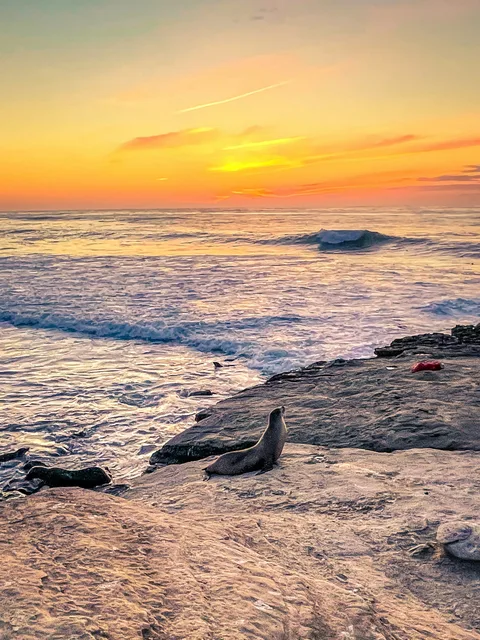
The monument protects a remnant of coastal sage scrub, a habitat the park describes as among the rarest in the world, and it also has rocky tide pools. The Bayside Trail runs through the scrub. The park advises visiting tide pools when low tides are negative one or lower during daylight, often in late fall and winter. Gray whales pass Point Loma from December through March on their migration between the Arctic and Baja California. The Whale Overlook, established in 1950, has been described as the first public whale-watching lookout in the world, and rangers offer interpretive programs. The site lies on the Pacific Flyway, so migratory and resident birds are common.
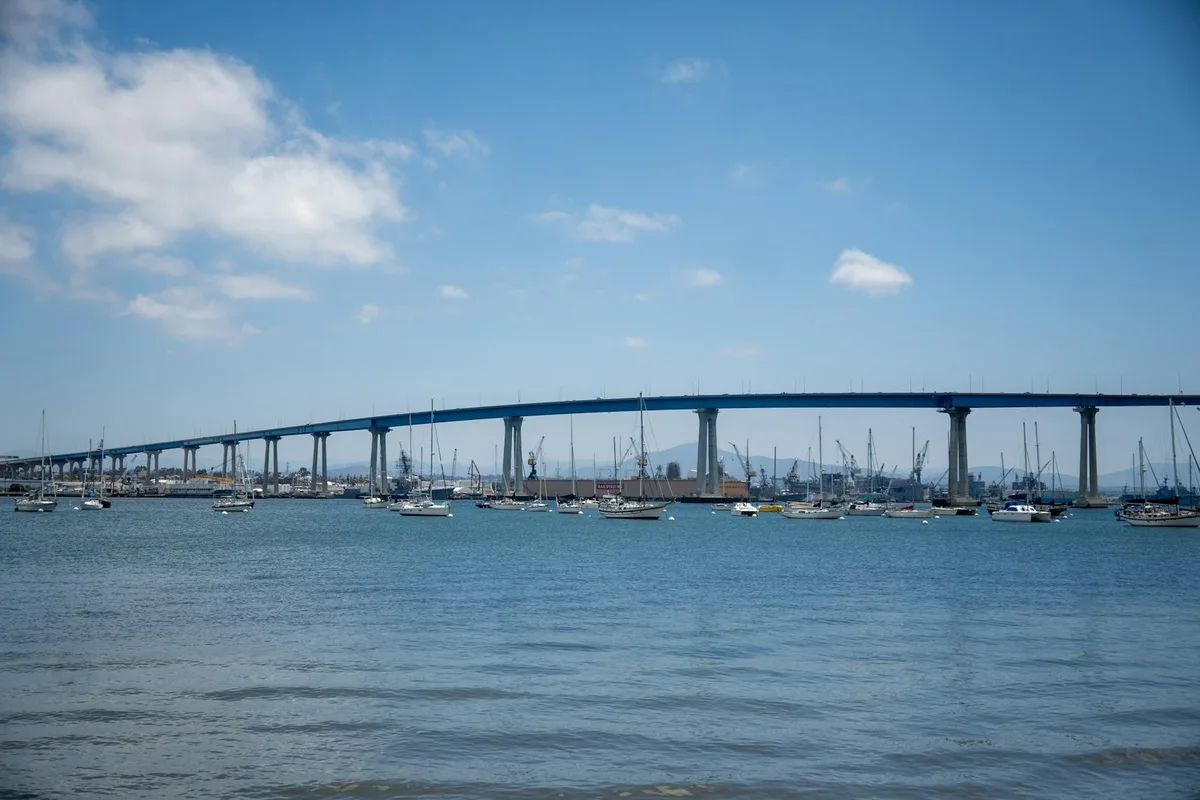
Point Loma's Sunset Cliffs and Shelter Island are close, Old Town San Diego and Downtown are a short drive away, and the bay views from the monument look toward Coronado and North Island.
See every tour and attraction we cover in San Diego.