TorontoOntario · 36 tours
 Niagara FallsOntario · 25 tours
 New York CityNew York · 30 tours
 Las VegasNevada · 8 tours
 San FranciscoCalifornia · 16 tours
 VancouverBritish Columbia · 17 tours
 DubaiUAE · 54 tours
 Abu DhabiUAE · 5 tours
 Buenos AiresArgentina · 23 tours
 AthensGreece · 31 tours
 AucklandNew Zealand · 38 tours
 CancunMexico · 54 tours
No destinations match “”. Try searching all tours instead — that search understands full questions, not just place names.
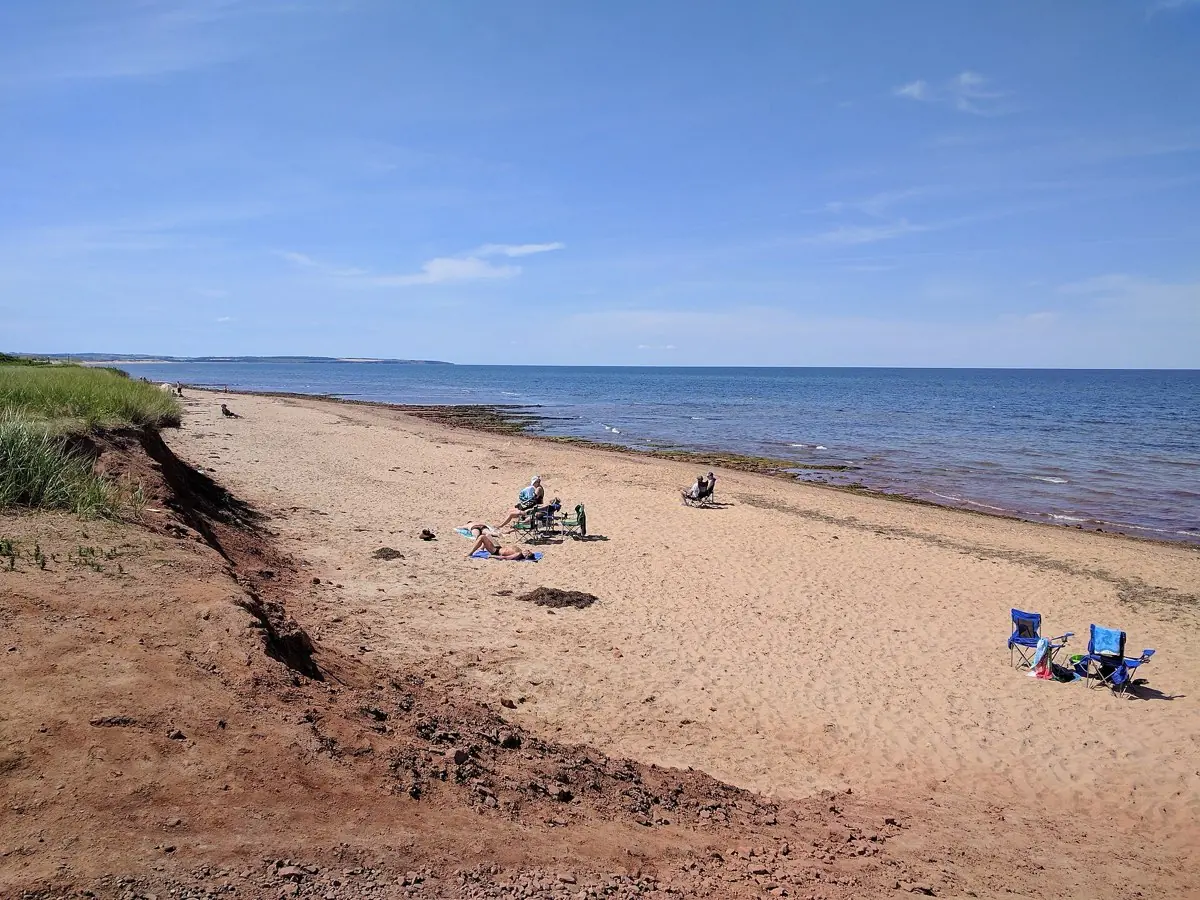
A red-sand beach on PEI's north shore, part of Prince Edward Island National Park.
Visitor guide
Cavendish Beach is a broad sandy beach on Prince Edward Island's north shore, fronting the Gulf of St. Lawrence and lying entirely within Prince Edward Island National Park. Wikipedia describes it as about 8 km long, running from the entrance to New London Bay in the west to red sandstone cliffs at Cavendish East.
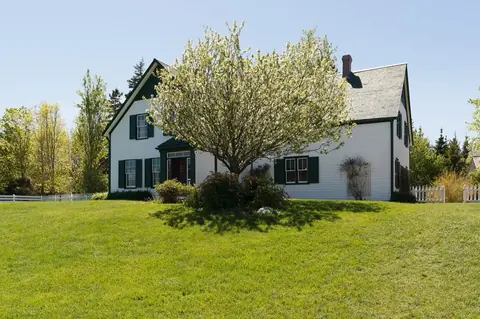
Prince Edward Island National Park was established in 1937 and is managed by Parks Canada as an IUCN Category II park. Wikipedia gives its area as about 27 square kilometres and says it stretches roughly 60 km along the north shore, but Parks Canada's 2017 management plan describes it as approximately 22.2 square kilometres (with another 13.3 square kilometres of adjacent federal Crown land) extending about 40 km between Cavendish and Blooming Point, plus the separate Greenwich section. It protects beaches, sand dune systems, freshwater wetlands and salt marshes, and a major dune system at Greenwich was added in 1998. Its Cavendish section is near the L.M. Montgomery sites that inspired Anne of Green Gables, and the park includes the Green Gables farm itself.
Wikipedia says three Scottish families, the MacNeills, Clarks and Simpsons, founded Cavendish in 1790, and that for much of the 1800s and early 1900s it was a small farming community with no harbour. Montgomery's fame drew visitors, and car travel and the creation of the national park in 1937 helped turn it into the island's largest seasonal resort area. Motels, campgrounds, amusement parks, shops and restaurants followed from the 1950s through the 1990s, and Wikipedia estimates the community averages about 7,500 people a day in July and August.
Before Montgomery, Cavendish's best-known event was the 1883 grounding of the clipper Marco Polo on the beach. Built in Saint John, New Brunswick, in 1851, she had become a celebrated passenger ship on the England to Australia run, and sources credit her with a record-fast voyage. By the 1880s her hull was badly worn, and in July 1883, carrying lumber from Quebec, she took on water in a gale in the Gulf of St. Lawrence. Her captain ran her ashore at Cavendish to save the crew and cargo, and later storms broke the ship apart. Sources give July 22 or 25 for the date, and many local claims of relics from the wreck are unverified. Divers located remains in 1962, and the figurehead is held by the New Brunswick Museum.
Cavendish Spit is a barrier beach that shelters the mouth of New London Bay. Main Beach is the most accessible section, with parking, changing rooms, washrooms and a canteen, and a boardwalk crosses the dunes fringing the beach. Campground Beach lies near the park campground. Marram grass holds the dunes together, which is why visitors are asked to stay on the boardwalks and paths.
The red colour of the soil and cliffs on the island comes from iron-rich sandstone, which gives the shoreline its distinctive look. The sources used here did not explain the rock's age.
The beach has piping plover nesting areas, and the species is endangered. The park is a recognized Important Bird Area, and portions of beach can be temporarily closed during nesting season. Wikipedia lists coyotes, red foxes, raccoons, beavers and mink among the park's mammals, and herons, ducks, owls, sandpipers, hawks and eagles among its birds. Pets are restricted on park beaches for part of the year, according to a tourism summary. Wikipedia notes that winter storms cause severe coastal erosion and that the Canadian Nature Federation in 1999 ranked the park as highly endangered by human impact.
Parks Canada posts daily conditions at beach entrances. Lifeguard coverage, season dates, fees and access rules change, so check Parks Canada before you go.
Green Gables Heritage Place and the Cavendish resort area are a short drive away, and the rest of the national park's coastline runs east towards Rustico and Brackley.
On a private tour, your driver can combine Cavendish Beach with Green Gables and other north-shore stops at your own pace.
See every tour and attraction we cover in Charlottetown.