TorontoOntario · 36 tours
 Niagara FallsOntario · 25 tours
 New York CityNew York · 30 tours
 Las VegasNevada · 8 tours
 San FranciscoCalifornia · 16 tours
 VancouverBritish Columbia · 17 tours
 DubaiUAE · 54 tours
 Abu DhabiUAE · 5 tours
 Buenos AiresArgentina · 23 tours
 AthensGreece · 31 tours
 AucklandNew Zealand · 38 tours
 CancunMexico · 54 tours
No destinations match “”. Try searching all tours instead — that search understands full questions, not just place names.
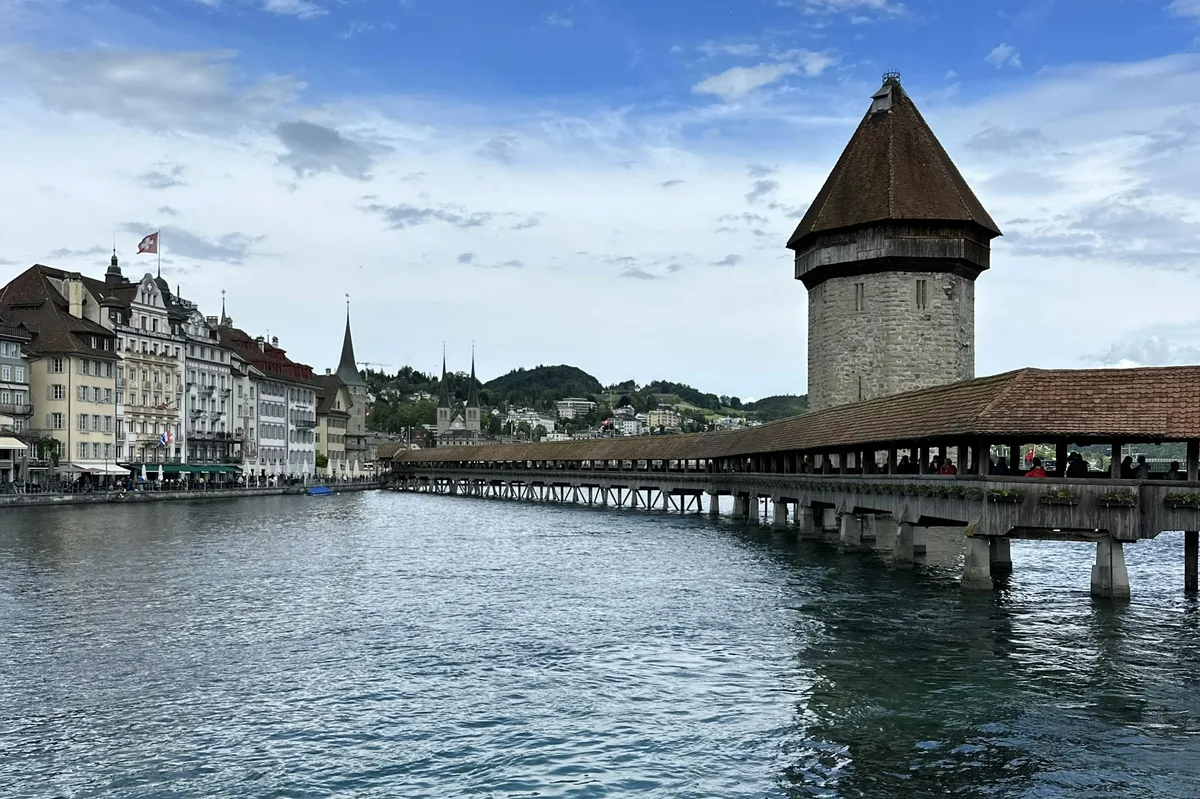
The Kapellbrücke and its octagonal Water Tower span the Reuss River in Lucerne's old town, a covered wooden footbridge first built in the 14th century and lined with painted roof panels.
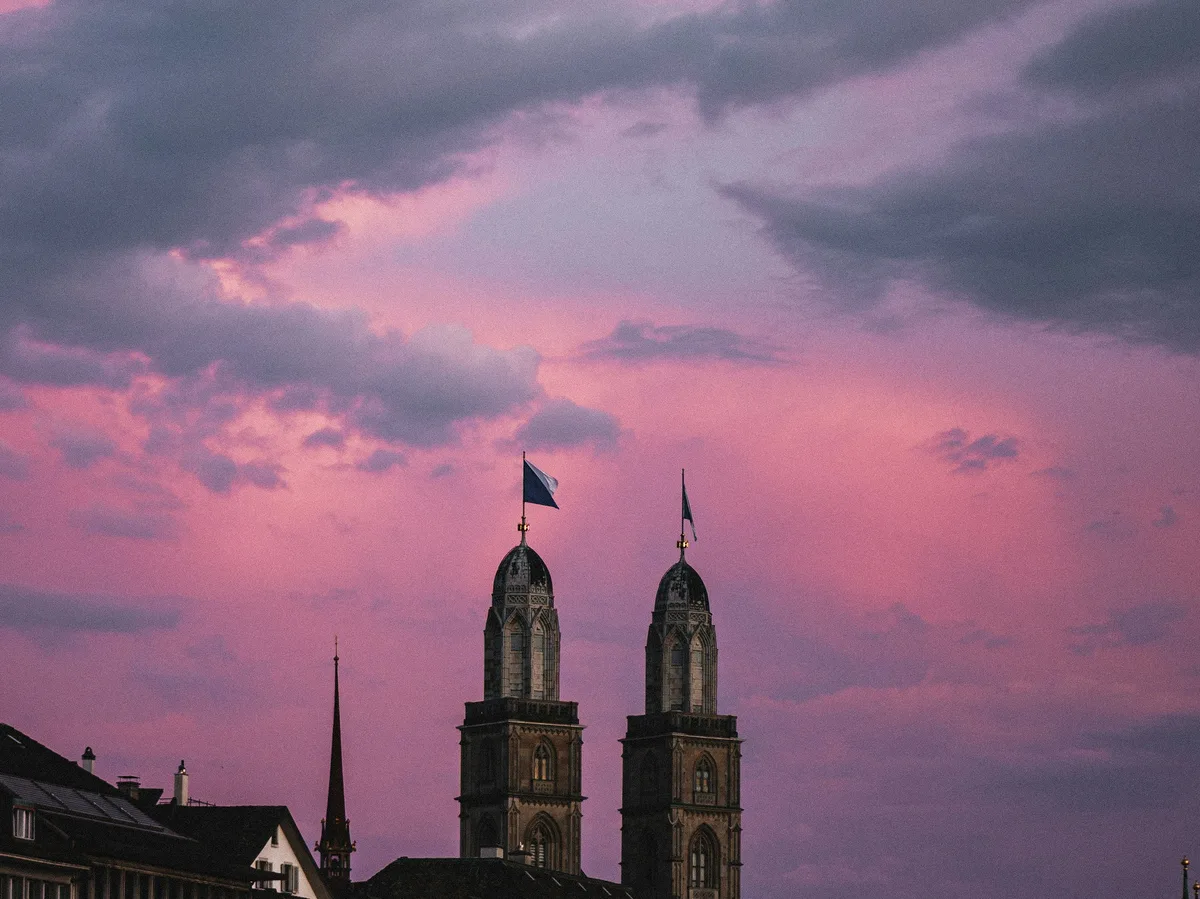 Multi-Day Tours
An 11-day circuit through Zürich, Lucerne, Interlaken, Zermatt, Montreux, and Geneva, with a private driver between cities, the scenic mountain trains and cable cars as attractions, and private guided time in each one.
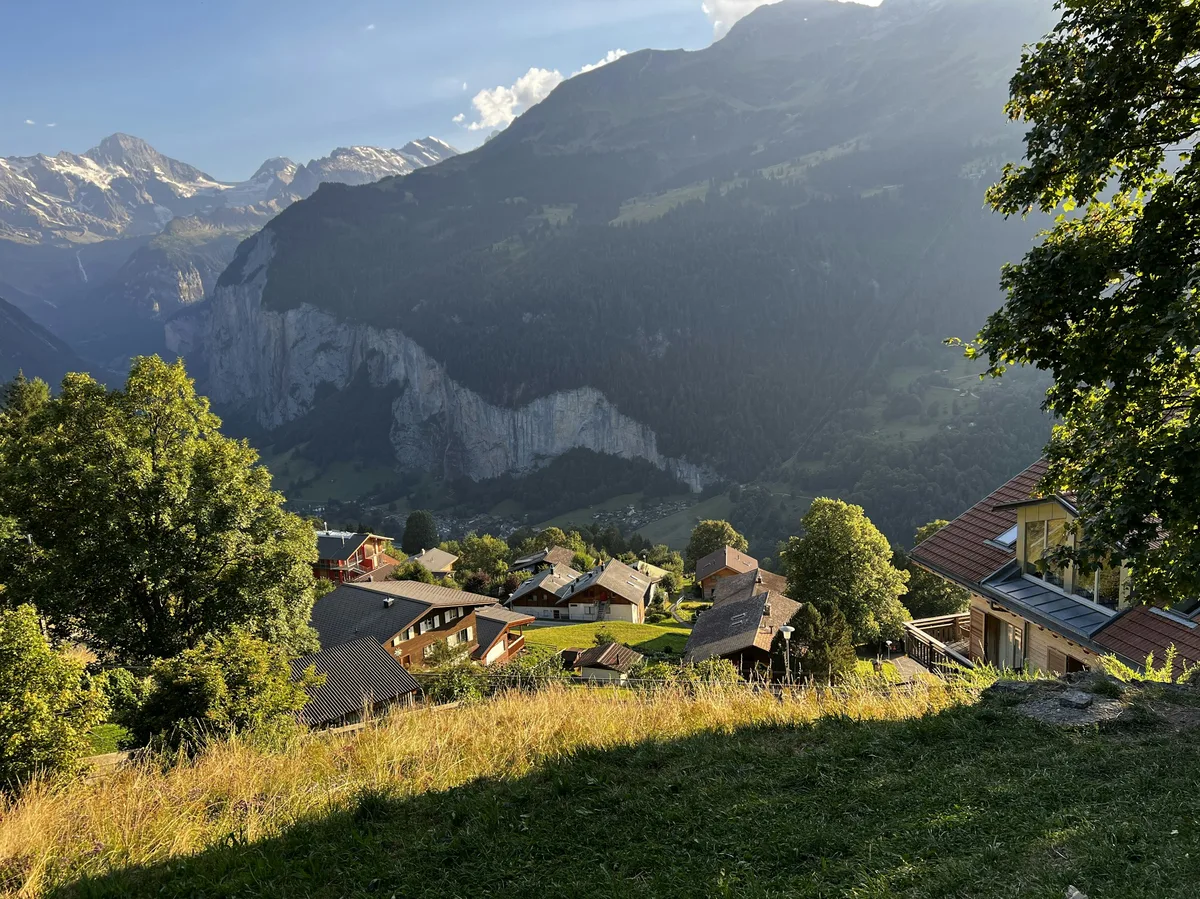 Multi-Day Tours
A 13-day luxury circuit through Zürich, Lucerne, and Lugano in Switzerland, across Lake Como in Italy, and into St. Anton am Arlberg and Bregenz in Austria, with 5-star hotels throughout.
Visitor guide
The Chapel Bridge, or Kapellbrücke, is a covered wooden footbridge over the Reuss River in Lucerne, Switzerland. It is named after the nearby St. Peter's Chapel and is the city's best-known symbol, paired with the octagonal Water Tower beside it.
Wikipedia notes that sources conflict on the date: the main text gives about 1365, the infobox about 1360, and another listing 1333. The bridge was built as part of Lucerne's fortifications, linking the old town on the right bank with the new town on the left and helping guard the city against attack from the south. It was originally over 270 metres long, and later shortenings and riverbank fill reduced it. It is now 204.7 metres long with 27 spans.
The octagonal Wasserturm is 34.5 metres tall and predates the bridge by about 30 years. Over time it has served as a prison, torture chamber, municipal archive and treasury. It is not open to the public, though it houses an artillery association and a gift shop.
Lucerne's three wooden pedestrian bridges, the 14th-century Hofbrücke (now destroyed), the Kapellbrücke and the 16th-century Spreuerbrücke, all carried painted triangular panels under the roof, a feature Wikipedia says no other European wooden footbridges share. The Kapellbrücke paintings date to the 17th century and were made by local painter Hans Heinrich Wägmann during the Counter-Reformation. They depict scenes from Lucerne's history that promote the Catholic Church, running from the life and death of patron saint St. Leger to the legends of the other patron, St. Maurice.
City council members sponsored panels and could add their coat of arms, and each scene had an explanatory text below it. Sources differ on the panel counts: the bridge's own site says 111 paintings were on the bridge at the time of the 1993 fire, of which 86 were burned or damaged, while a federal heritage record cites 158 panels.
A fire on 18 August 1993 destroyed about two-thirds of the interior paintings and much of the bridge. Remains of 47 paintings were collected, but only 30 could be fully restored. The bridge reopened on 14 April 1994, and the fire damage remains visible in the rebuilt structure. Wikipedia describes it as the oldest wooden covered bridge in Europe, though that claim refers to the historic design rather than the rebuilt timber.
The bridge is one of Switzerland's main tourist attractions and a daily thoroughfare, with about 13,800 crossings a day recorded in 2017.
Wikipedia notes that Lucerne's three wooden pedestrian bridges, the Hofbrücke (14th century, now destroyed), the Kapellbrücke and the Spreuerbrücke (16th century), all carried painted interior panels. Council members who sponsored a panel could add their coat of arms, which tied the pictures to the civic elite of the time. The Spreuerbrücke, further downstream, survives as a companion to the Kapellbrücke and is part of a short walk along the Reuss through the old town.
The bridge sits in the heart of Lucerne's old town, a short walk from other historic sites. A private guide can explain the painted panels and the story of the fire, and a private vehicle and driver can link Lucerne with other Swiss destinations.
See every tour and attraction we cover in Switzerland.