TorontoOntario · 36 tours
 Niagara FallsOntario · 25 tours
 New York CityNew York · 30 tours
 Las VegasNevada · 8 tours
 San FranciscoCalifornia · 16 tours
 VancouverBritish Columbia · 17 tours
 DubaiUAE · 54 tours
 Abu DhabiUAE · 5 tours
 Buenos AiresArgentina · 23 tours
 AthensGreece · 31 tours
 AucklandNew Zealand · 38 tours
 CancunMexico · 54 tours
No destinations match “”. Try searching all tours instead — that search understands full questions, not just place names.
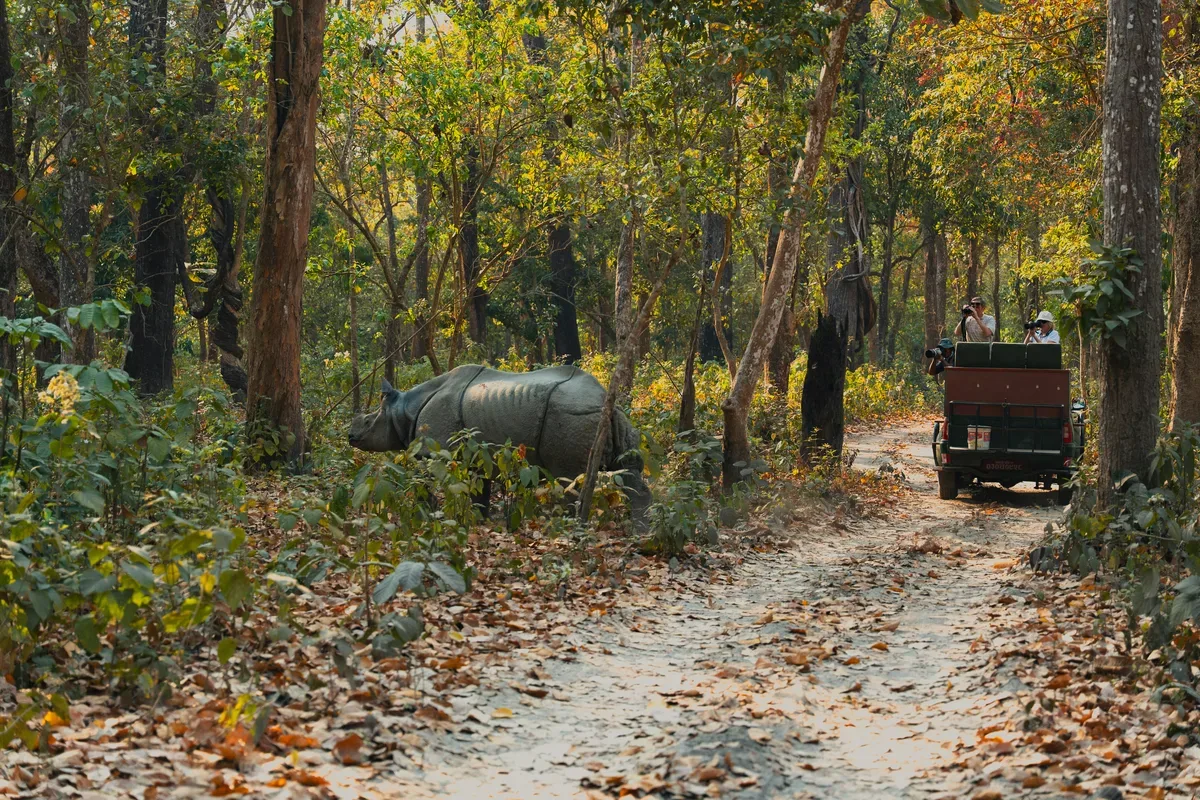
A UNESCO World Heritage jungle reserve in the Nepal lowlands, home to one-horned rhinos, Royal Bengal tigers, and over 500 bird species.
 Multi-Day Tours
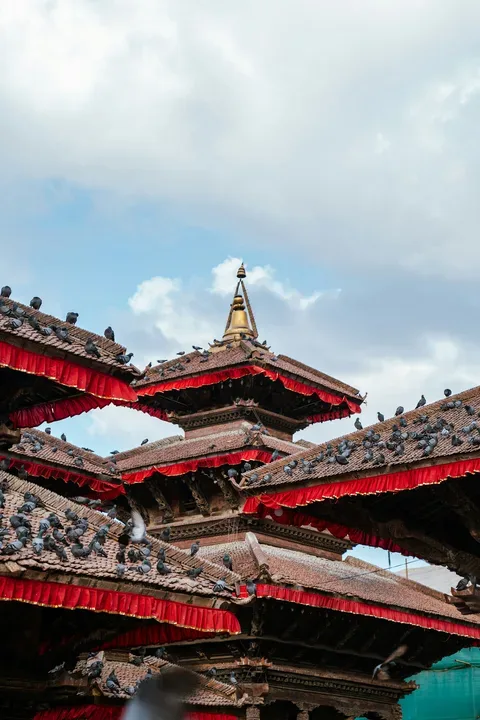
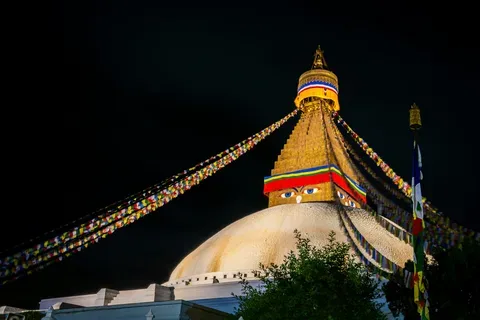
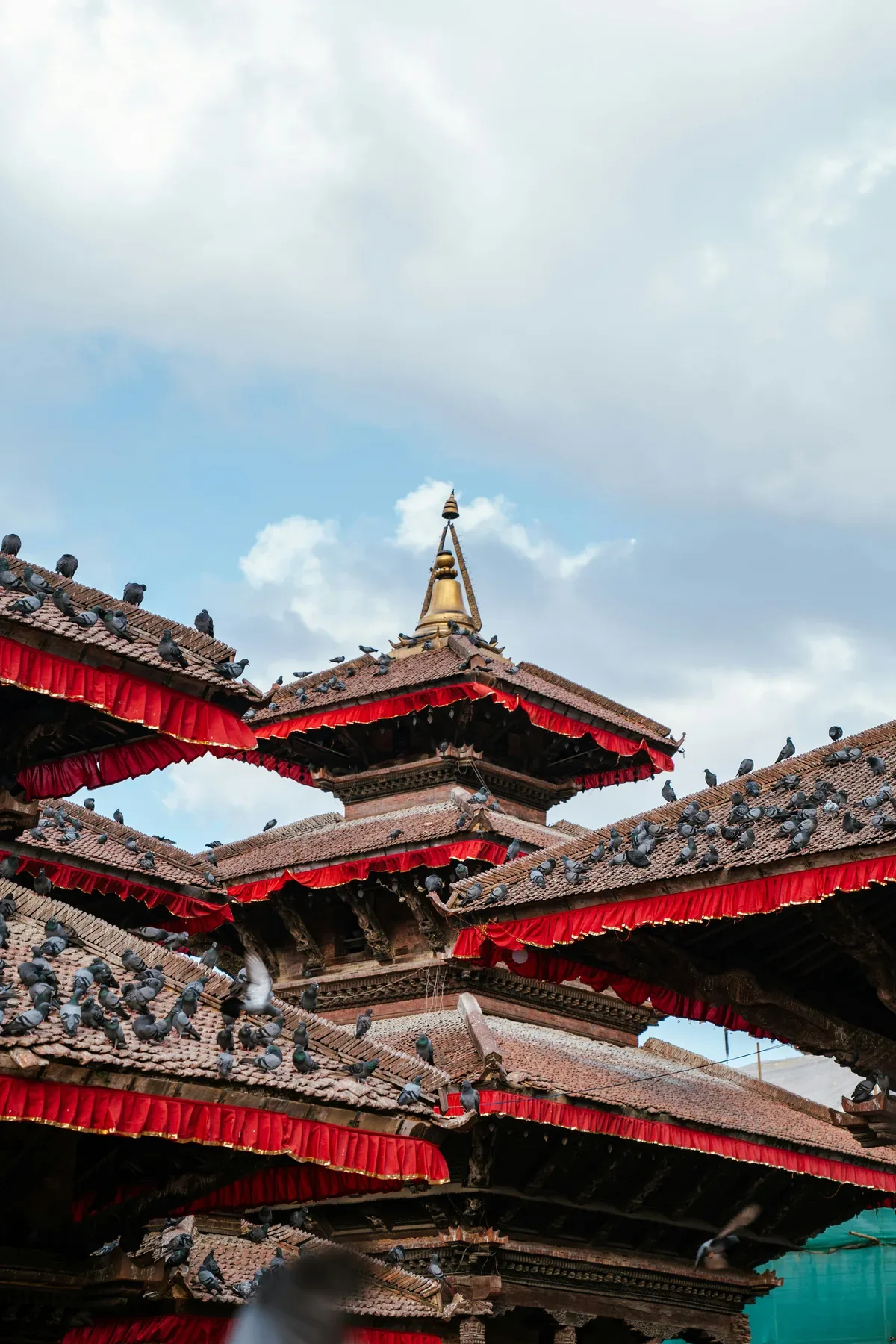
A 12-day circuit through the Kathmandu Valley's Durbar Squares and stupas, south into Chitwan National Park's jungle and wildlife, and west to the lakeside city of Pokhara beneath the Annapurna range.
 Multi-Day Tours
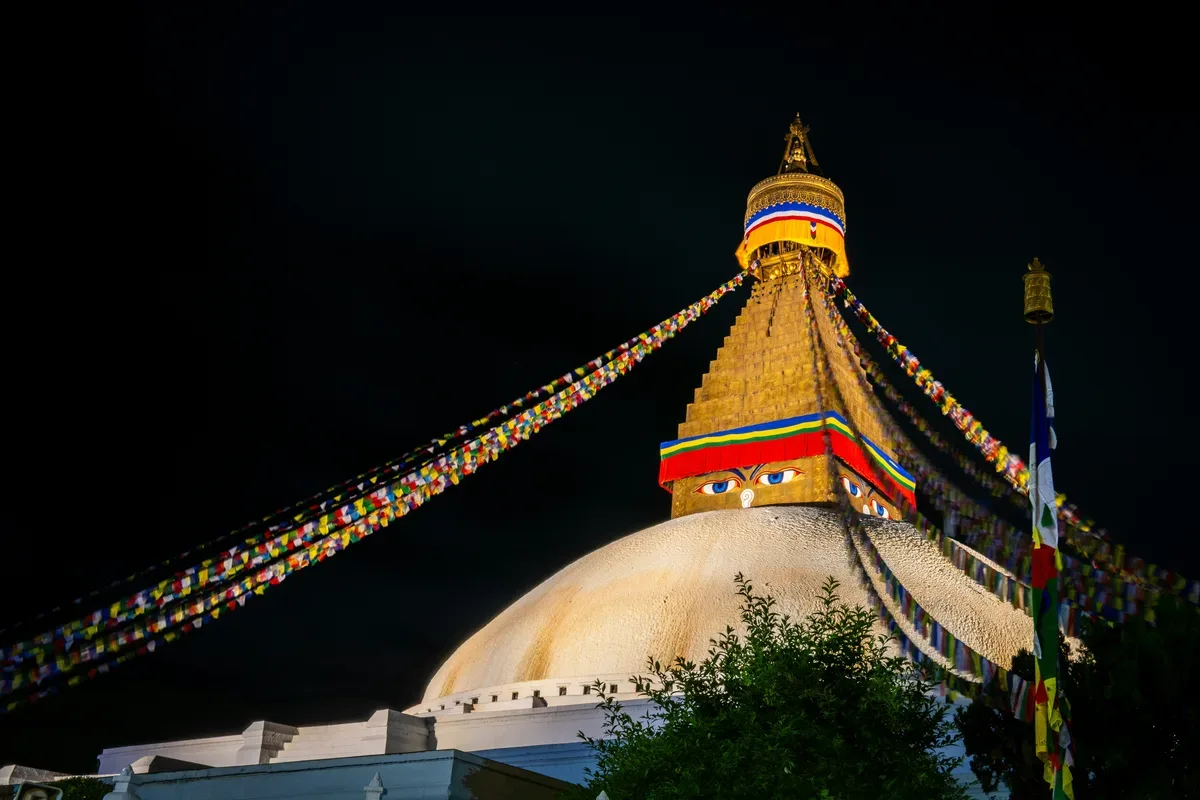
An 8-day route through Kathmandu Valley's UNESCO sites and the Living Goddess Kumari, a Chitwan safari, Pokhara's lakeside, and an optional helicopter flight over the Annapurna range.
 Multi-Day Tours
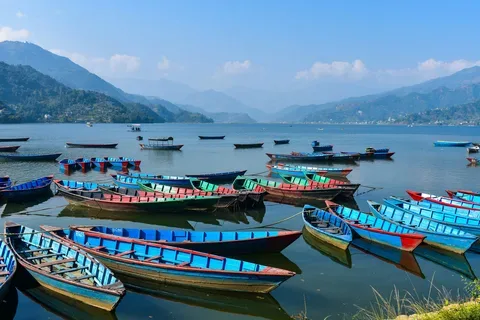
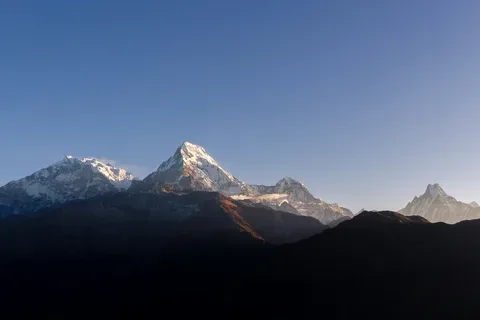
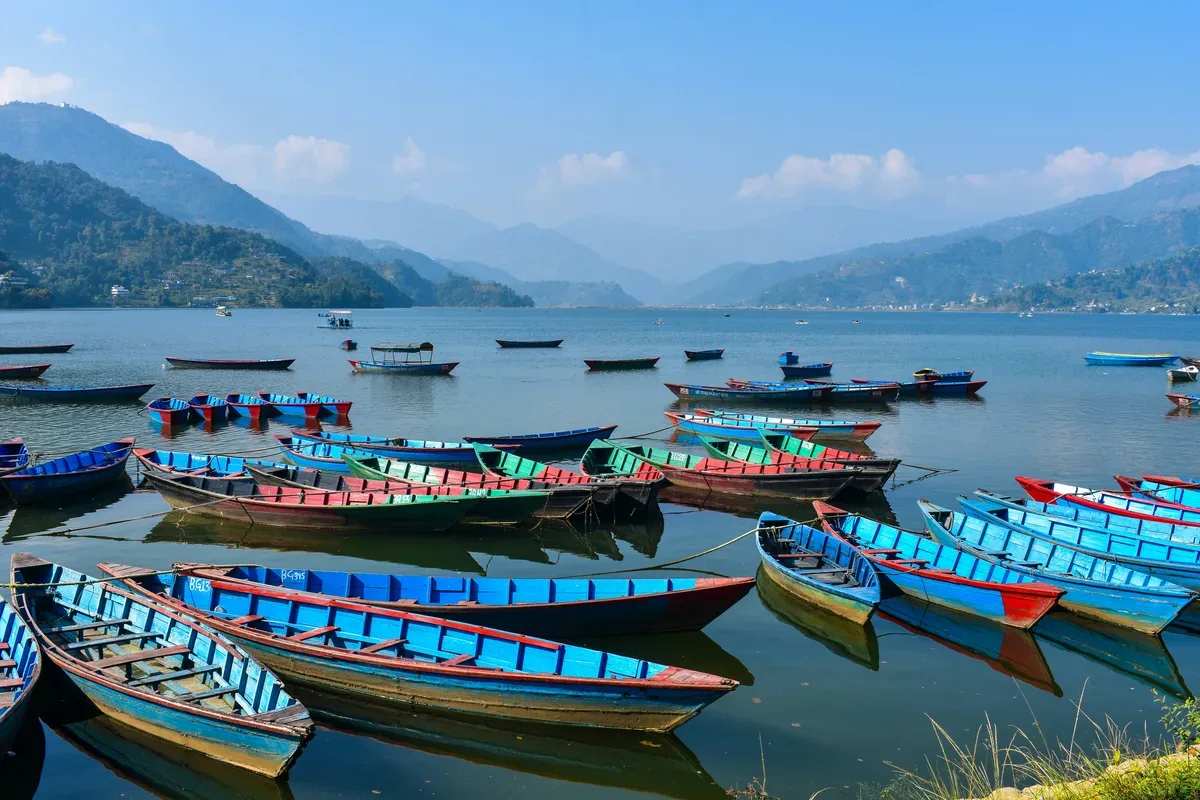
A 7-day route from Kathmandu's Pashupatinath Temple and Durbar Squares into Chitwan National Park's jungle safaris, finishing with sunrise over Annapurna from Sarangkot and Phewa Lake in Pokhara.
 Multi-Day Tours
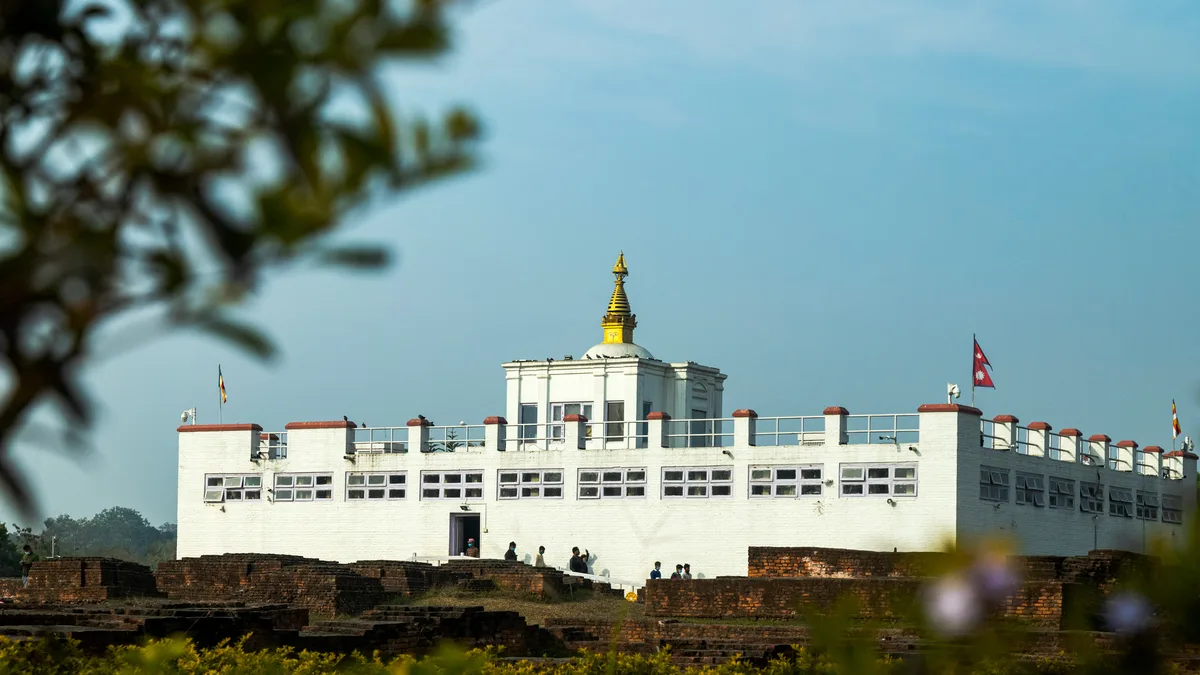
A 10-day route through Kathmandu's four UNESCO World Heritage Sites, Chitwan National Park's jungle, Buddha's birthplace at Lumbini, and Pokhara's lakeside beneath the Annapurna range.
 Multi-Day Tours
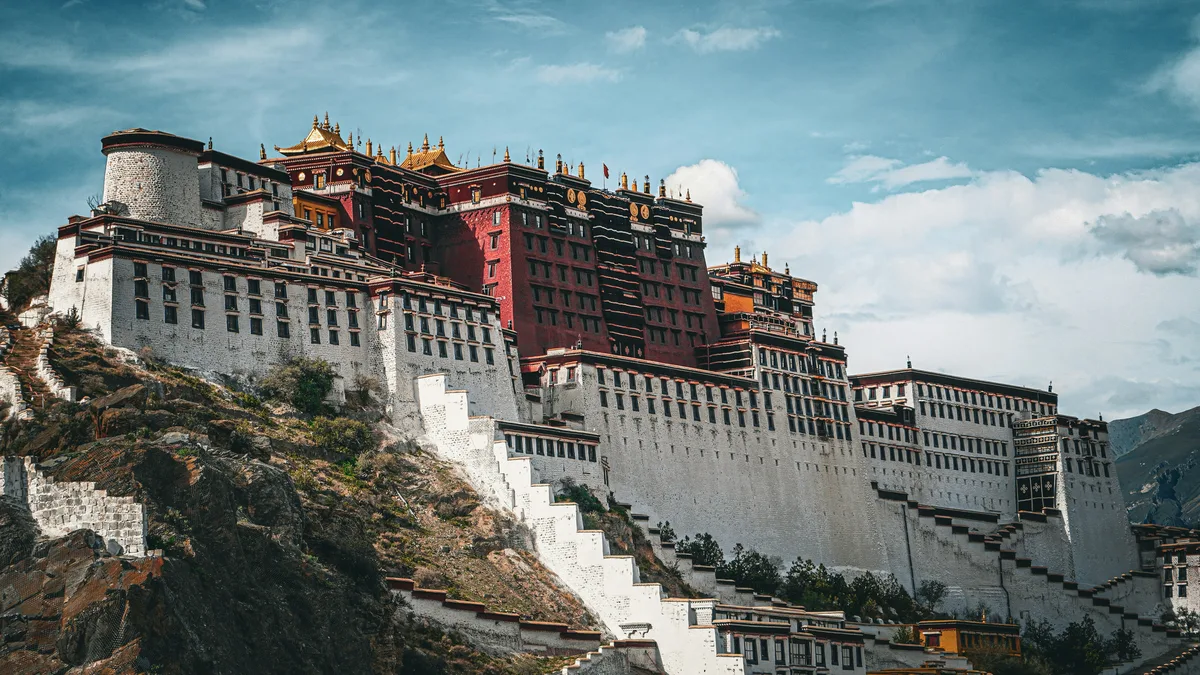
A 22-day journey across three Himalayan nations — nine nights in Nepal's Kathmandu, Chitwan and Pokhara, seven nights in Tibet including Everest Base Camp, and five nights in Bhutan's Thimphu, Punakha and Paro.
 Multi-Day Tours
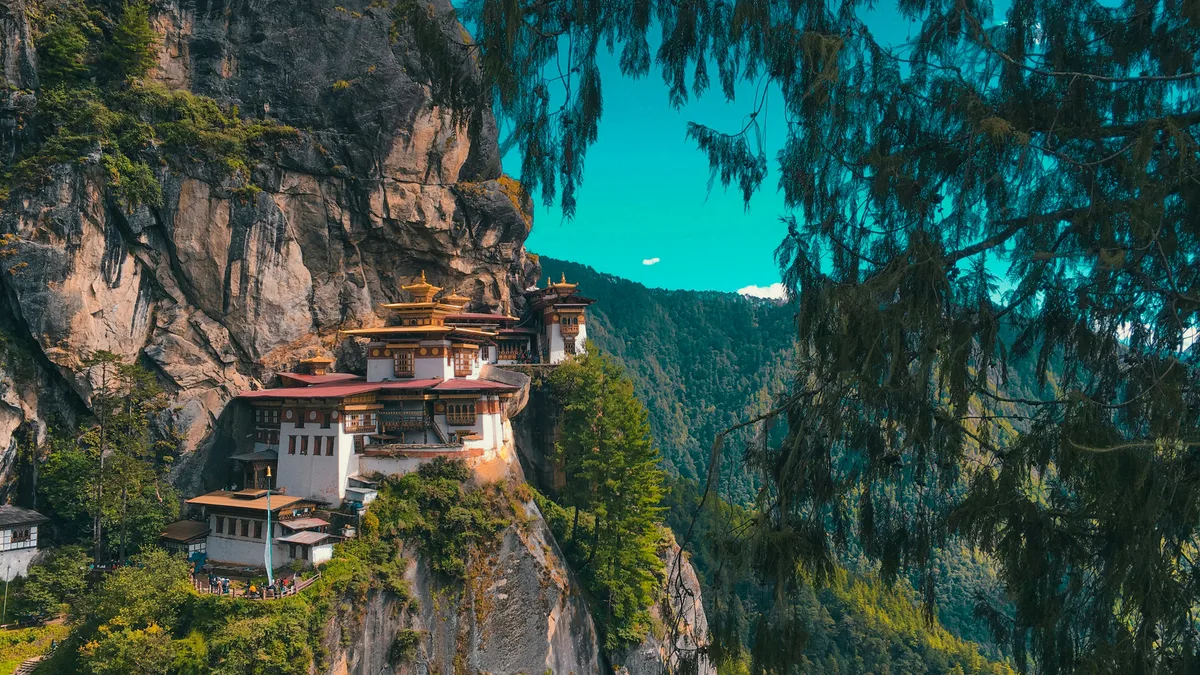
A 14-day route through Kathmandu's temples, Chitwan's jungle and Pokhara's lakeside in Nepal, followed by Bhutan's Thimphu, Punakha and Paro, ending at the cliffside Taktsang Monastery.
 Multi-Day Tours
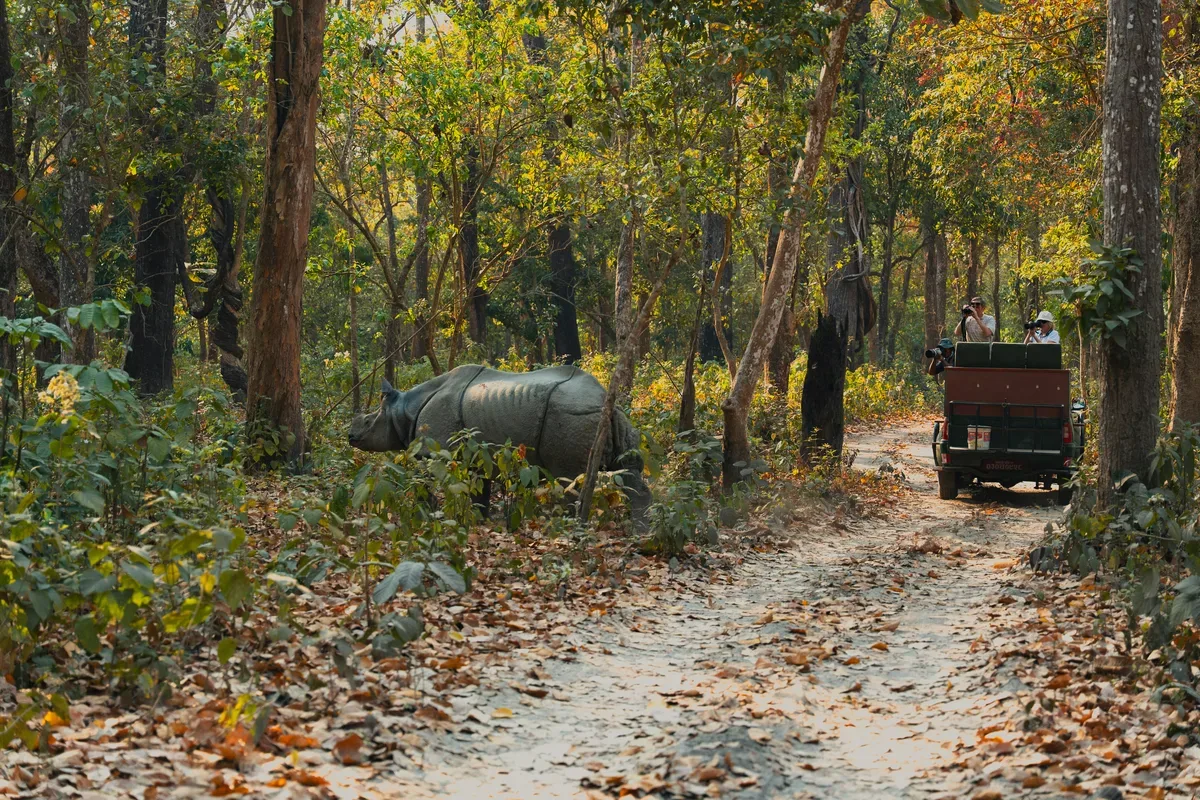
An 8-day route from Kathmandu's temples and markets through Chitwan National Park's rhino and tiger safaris, to Pokhara's mountain-ringed lake and Sarangkot's sunrise views.
 Multi-Day Tours
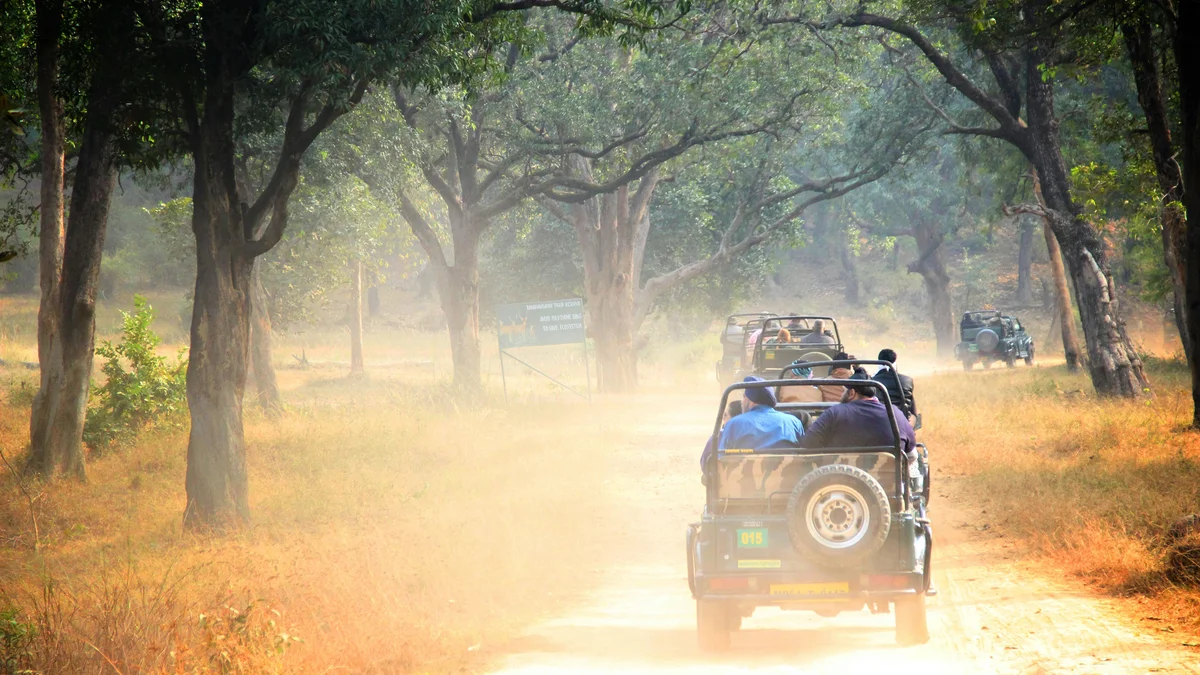
A 6-day photography-focused trip to Chitwan National Park, with jeep safaris, canoeing, and village visits built around capturing the park's rhinos, birdlife, and Tharu culture, bookended by Kathmandu.
Visitor guide
Chitwan National Park is a protected area in the Terai lowlands of south-central Nepal, established in 1973 as Royal Chitwan National Park. Wikipedia describes it as the first national park of Nepal, and it was granted World Heritage Site status in 1984. It covers 952.63 square kilometres by national park figures, while UNESCO lists the World Heritage property at 932 square kilometres, ranging in elevation from about 100 metres in the river valleys to 815 metres in the Sivalik Hills.
From the late 19th century Chitwan was a favourite winter hunting ground for Nepal's ruling class. Until the 1950s the journey from Kathmandu took weeks on foot, and camps were set up for big-game hunters. In 1950 the forests and grasslands covered more than 2,600 square kilometres and held about 800 rhinos. When settlers moved into the valley and malaria was cleared with DDT, jungles were cut back and poaching rose, and by the end of the 1960s only 95 rhinos remained. The government responded with a rhino patrol, the Gaida Gasti, and gazetted the park in 1970, establishing it in 1973 at 544 square kilometres. It was enlarged to its present size in 1977, and a buffer zone of 766.1 square kilometres was added in 1997. The word Royal was dropped from the name in 2006.
Wikipedia also records that when the first protected areas were set up, Tharu people were forced to leave their traditional lands, an important part of the park's history.
The Narayani-Rapti river system forms a natural boundary to the north and west, and the park adjoins Parsa National Park to the east and India's Valmiki National Park to the south. Together they form a protected area of 2,075 square kilometres within the Chitwan-Parsa-Valmiki Tiger Conservation Unit. About 70 percent of the park is covered by sal forest, and Terai grasslands cover about 20 percent, including some of the world's tallest grasses. Chitwan has a humid subtropical monsoon climate, with the monsoon running from mid-June to late September and most of the 2,500 millimetres of annual rain falling in that period. After mid-October humidity drops and days cool.
The park supports more than 700 species of wildlife and 68 mammal species. The Bengal tiger is the best-known predator, and the Terai floodplain is described as one of the best tiger habitats anywhere. Wikipedia reports camera-trap density estimates of roughly 4 to 6 tigers per 100 square kilometres in 2010 and 2011. Chitwan also has the highest recorded density of sloth bears and the largest population of Indian rhinoceros in Nepal, estimated at 605 of 645 animals in the country in 2015. Rhinos have recovered well since 1973, though poaching has repeatedly threatened them. Gaur, leopards, otters, hyenas and many smaller carnivores are also found here.
Bird life is exceptional: BirdLife International has designated the park an Important Bird Area, and 543 species were recorded in 2006, more than in any other protected area in Nepal. The grasslands shelter the critically endangered Bengal florican, while lakes host egrets, storks and kingfishers. About 160 migratory species arrive in autumn to spend the winter.
Because the cooler dry season from mid-October to spring brings milder temperatures, many visitors plan their trips then. A private tour with a driver and local naturalist guide suits the park, since wildlife viewing relies on knowledgeable guides who know the habitats and park regulations.
See every tour and attraction we cover in Nepal.