TorontoOntario · 36 tours
 Niagara FallsOntario · 25 tours
 New York CityNew York · 30 tours
 Las VegasNevada · 8 tours
 San FranciscoCalifornia · 16 tours
 VancouverBritish Columbia · 17 tours
 DubaiUAE · 54 tours
 Abu DhabiUAE · 5 tours
 Buenos AiresArgentina · 23 tours
 AthensGreece · 31 tours
 AucklandNew Zealand · 38 tours
 CancunMexico · 54 tours
No destinations match “”. Try searching all tours instead — that search understands full questions, not just place names.
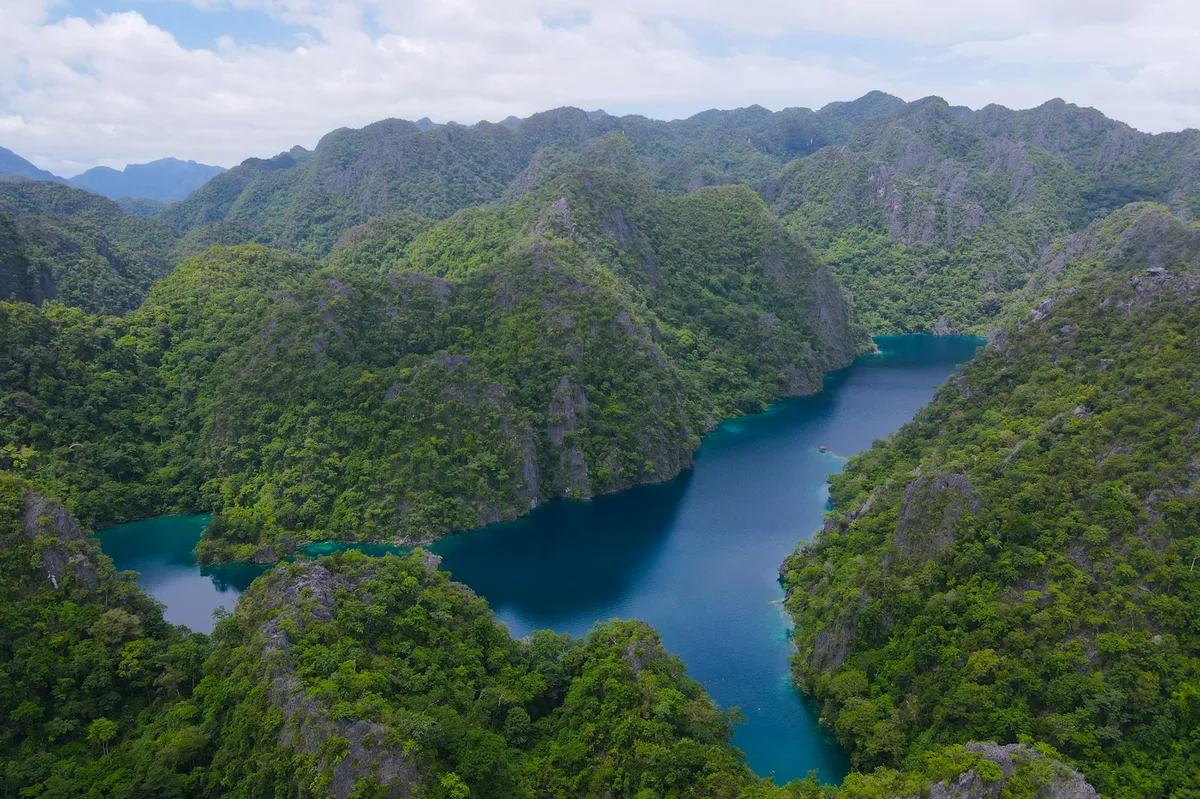
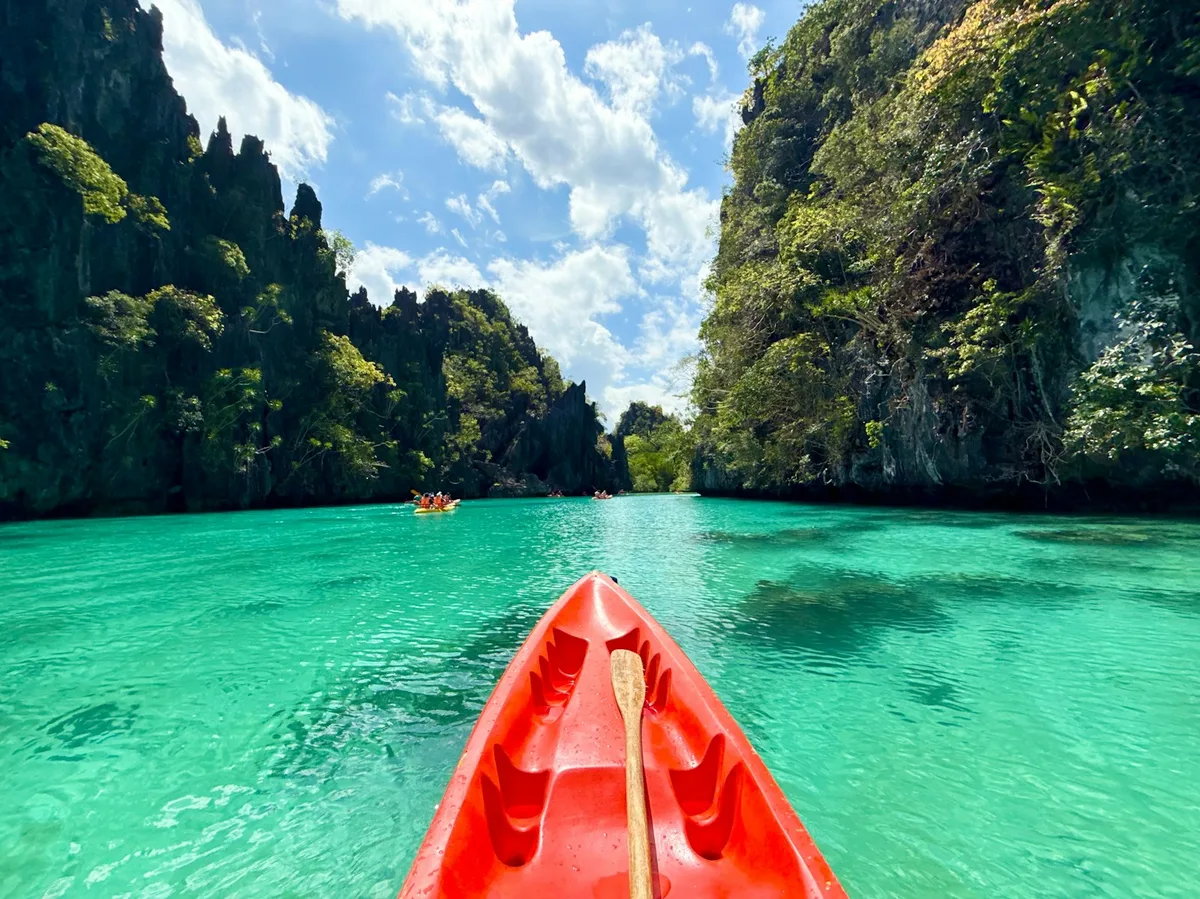
A karst-island region in northern Palawan known for WWII shipwreck diving and Kayangan Lake, regularly rated among the Philippines' clearest freshwater lakes.
Visitor guide
Coron is a municipality in northern Palawan, Philippines, covering the eastern part of Busuanga Island, all of Coron Island and about 50 smaller islets in the Calamian archipelago. It is known for jagged limestone islands, clear lakes and a group of sunken Japanese ships from the Second World War.
According to Wikipedia, Coron has a land area of about 689 square kilometres and 23 barangays, and its islands separate the South China Sea from the Sulu Sea. Coron Island is part of the municipality, and the Coron Island Natural Biotic Area is on the UNESCO World Heritage Tentative List. The climate has a wet period centered on July and August, with March the driest month and average annual rainfall of about 2,500 millimetres.
The town's name history is varied: it was first called Bancuang after a local palm, the Spaniards named it Penon de Coron, and it was renamed Coron in 1902. Wikipedia also records Spanish-era forts at Culion and Coron, built against raiders, and a fishing boom from the 1970s to 1990s that declined because of blast and cyanide fishing. Japanese forces arrived on 4 May 1942, and the town was liberated by March 1945; Busuanga became a separate municipality in 1950.
On 5 June 1998, Coron Island was recognised as an ancestral domain, CADC No. 134, for the Tagbanua people. Travel sources describe the island as managed by the Tagbanua, with fees paid on the island for access to places such as Kayangan Lake. Kayangan is described as a clear lake reached by a short ridge trail, and one guide says its water is a mix of fresh and salt water. Other lakes include Barracuda Lake, known for its layered water, and Twin Lagoon, reached through a small rock passage. Sources differ on the lakes' geology, with some calling them karst sinkholes.
Wikipedia states that on 24 September 1944 more than 100 American aircraft attacked Japanese shipping, sinking most of the ships at Busuanga. A dozen sunken Japanese warships now lie at depths of about 10 to 40 metres off Coron Island and attract divers. Travel sources name wrecks such as the Okikawa Maru, Irako, Kogyo Maru and Olympia Maru, and note a shallower wreck suited to snorkellers.
Siete Pecados Marine Park, founded in 2005 with USAID support, won the Blue Park Award from the Marine Conservation Institute in April 2024, Wikipedia reports. Coron is also described as the commercial capital of the Calamian Islands, with tourism now the leading industry. The 2024 census counted 69,439 residents, and native languages listed include Calamian Tagbanwa, Kagayanen, Palawano and Tagalog. The annual town fiesta is held on 28 August in honour of Saint Augustine.
The town is on Busuanga Island, and Francisco B. Reyes Airport has direct flights to Manila, Cebu and Angeles. Boat access is needed to reach the lakes and wrecks, and conditions depend on the season. A private tour with a driver suits the land transfers between the airport, town and boat piers.
See every tour and attraction we cover in Philippines.