TorontoOntario · 36 tours
 Niagara FallsOntario · 25 tours
 New York CityNew York · 30 tours
 Las VegasNevada · 8 tours
 San FranciscoCalifornia · 16 tours
 VancouverBritish Columbia · 17 tours
 DubaiUAE · 54 tours
 Abu DhabiUAE · 5 tours
 Buenos AiresArgentina · 23 tours
 AthensGreece · 31 tours
 AucklandNew Zealand · 38 tours
 CancunMexico · 54 tours
No destinations match “”. Try searching all tours instead — that search understands full questions, not just place names.
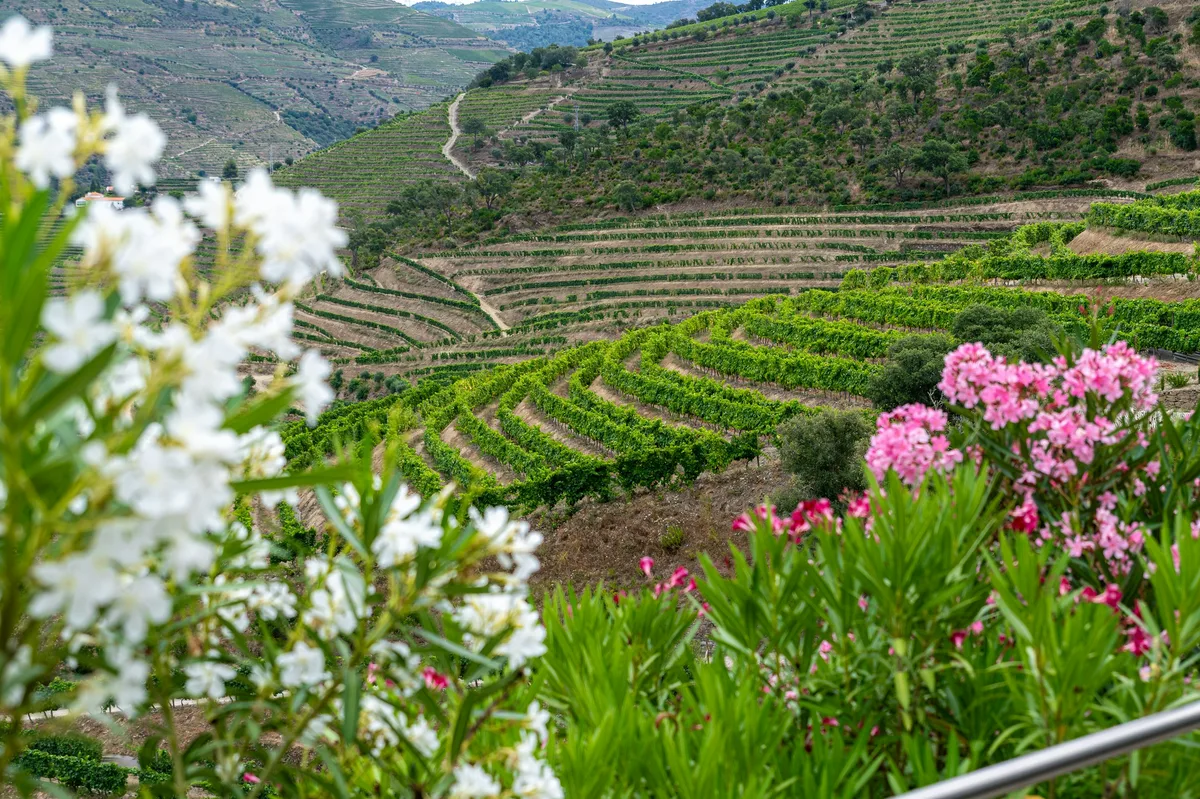
Portugal's terraced wine region along the Douro River, where centuries-old vineyard estates produce Port wine and can be visited by wine-estate tour and traditional rabelo boat cruise.
 Multi-Day Tours
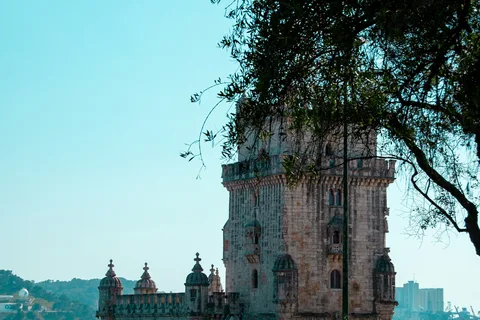
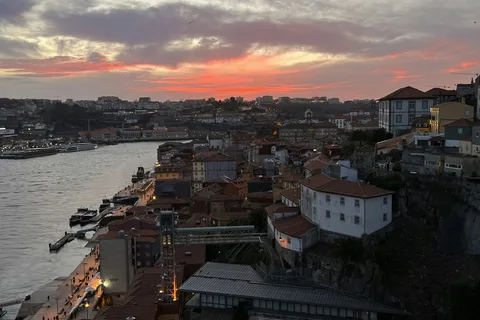
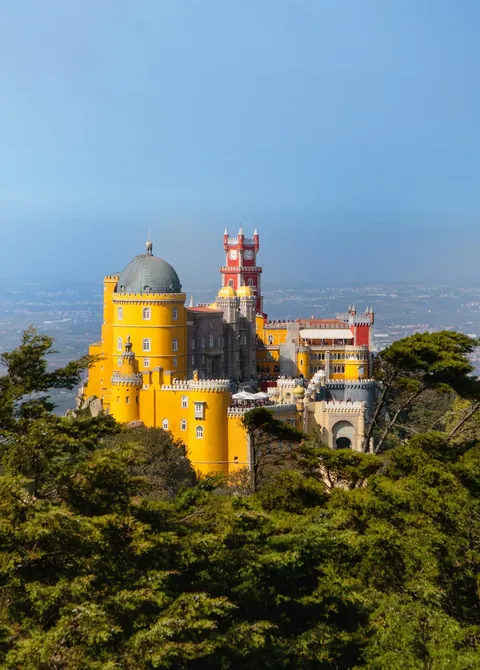
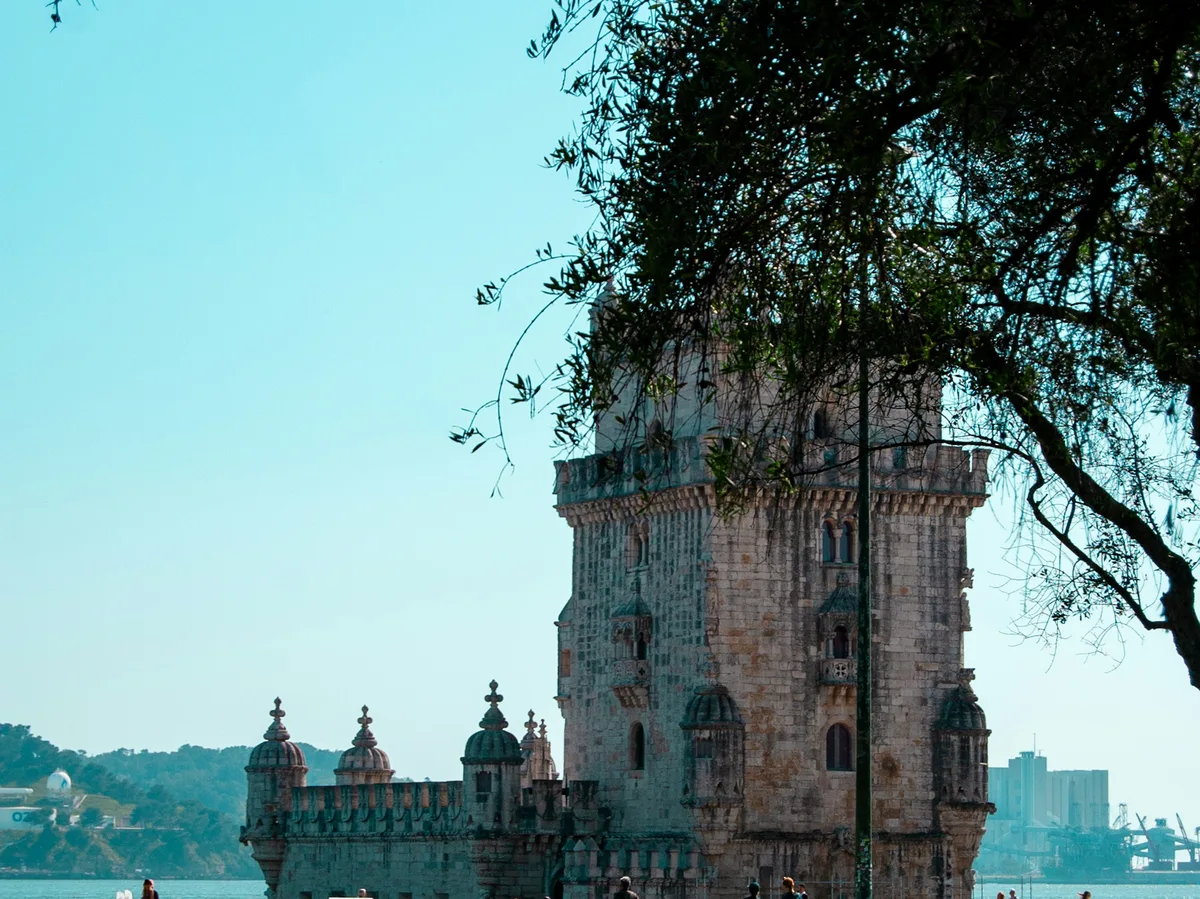
A 9-day route between Portugal's two great cities — Lisbon's Alfama, Belém, and a Sintra day trip, then north via Coimbra to Porto's UNESCO old town, a Douro Valley wine estate, and a choice of Aveiro or the Minho region, before returning south via Nazaré and Óbidos.
 Multi-Day Tours
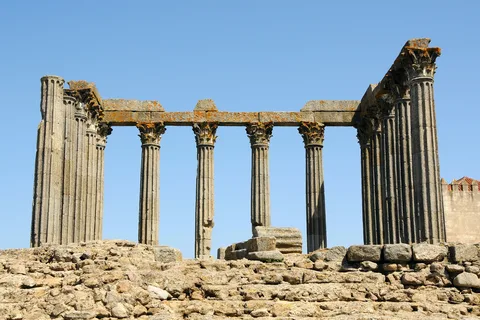
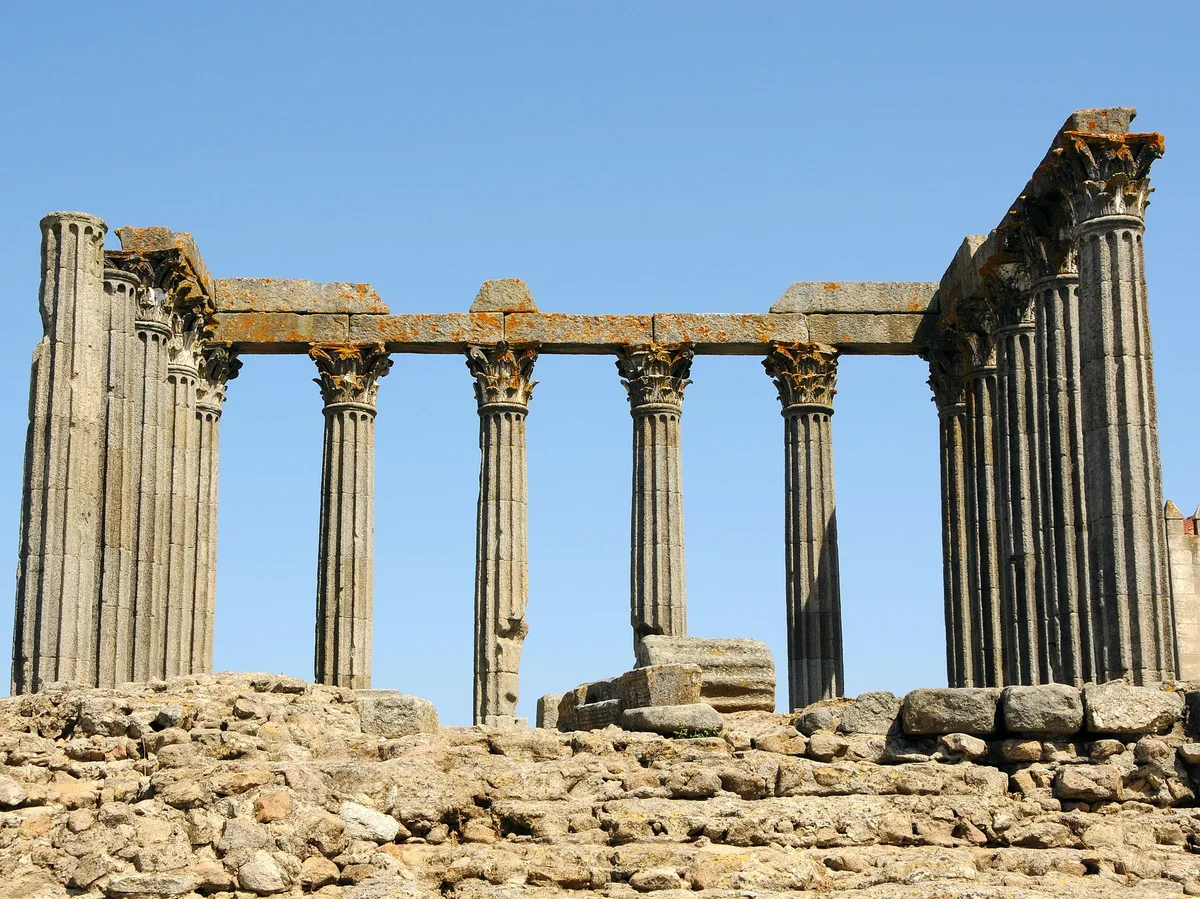
A 10-day food-and-wine route from the Algarve to the Douro — an organic farm and olive oil tasting near Beja, Alentejo's UNESCO-listed Évora, Belmonte's Sephardic Jewish heritage, a Douro Valley wine estate, and Port wine cellars in Porto.
Visitor guide
The Douro Valley is the wine region of northern Portugal that follows the Douro River inland from Porto, famous for terraced vineyards and the production of Port wine. Its winemaking landscape, the Alto Douro Wine Region, was declared a UNESCO World Heritage Site in 2001.
The Douro rises in Spain at Pico de Urbión and flows about 897 kilometres to the Atlantic at Porto, according to Wikipedia. In Portugal the river runs through steep valleys, with towns such as Peso da Régua and Pinhão on its banks, and its tributaries include the Corgo, Tua, Távora and Pinhão. The Marão and Montemuro mountains shelter the region from Atlantic winds, giving it a continental climate with hot, dry summers and cold winters.
Terraced vineyards are very common, and Port vineyards are usually planted on schist while granite-based soils tend to be used for table wine. The region is usually divided into three subregions from west to east: Baixo Corgo, the mildest and wettest; Cima Corgo, the largest and centred on Pinhão, home to many famous quintas; and Douro Superior, the hottest and driest, extending to the Spanish border.
Archaeological evidence points to winemaking in the valley from the end of the Western Roman Empire, and from the mid-12th century Cistercian monasteries shaped local viticulture. The earliest known mention of Port wine dates from 1675, and the Methuen Treaty of 1703 made English demand for it grow. A royal charter of 10 September 1756 defined the Port production region, which Wikipedia describes as the world's first formally demarcated wine region, though other sources may differ.
The 19th century brought hardship, with powdery mildew in 1852 and phylloxera in 1863. For a long time Douro table wine was rarely seen outside the region, until oenologist Fernando Nicolau de Almeida produced Barca Velha in 1952. Portugal's entry into the European Economic Community in 1986 allowed valley producers to bottle their own wines, and Wikipedia notes that the Douro now makes roughly as much table wine as fortified wine.
Principal red grapes include Touriga Nacional, Touriga Franca, Tinta Roriz, Tinta Barroca and Tinta Cão, while white varieties include Gouveio, Malvasia Fina, Rabigato and Viosinho. Port itself is fortified with a neutral grape spirit that halts fermentation, leaving residual sugar, and it comes in styles such as ruby, tawny, white and vintage.
Wine estates, called quintas, climb the slopes of the valley, and many are now owned by large wine companies. Pinhão and São João da Pesqueira are considered the centre of Port production.
Historically, Port barrels travelled downriver to Vila Nova de Gaia on rabelos, flat-bottomed wooden boats. Wikipedia says dams and locks built from the 1960s changed the river, and wine is now moved by road. The dams, fifteen along the river overall, also allow navigation through locks, and river excursions from Porto to the upper valley have become a major tourism activity. The Douro railway line, completed in 1887, connects Porto with Pocinho and runs close to the river.
Distances between estates are considerable and the roads are winding, so a private tour with a driver suits a visit to the valley, leaving guests free to enjoy the scenery.
See every tour and attraction we cover in Portugal.