TorontoOntario · 36 tours
 Niagara FallsOntario · 25 tours
 New York CityNew York · 30 tours
 Las VegasNevada · 8 tours
 San FranciscoCalifornia · 16 tours
 VancouverBritish Columbia · 17 tours
 DubaiUAE · 54 tours
 Abu DhabiUAE · 5 tours
 Buenos AiresArgentina · 23 tours
 AthensGreece · 31 tours
 AucklandNew Zealand · 38 tours
 CancunMexico · 54 tours
No destinations match “”. Try searching all tours instead — that search understands full questions, not just place names.
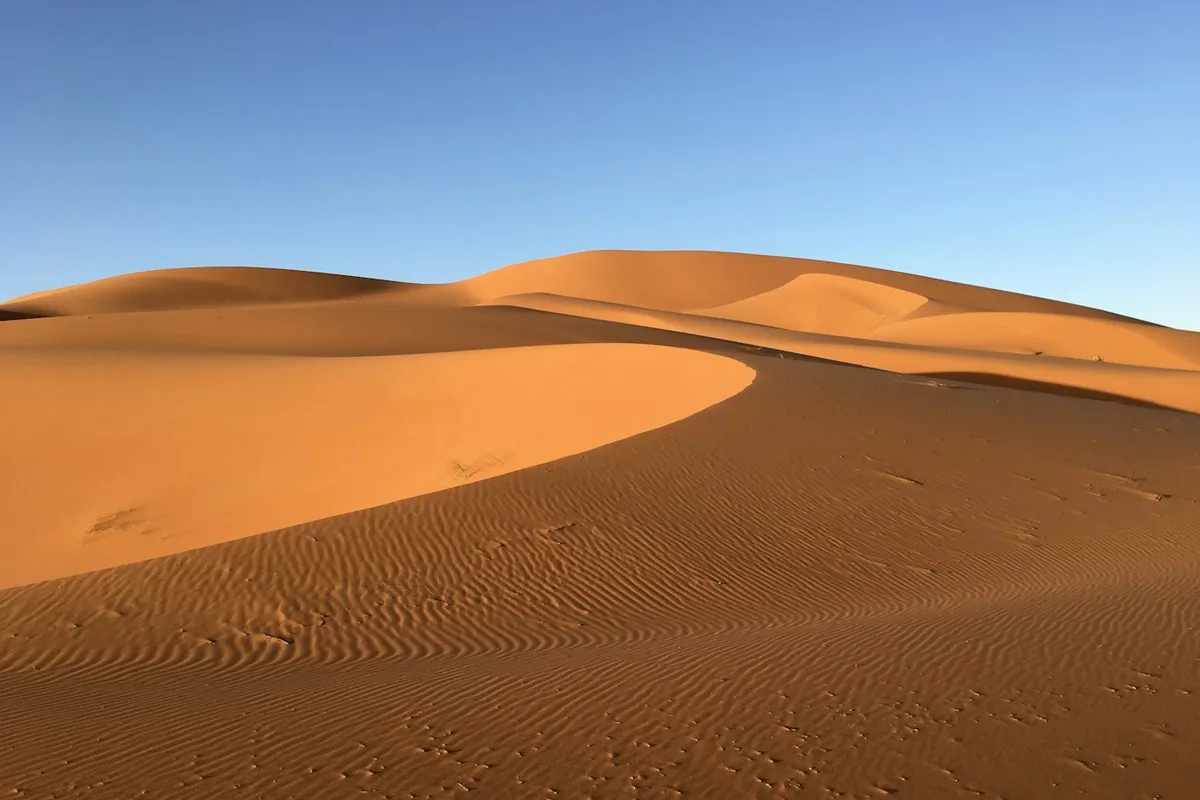
A sea of sand dunes near Merzouga rising up to 150 metres, reached by camel trek for a night in a desert camp under the stars and a sunrise climb up the dunes.
 Multi-Day Tours
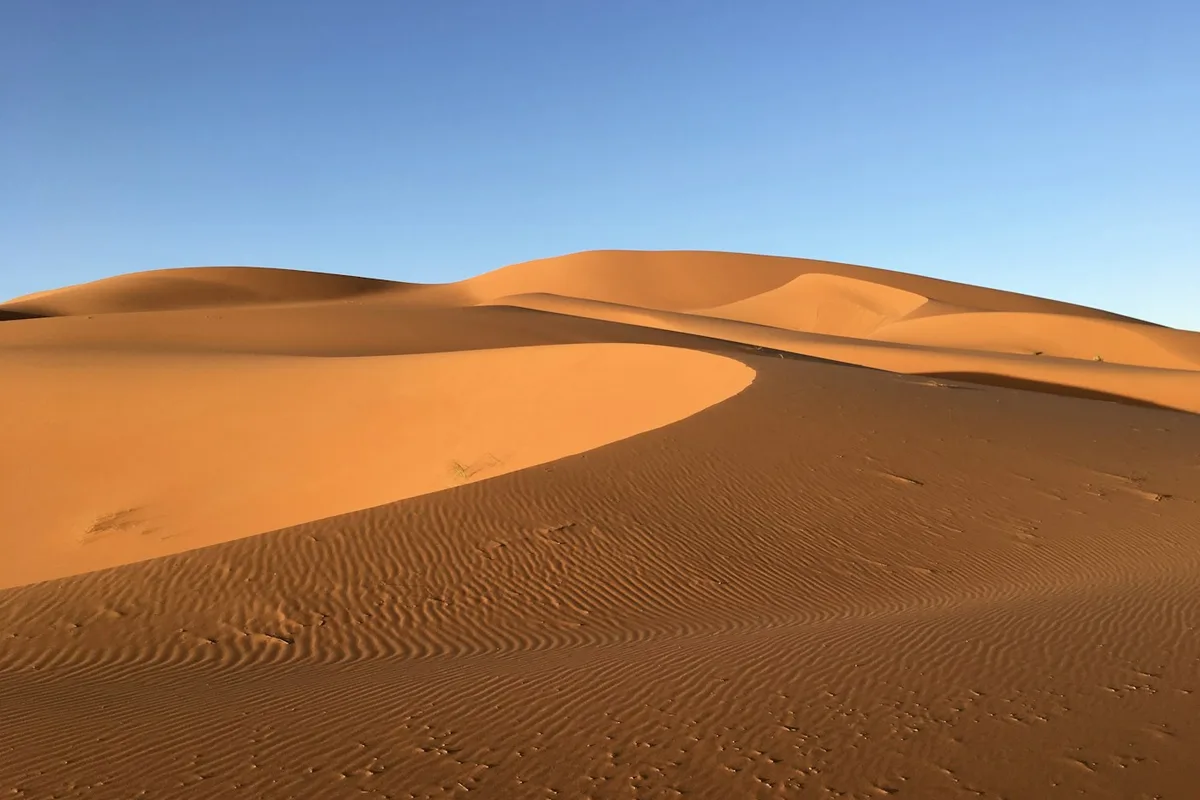
A 12-day sweep of Morocco's essential highlights — Casablanca, Tangier, Chefchaouen and Fes, an overnight Sahara desert camp at Erg Chebbi, the Dades Valley and Todra Gorges, Aït Benhaddou, Marrakech and Essaouira.
 Multi-Day Tours
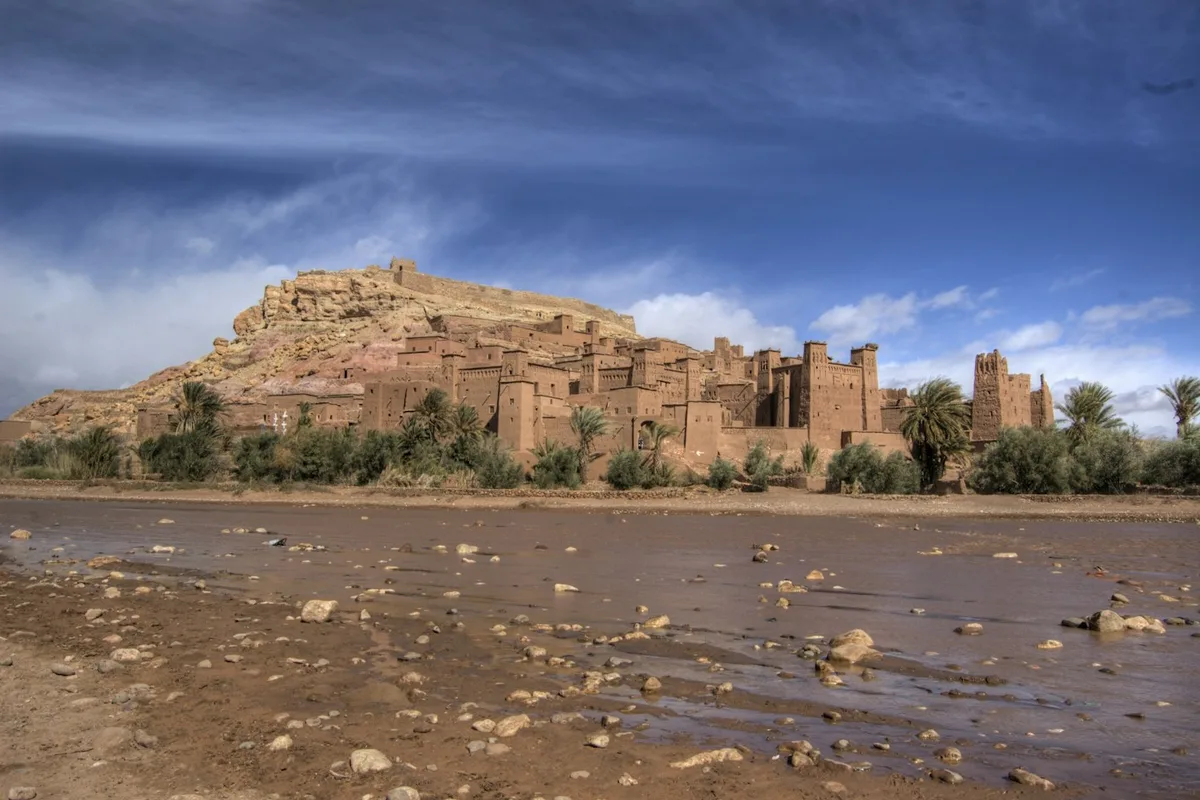
A 13-day traverse of Morocco's landscapes — Marrakech, the UNESCO ksar of Aït Benhaddou, the Dades Valley and Todra Gorge, a camel trek and overnight camp at Erg Chebbi, the Taroudant medina, and the Atlantic coast at Agadir, Taghazout and Essaouira.
 Multi-Day Tours
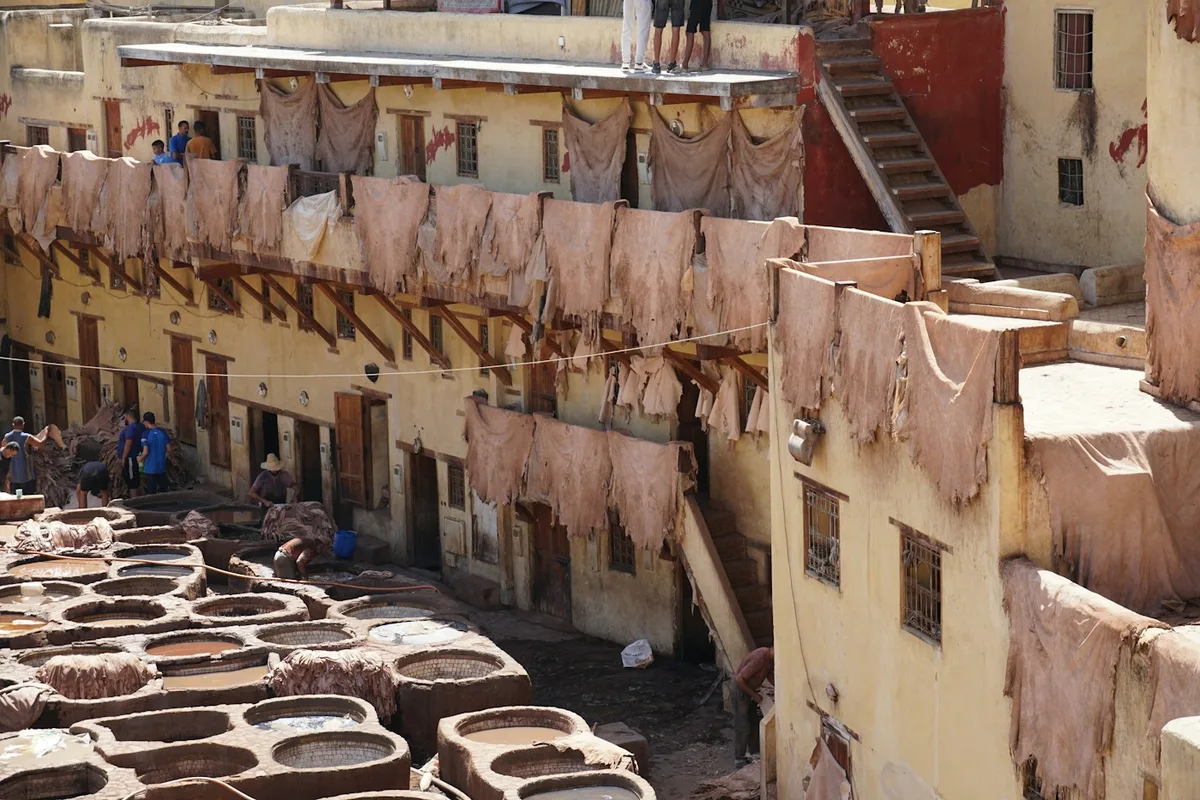
An 11-day culinary journey from Casablanca to Marrakech — street food and cooking classes in Fes, an overnight Sahara desert camp at Merzouga, Berber cooking in a Skoura kasbah, and an immersive cooking workshop in Marrakech.
Visitor guide
Erg Chebbi is one of Morocco's several ergs, which are large seas of wind-blown sand dunes, on the far western edge of the Sahara Desert. In places the dunes rise to about 150 metres above the surrounding rocky desert. The nearby village of Merzouga is the local tourist centre, and the dunes are sometimes called the dunes of Merzouga.
According to Wikipedia, Erg Chebbi spans roughly 28 kilometres from north to south and 5 to 7 kilometres from east to west, lining the Algerian border. The dunes rise from a hamada, or rocky desert plain. The nearest sizeable town is Erfoud, about 60 kilometres further north, and Rissani is around 40 kilometres from Merzouga. Rissani was the site of the kingdom of Sijilmassa, which grew prosperous from the 8th to the 14th century by controlling caravan routes. Another Moroccan erg, Erg Chigaga, lies near M'hamid.
Merzouga is a village in southeastern Morocco roughly 35 kilometres southeast of Rissani and about 50 kilometres from the Algerian border. Wikipedia says the area was likely a tropical landscape some 9,000 to 10,000 years ago, when the Sahara was green with lakes. Merzouga later became a transit point for merchants heading to Timbuktu, a pilgrimage destination for nomads of the Ait Atta tribes, and eventually a tourist destination. Several smaller villages sit near the dunes, including Hassilabied, Khamlia and Tisserdmine.
Many companies offer camel trips into the dunes, with overnight stays at permanent campsites on the outer sections of the erg. Wikipedia describes camel trekking as one of the most popular activities, and notes that many tours from Marrakech and Fes include nights in desert camps near Merzouga, with sunset over the dunes and music around a campfire. The most favourable time to visit is typically between October and April, when temperatures are milder. During the hottest part of the year, some Moroccans come to the dunes to be buried neck-deep in hot sand for a few minutes at a time, which is regarded as a treatment for rheumatism.
Rainfall is uncommon, but not unknown. Flash floods struck Merzouga in May 2006, destroying many buildings, and Wikipedia reports that heavy rain in October 2024 formed temporary lakes in normally dry areas, including the seasonal Yasmina Lake. The article also notes environmental concerns tied to tourism, such as littering and waste disposal in the dunes, and says authorities closed unlicensed desert camps in 2019 on those grounds.
Erg Chebbi is a long way from Morocco's main cities, so it is usually reached on a multi-day route. A private tour with a driver and guide suits travellers who want to combine the desert with stops along the way and handle the overnight camp logistics without arranging transport separately.
See every tour and attraction we cover in Morocco.