TorontoOntario · 36 tours
 Niagara FallsOntario · 25 tours
 New York CityNew York · 30 tours
 Las VegasNevada · 8 tours
 San FranciscoCalifornia · 16 tours
 VancouverBritish Columbia · 17 tours
 DubaiUAE · 54 tours
 Abu DhabiUAE · 5 tours
 Buenos AiresArgentina · 23 tours
 AthensGreece · 31 tours
 AucklandNew Zealand · 38 tours
 CancunMexico · 54 tours
No destinations match “”. Try searching all tours instead — that search understands full questions, not just place names.
The Spanish Colonial house on Whitehead Street where Ernest Hemingway lived and wrote through much of the 1930s, now a museum still home to descendants of his famous polydactyl cats.
Visitor guide
The Ernest Hemingway Home and Museum is a limestone house at 907 Whitehead Street in Key West, where the writer lived with his second wife, Pauline Pfeiffer, from 1931 to 1939. It was declared a National Historic Landmark in 1968 and is frequently described as the most popular tourist attraction in Key West.
The house was built between about 1848 and 1851 by Asa Tift, a marine architect and salvage wrecker, using native limestone with walls about 18 inches thick. Sources describe its style as Spanish Colonial or French Colonial, so it is safest to call it a colonial-style island mansion. Its raised site, about 16 feet above sea level, is among the higher ground on the island, and the thick walls have helped it through storms.
By the time Pauline saw it, the house was in foreclosure and badly neglected, and she reportedly called it a haunted house. Her wealthy uncle, Gus, bought the property for $8,000 as a wedding present, and the couple hired out-of-work Key West locals to restore it. Pauline chose most of the furnishings; Ernest insisted on keeping his hunting trophies.
The writer worked in a studio on the second floor of the carriage house behind the main house. Titles associated with his Key West years include the non-fiction book Green Hills of Africa (1935), the short stories "The Snows of Kilimanjaro" and "The Short Happy Life of Francis Macomber" (both 1936), and the novel To Have and Have Not (1937). The unfinished Islands in the Stream was found among his papers after his death and published in 1970. He left Key West for Cuba in 1939, and the couple divorced in 1940.
After Pauline's death in 1951 the house stood empty. Hemingway's children sold it at auction in 1961, and the new owners opened it to the public as a museum in 1964. The family had removed much of the furniture, though some of his belongings remain, so visitors should expect a mix of original and period pieces. The property was designated a National Historic Landmark in 1968; the National Park Service's NHL list gives the date as October 18, 1968.
Pauline had a swimming pool installed in the late 1930s while Ernest was reporting in Spain. The museum describes it as the first in-ground pool in Key West, a claim worth treating with care. According to the best-known story, Ernest, on learning the cost, tossed down a penny and said she might as well take his last cent; the penny is said to be embedded in the concrete beside the pool.
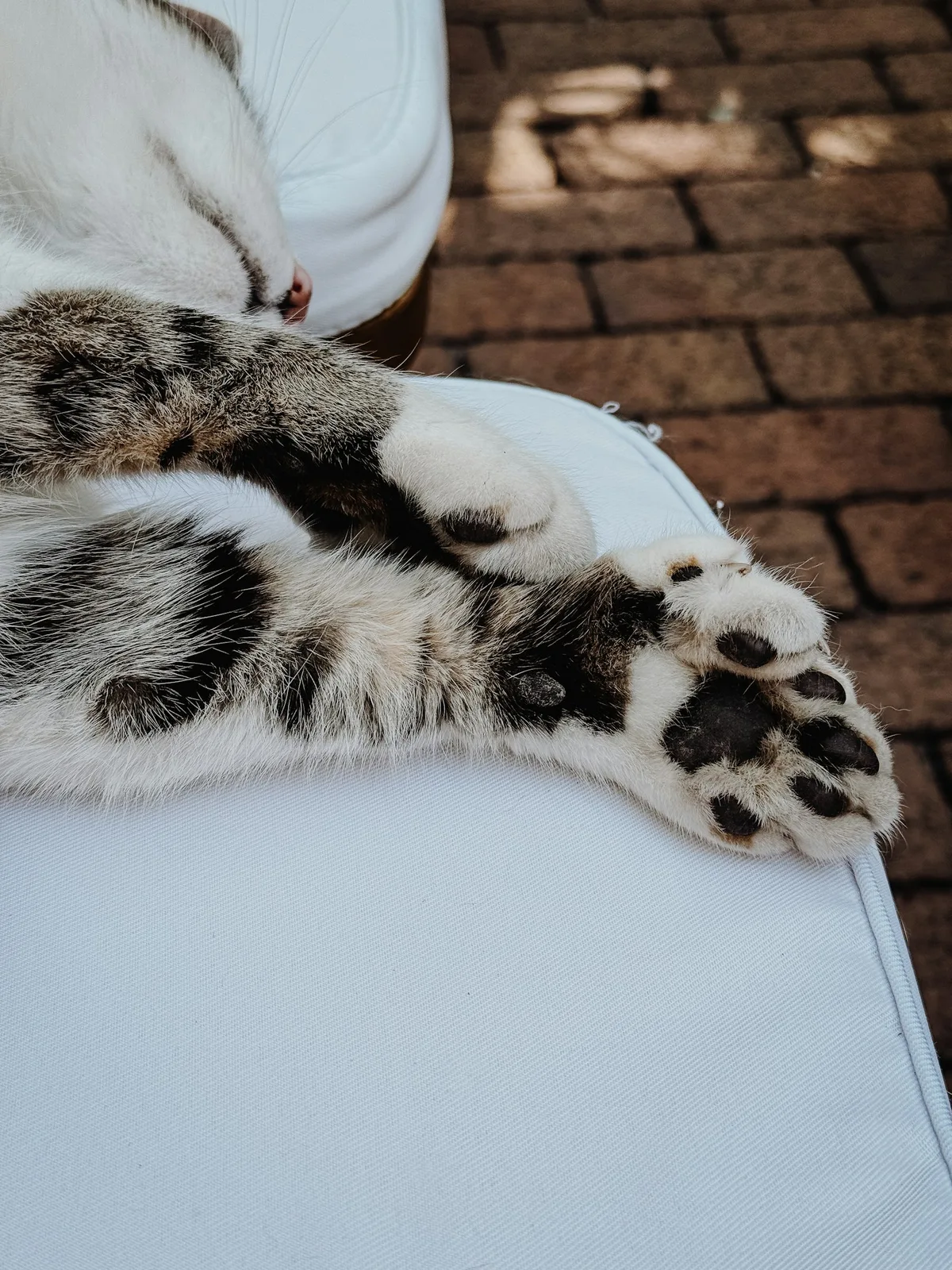
The grounds are also home to a colony of cats, many of them polydactyl, or six-toed. Counts vary by source and year, from around 40 to 59, with roughly half polydactyl. Legend traces them to a white six-toed cat named Snow White, said to have been given to the family by a sea captain, although members of Hemingway's family have disputed that he kept cats in Key West. The cats carry the names of celebrities. A cat cemetery stands in the garden.
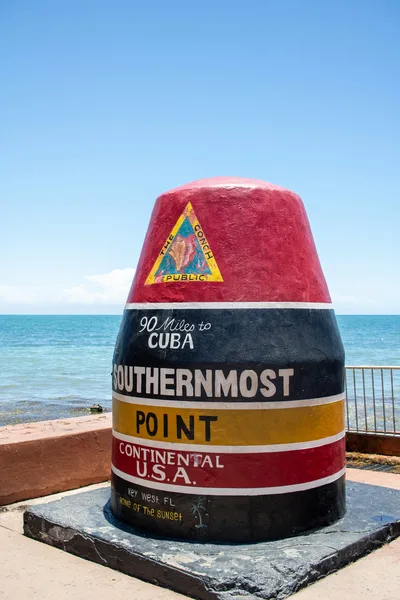
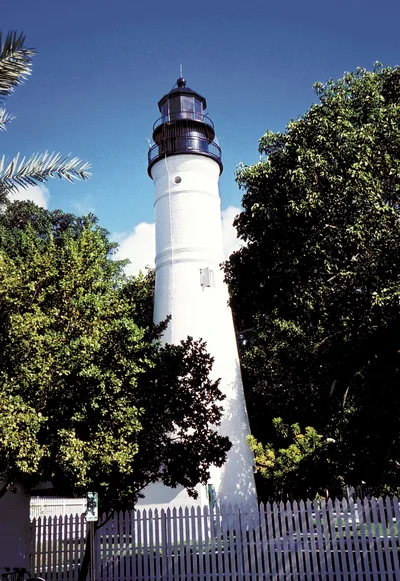
The Key West Lighthouse stands directly across the street, and the Southernmost Point Buoy is a short walk to the south. Duval Street and the Gulf-side waterfront are a few blocks north and west.
See every tour and attraction we cover in Key West.