TorontoOntario · 36 tours
 Niagara FallsOntario · 25 tours
 New York CityNew York · 30 tours
 Las VegasNevada · 8 tours
 San FranciscoCalifornia · 16 tours
 VancouverBritish Columbia · 17 tours
 DubaiUAE · 54 tours
 Abu DhabiUAE · 5 tours
 Buenos AiresArgentina · 23 tours
 AthensGreece · 31 tours
 AucklandNew Zealand · 38 tours
 CancunMexico · 54 tours
No destinations match “”. Try searching all tours instead — that search understands full questions, not just place names.
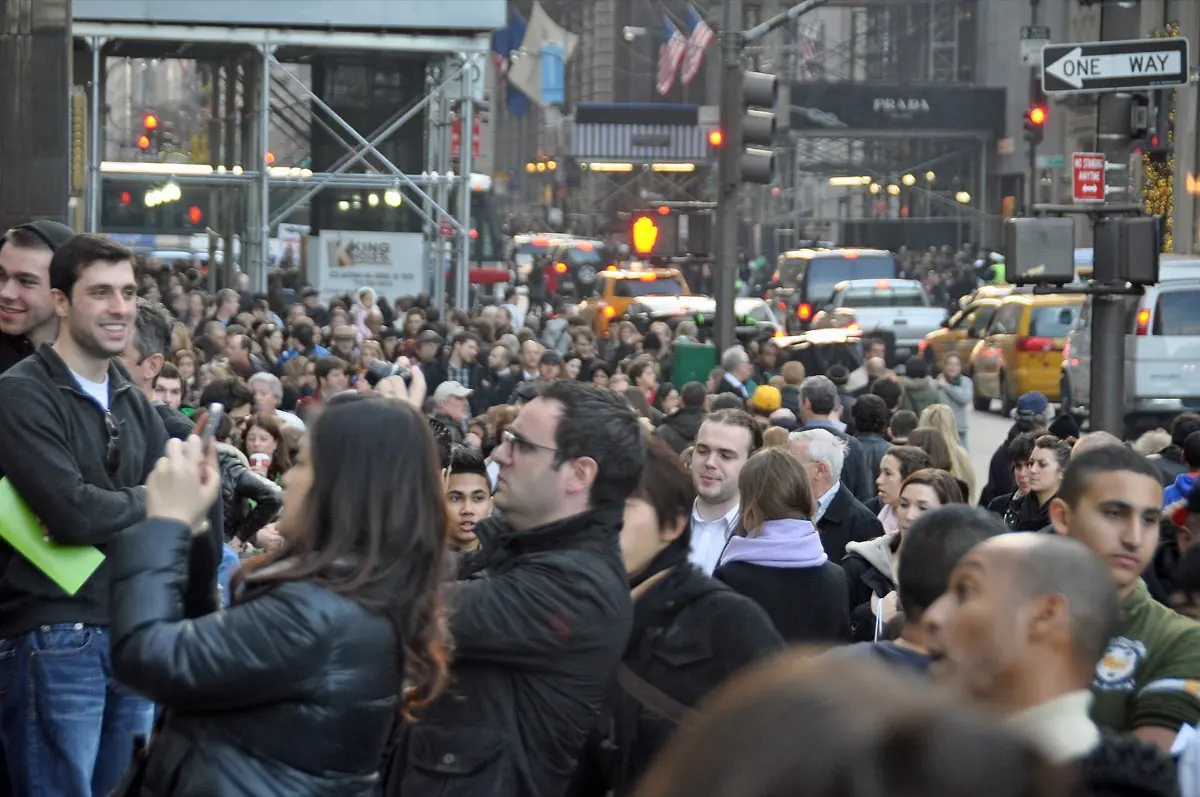
One of the world's most famous shopping streets, running through the heart of Midtown.
Visitor guide
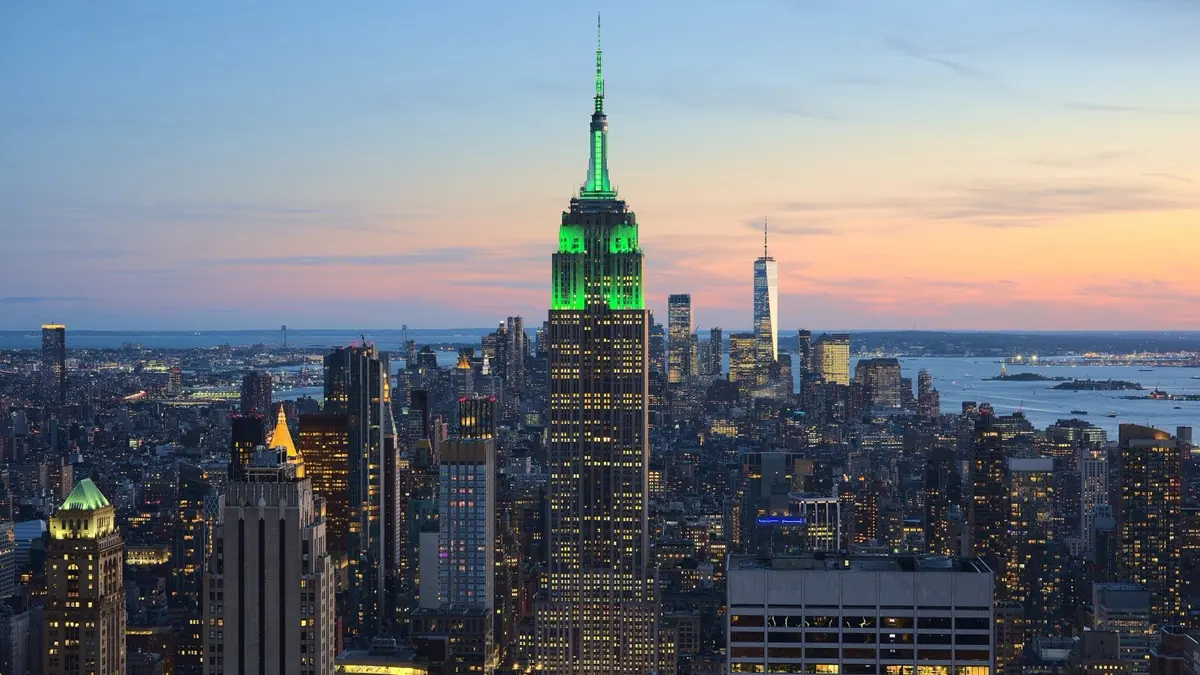
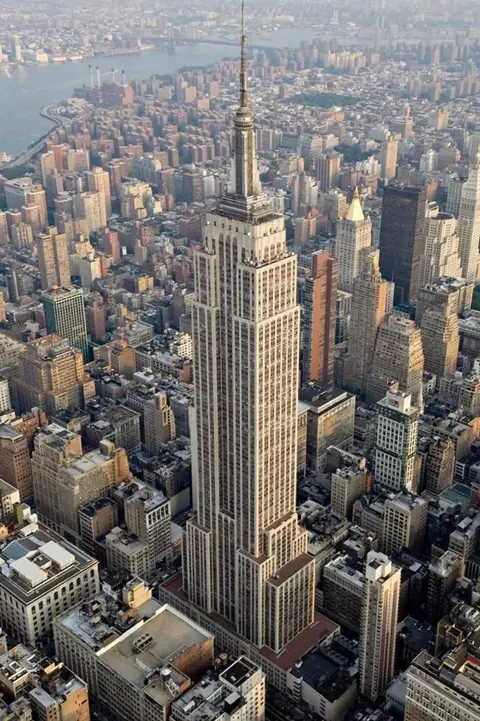
Fifth Avenue is the spine of Manhattan's east side, a street of about 6.2 miles that runs from Washington Square North in Greenwich Village up to West 143rd Street in Harlem. Along the way it passes the Flatiron Building, the Empire State Building, the New York Public Library, Rockefeller Center and the Plaza Hotel, and it has been a byword for wealth, retail and parades for well over a century.
The avenue traces back to the Commissioners' Plan of March 1811, the grid that shaped Manhattan. That plan drew heavily on earlier surveys by Casimir Goerck, whose 'Middle Road' became Fifth Avenue. For decades afterward the street was mostly residential. Henry Brevoort's house at Ninth Street was finished in 1834, 'Marble Row' went up between 57th and 58th Streets in 1868-1870, and several Vanderbilt residences appeared in the late 1870s, so that the blocks south of Central Park were later nicknamed 'Vanderbilt Row.'
The long stretch of mansions facing Central Park, from 59th to 96th Street, became known as 'Millionaire's Row.' The avenue's character began to change in the early twentieth century. The roadway south of Central Park was widened in 1908 and 1911, and big retailers followed: the B. Altman building was completed between 1906 and 1914, Lord & Taylor in 1914, Saks Fifth Avenue in 1924 and Bergdorf Goodman in 1928-29. In 1916 the Burden mansion at 72nd Street became the first Millionaire's Row house above 59th Street to be demolished for an apartment building, a sign of what was coming.
Traffic management was a story of its own. In 1920-1922 the Fifth Avenue Association paid for seven 23-foot bronze traffic towers that cut travel time between 34th and 57th Streets from about 40 minutes to 15, and in 1929 they were replaced by signals topped with figures of Mercury that stayed until 1964. Two-way traffic ran the length of the avenue until January 14, 1966, when everything below 135th Street became one-way southbound.
The Midtown blocks remain a major shopping corridor. Sources ranked the 49th-57th Street stretch as the world's most expensive retail space per square foot in the 1990s, and Forbes named Fifth Avenue the world's most expensive street in 2008. Retail has not always been a given: in the early 1970s, after many upscale stores moved or closed, the city adopted a special zoning district in 1971 to protect shopping frontages.
Farther north, the avenue changes personality along Central Park. 'Museum Mile' runs roughly from 82nd to 110th Street, with the Metropolitan Museum of Art at 82nd Street and the Guggenheim, which opened in 1959, at 88th-89th. Wikipedia counts nine museums along the route, while the annual Museum Mile Festival, first held on June 26, 1979 and now on the second Tuesday in June, has recently listed eight participating institutions, so counts vary with how the mile is defined.
Fifth Avenue is also New York's parade route. The St. Patrick's Day Parade is the longest-running of them, the Puerto Rican Day Parade uses the avenue, and the Pride March is the exception to the usual direction, traveling north to south. Fifth Avenue also divides the city's east and west street numbering, so East 59th Street and West 59th Street meet at the avenue.
No subway line runs directly beneath Fifth Avenue, and most of it has a bus lane rather than a bike lane. Marcus Garvey Park interrupts the avenue between 120th and 124th Streets. City plans to redesign the Midtown blocks have been announced, so check current street conditions and any closures before a visit.
On a Voyzo private tour, a private vehicle and driver can collect you door to door and pick the stretch that matches your interests, whether that is the Midtown shops and landmarks or the museum blocks beside the park, without you having to work out buses or crosstown walks.
See every tour and attraction we cover in New York City.