TorontoOntario · 36 tours
 Niagara FallsOntario · 25 tours
 New York CityNew York · 30 tours
 Las VegasNevada · 8 tours
 San FranciscoCalifornia · 16 tours
 VancouverBritish Columbia · 17 tours
 DubaiUAE · 54 tours
 Abu DhabiUAE · 5 tours
 Buenos AiresArgentina · 23 tours
 AthensGreece · 31 tours
 AucklandNew Zealand · 38 tours
 CancunMexico · 54 tours
No destinations match “”. Try searching all tours instead — that search understands full questions, not just place names.
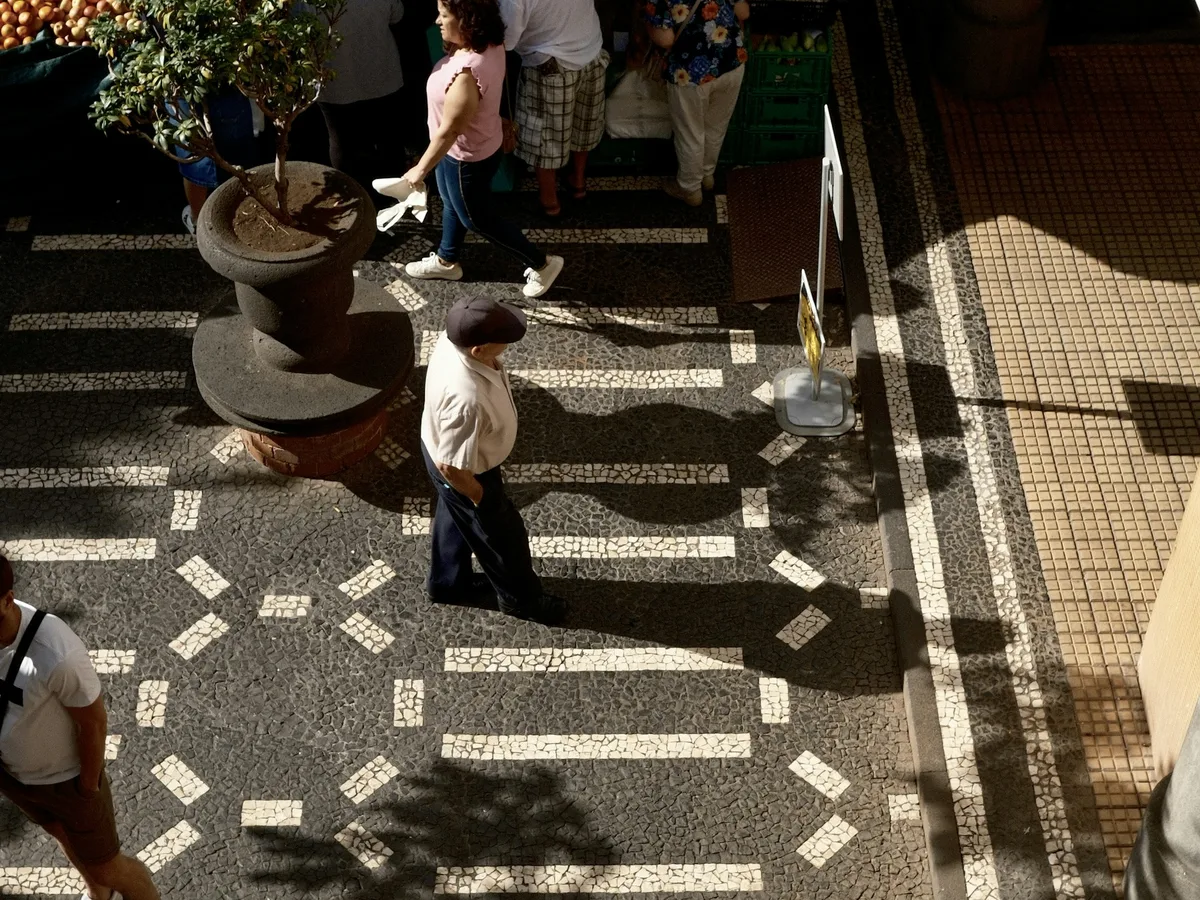
Funchal's historic waterfront district, with the Rua de Santa Maria's colorfully painted doors and the Mercado dos Lavradores farmers' market nearby.
Visitor guide
Funchal Old Town, known as the Zona Velha, is the historic seafront district of Funchal, the capital of Madeira, Portugal. Its narrow streets, restored buildings and brightly painted doors are tied to a city that Wikipedia describes as settled in the early fifteenth century and elevated to city status in 1508.
Funchal takes its name from funcho, the Portuguese word for fennel, which grew wild where settlers arrived. Wikipedia explains that João Gonçalves Zarco founded the urban core with his family, with settlement beginning between about 1420 and 1425. Funchal became a vila and municipal seat in the early 1450s, and the late fifteenth-century sugar boom made it the island's main sugar industrial centre. King Manuel I elevated Funchal to a city in 1508 and the bishopric moved there in 1514.
The Sé Cathedral, dedicated to Nossa Senhora da Assunção, was begun in 1493 and became a cathedral in 1514. French corsairs under Bertrand de Montluc sacked the city in 1566 for about fifteen days, after which the military architect Mateus Fernandes III remodelled the defences. The Forte de São Tiago, an early-seventeenth-century fort built against corsair attacks, overlooks the Atlantic near the marina; the contemporary art museum housed there from 1992 moved to Calheta in 2015. Wikipedia also notes the 17th-century merchant houses in Funchal, which often had several floors, wine cellars and sometimes a watch tower.
The Old Town's best-known street is Rua de Santa Maria. A tourism guide says it was mentioned as early as 1430, though sources vary. Since around 2010 to 2011 the Arte de Portas Abertas project has invited artists to paint the doors of abandoned or neglected buildings, with most of the work on Rua de Santa Maria and nearby lanes. Estimates of the number of painted doors vary between sources, but accounts suggest around 200. The project is described as aiming to turn the oldest part of the city into an open-air gallery,. The Mercado dos Lavradores farmers' market is a short walk from the Old Town.
Wine culture developed early. Wikipedia says that by 1455 the Venetian explorer Luis de Cadamosto praised Madeira wines, and English merchants arrived in the seventeenth century and shaped the island's economy and architecture. Funchal's climate is subtropical Mediterranean, with warm, dry summers and cooler, wetter winters, and sea temperatures between about 18 and 24 degrees Celsius. Notable visitors over the years have included Empress Elisabeth of Austria, Emperor Charles I of Austria, who lived in exile in Madeira, and Winston Churchill, who painted there.
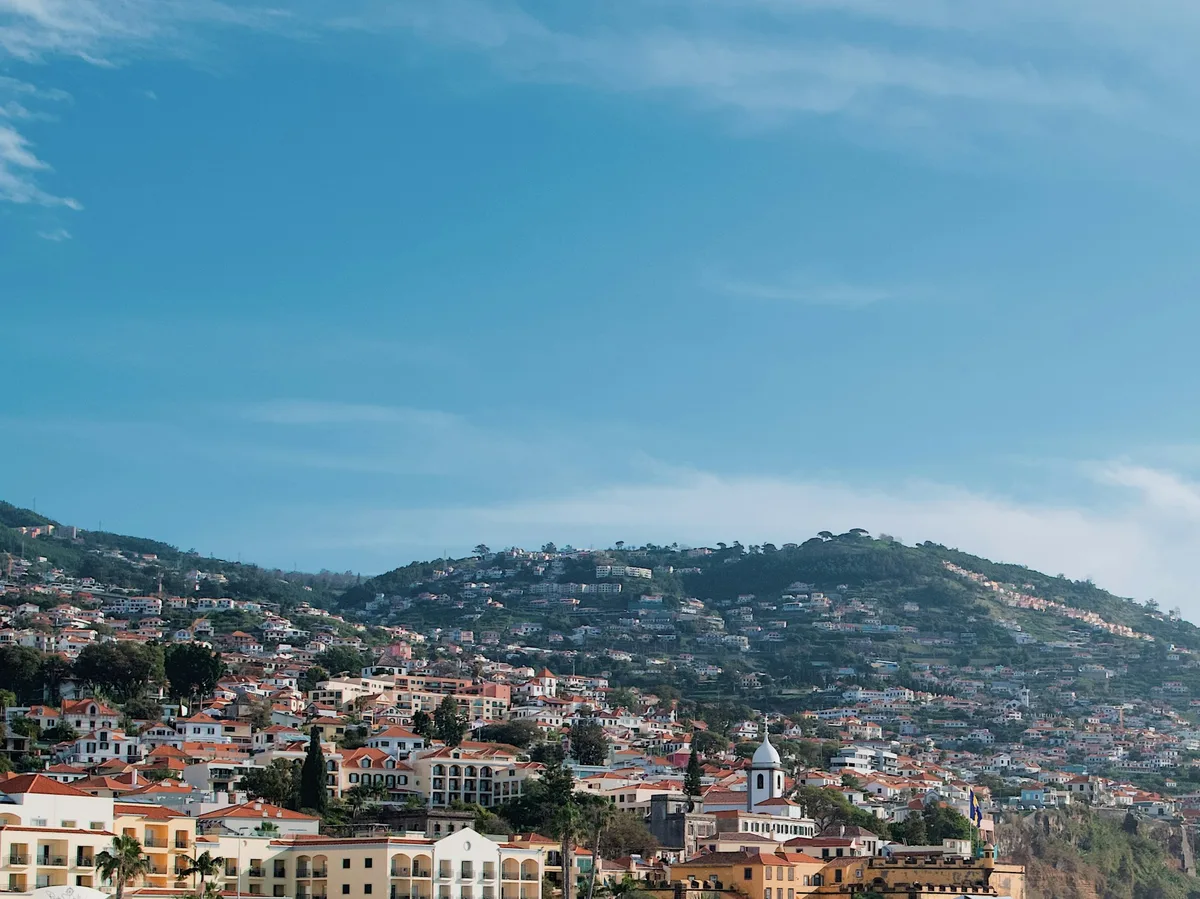
The city is built in an amphitheatre-shaped valley rising to about 1,200 metres, and the Old Town sits at the lowest, seafront level. A cable car links the city with Monte and the botanical gardens. The Old Town is compact and walkable, and a private guide helps with the history behind its doors, churches and waterfront.
See every tour and attraction we cover in Madeira.