TorontoOntario · 36 tours
 Niagara FallsOntario · 25 tours
 New York CityNew York · 30 tours
 Las VegasNevada · 8 tours
 San FranciscoCalifornia · 16 tours
 VancouverBritish Columbia · 17 tours
 DubaiUAE · 54 tours
 Abu DhabiUAE · 5 tours
 Buenos AiresArgentina · 23 tours
 AthensGreece · 31 tours
 AucklandNew Zealand · 38 tours
 CancunMexico · 54 tours
No destinations match “”. Try searching all tours instead — that search understands full questions, not just place names.
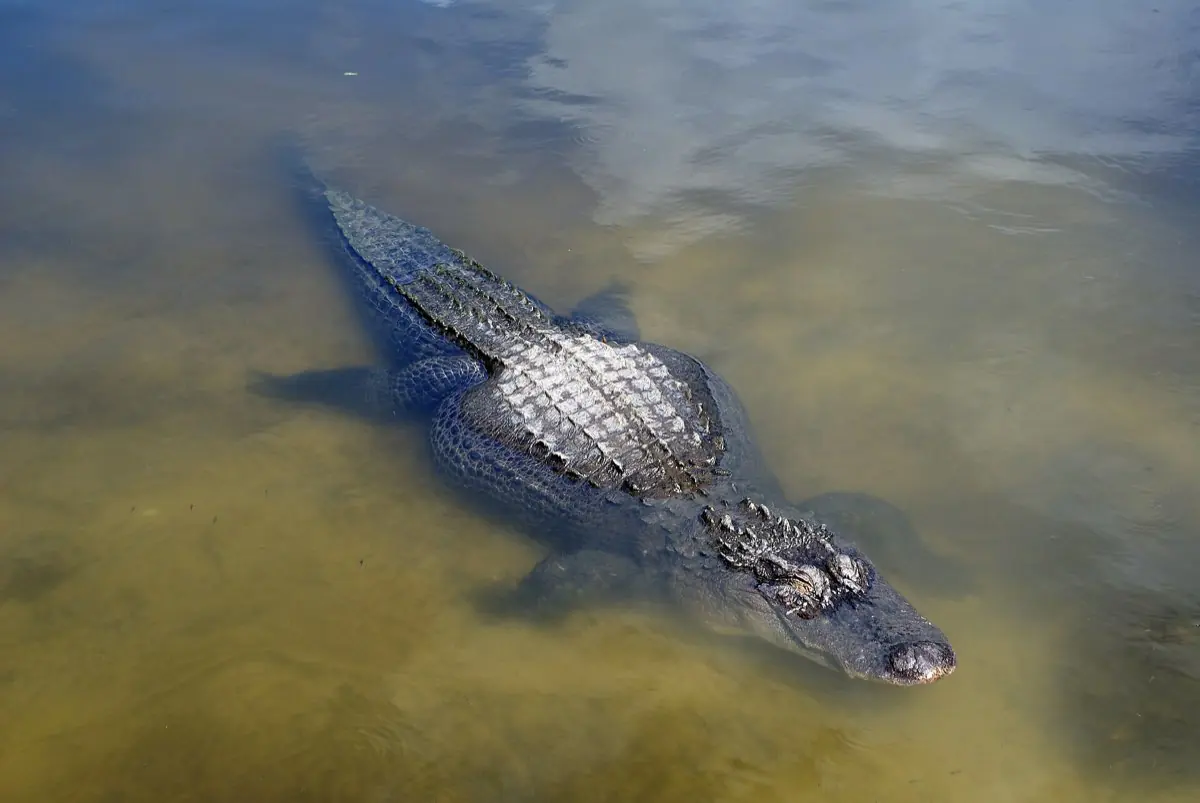
A longtime Florida attraction park focused on alligators, crocodiles, and native wildlife.
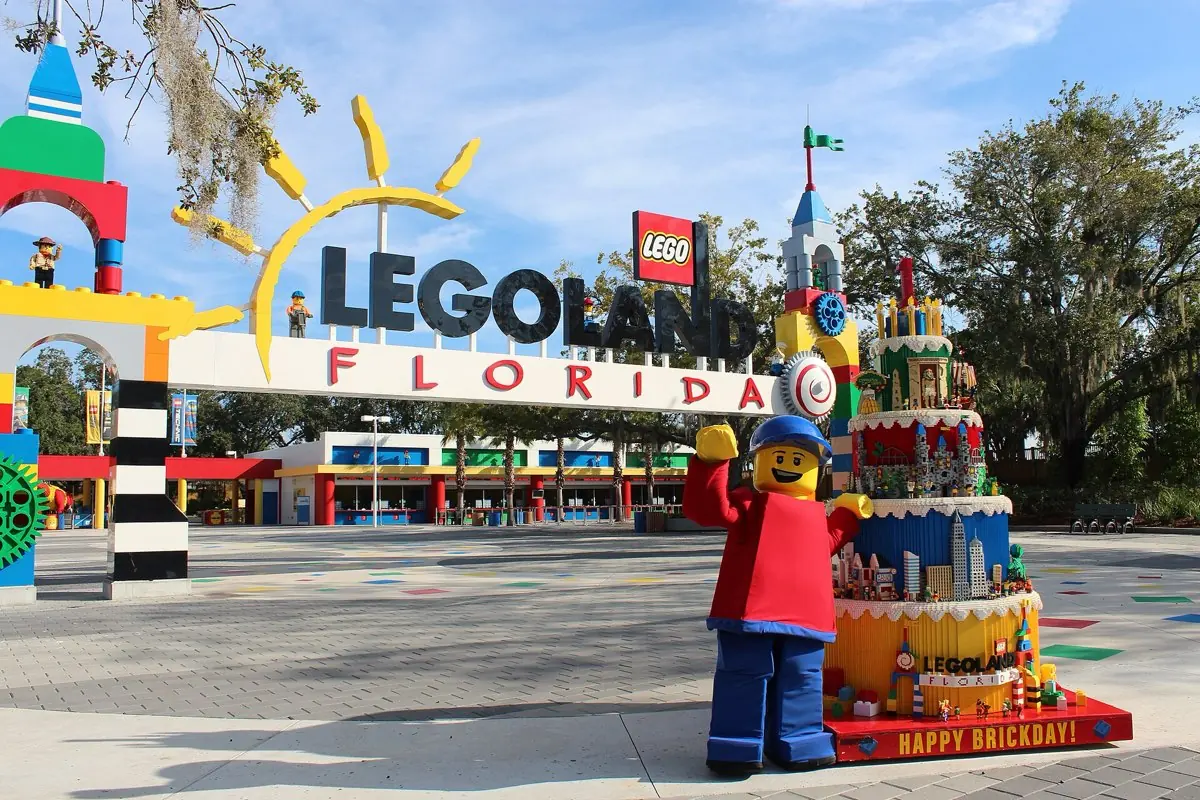 Private Tours Popular Pick
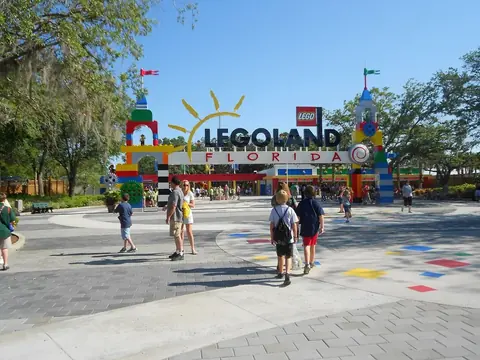
A private family day trip from Orlando to LEGOLAND Florida Resort in Winter Haven — door-to-door transportation so you can skip the parking and shuttle lines.
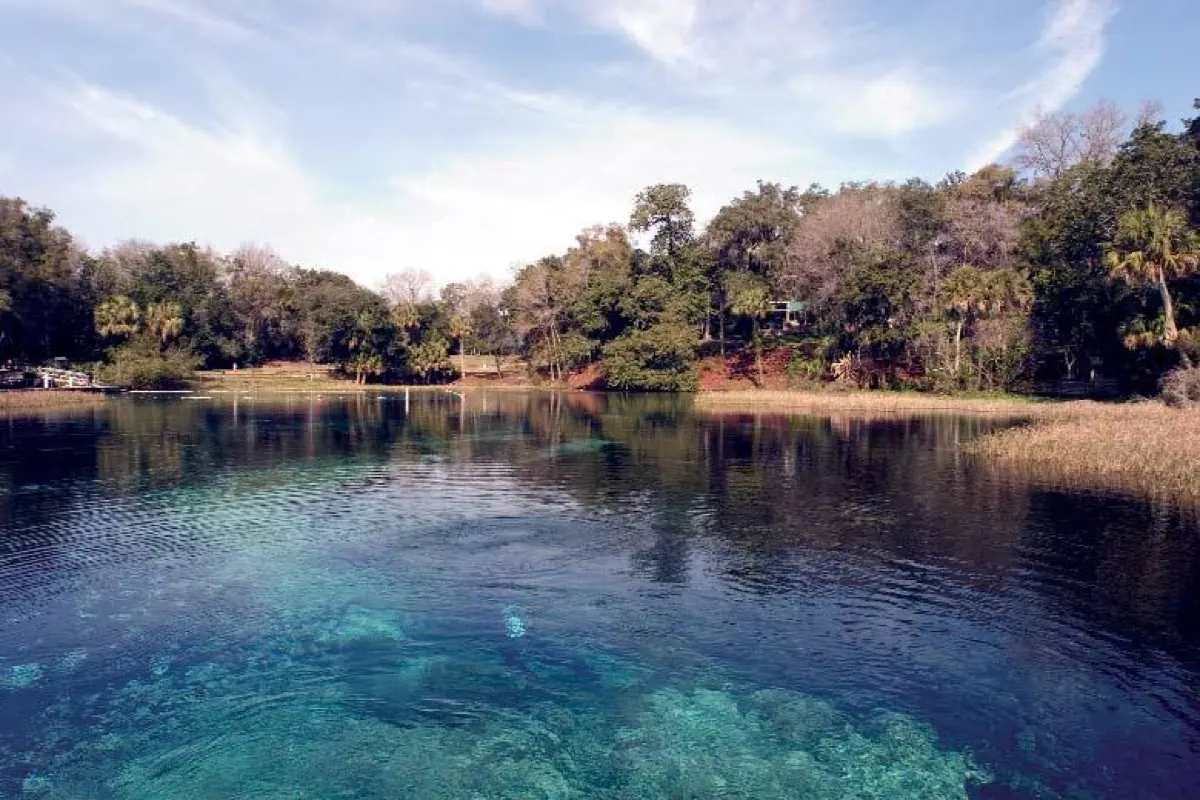 Private Tours
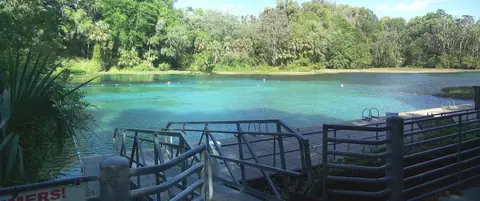
A private day trip from Orlando to Rainbow Springs — kayaking and snorkeling through some of Florida's clearest spring-fed water, with private transportation both ways.
Visitor guide
Gatorland is a family-owned wildlife park on South Orange Blossom Trail south of Orlando, covering about 110 acres. Founded in 1949 by Owen Godwin, it is one of Central Florida's oldest roadside attractions and still calls itself the "Alligator Capital of the World."
According to the park's own historical timeline, Owen Godwin Sr. was born in 1905 and grew up on a relative's homestead at Rattlesnake Hammock on the Kissimmee River, where children earned tips by showing snakes and alligators to steamboat passengers. In the 1930s he built an alligator pit behind his Sebring home while working as a butcher and postmaster, and his wife Pearl sold gator-themed souvenirs from her kitchen. After World War II he bought a 16-acre parcel off Highways 17/92 and 441 in Kissimmee in 1947. It was a borrow pit that had supplied dirt for the new highway, and the timeline says three people invested $100 each. Godwin, Pearl and their four children cleared palmettos and planted pine trees in 1948.
The attraction opened in 1949 as the Florida Wildlife Institute, with a stockade-style gift shop whose thatched roof was built by Seminole workers. Godwin later renamed it Snake Village and Alligator Farm, worried that "Institute" sounded like a government body, and it took the name Gatorland in 1954. The family incorporated the business in 1970. After Owen Godwin Sr. died in 1975, his son Frank became president and led the park's first major expansion; Mark McHugh, a former SeaWorld curator and Frank's son-in-law, became chief executive in 1996.
A huge crocodile called Bone Crusher, bought from a Miami breeder in the 1950s, became an early draw; the park billed him as the world's largest captive crocodile. According to the timeline, the park noted third-generation hatchlings from Bone Crusher's line in 2023.
Frank Godwin also designed the park's gaping gator-jaw entrance, which the park's timeline dates to 1962 and which became one of Central Florida's best-known roadside landmarks. A narrow-gauge train, the Gatorland Express, runs on a 2-foot-gauge track; Wikipedia dates its opening to 1961 while the park timeline places the first train run in 1965, so sources differ. A replacement locomotive entered service in 2001. The park's breeding marsh, with its wading-bird rookery, was used as a filming location for Indiana Jones and the Temple of Doom (1984). Gatorland remains privately owned by the Godwin family.
The timeline records a 2,000-foot boardwalk called the Swamp Walk in 1978, the Gator Jumparoo show in 1983, and an 800-seat Gator Stadium in 1991. The same 1991 expansion opened a roughly ten-acre alligator breeding marsh with an observation tower and boardwalk. Thousands of wading birds nest above the marsh, and the park describes it as one of the largest rookeries in Central Florida. Alligator Alley, a children's area with a petting zoo and a lorikeet aviary, debuted in 1997, and Jungle Crocs of the World, a two-acre crocodile exhibit, followed in 1998.
The park keeps thousands of alligators, along with crocodiles and other reptiles, and is known for its white and leucistic alligators. The White Gator Exhibit opened in 2009 and the larger White Gator Swamp in 2019, and the park reported the birth of the first leucistic alligators in human care in 2023. The Breeding Marsh is home to wading birds as well as alligators. Live shows, feedings and animal presentations run through the day. A zip line over an alligator pool was added in summer 2011, and the park says it ran over about 1,200 feet of line. Gator Gauntlet, a single accessible zip line, followed in 2016, and the Stompin' Gator Off-Road Adventure, a swamp-buggy ride, arrived in December 2017 as part of a $2 million expansion the park describes as its largest since 1949.
Gatorland has long said it takes in nuisance alligators that trappers would otherwise sell for meat and hides. In 1979 it began alligator-reproduction research with the University of Florida and the Florida Wildlife Commission, funded in part by a $20,000 park grant, and in 2018 it created Gatorland Global, a conservation and education program. Check the park for current details on its programs.
Gatorland is a half-day stop for most visitors, which pairs with other south Orlando sights. Show times, extra-cost activities and hours change, so check Gatorland's website before you go.
Voyzo can add Gatorland to a custom private Orlando itinerary, with your own driver handling pickup and drop-off at the door.
See every tour and attraction we cover in Orlando.