TorontoOntario · 36 tours
 Niagara FallsOntario · 25 tours
 New York CityNew York · 30 tours
 Las VegasNevada · 8 tours
 San FranciscoCalifornia · 16 tours
 VancouverBritish Columbia · 17 tours
 DubaiUAE · 54 tours
 Abu DhabiUAE · 5 tours
 Buenos AiresArgentina · 23 tours
 AthensGreece · 31 tours
 AucklandNew Zealand · 38 tours
 CancunMexico · 54 tours
No destinations match “”. Try searching all tours instead — that search understands full questions, not just place names.
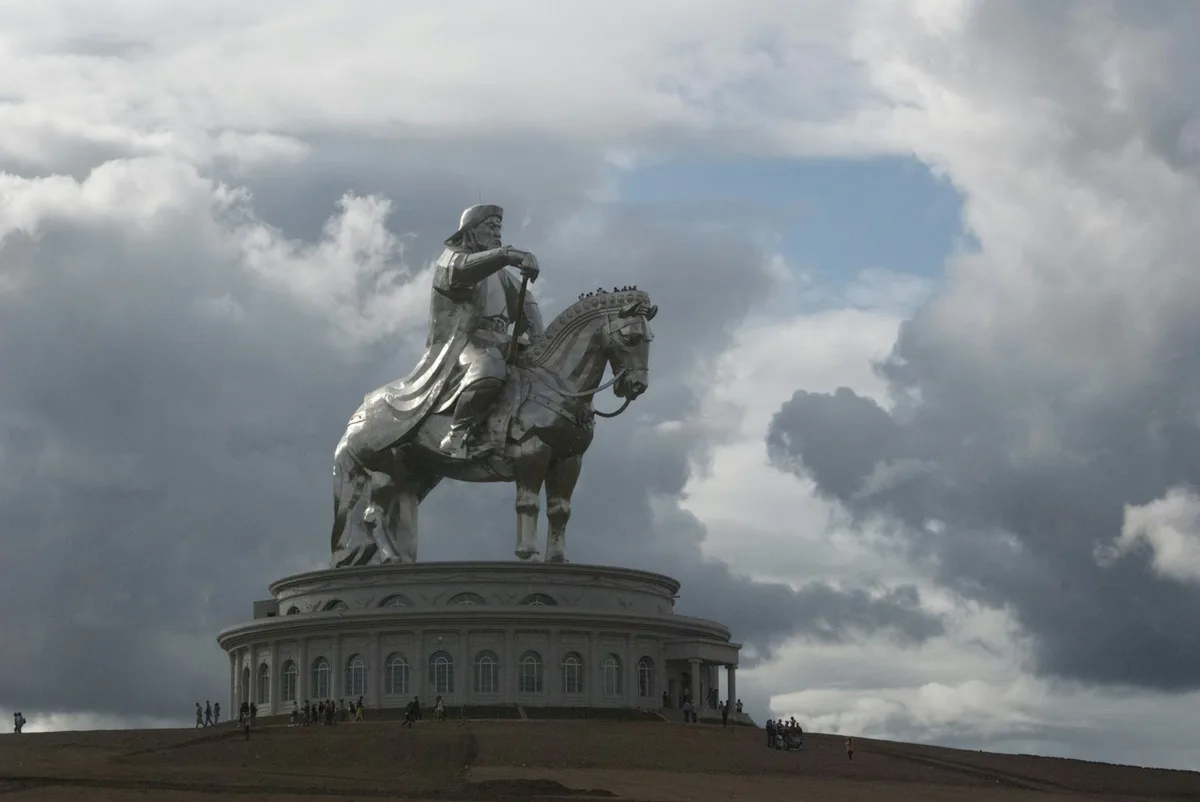
A 40-metre stainless-steel statue of Genghis Khan on horseback at Tsonjin Boldog, about 54 km from Ulaanbaatar — the world's tallest equestrian statue, built in 2008 to mark the Mongol Empire's 800th anniversary.
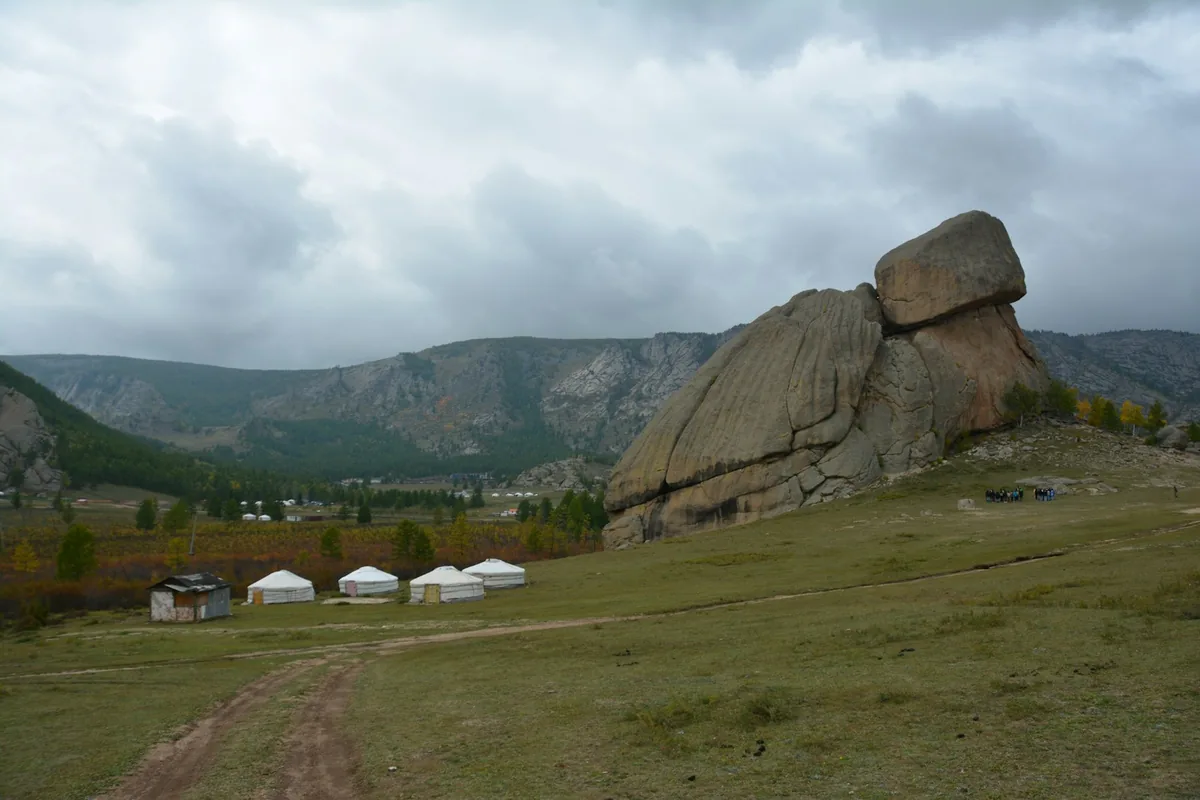 Multi-Day Tours
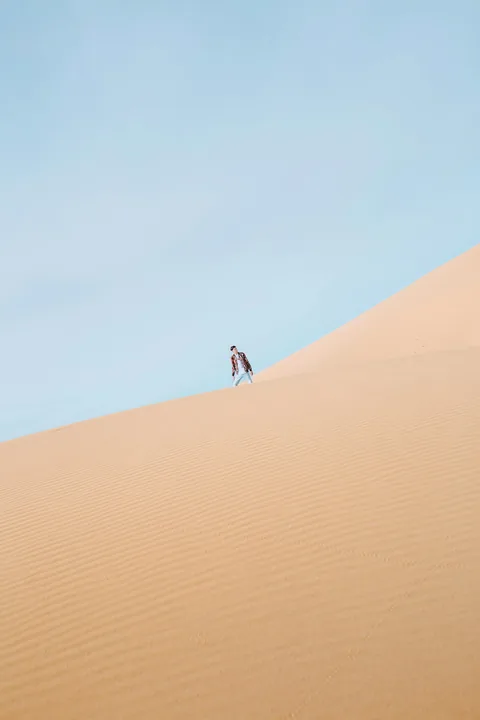
An 8-day trip pairing Ulaanbaatar's sights and the Gobi Gurvan Saikhan National Park's Flaming Cliffs and sand dunes with the opening ceremony of Mongolia's Naadam Festival.
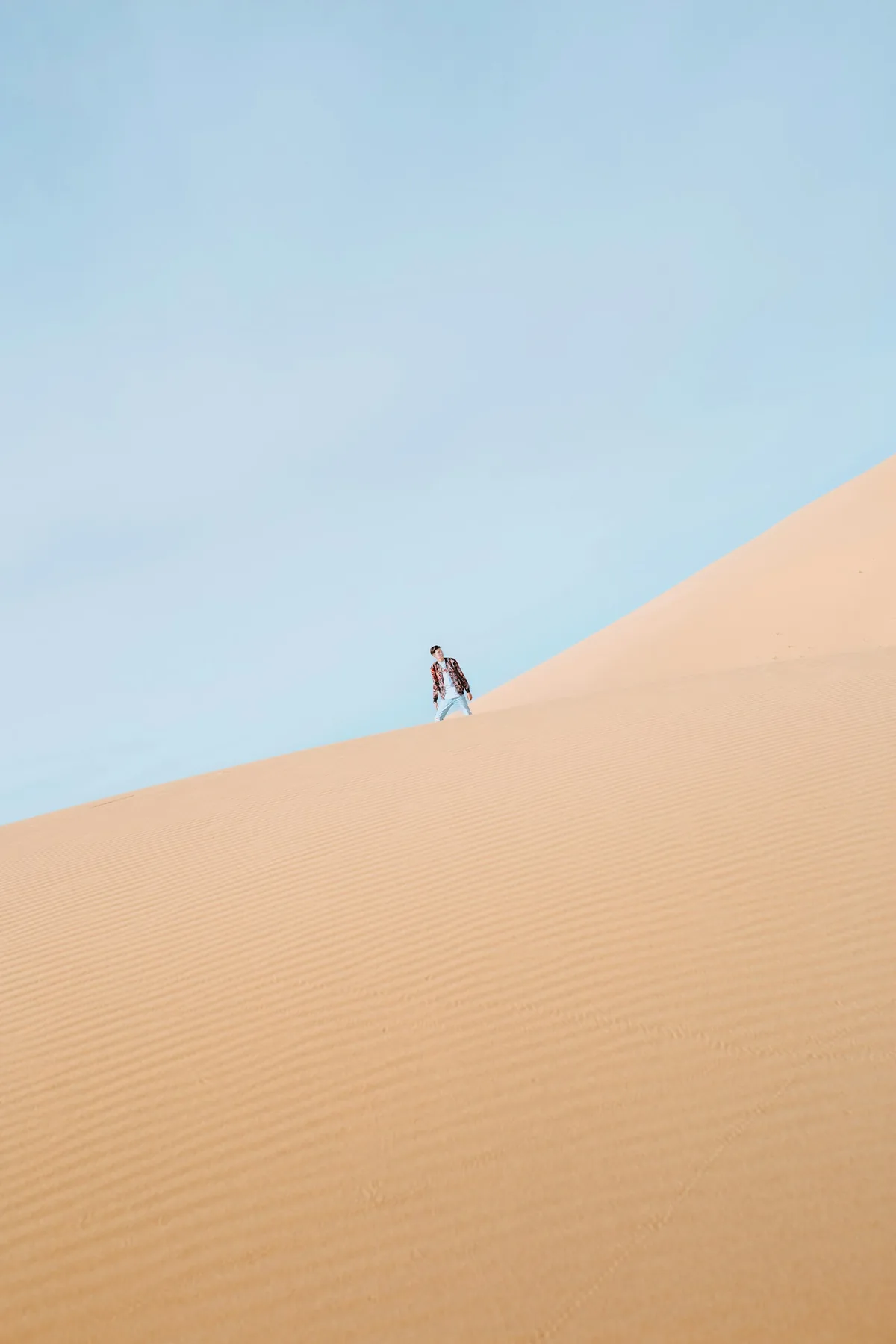 Multi-Day Tours
A 10-day route from Ulaanbaatar through central Mongolia's monasteries and nomadic villages to the South Gobi's Flaming Cliffs, Khongor sand dunes, and Yolyn Am gorge.
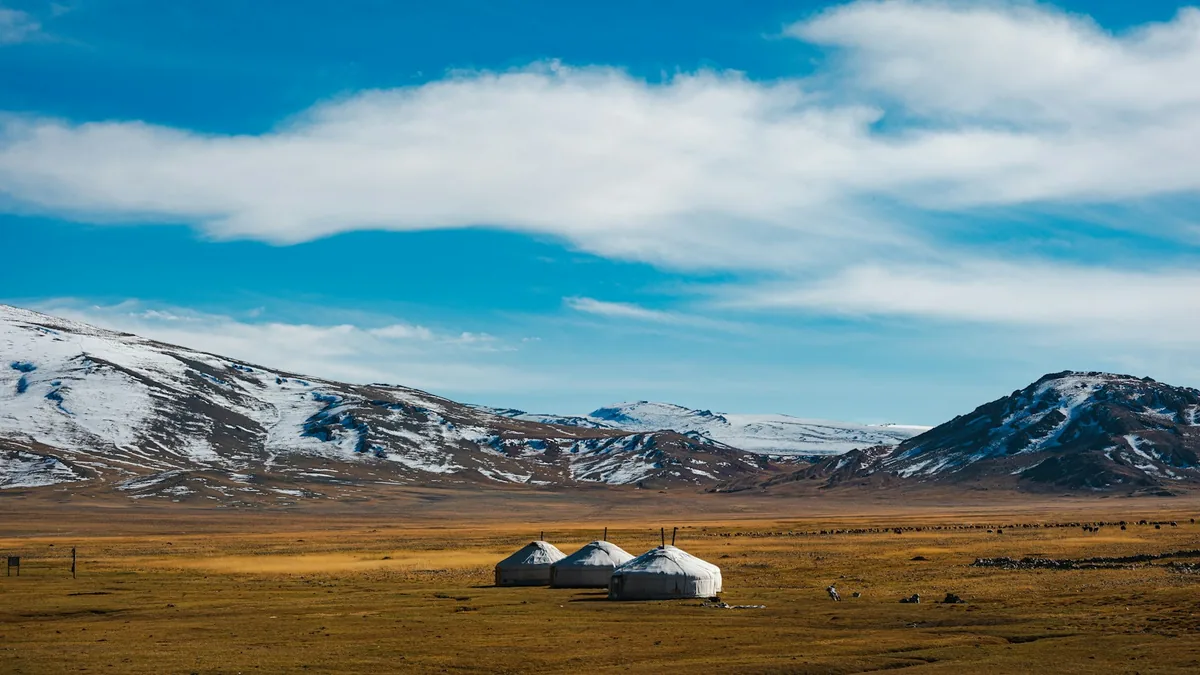 Multi-Day Tours
A 20-day, full-country traverse — Khövsgöl Lake in the far north, the Orkhon Valley and Khangai Mountains, and the South Gobi's Flaming Cliffs and Khongor dunes, ending at Gorkhi-Terelj.
Visitor guide
The Genghis Khan Equestrian Statue is a 40-metre stainless-steel monument at Tsonjin Boldog, about 54 kilometres east of Ulaanbaatar, Mongolia. Opened in 2008, it is described by Wikipedia as the world's tallest equestrian statue.
The statue shows Genghis Khan on horseback, and Wikipedia credits sculptor D. Erdenebileg and architect J. Enkhjargal with the design. It stands on top of a visitor complex about 10 metres tall, so the overall structure is considerably taller than the figure alone. The complex has 36 columns representing the 36 khans from Genghis Khan to Ligdan Khan. The monument was erected and opened in 2008 to mark the 800th anniversary of the founding of the Mongol Empire. Wikipedia reports the complex reportedly cost US 4.1 million dollars and was built by the Genco Tourism Bureau, a Mongolian company.
The site lies near the Tuul River in the Nalaikh area of the steppe east of the capital. According to legend, Genghis Khan found a golden whip at this spot, which gave the place its name, Tsonjin Boldog. This is a tradition rather than a documented historical event. The statue faces east, symbolically toward Khentii Province, which is regarded as his birthplace.
Visitors can enter through the body of the horse. Wikipedia describes a route through the chest and neck to the head, where a viewing area offers panoramic views over the steppe. The visitor centre beneath the statue is part of the same complex. The monument stands on open grassland, so it is visible from a distance and contrasts sharply with the surrounding landscape.
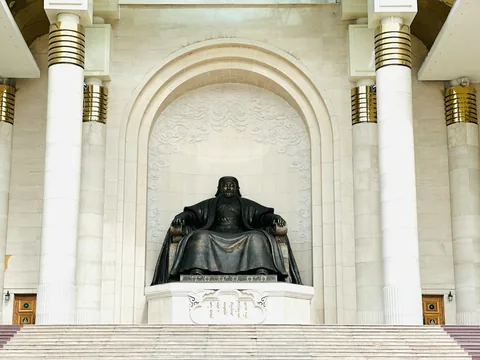
Genghis Khan is the founder of the Mongol Empire and remains a central national figure in modern Mongolia. His image appears across public spaces, including the seated statue on the Government Palace in Ulaanbaatar's Sukhbaatar Square. The equestrian monument at Tsonjin Boldog is the most prominent expression of this pride in the open countryside. It was timed to the 800th anniversary of the founding of the Mongol Empire, according to Wikipedia. Ulaanbaatar's Sukhbaatar Square also honours Genghis Khan with a colonnade, completed in 2006, that includes his son Ogedei and grandson Kublai, so the steppe monument and the city monument together present the founder of the empire as a unifying national symbol.
The statue is a common excursion from Ulaanbaatar and is often combined with a visit to Gorkhi-Terelj National Park, which lies farther east. Because the site is on open steppe, weather can change quickly, and a private vehicle and driver make it easy to pair the stop with other nearby sights. The monument works best as part of a wider day of travel through the Tuul valley and the steppe east of the capital.
See every tour and attraction we cover in Mongolia.