TorontoOntario · 36 tours
 Niagara FallsOntario · 25 tours
 New York CityNew York · 30 tours
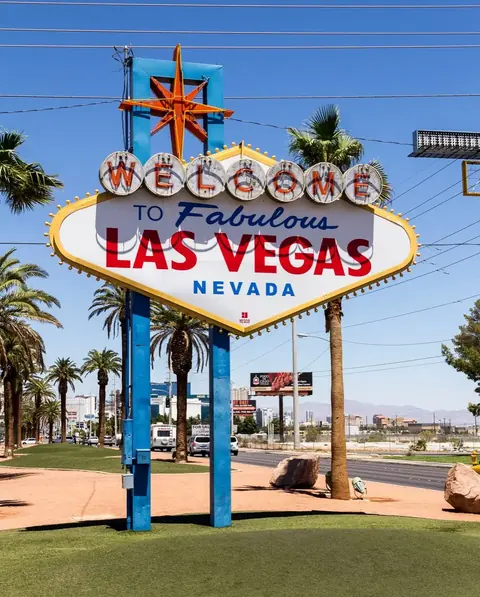
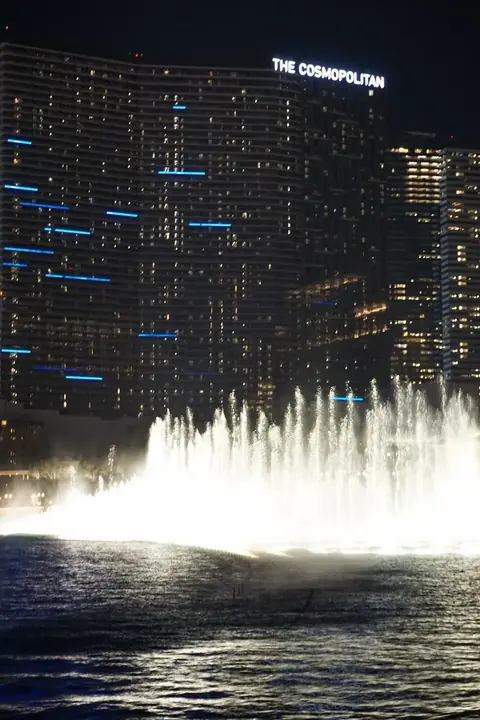
 Las VegasNevada · 8 tours
 San FranciscoCalifornia · 16 tours
 VancouverBritish Columbia · 17 tours
 DubaiUAE · 54 tours
 Abu DhabiUAE · 5 tours
 Buenos AiresArgentina · 23 tours
 AthensGreece · 31 tours
 AucklandNew Zealand · 38 tours
 CancunMexico · 54 tours
No destinations match “”. Try searching all tours instead — that search understands full questions, not just place names.
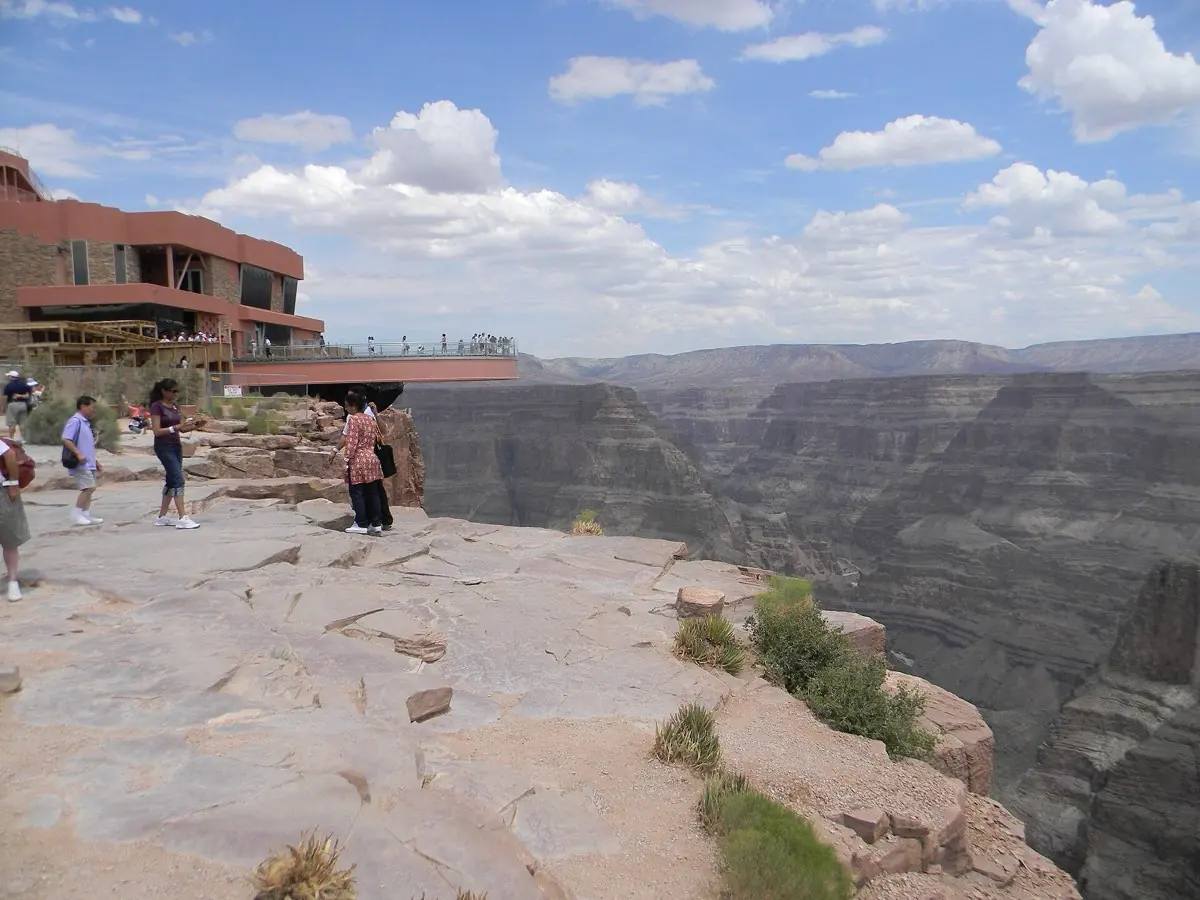
The closest section of the Grand Canyon to Las Vegas, home to the glass Skywalk.
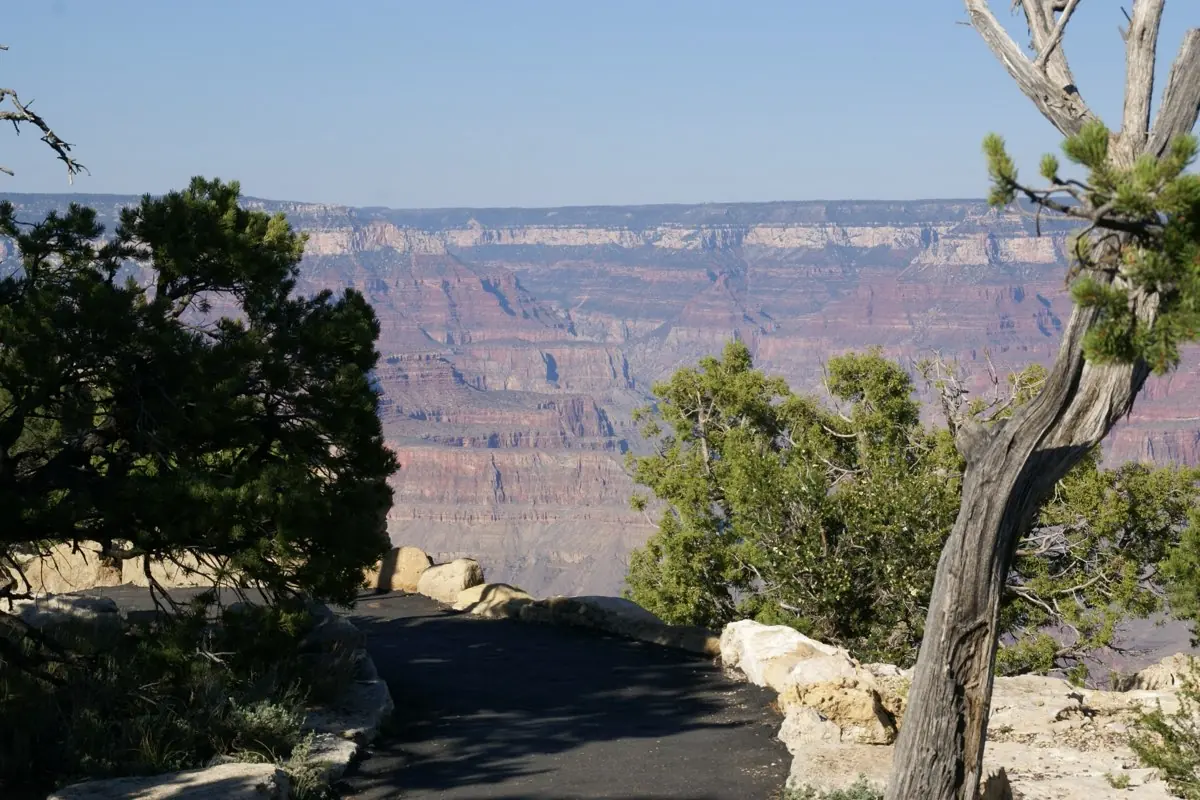 Private Tours Popular Pick
A private, full-day tour from Las Vegas to the Grand Canyon's West Rim, with a Hoover Dam photo stop along the way — in your own vehicle, at your own pace.
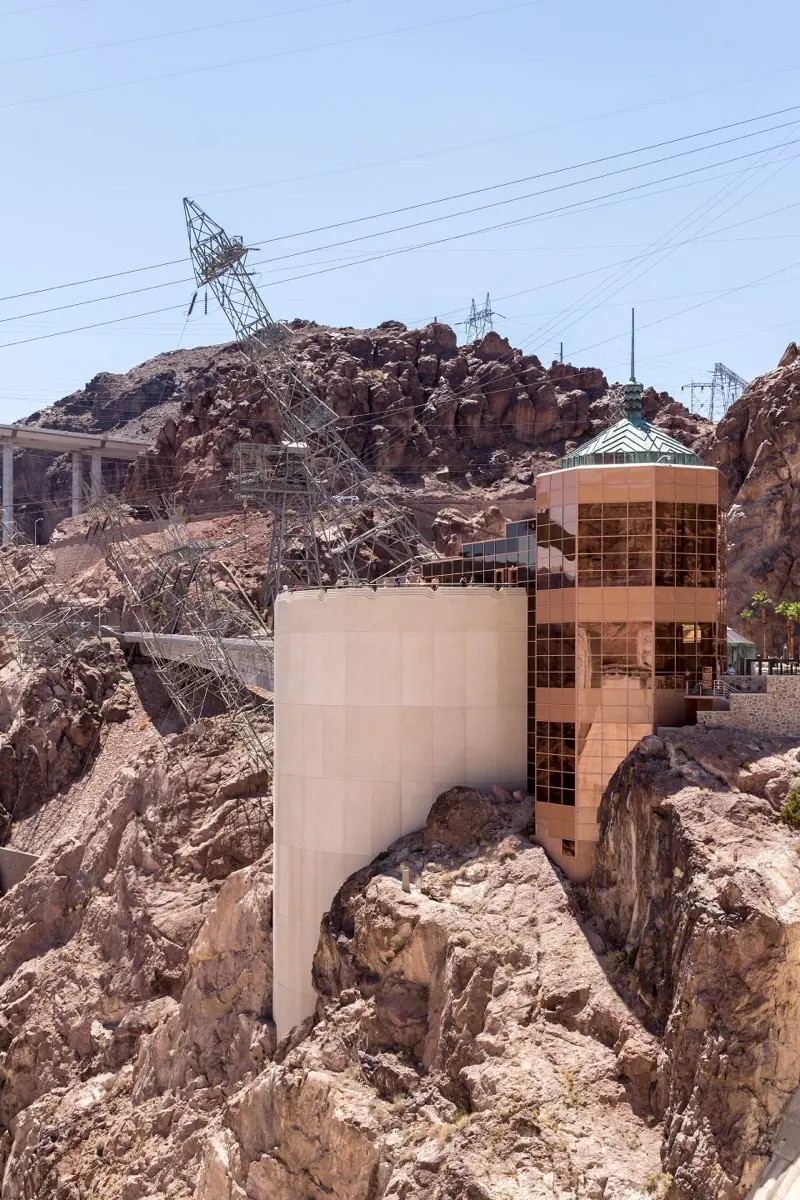 Private Tours
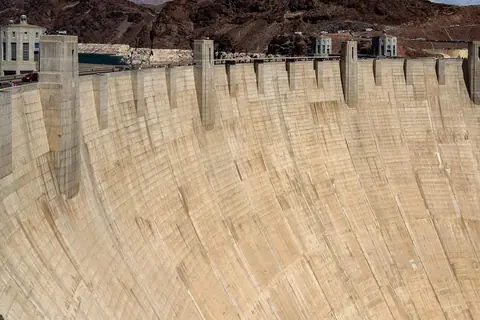
A private tour from Las Vegas to Hoover Dam — the visitor center, the dam overlook, and the Colorado River below — without the longer Grand Canyon excursion.
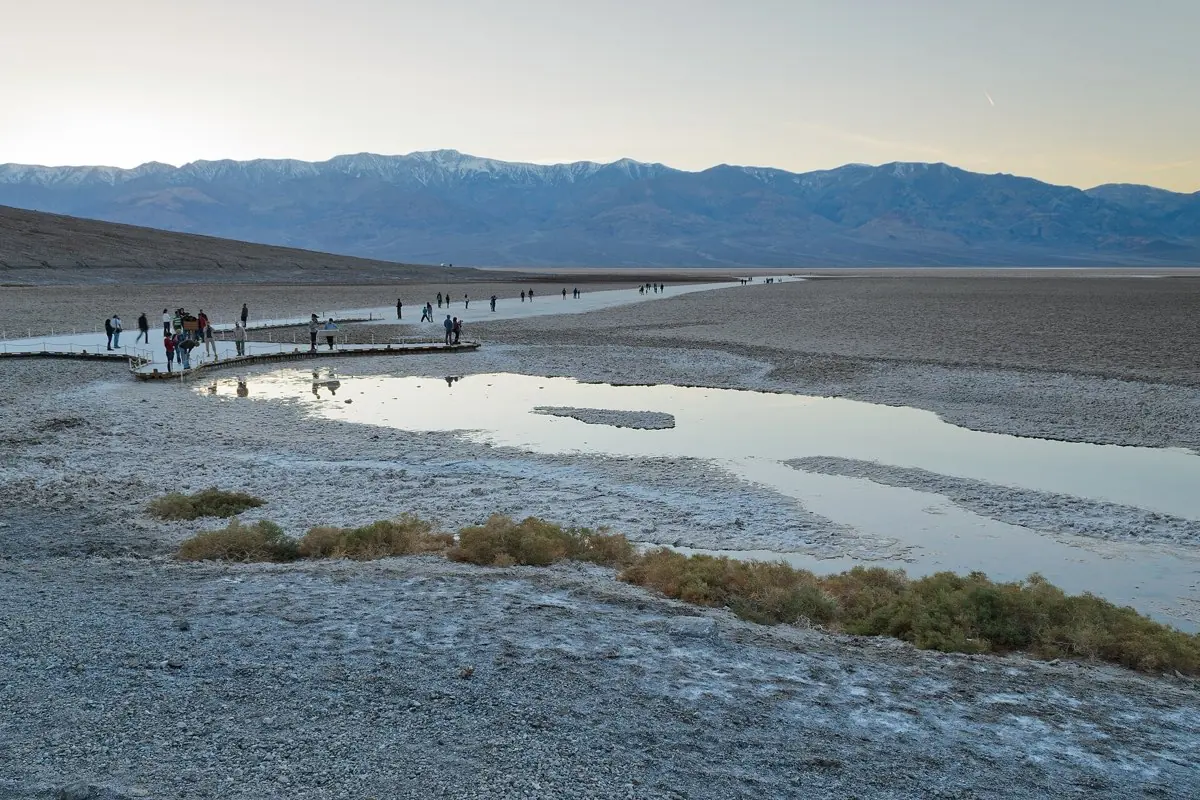 Private Tours
A private full-day tour from Las Vegas into Death Valley National Park — Badwater Basin, Zabriskie Point, and the otherworldly landscape of the lowest point in North America.
Visitor guide
Grand Canyon West is the Hualapai Tribe's tourism area at the northwestern corner of the Hualapai Reservation in Mohave County, Arizona, on the western edge of the Grand Canyon. It is a separate place from the National Park Service-managed South and North Rims, run by the tribe through its own Grand Canyon Resort Corporation, and it is best known for the glass-floored Skywalk.
The Hualapai (the name is usually translated as "people of the tall pines") are the people of this part of the Colorado River country. The reservation was established by executive order in January 1883 and covers roughly 1,142 square miles, with the tribal headquarters at Peach Springs along historic Route 66. About 2,300 citizens are enrolled, a figure that is approximate and drawn from tribal sources. Grand Canyon West itself began in 1988 with a dirt airstrip and tribe-led tours. After a tribal casino venture in the 1990s did not last, the tribe committed to canyon tourism, and the site is now the tribe's main source of revenue and employment.
The Skywalk is a horseshoe-shaped, cantilevered glass walkway at Eagle Point. Sources describe it as extending about 70 feet from its supports, with a deck about 10 feet wide built from several layers of low-iron glass. It was unveiled on March 20, 2007, and opened to the public later that month; its architect was Mark Ross Johnson, and the concept is credited to developer David Jin. The structure was assembled at the rim and rolled into position, and it is designed for a live load of 100 pounds per square foot. Cost figures differ by source, with Hualapai officials citing about $30 million and other accounts higher. Operation moved to the tribe in 2012, and the Skywalk is tribally owned.
The commonly repeated line that the glass hangs "4,000 feet" above the Colorado is a rounded figure. Published elevations put the Skywalk at roughly 4,770 feet and the river near 1,160 feet, and a nearer canyon ledge lies directly beneath the glass, so treat any single drop figure as approximate.
The tribe's own site organizes the area into points. Eagle Point holds the Skywalk, the rock formation known as Eagle Rock, and a Native American Village. Guano Point, at the north end, offers broad canyon views and the remains of an old mining tramway headhouse. Hualapai Point has overnight cabins, horseback options, and a zipline, and Hualapai Ranch is listed with cabins and lodging. The tribe also offers cultural programs, including guided tours, exhibits, and song and dance, and Hualapai-guided Colorado River rafting launches from Peach Springs.
Visitation has grown considerably: the area first passed one million visitors in a year in 2015. Because the land is tribal rather than federal, rules differ from the national park. Sightseeing helicopters here are not bound by the national park's flight limits, and motorized river boats operate on the Colorado, both of which are unusual for the Grand Canyon.
Admission, permits, shuttles, and which points are open all vary, and the Skywalk has its own rules about what may be carried onto the glass, so check Grand Canyon West and the Hualapai Tribe directly for current details. Distances from Las Vegas are long enough that planning matters. On a private tour from Las Vegas, a private vehicle and driver handles the road with door-to-door pickup, leaving your group free to spend its time at the rim rather than behind the wheel.
See every tour and attraction we cover in Las Vegas.