TorontoOntario · 36 tours
 Niagara FallsOntario · 25 tours
 New York CityNew York · 30 tours
 Las VegasNevada · 8 tours
 San FranciscoCalifornia · 16 tours
 VancouverBritish Columbia · 17 tours
 DubaiUAE · 54 tours
 Abu DhabiUAE · 5 tours
 Buenos AiresArgentina · 23 tours
 AthensGreece · 31 tours
 AucklandNew Zealand · 38 tours
 CancunMexico · 54 tours
No destinations match “”. Try searching all tours instead — that search understands full questions, not just place names.
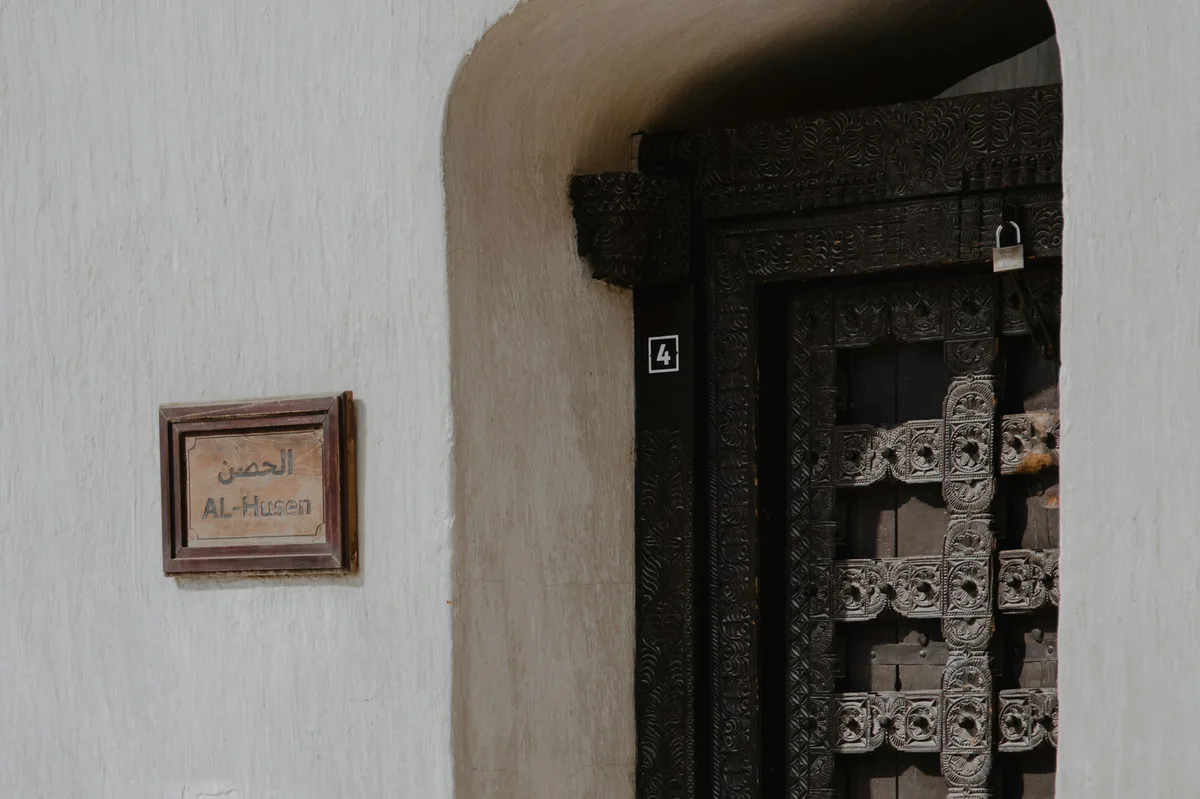
A living-history museum showing traditional Emirati forts, homes, and crafts from before the modern UAE.
Visitor guide
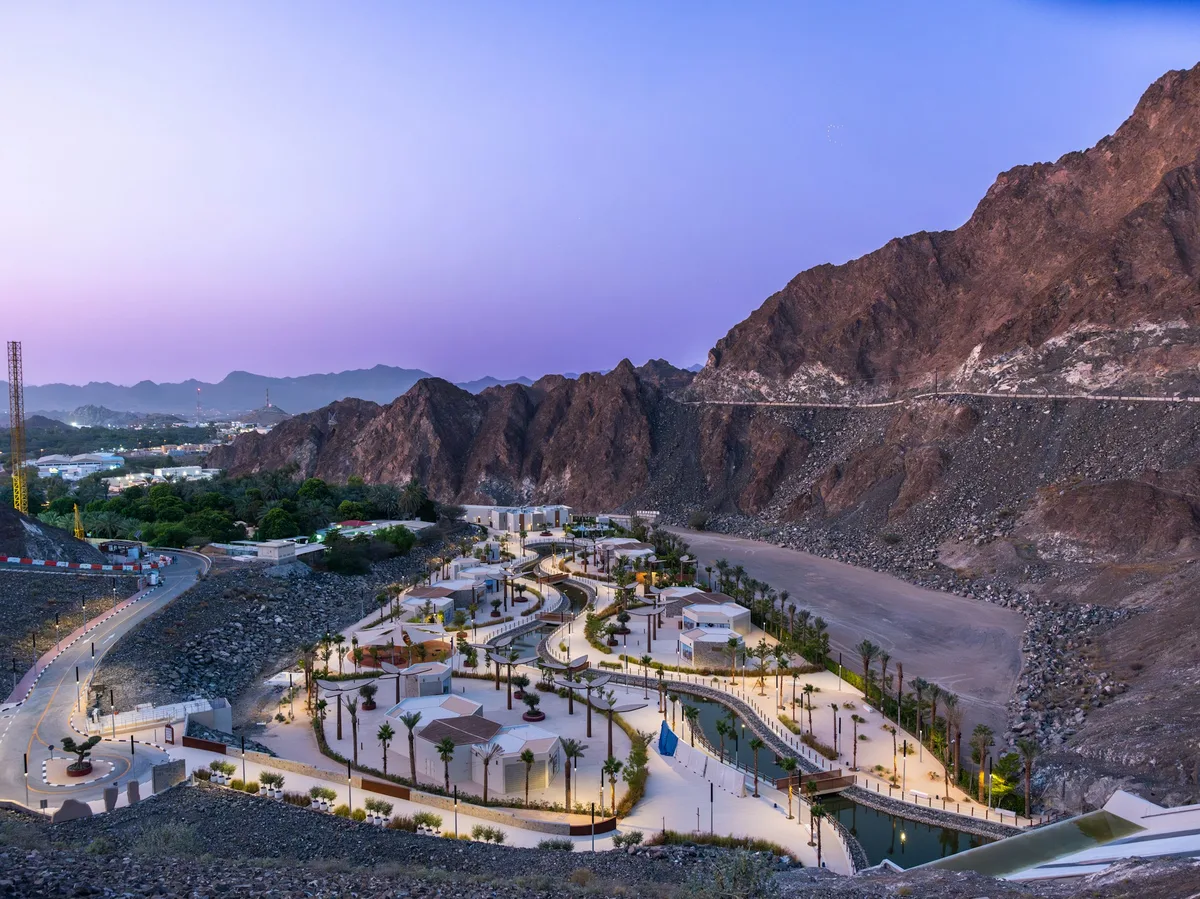
Hatta Heritage Village is a reconstruction of a traditional mountain village in Hatta, an exclave of Dubai in the Hajar Mountains of the United Arab Emirates. It shows how people lived in the area before modern development, with about 30 buildings made of local materials.
Wikipedia describes the site as a reconstruction of a traditional mountain village whose mosque and houses were originally built of mud, palm trunks and fronds (barasti), reeds and stone. It lists 30 buildings, many with furnishings typical of the UAE before development began from the 1960s. The village opened to the public in February 2001 after extensive renovation and is owned and managed by Dubai's culture authority, and Dubai Municipality is credited in the Hatta article with restoring the original village. It is in the centre of Hatta and, as Wikipedia notes, holds celebrations during the Dubai Shopping Festival.
The old village has two military towers dating to the 1880s according to Wikipedia, which also records a fort from 1896 and the Juma mosque, built in 1780 and described as the oldest building in Hatta. Wikivoyage instead calls the towers 18th-century, so the dating of the towers is uncertain. The Hatta article says the two castles on the outskirts of the village were built to protect and guard the area and have been restored, with a pathway to reach them. Ancestral burial chambers from the Hafit period, about 3200 to 2500 BC, lie in the east of the village, and some have been renovated and rebuilt.
Hatta was formerly known as Hajarain, a name still in use as late as 1906. Wikipedia says it became a dependency of Dubai during the reign of Hasher bin Maktoum after the Omani Sultan Turki bin Said transferred the territory, finding himself unable to defend it against the Na'im of Buraimi who had settled neighbouring Masfout. Wikivoyage gives a slightly different account, in which the village of Hajarain in Wadi Hatta was granted to Sheikh Rashid I Maktoum, and dates the change to around 1850 or the late 19th century. The sources therefore agree that the transfer happened in the 19th century but not on the details.
The traditional water supply was the falaj, a gravity-fed channel system also found in Oman, the UAE and Iran, and the Hatta falaj has been restored near the village. Wikivoyage mentions a falaj tunnel about 587 metres long. Date palms were historically grown here, the fruit serving as food and the tree as building material, and the mountain setting shows how farming and defence depended on scarce water. Hatta's higher altitude also made it a traditional summer retreat for families from the hot, humid coast.
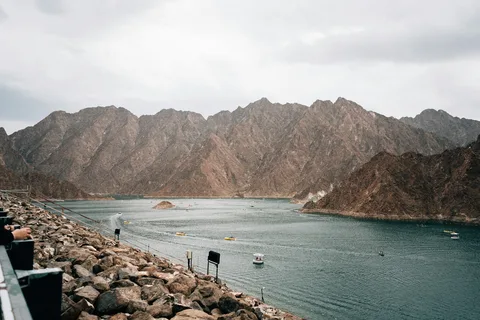
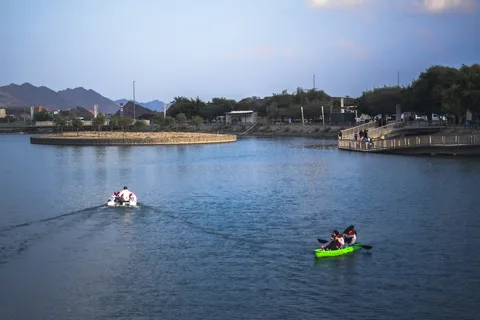
The village sits in a landscape of the Hajar range, a mountain system about 700 kilometres long across northern Oman and eastern UAE. In November 2016 Sheikh Mohammed bin Rashid Al Maktoum announced a plan to develop Hatta as a tourism destination, with over 40 projects. Exhibits and opening arrangements can change, so confirm details when planning. A private tour with a driver pairs the village easily with Hatta Dam and the hill park.
See every tour and attraction we cover in Hatta.