TorontoOntario · 36 tours
 Niagara FallsOntario · 25 tours
 New York CityNew York · 30 tours
 Las VegasNevada · 8 tours
 San FranciscoCalifornia · 16 tours
 VancouverBritish Columbia · 17 tours
 DubaiUAE · 54 tours
 Abu DhabiUAE · 5 tours
 Buenos AiresArgentina · 23 tours
 AthensGreece · 31 tours
 AucklandNew Zealand · 38 tours
 CancunMexico · 54 tours
No destinations match “”. Try searching all tours instead — that search understands full questions, not just place names.
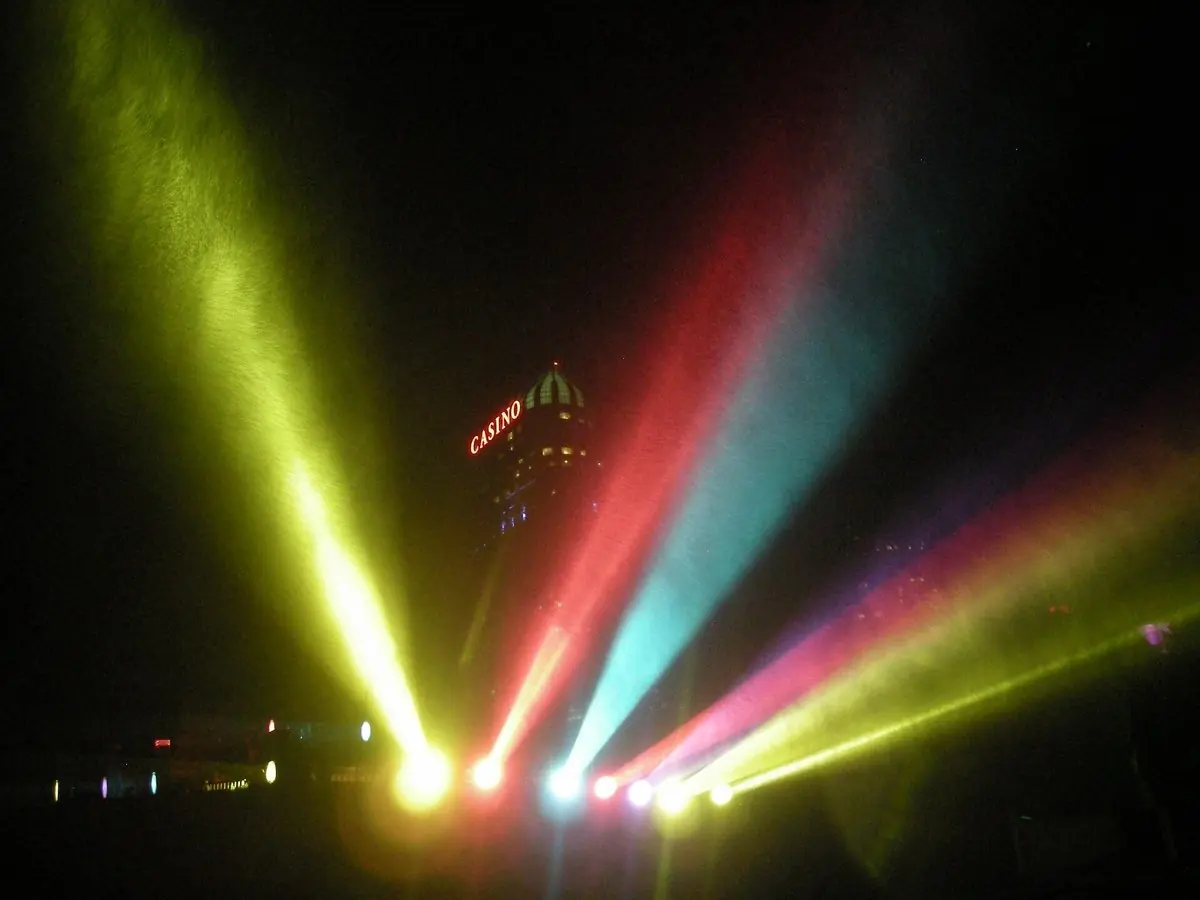
The Falls lit in shifting colour every evening after dark, one of the most popular free sights in the region.
 Private Tours Popular Pick30% off
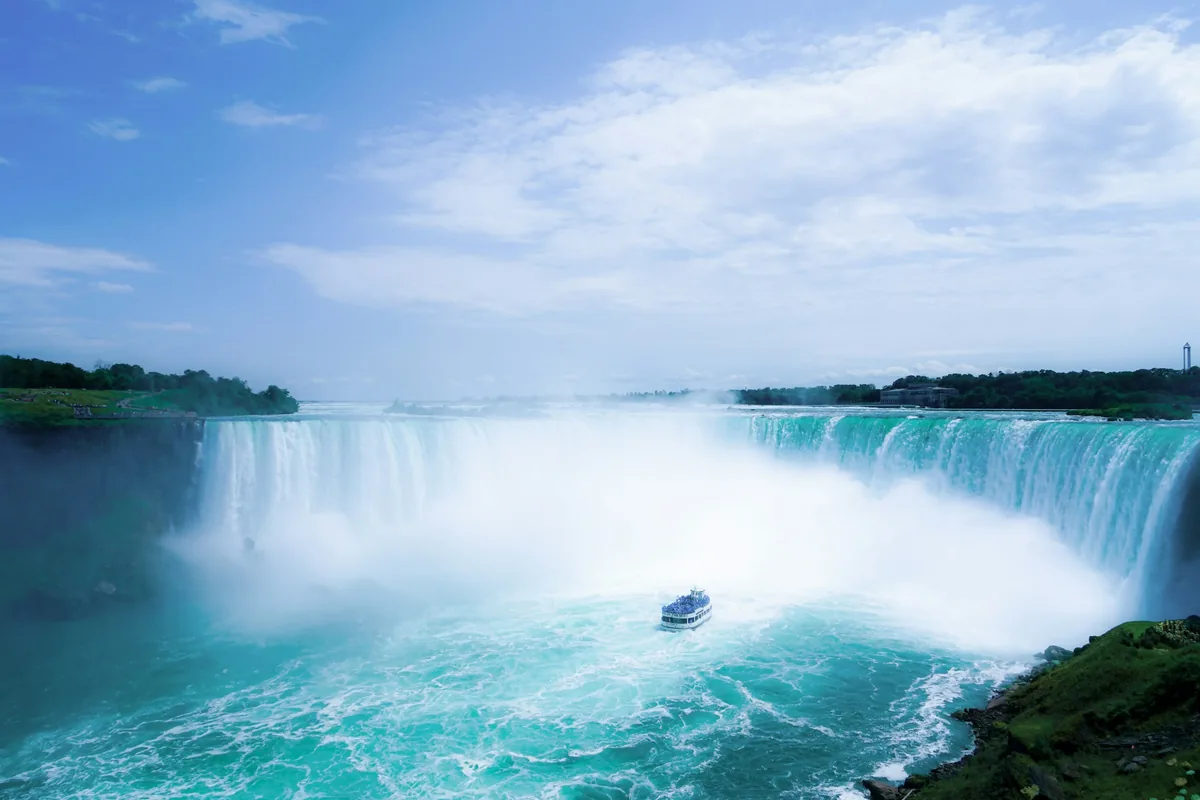
A private Niagara Falls day trip for your group only, with a licensed, insured driver-guide and door-to-door pickup anywhere in the GTA.
 Shared Tours30% off
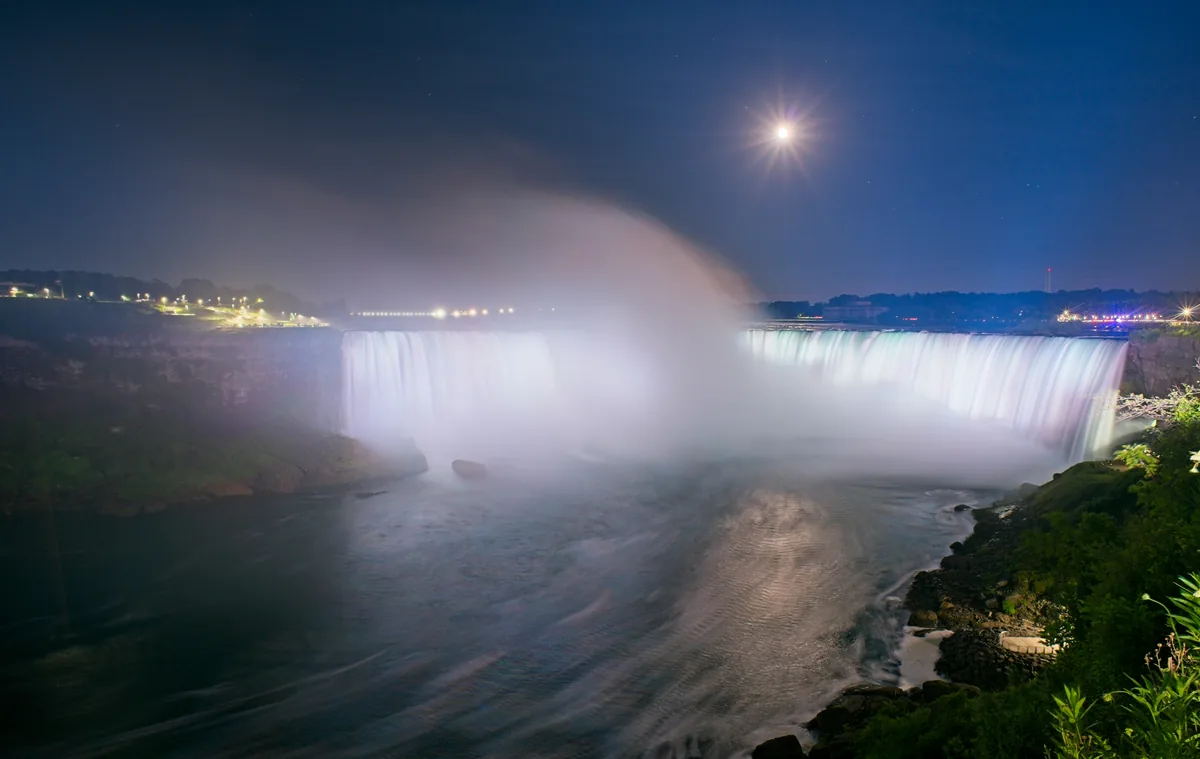
A small-group shared evening tour from Toronto to Niagara Falls: you join other guests on a set itinerary of about 10 to 11 hours on the listed summer timetable, with hotel pickup in the Greater Toronto Area from about 1:00 PM, a winery tasting, a boat ride in season and the illuminated Falls after dark.
 Private Tours Popular Pick30% off
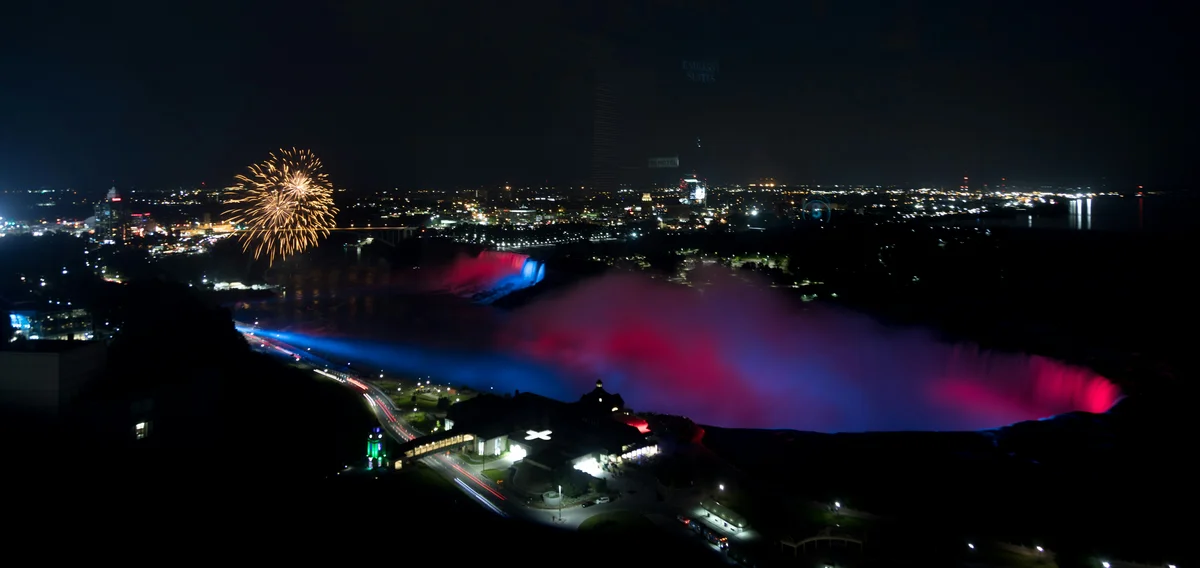
A private evening trip from the GTA to see the Falls lit after dark, with a driver-guide and your choice of start time.
Visitor guide
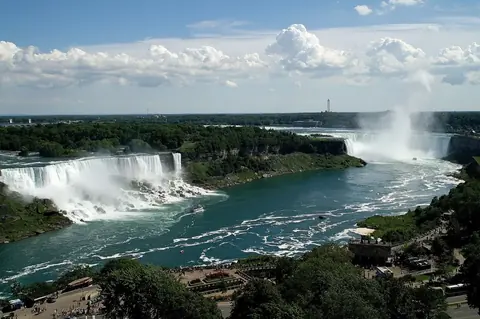
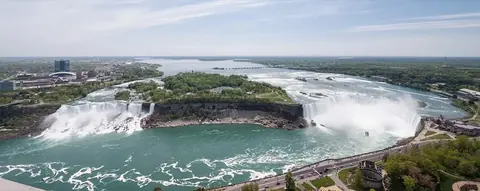
Every evening after dusk, powerful lights are directed across the Horseshoe and American Falls, turning the mist into a glowing wall of shifting colour. The nightly illumination is run by the Niagara Falls Illumination Board, and the tradition of lighting the falls goes back to the mid-19th century. It is a free sight from the Canadian riverfront.
The first attempt came in the summer of 1860, when about 200 Bengal lights, flare-like fireworks, were used for the visit of the Prince of Wales. According to the Niagara Falls Public Library, electric light was first used in 1879, with 16 arc lights, for the visit of Princess Louise and the Marquis of Lorne, then Governor General of Canada. Between 1892 and 1907, temporary lighting came from operators such as the Maid of the Mist and the Great Gorge Route, as well as from the 1901 Pan-American Exposition.
A permanent arrangement arrived with the formation of the Niagara Falls Illumination Board on February 24, 1925, following studies that began in 1924. The board's 24 carbon arc lamps sat on the Ontario Power House overflow tower. Illumination paused during a 1938 ice jam and during the Second World War for security reasons, and has run continuously since October 1944. A system of 20 new carbon arc lights was installed in 1958, and a Xenon system replaced it in the 1970s, with updates in 1997.
In December 2016 the board introduced a new LED lighting grid costing about $4 million. Sources describe the gains differently: the library says 100 LED panels deliver twice the power of the old Xenon spotlights with 60 percent less energy, while other reports give figures such as a quarter of the energy or an 82 percent reduction, so the exact savings are not settled. All agree that the LEDs can produce a far broader range of colours than the older system, whose 1958 incarnation offered 15 colour combinations.
Charitable groups began booking special colours in 2004, when the falls turned pink for a breast cancer awareness campaign. Today, registered charities can book a colour or colours for a 15-minute block per night on a first-come, first-served basis. This is why you may see the falls in a themed colour at certain times, such as around awareness days or national occasions.
What you see at night depends on the weather and the season. Mist rising from the base of the Horseshoe acts as a screen for the colours, so humid, still evenings often give the richest glow, while strong winds can push the spray across the viewing area. In winter, ice and frozen spray catch the light differently from summer mist. Photographers generally steady the camera on a rail or tripod, and many visitors simply watch the colour change slowly through the sequence. Because the lighting is directed from the Canadian side, the view from Queen Victoria Park is considered the classic one, though the lights fall on both falls.
The riverfront walk, Clifton Hill and the Skylon Tower are all close. Voyzo's private vehicle and driver make an evening visit easy, with door-to-door pickup afterward instead of a cold wait for transport.
See every tour and attraction we cover in Niagara Falls.