TorontoOntario · 36 tours
 Niagara FallsOntario · 25 tours
 New York CityNew York · 30 tours
 Las VegasNevada · 8 tours
 San FranciscoCalifornia · 16 tours
 VancouverBritish Columbia · 17 tours
 DubaiUAE · 54 tours
 Abu DhabiUAE · 5 tours
 Buenos AiresArgentina · 23 tours
 AthensGreece · 31 tours
 AucklandNew Zealand · 38 tours
 CancunMexico · 54 tours
No destinations match “”. Try searching all tours instead — that search understands full questions, not just place names.
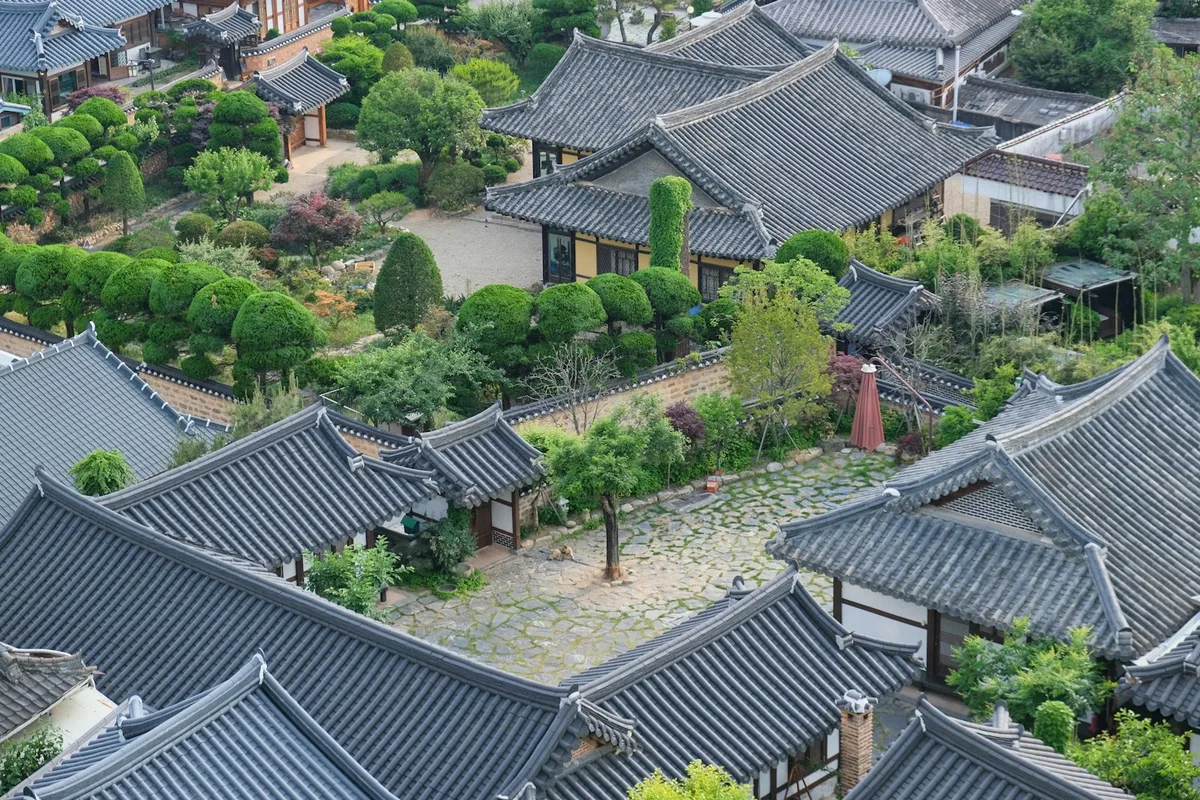
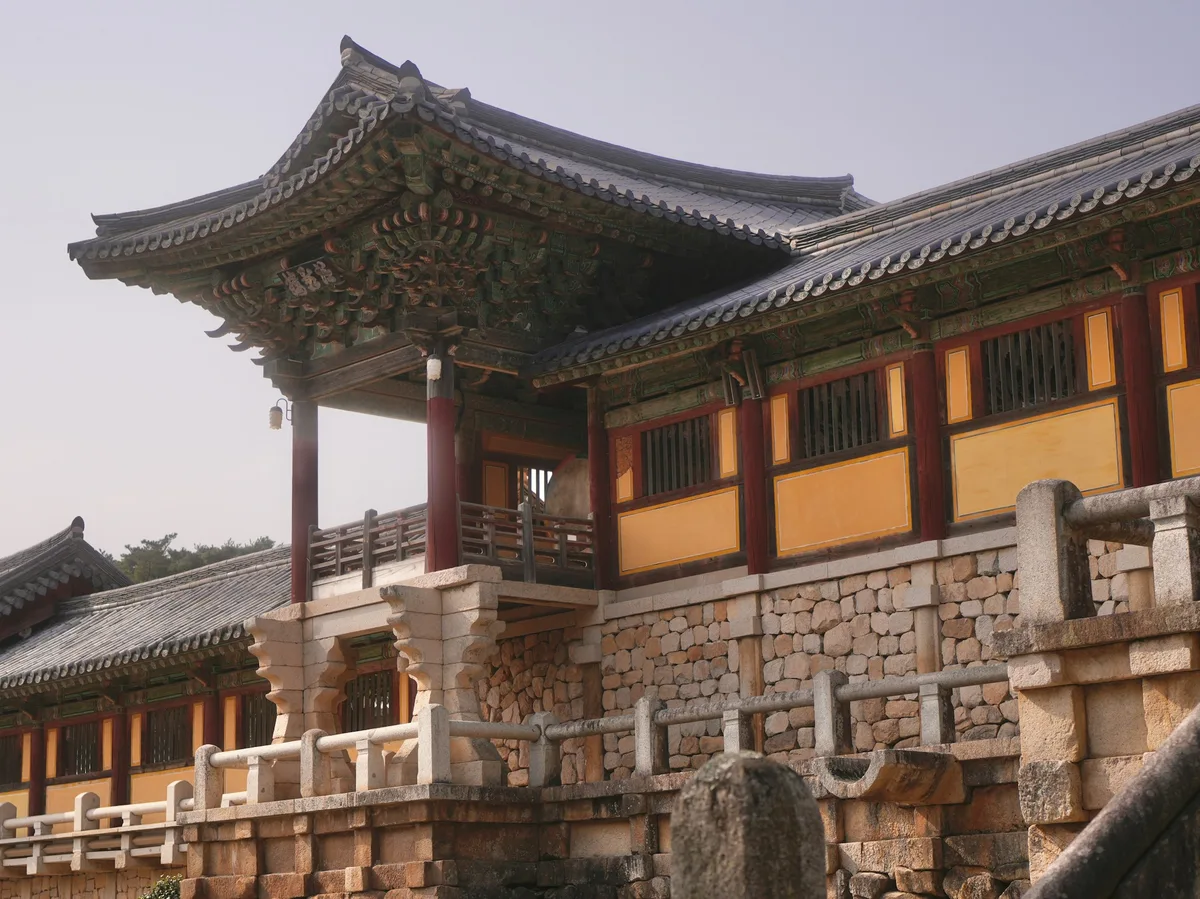
One of the country's largest clusters of traditional hanok houses, now home to artisan workshops, tea houses, and the bibimbap dish the city is famous for.
Visitor guide
Jeonju Hanok Village is a historic district in the city of Jeonju, South Korea, overlapping the Pungnam-dong and Gyo-dong neighbourhoods. It contains over 800 traditional Korean houses called hanok and is one of the best-known places in Korea to see them clustered together. It was designated an International Slow City in 2010.
Jeonju was the capital of the Hubaekje Kingdom, founded by Kyŏn Hwŏn in the 900s, and was regarded as the spiritual capital of the Joseon Dynasty because the Yi royal family came from there. According to Wikipedia, people settled in the area over 10,000 years ago, and villages formed around the city's defensive wall and became the origins of the present hanok village. After the city wall was demolished in the Korean Empire period, residential expansion led by the yangban class spread through Pungnam-dong and Gyo-dong.
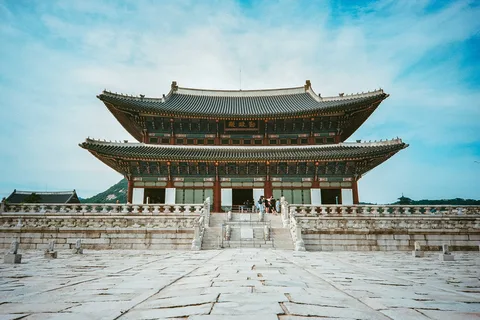
Gyeonggijeon, built in 1410 in the reign of King Taejong, enshrines the portrait of Lee Seonggae, the founder of Joseon. The portrait is National Treasure number 317. Jeondong Cathedral, completed in 1914 and designed by Priest Poinel, who also designed Myeongdong Cathedral in Seoul, blends Romanesque and Byzantine elements and stands where the Catholic martyr Yun Ji-chung died.
Pungnam Gate is the south gate of Jeonju's Joseon-era city wall and the only gate left after the wall was destroyed; it is designated Treasure number 308. Jeonju Hyanggyo is a Confucian temple and school first built in 1354 under King Gongmin of Goryeo and has an unusual layout, with the Daeseongjeon shrine hall in front and the lecture hall behind. Omokdae, on the east side of the village at a high elevation, offers views over the hanok roofs, and many visitors begin their walk there.
The Traditional Hanji Center produces Korean paper using traditional techniques. The article states that about 80 percent of its production is exported to Japan, and visitors can join papermaking programmes. The village is also associated with tea houses and artisan workshops, though the article notes that the number of traditional tea houses fell from ten to six.
Visitor numbers rose from 3.17 million in 2007 to 7.89 million in 2014, and Jeonju ranked third among Korea's major tourist cities outside Seoul, behind Jeju and Busan. Critics say traditional culture is being replaced by tourism-oriented commerce: over half of the village's 506 commercial facilities opened after 2013, and many handicraft workshops became souvenir shops. Rising tourist numbers have also raised food and hotel prices.
The district is compact and easy to explore on foot, with lanes between hanok, small museums and a mix of historic and commercial buildings. Jeonju is also known across Korea for its food, particularly bibimbap, although the sources consulted do not detail it. A private guide can point out the historic landmarks among the shops and explain which buildings are original.
See every tour and attraction we cover in South Korea.