TorontoOntario · 36 tours
 Niagara FallsOntario · 25 tours
 New York CityNew York · 30 tours
 Las VegasNevada · 8 tours
 San FranciscoCalifornia · 16 tours
 VancouverBritish Columbia · 17 tours
 DubaiUAE · 54 tours
 Abu DhabiUAE · 5 tours
 Buenos AiresArgentina · 23 tours
 AthensGreece · 31 tours
 AucklandNew Zealand · 38 tours
 CancunMexico · 54 tours
No destinations match “”. Try searching all tours instead — that search understands full questions, not just place names.
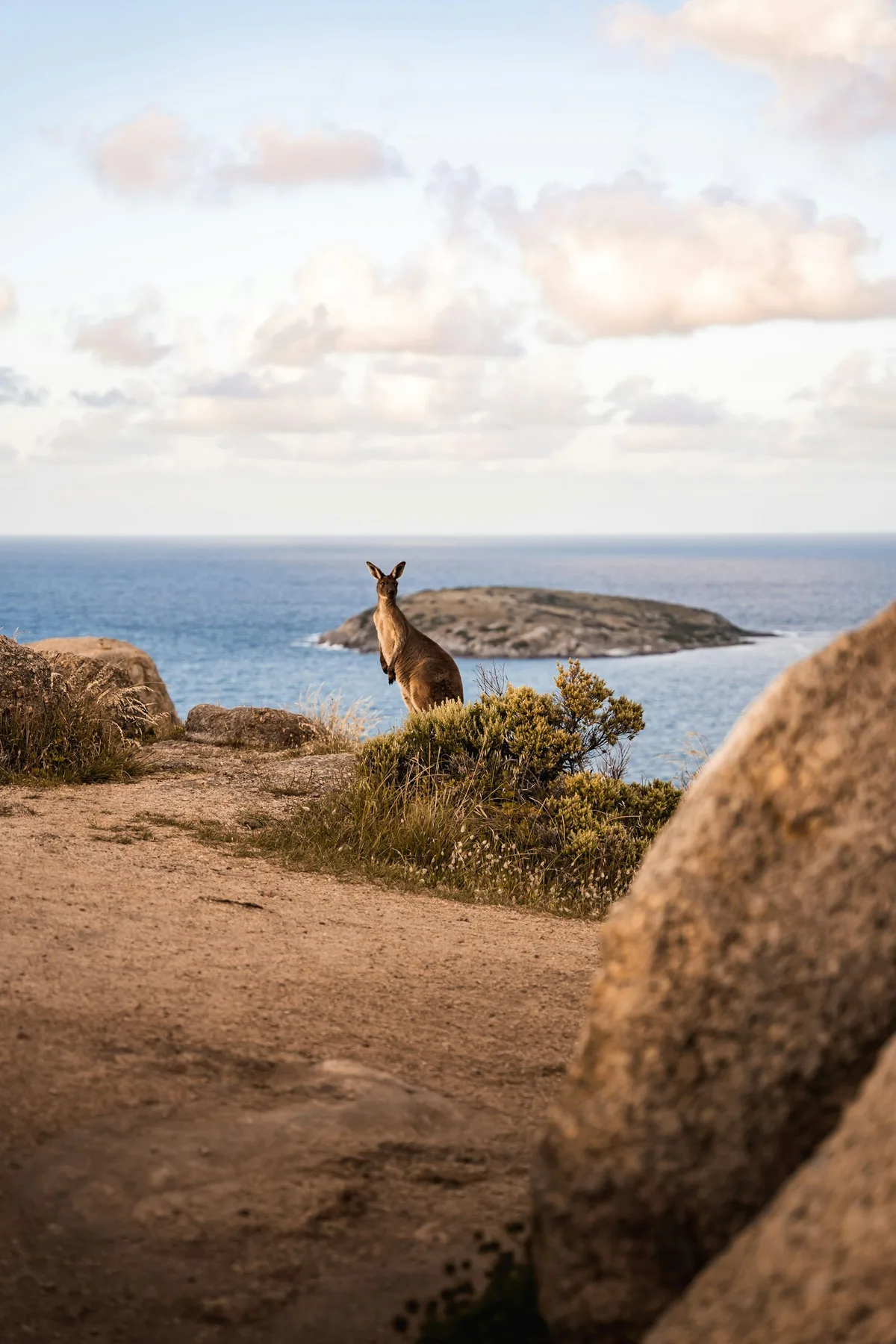
An island off South Australia known for its wildlife density, with free-ranging kangaroos, koalas and sea lion colonies alongside coastal rock formations like Remarkable Rocks.
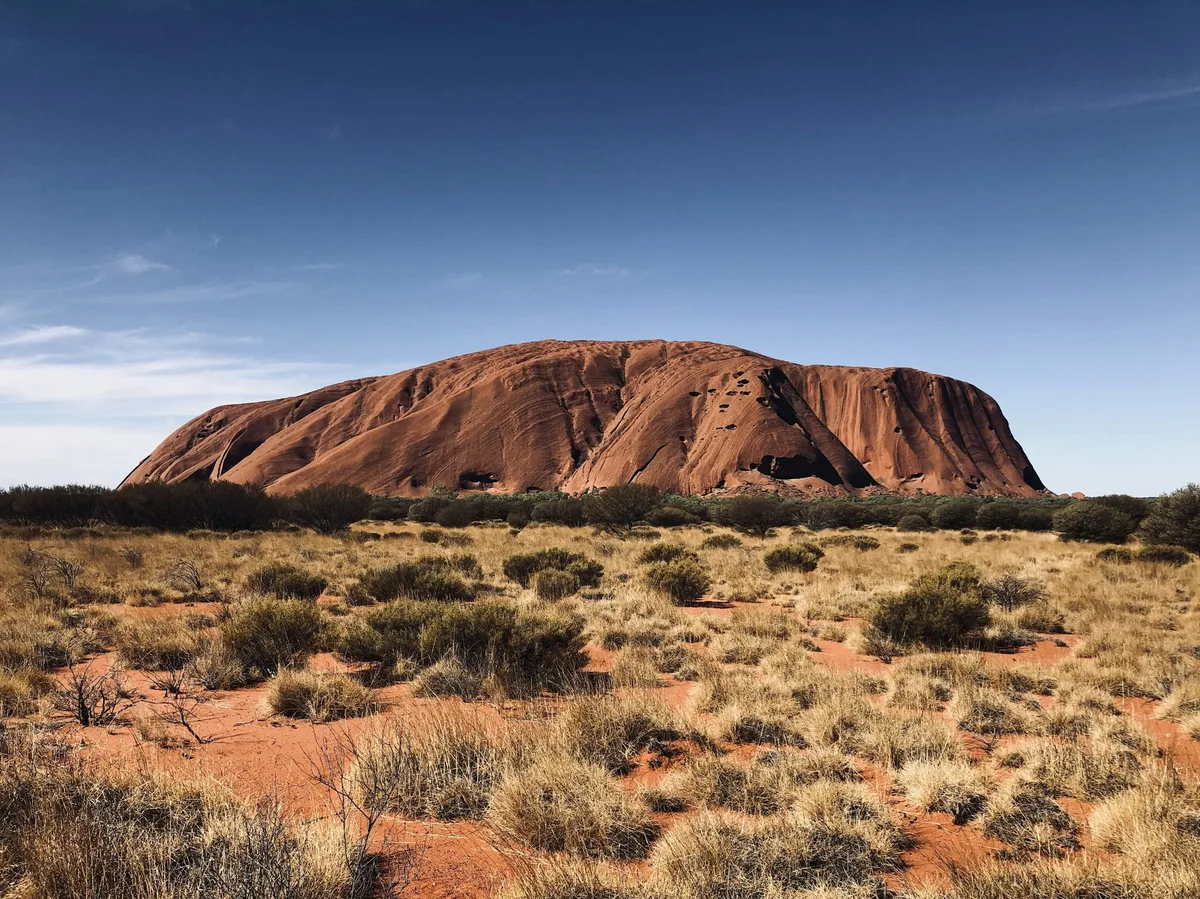 Multi-Day Tours Popular Pick
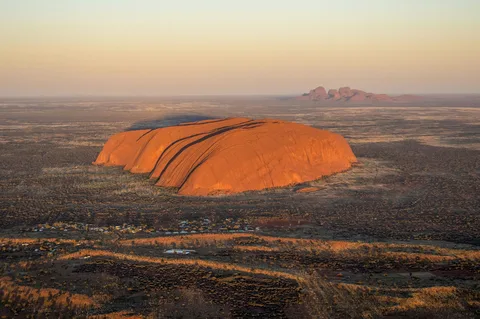
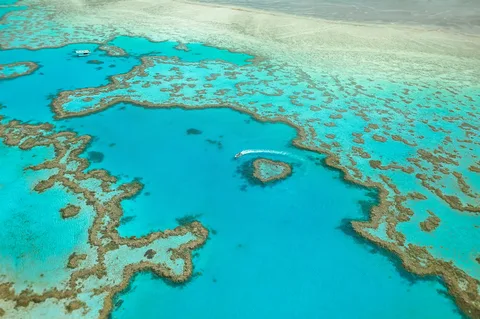
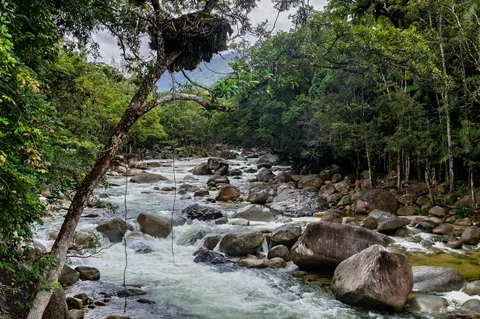
An 18-day private journey across the continent — Melbourne and the Great Ocean Road, Kangaroo Island's wildlife, the Great Barrier Reef and Kakadu National Park, Uluru's Red Centre, and Sydney's icons.
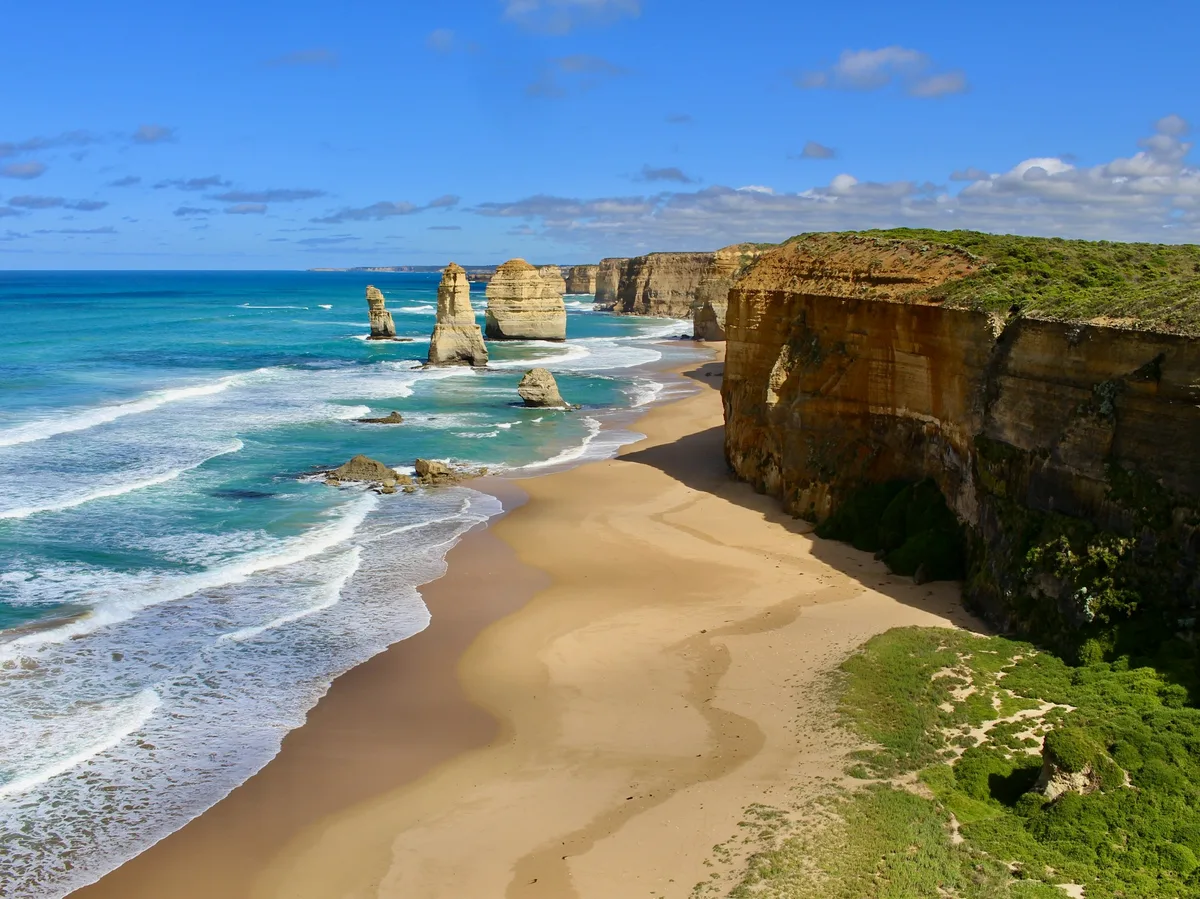 Multi-Day Tours
A 14-day private route from Melbourne along the Great Ocean Road to Adelaide — Phillip Island's penguins, the Twelve Apostles, the Grampians, Coonawarra and McLaren Vale wine country, and Kangaroo Island's wildlife.
Visitor guide
Kangaroo Island is Australia's third-largest island, lying off the coast of South Australia about 112 km southwest of Adelaide. Known for its wildlife, rugged coastline and farmland, it is home to Australian sea lions, kangaroos, echidnas and koalas, and its attractions include the weathered granite boulders of Remarkable Rocks within Flinders Chase National Park.
According to Wikipedia, the island covers about 4,405 square kilometres, is roughly 145 km long and has a coastline of about 540 km. Only Tasmania and Melville Island are larger among Australian islands. Its closest point to the mainland is Snapper Point, about 13.5 km from the Fleurieu Peninsula across Backstairs Passage, while Investigator Strait separates it from Yorke Peninsula. The highest point on the island is about 307 metres, in Flinders Chase National Park. The 2021 census recorded 4,894 residents, and Kingscote is the largest town and administrative centre.
Rising seas after the Last Glacial Period separated the island from the mainland about 10,000 years ago. Stone tools and shell middens show that Aboriginal people once lived there, but they disappear from the archaeological record after the island formed, and the timing of their departure is uncertain. Wikipedia records that mainland Aboriginal peoples knew it as Karta Pintingga, meaning Island of the Dead.
Matthew Flinders named the island in March 1802 after the local western grey kangaroos. The French explorer Nicolas Baudin mapped the island in January 1803, which is why a number of places carry French names. Sealers and escaped convicts lived on the island from 1802 until British colonisation, and Kingscote was founded on 27 July 1836 at Reeves Point as South Australia's first colonial settlement.
Wikipedia lists native mammals including the western grey kangaroo, short-beaked echidna, southern brown bandicoot and Australian sea lion. The Kangaroo Island dunnart is described as the only endemic vertebrate species. Koalas were introduced and have flourished. Seal Bay Conservation Park is known for its Australian sea lions, and little penguin colonies exist near Penneshaw and Kingscote. The island is also home to a pure-bred population of Ligurian honey bees, which is protected from disease and is the basis of a local honey industry.
Flinders Chase National Park occupies the western end of the island and includes Remarkable Rocks and Admirals Arch, along with lighthouses at Cape Borda and Cape du Couedic. The south coast also features Little Sahara, a set of large sand dunes, and Kelly Hill Caves, a tourist attraction since the early twentieth century. Limestone caves across the island formed roughly one to two million years ago, and Wikipedia notes that the Emu Bay Shale on the north coast, about 517 million years old, holds important Cambrian fossils.
The 2019 to 2020 bushfires burned more than 2,100 square kilometres, around 52 percent of the island, according to Wikipedia, and had a major effect on wildlife and on Flinders Chase National Park. The island has continued to recover, and regrowth is part of what visitors see today. Earlier fires in 2007 had burned about a fifth of the island.
Agriculture is the core of the economy, including grapes, honey, wool, meat and grain, along with a southern rock lobster fishery and a growing wine industry. Tourism is increasingly important, with over 200,000 visitors a year reported by Wikipedia. Because the attractions are spread across a large island, a private vehicle and guide lets a group link coastal landmarks and wildlife sites efficiently.
See every tour and attraction we cover in Australia.