TorontoOntario · 36 tours
 Niagara FallsOntario · 25 tours
 New York CityNew York · 30 tours
 Las VegasNevada · 8 tours
 San FranciscoCalifornia · 16 tours
 VancouverBritish Columbia · 17 tours
 DubaiUAE · 54 tours
 Abu DhabiUAE · 5 tours
 Buenos AiresArgentina · 23 tours
 AthensGreece · 31 tours
 AucklandNew Zealand · 38 tours
 CancunMexico · 54 tours
No destinations match “”. Try searching all tours instead — that search understands full questions, not just place names.
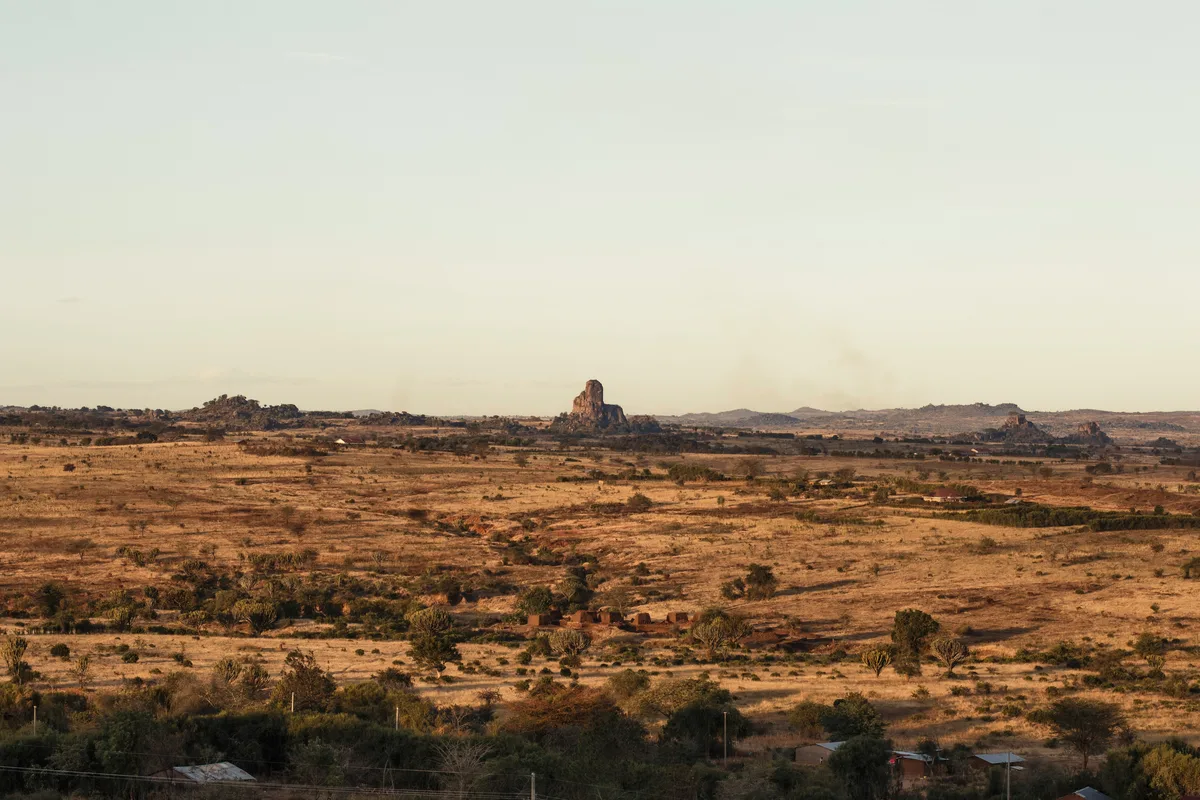
A remote savanna park on the South Sudan border, ringed by mountains and home to kudu, cheetah, and the Karamojong communities who live along its edges — one of Africa's least-visited major parks.
 Multi-Day Tours
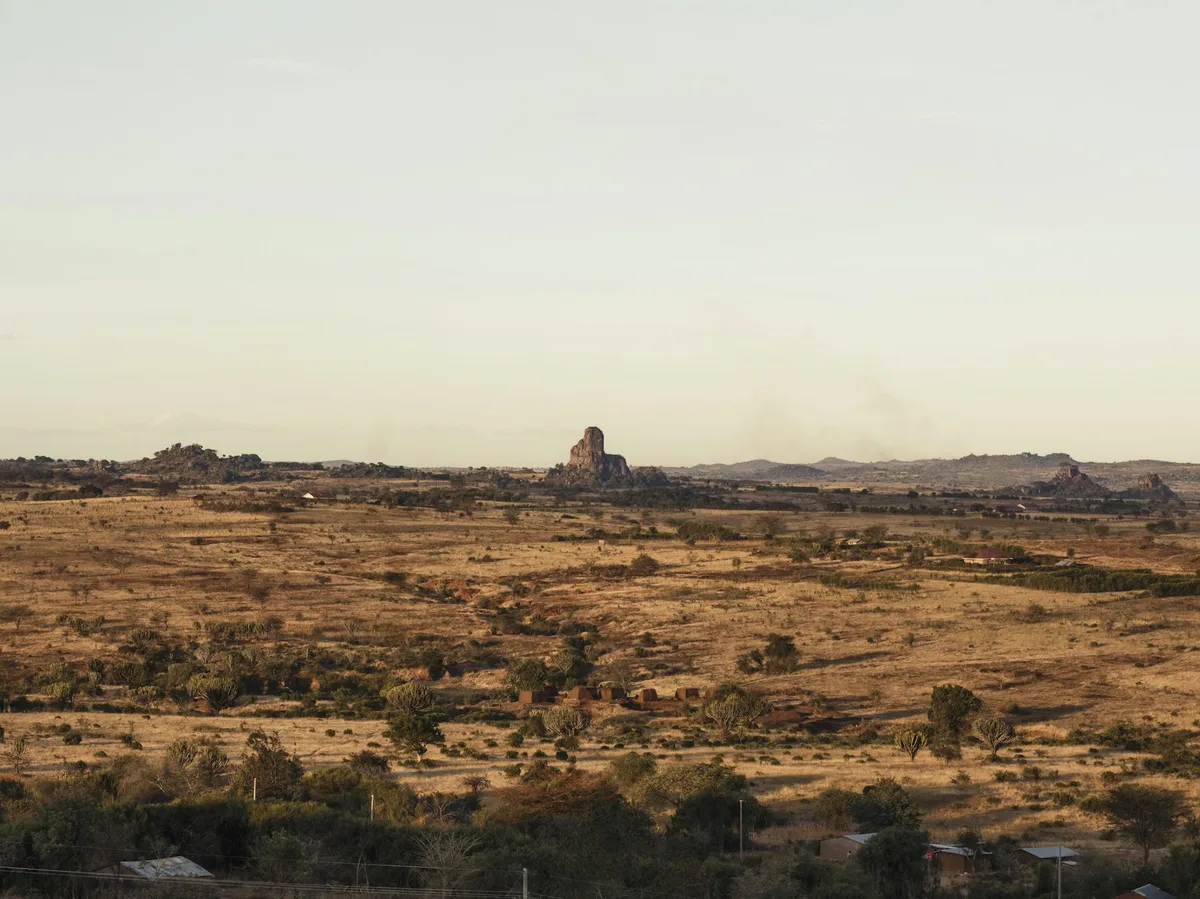
A 15-day route through Uganda's remote northeast — Murchison Falls, the wildlife and Karamojong culture of Kidepo Valley National Park, Sipi Falls' coffee farms on Mount Elgon, and white-water rafting at Jinja's source of the Nile.
 Multi-Day Tours
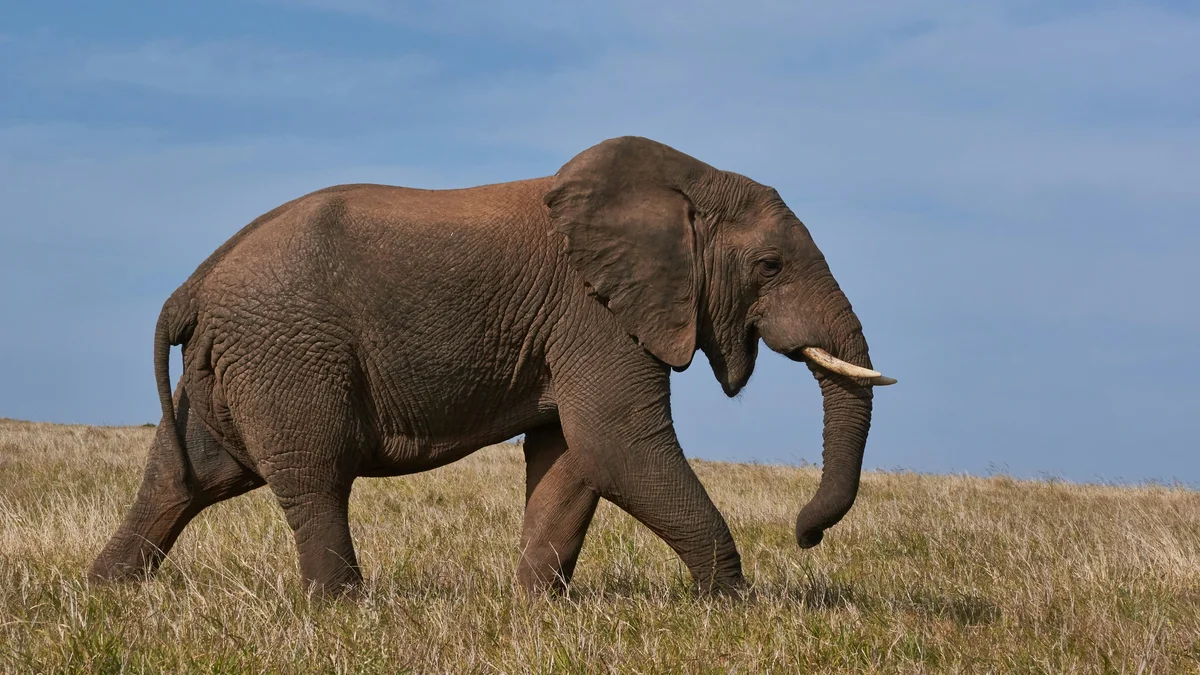
A fast-paced 6-day safari pairing two of Uganda's premier parks — chimpanzee tracking and game drives at Murchison Falls, then game drives and a walking safari in the remote Kidepo Valley.
Visitor guide
Kidepo Valley National Park is a remote savanna park in the Karamoja region of northeastern Uganda, covering about 1,442 square kilometres near the border with South Sudan. It sits at the foothills of Mount Morungole and is crossed by the Kidepo and Narus rivers, in a landscape of wide valleys and distant ranges.
Wikipedia describes the park as rugged savanna with two main valley systems whose floors lie between about 910 and 1,200 metres above sea level. The Narus Valley receives more rain and has red oat grass, taller Guinea grass, red thorn acacias and desert dates, with sausage trees and fan palms along watercourses. The Kidepo Valley is drier, with black clay soils, palm-dotted streams and whistling thorn acacia on higher ground. The Kanangorok hot spring in the north is one of the park's most permanent water sources. The park lies roughly 700 kilometres from Kampala according to the Uganda Wildlife Authority, and the north-west boundary is the international border with South Sudan.
Wikipedia notes that the Ik and Ketebo, also called Mening, peoples had lived in the area since about 1800. The British colonial government gazetted it as a game reserve in 1958, which required the residents to move, and after independence it became a national park in 1962. The history of the relocation has been cited by anthropologist Colin Turnbull and others as an example of the costs when community needs are overlooked. A lodge begun in 1967 fell into disuse in the late 1970s. The wider Karamoja region is also home to pastoral communities, including the Karamojong, whose cultural traditions are often part of visits to the area.
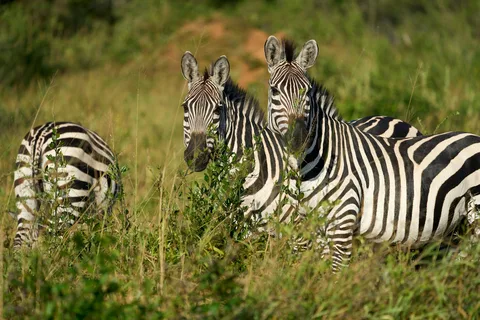
The park supports more than 77 mammal species and about 476 bird species according to Wikipedia. Rainfall differences between the two valleys shape different wildlife populations. Elephants, which were poached out of the area in the early 1900s, were estimated at 407 to 552 in 2014. Rothschild's giraffes, reduced to three by 1992, were reintroduced from Kenya and later Murchison Falls, with the Uganda Wildlife Authority describing the population as over 50 and recovering. Kob were also translocated in several rounds.
Kidepo lies in Karamoja, a sub-region of about 27,528 square kilometres made up of nine districts. Wikipedia describes the Karimojong as a Nilotic people whose economy relies mainly on cattle herding, with Jie and Dodoth languages closely related to Karimojong, while the Ik and Tepeth speak their own languages. Dry spells and drought are recurring issues in the region, which is one reason water sources such as the Kanangorok hot spring matter to wildlife.
Wikipedia notes that the Narus Valley is more accessible than the Kidepo Valley and has been a more usual focus of visits. The park is far from most other safari destinations, so reaching it involves a long drive or a light aircraft transfer. The remoteness is part of its appeal, and a private guided trip can help with planning the route and the length of the stay, which depends on the season and on current park arrangements.
See every tour and attraction we cover in Uganda.