TorontoOntario · 36 tours
 Niagara FallsOntario · 25 tours
 New York CityNew York · 30 tours
 Las VegasNevada · 8 tours
 San FranciscoCalifornia · 16 tours
 VancouverBritish Columbia · 17 tours
 DubaiUAE · 54 tours
 Abu DhabiUAE · 5 tours
 Buenos AiresArgentina · 23 tours
 AthensGreece · 31 tours
 AucklandNew Zealand · 38 tours
 CancunMexico · 54 tours
No destinations match “”. Try searching all tours instead — that search understands full questions, not just place names.
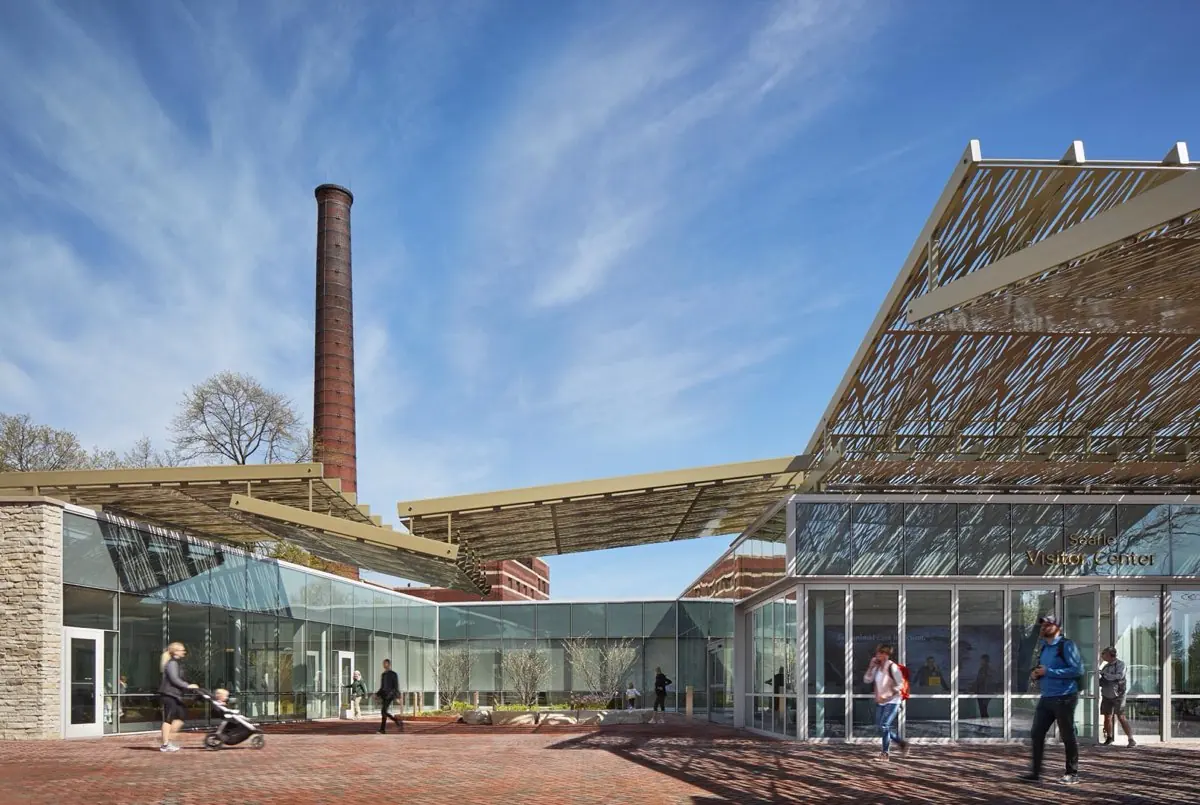
A free, historic zoo along the lakefront just north of downtown.
Visitor guide
Lincoln Park Zoo is a free zoo in Chicago's Lincoln Park, founded in 1868 when New York's Central Park commissioners gave Lincoln Park a gift of swans (the zoo says two pairs of mute swans). It is one of the oldest zoos in the United States and today holds roughly 1,100 animals of about 200 species.
Wikipedia and the Cultural Landscape Foundation both trace the zoo to that 1868 swan gift; accounts vary on whether it was one pair or two. Lincoln Park Zoo's own history page says it has grown alongside the city since 1868. In 1878 the Lincoln Park commissioners set out a principle of public access for the zoo. The Chicago Park District then ran the zoo for 127 years before it privatized in 1995, and the zoo says it now raises more than 80 percent of its operating and capital costs from donors, members, event guests and visitors. In 2019 the zoo said the city and the zoo had extended the terms of that arrangement through 2050.
The grounds were laid out in the late 19th century by Swain Nelson and Olaf Benson. According to the Cultural Landscape Foundation, the Birch Canal was created in 1877, bear, bison, bird and sea lion enclosures followed in the early 1900s, and the Works Progress Administration helped refine the landscape in the 1930s. The zoo became a contributing feature of Lincoln Park on the National Register of Historic Places in 1994. The zoo itself says its grounds cover 49 acres, while Wikipedia gives around 35.
Marlin Perkins directed the zoo from the mid-1940s until 1962 (sources give 1944 or 1945 as the start), promoted more naturalistic enclosures, and formed the Lincoln Park Zoological Society. He became widely known as host of the television programs Zoo Parade and Wild Kingdom. A year-round children's zoo and the Farm-in-the-Zoo, which opened in 1964 and features domestic animals and public cow milking, were in place by the mid-1960s.
Cafe Brauer, a Prairie-style building designed by Dwight Perkins, was completed in 1908 and overlooks the South Pond. Studio Gang later reworked the pond's landscape with a wetland, outdoor classrooms and a boardwalk in 2010. The Kovler Lion House, built in 1912, was renovated for $41 million and reopened as the Pepper Family Wildlife Center on October 14, 2021, with a $15 million gift from Roxelyn and the late Richard Pepper. The zoo says the building retains historic features such as decorative lion mosaics and a vaulted tile ceiling, and the center is home to lions, red pandas, Canada lynx and snow leopards.
The Regenstein African Journey opened in 2003 and is a 60,000-square-foot habitat of indoor and outdoor spaces for African mammals. The Regenstein Center for African Apes opened in 2005 for chimpanzees and western lowland gorillas and includes the Lester E. Fisher Center for the Study and Conservation of Apes. The Regenstein Macaque Forest, which opened in 2014, doubles as a research site for its Japanese macaques. The Kovler Seal Pool has roots dating to 1879. The zoo is an accredited member of the Association of Zoos and Aquariums and became an accredited arboretum in 2019.
Exhibits, animal residents and renovations change, so check the zoo directly for current hours, entry arrangements and what is open. The zoo sits within Lincoln Park along the lakefront north of downtown, and a private tour with Voyzo, with its own vehicle and driver and door-to-door pickup, is a convenient way to pair the zoo with other parts of the park.
See every tour and attraction we cover in Chicago.