TorontoOntario · 36 tours
 Niagara FallsOntario · 25 tours
 New York CityNew York · 30 tours
 Las VegasNevada · 8 tours
 San FranciscoCalifornia · 16 tours
 VancouverBritish Columbia · 17 tours
 DubaiUAE · 54 tours
 Abu DhabiUAE · 5 tours
 Buenos AiresArgentina · 23 tours
 AthensGreece · 31 tours
 AucklandNew Zealand · 38 tours
 CancunMexico · 54 tours
No destinations match “”. Try searching all tours instead — that search understands full questions, not just place names.
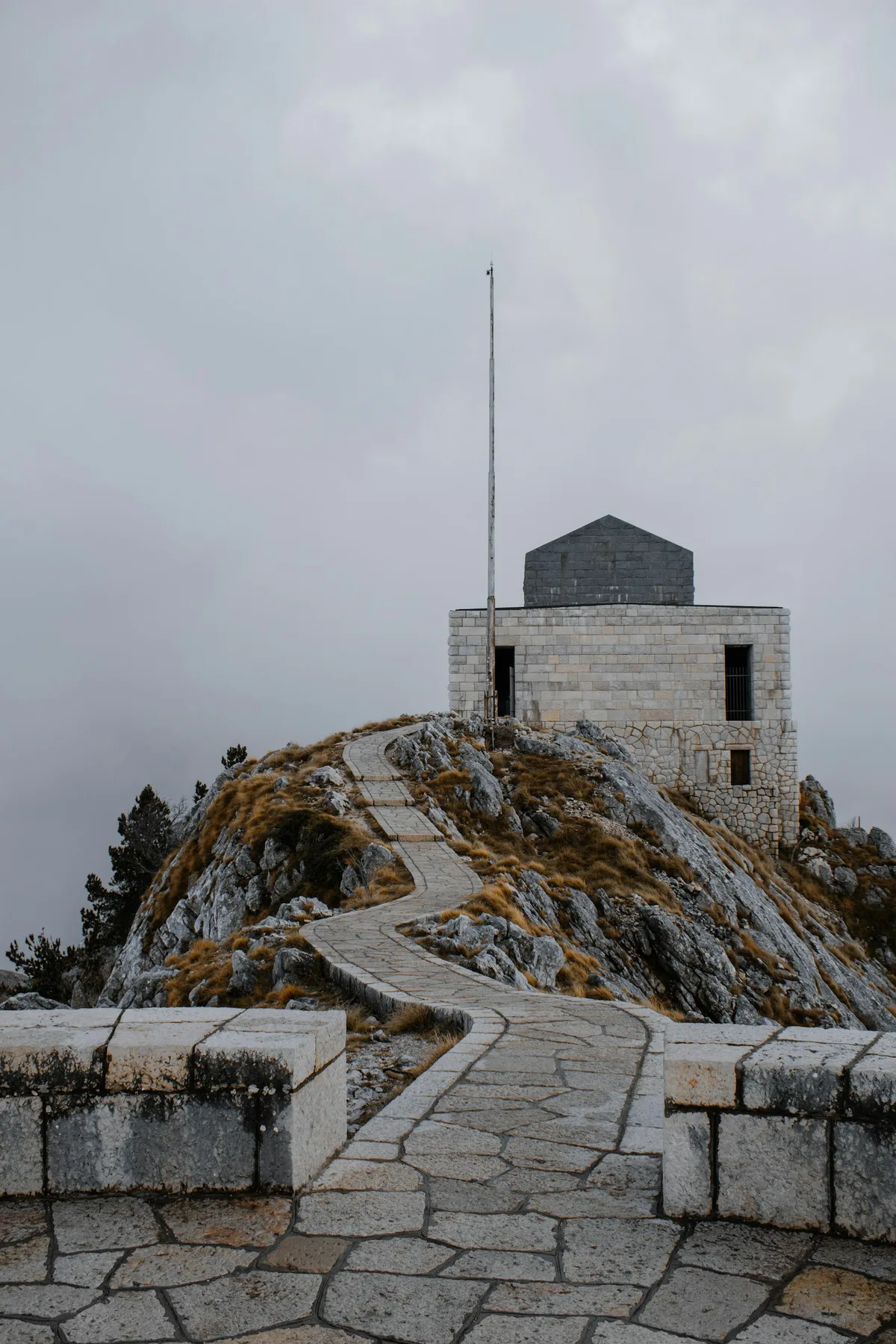
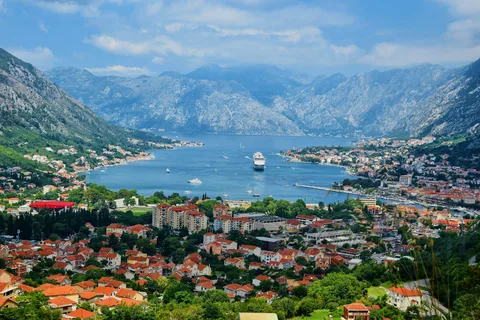
A rugged mountain national park above Kotor Bay, home to the Njegoš Mausoleum atop Jezerski Vrh peak — reached by 461 stone steps and offering 360-degree views across Montenegro.
Visitor guide
Lovcen National Park protects a karst mountain massif in southwestern Montenegro, rising behind the town of Kotor and the Bay of Kotor. Proclaimed a national park in 1952, it covers about 62 square kilometres and is best known for the mausoleum of the poet-prince Petar II Petrovic-Njegos on its summit ridge.
Wikipedia says the names Montenegro and Crna Gora both mean Black Mountain, a reference to the dark forests that once covered Lovcen, and that the name Crna Gora first appears in a charter issued by Stefan Milutin in 1276. The massif's highest peak is Stirovnik at 1,749 metres, and the other major summit is Jezerski Vrh, which Wikipedia gives as 1,657 metres, though other sources cite slightly higher figures. The landscape is karst limestone and dolomite, with fissures, pits and deep depressions, and it lies between the sea and the mainland, so both Mediterranean and continental climates influence it.
The mountain has 1,158 plant species according to Wikipedia, two of which, Taraxacum validum and Cardamine montenegrina, are endemic to Montenegro. Other sources describe oak and beech forests at lower altitudes, giving way to hardy junipers and pines higher up, with protected zones including beech forest at Konjsko and a herpetological reserve near the lake below Jezerski Vrh. Tourism sources list chamois, foxes, wild boar and golden eagles among the wildlife, though these lists are indicative rather than formal inventories.
A winding road climbs from Kotor to the village of Njegusi, the birthplace of the House of Petrovic, Montenegro's royal family. Petar II Petrovic-Njegos, ruler and poet, chose a summit on Lovcen as his burial place. His original chapel was destroyed during the First World War, and the monumental mausoleum that replaced it on Jezerski Vrh was designed by the sculptor Ivan Mestrovic and opened in 1974, according to sources, though Wikipedia gives a construction date in the early 1970s. Visitors reach it by a tunnel and a long flight of steps, commonly given as 461.
The replacement of the chapel was controversial, and the Serbian Orthodox bishopric is reported to have opposed it. The summit offers wide views, and the mausoleum remains the park's best-known site.
Montenegrin and French artillery on Lovcen fought Austro-Hungarian forces in 1914 and 1915, and the Austro-Hungarian troops took the Lovcen Pass in January 1916, after which Montenegro requested an armistice two days later. The Kingdom of Montenegro had earlier bombarded the Bay of Kotor from these heights.
The park also protects old houses, village hay barns and katun cottages, the summer settlements of cattle herders. Njegusi is known for its smoked ham and cheese. The Kotor road has about 25 numbered bends and gains over 1,200 metres in some 12 kilometres, according to one travel source, so a private guided tour with a driver is a comfortable way to take in the views and the park's cultural sites.
See every tour and attraction we cover in Montenegro.