TorontoOntario · 36 tours
 Niagara FallsOntario · 25 tours
 New York CityNew York · 30 tours
 Las VegasNevada · 8 tours
 San FranciscoCalifornia · 16 tours
 VancouverBritish Columbia · 17 tours
 DubaiUAE · 54 tours
 Abu DhabiUAE · 5 tours
 Buenos AiresArgentina · 23 tours
 AthensGreece · 31 tours
 AucklandNew Zealand · 38 tours
 CancunMexico · 54 tours
No destinations match “”. Try searching all tours instead — that search understands full questions, not just place names.
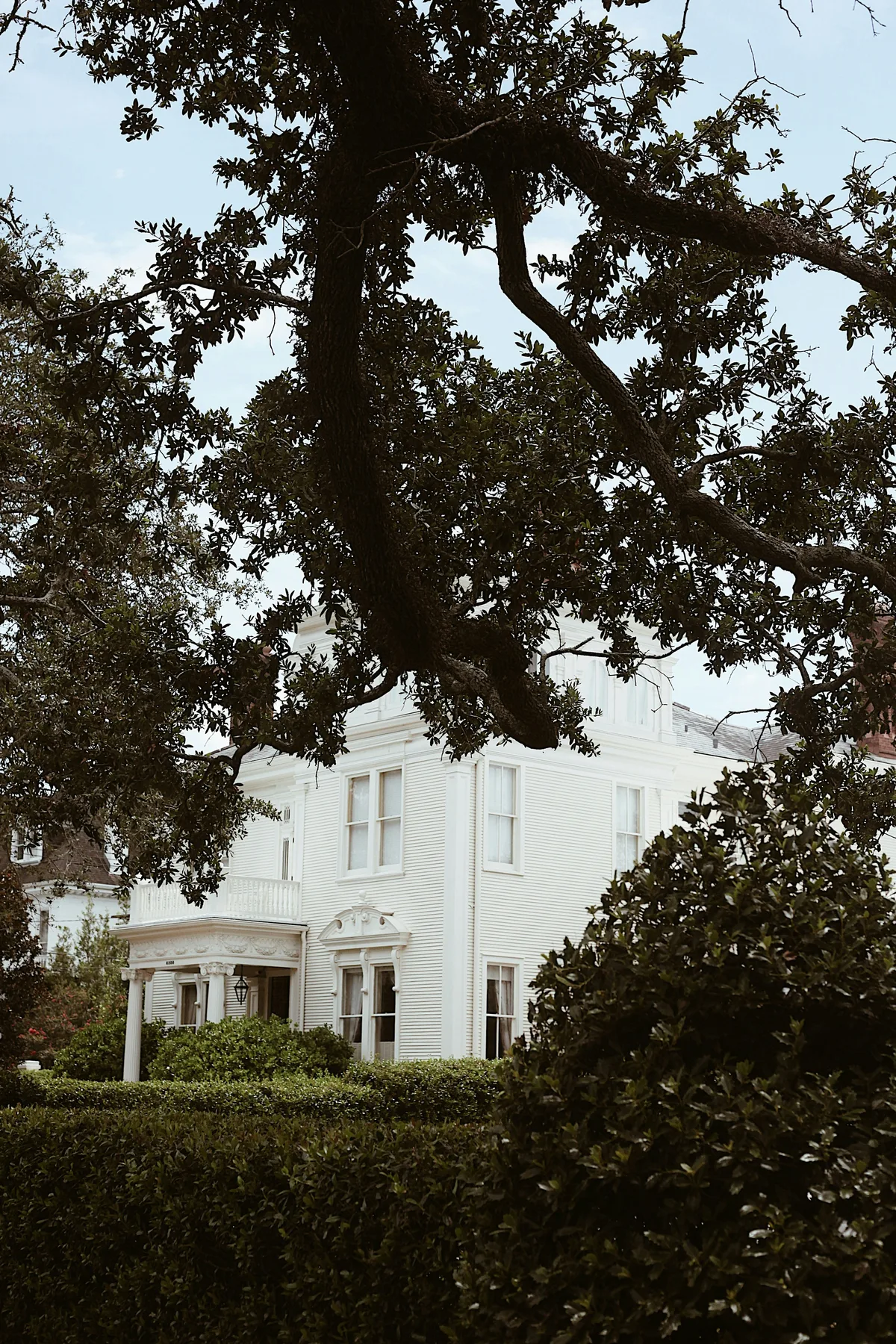
A six-mile stretch of independent boutiques, galleries, and restaurants running through Uptown New Orleans.
Visitor guide
Magazine Street is a roughly six-mile thoroughfare that follows the curve of the Mississippi from Canal Street to the Uptown river bend, lined with antique shops, boutiques, galleries and restaurants in older houses and storefronts. It is a continuous stretch of small local businesses rather than a single historic site.
Richard Campanella, writing for the Preservation Resource Center, dates the street to April 24, 1788, when city surveyor Carlos Trudeau laid out the first blocks after the Good Friday fire of that year. The fire led the Gravier family to subdivide their adjacent plantation to help rebuild, and Trudeau's plan created the faubourg known in Spanish as Suburbio de Santa Maria. The street sat a block in from the Royal Road, today's Tchoupitoulas Street, and was named for a warehouse (almazen), likely linked to a nearby tobacco warehouse and powder magazine, though Wikipedia notes alternative name theories and an uncited story involving General Wilkinson that should not be relied on. The historical French name was rue des Magasins.
Because it was the second street from the river, Campanella writes, Magazine became neither purely commercial nor purely residential, eventually offering an interleaving of both unlike any other street in the city. He also notes that its four commercial clusters correspond to old public food market locations. A later plan by Barthelemy Lafon gave the street multiple lanes, slating it for heavier traffic, and Campanella argues that this and the public markets set it apart from similar streets such as Prytania. His examples include the Magazine Market, dating to the 1850s, and the Jefferson Market, built in 1918 and renovated in 1932; he elsewhere describes a corridor of markets named Magazine, 9th Street, Jefferson and Ewing.
At its downriver end Magazine meets Canal Street, where it continues as Decatur Street in the French Quarter. It runs through the Central Business District and the Lower Garden District, where it is one way, and farther up it carries two-way traffic with parking on both sides. It forms the southern edge of the Garden District by the city planning commission's definition, passes the Audubon Zoo and Audubon Park, and ends at Leake Avenue, part of the Great River Road, where it turns away from the river at the Carrollton riverbend.
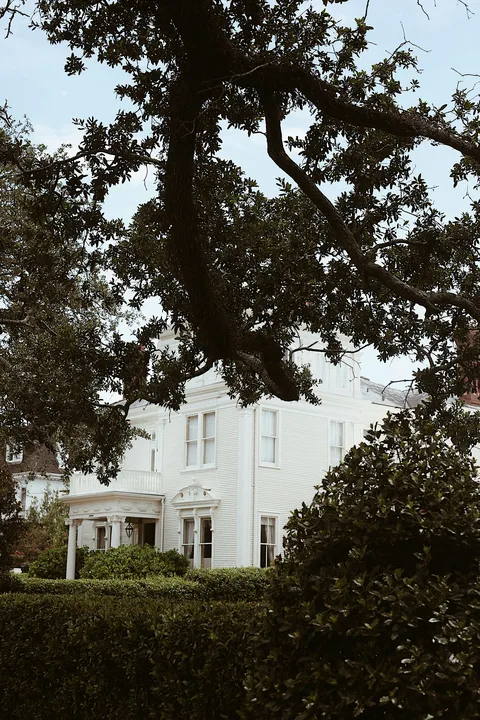
The Garden District grew from the Livaudais plantation, which was subdivided into city squares as Faubourg Livaudais in 1832, joined the City of Lafayette in 1833 and was annexed by New Orleans in 1852. Wikipedia describes it as one of the best-preserved collections of historic mansions in the South, built between 1832 and 1900, and it became a National Historic Landmark District in 1974. On Magazine's other side lies the Irish Channel, where Irish Catholic immigrants settled in large numbers from roughly 1810 to 1850, many living in shotgun cottages and finding work digging the New Basin Canal. St. Alphonsus Church there was built in 1855 by the Redemptorist Fathers.
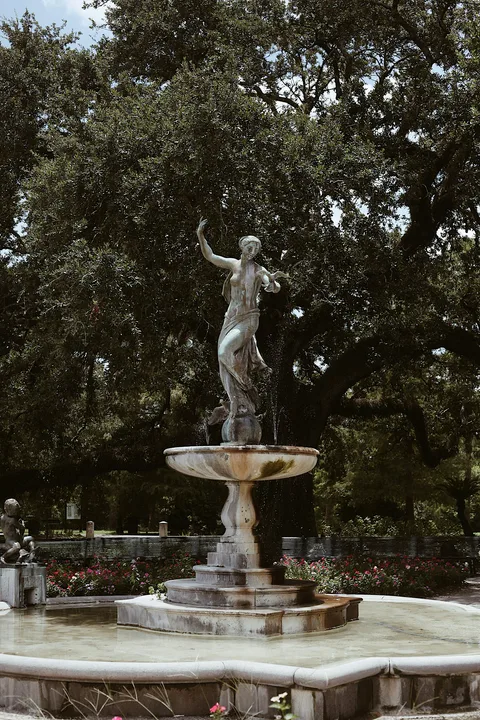
Farther upriver the street cuts through Audubon Park, which covers about 350 acres, hosted the 1884 World Cotton Centennial exposition, and follows a layout largely based on a plan by John Charles Olmsted of the Olmsted Brothers firm.
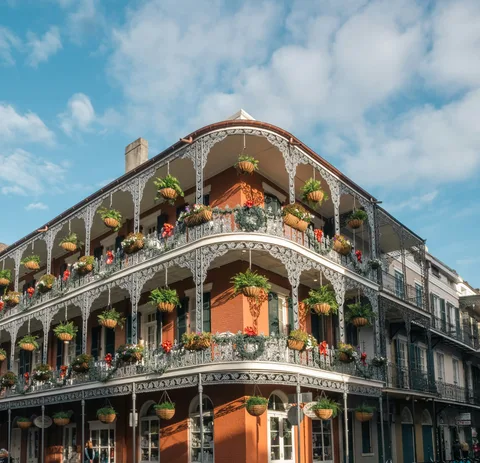
Most of the buildings are older houses and commercial buildings from the later 19th century, many converted to shops. Wikipedia notes many products sold here are handcrafted or one-of-a-kind, and that the street's length makes cars useful for covering it. In practice, people pick one stretch and explore it on foot, then move to another.
A private vehicle and driver with door-to-door pickup is a natural fit for a street this long: you can be dropped at one cluster, browse as long as you like, and be collected at another, or combine Magazine Street with the nearby Garden District and Audubon Park in a single day. Check individual shops and restaurants for current hours.
See every tour and attraction we cover in New Orleans.