TorontoOntario · 36 tours
 Niagara FallsOntario · 25 tours
 New York CityNew York · 30 tours
 Las VegasNevada · 8 tours
 San FranciscoCalifornia · 16 tours
 VancouverBritish Columbia · 17 tours
 DubaiUAE · 54 tours
 Abu DhabiUAE · 5 tours
 Buenos AiresArgentina · 23 tours
 AthensGreece · 31 tours
 AucklandNew Zealand · 38 tours
 CancunMexico · 54 tours
No destinations match “”. Try searching all tours instead — that search understands full questions, not just place names.
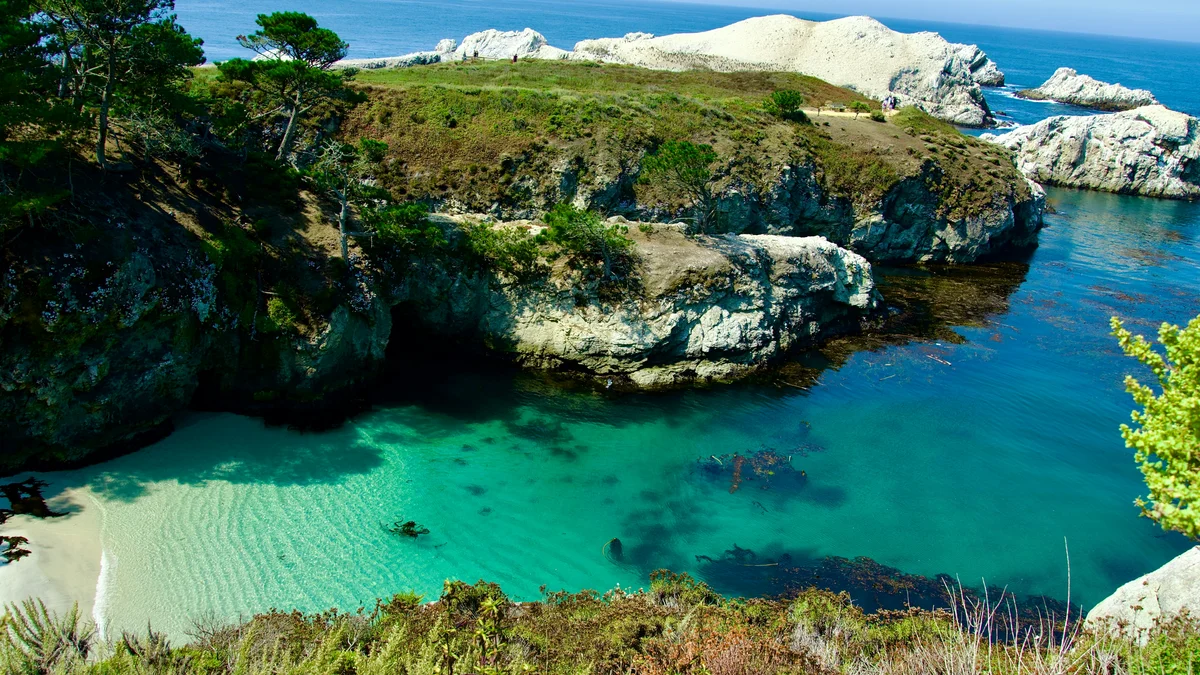
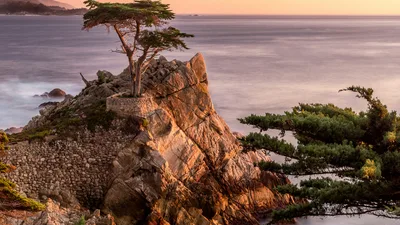
A rugged protected reserve just south of Carmel with cypress-covered headlands, tide pools, and some of the richest near-shore marine habitat on the California coast.
Visitor guide
Point Lobos State Natural Reserve is a headland of granite coves, Monterey cypress groves, and kelp-filled water just south of Carmel-by-the-Sea. California State Parks calls it the crown jewel of the state park system, and it protects roughly 550 acres of land and 775 acres of ocean along the Monterey Peninsula's southern edge.
The area was home to Ohlone people for an estimated 2,500 years. A long-term village called Ichxenta (also written Ishxenta) stood near San Jose Creek, and the reserve still holds middens and mortar holes used to grind acorns and seeds. The Spanish name Punta de los Lobos Marinos, Point of the Sea Wolves, is commonly said to refer to the barking sea lions offshore.
In the 19th century the point was worked hard. Chinese fishermen settled Whalers Cove from about 1851, and a granite quarry there operated in the 1850s. The Carmel Whaling Company, using Portuguese whalers from the Azores, ran from 1862 to 1879. Later came coal prospecting, a subdivision plan called Carmelito, and an abalone cannery. Alexander Allan, who bought land here in 1898, operated the Point Lobos Canning Company with Japanese fisherman Gennosuke Kodani until 1928 and charged visitors to enter. The Whalers Cabin, built in the 1850s and resting on whale vertebrae atop granite blocks, survives as a museum and is the only building of that era preserved at the cove.
Conservationists lobbied to save the point after scientists and landscape architects praised it in the 1920s. On February 8, 1933, the Allan family sold 348 acres to the state, and donated 15 cypress-covered acres as the Allan Memorial Grove. In 1960 the underwater acreage was added, and Wikipedia describes it as the first marine reserve in the United States. The area is also a National Natural Landmark, and its waters lie within the Monterey Bay National Marine Sanctuary.
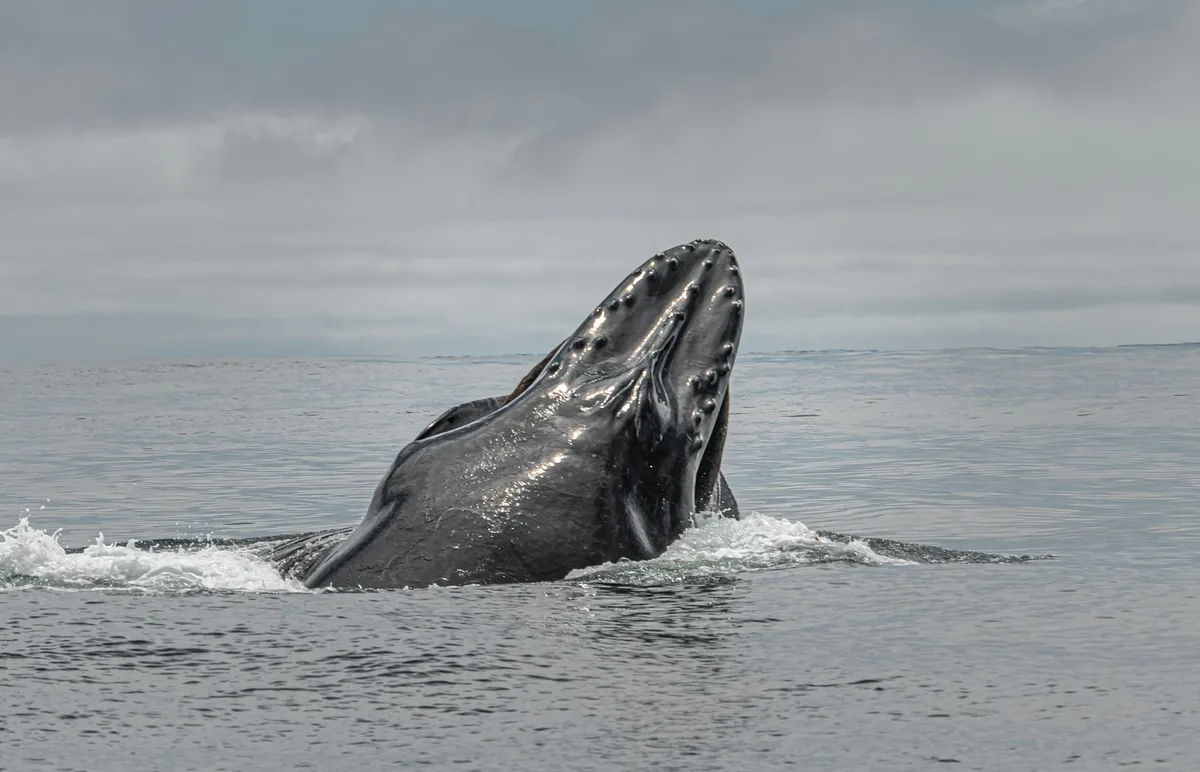
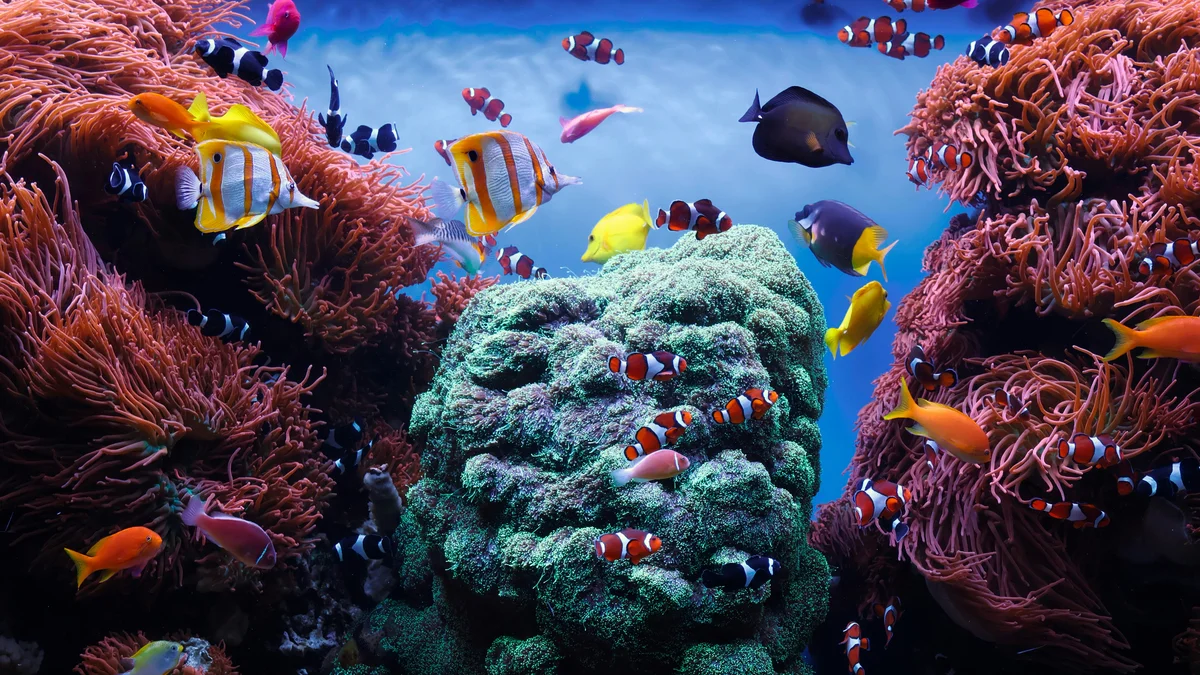
Monterey cypress occurs naturally in only two places in the world, and Point Lobos is one of them. The Carmel Submarine Canyon, just north of the point, brings cold, nutrient-rich water toward the surface, which feeds extensive kelp forests. Harbor seals, sea lions, sea otters, and Brandt's cormorants are among the animals commonly seen, and the sea stars and anemones in the tide pools draw many visitors. Gray whales pass offshore during their seasonal migrations. Photographers Edward Weston and Ansel Adams both spent years working here.
The reserve is a day-use area with limited parking and no camping. Dogs, drones, bicycles on trails, collecting, and feeding wildlife are not allowed, and visitors are asked to stay on the trails. Diving is allowed only at Whalers Cove and Bluefish Cove, and it requires certification and a reservation. Parking fills early and the shoulder of Highway 1 is not an approved alternative, so check California State Parks and the Point Lobos Foundation for current hours, fees, and reservation requirements.
This is a good fit for a Voyzo private tour: a private vehicle and driver with door-to-door pickup can arrive at the best time of day and keep the group together, and no one has to hunt for a parking space. The reserve combines easily with Carmel and the 17-Mile Drive.
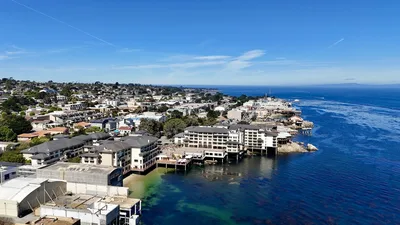
Carmel-by-the-Sea and its mission lie a few miles north, the Carmel Highlands and Big Sur begin to the south, and Monterey's waterfront is a short drive away.
See every tour and attraction we cover in Monterey.