TorontoOntario · 36 tours
 Niagara FallsOntario · 25 tours
 New York CityNew York · 30 tours
 Las VegasNevada · 8 tours
 San FranciscoCalifornia · 16 tours
 VancouverBritish Columbia · 17 tours
 DubaiUAE · 54 tours
 Abu DhabiUAE · 5 tours
 Buenos AiresArgentina · 23 tours
 AthensGreece · 31 tours
 AucklandNew Zealand · 38 tours
 CancunMexico · 54 tours
No destinations match “”. Try searching all tours instead — that search understands full questions, not just place names.
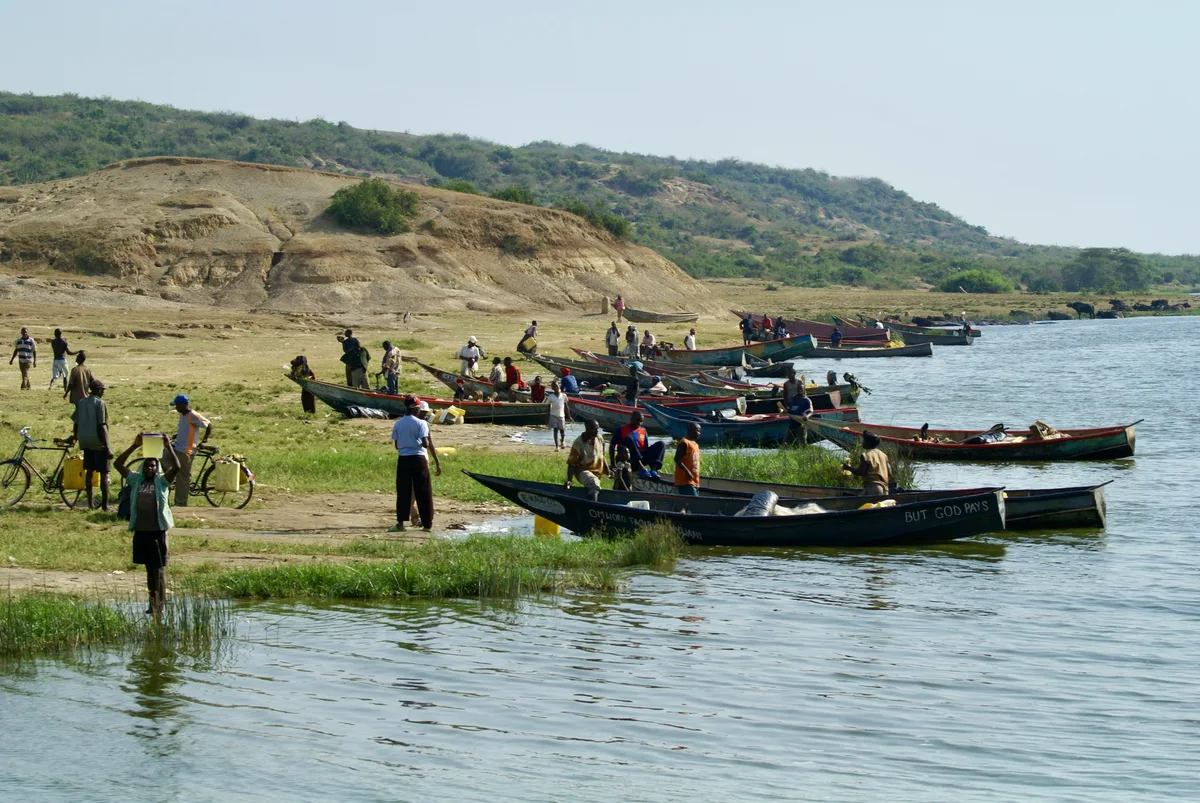
Uganda's most-visited savanna park, spanning the Kazinga Channel between Lake Edward and Lake George — boat safaris here reliably turn up hippos, buffalo, and birdlife, and the Ishasha sector is known for lions that climb into fig trees.
 Multi-Day Tours
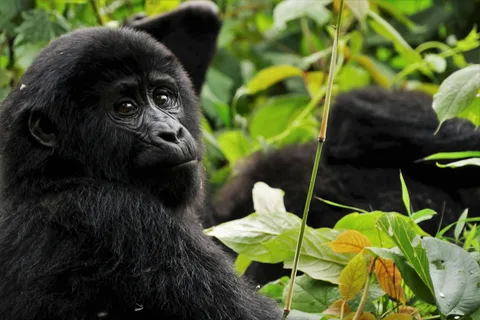
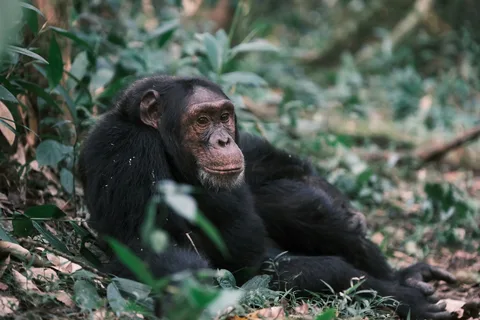
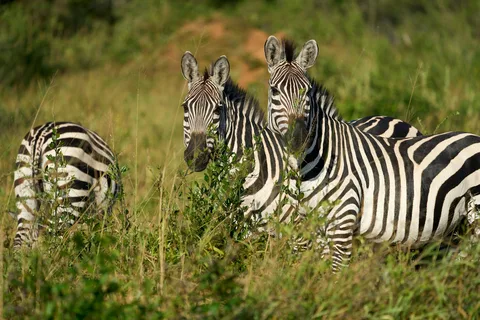
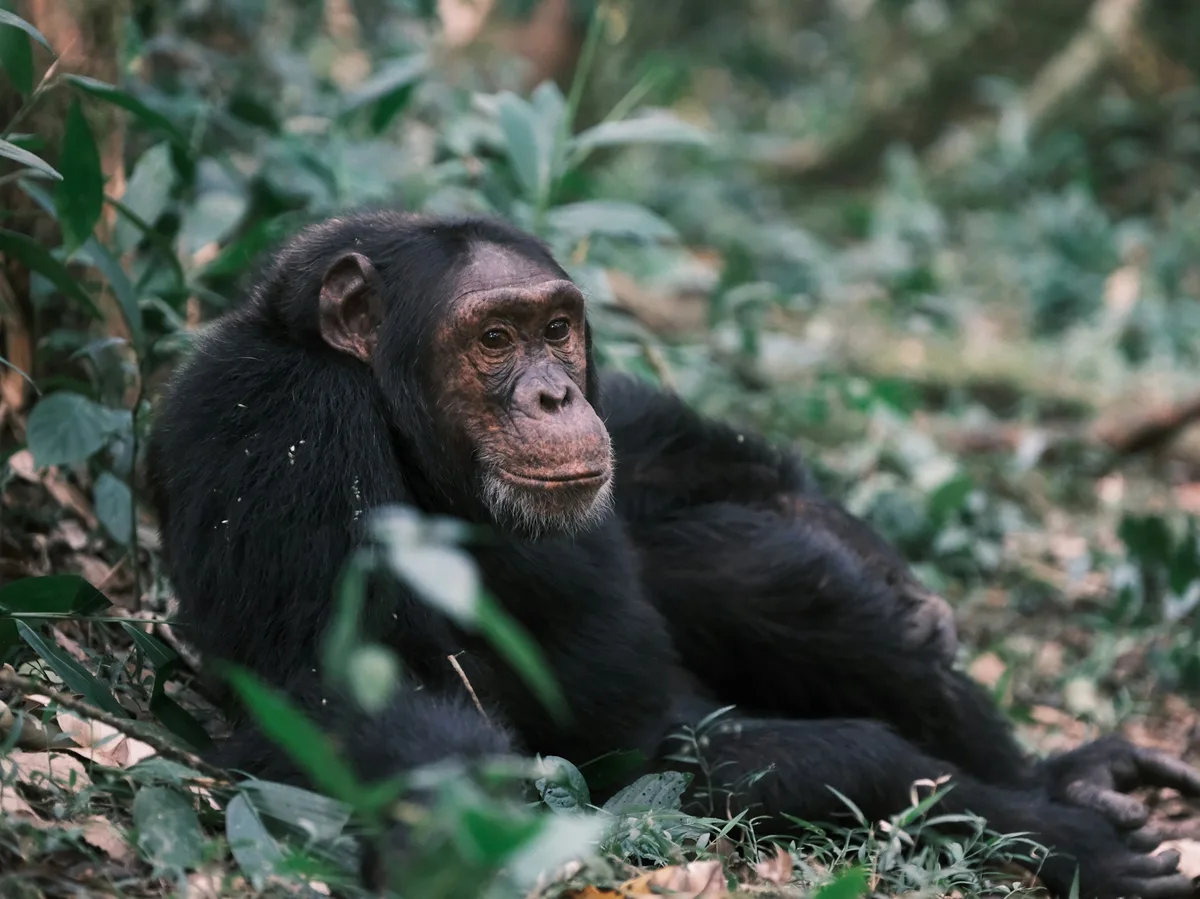
An 8-day private safari from chimpanzee trekking in Kibale Forest through lion tracking and a Kazinga Channel boat safari in Queen Elizabeth National Park to gorilla trekking in Bwindi and the zebras of Lake Mburo.
 Multi-Day Tours
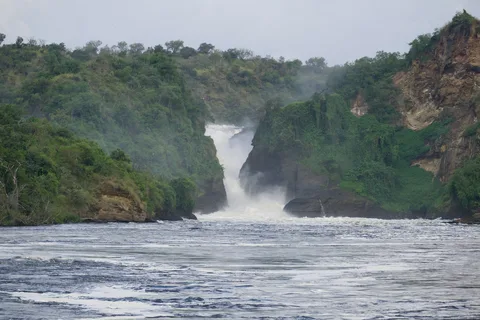
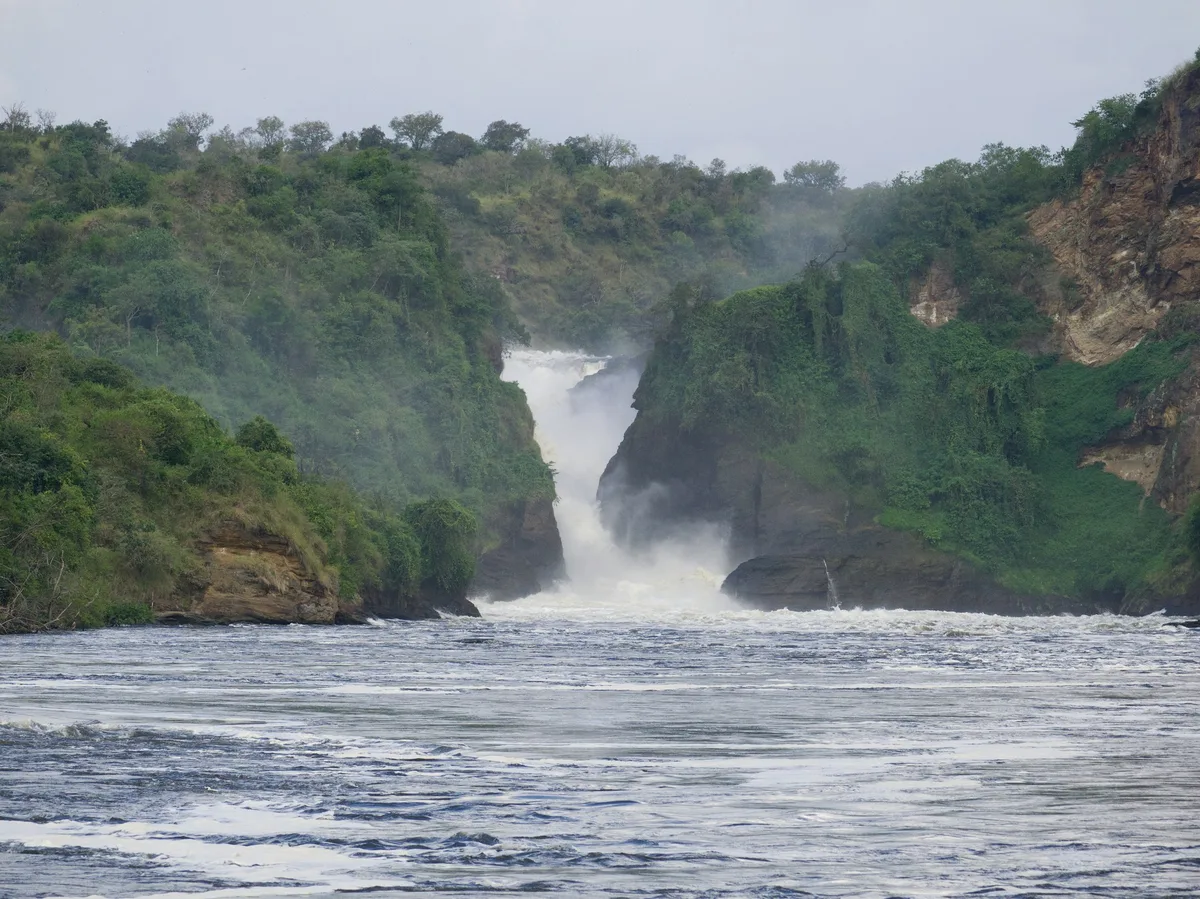
A 14-day private journey from rhino tracking at Ziwa Sanctuary and a Nile boat safari at Murchison Falls, through chimpanzee and gorilla trekking, to Lake Bunyonyi and the zebras of Lake Mburo.
 Multi-Day Tours
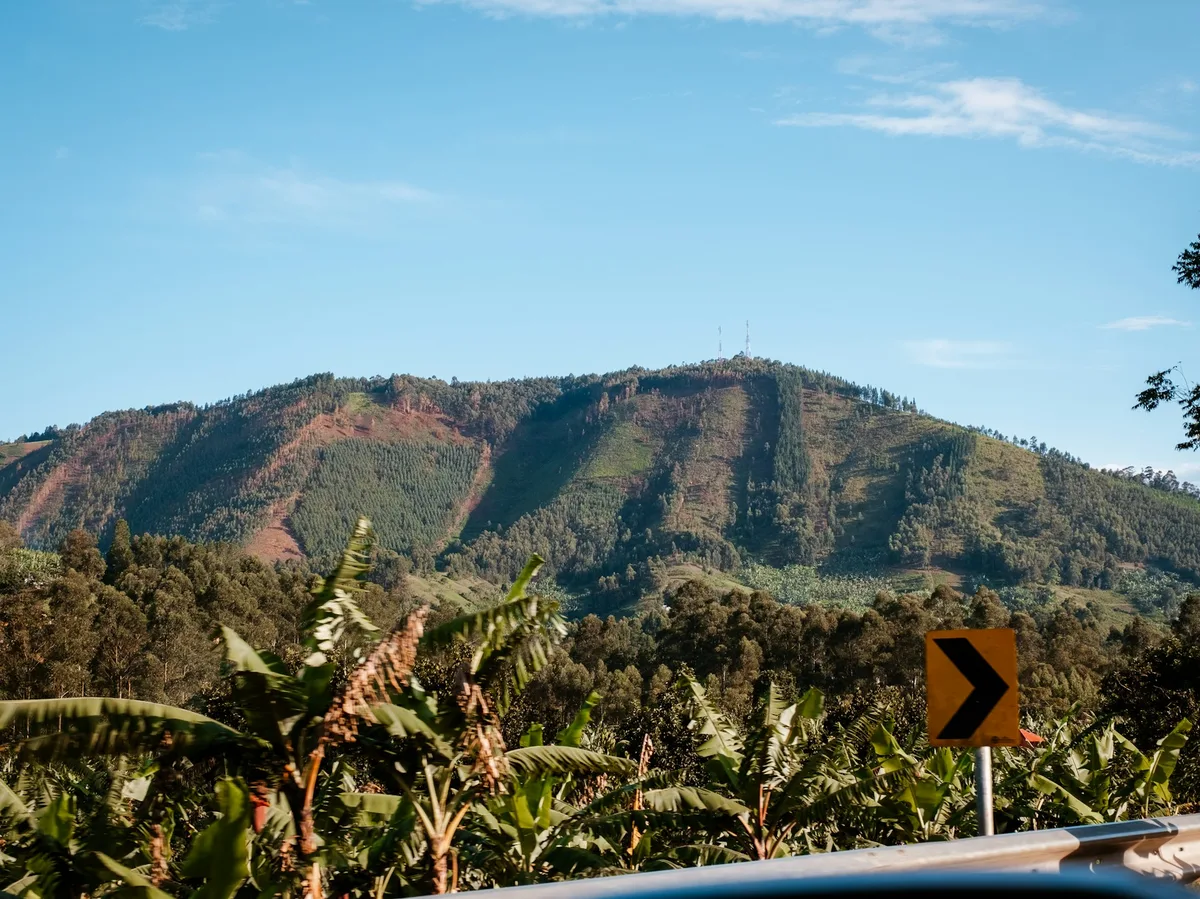
An 11-day trip built around a five-day trek through the Rwenzori Mountains — the “Mountains of the Moon” — to Lake Mahoma and Kitandara Camp, followed by a Kazinga Channel boat safari and chimpanzee trekking at Kalinzu Forest.
Visitor guide
Queen Elizabeth National Park is a large protected area in Uganda's Western Region, covering about 1,978 square kilometres across the districts of Kasese, Kamwenge, Rubirizi and Rukungiri. It lies on the Equator between Lake Edward and Lake George and is known for its savanna, crater lakes, the Kazinga Channel and the tree-climbing lions of the Ishasha sector.
Wikipedia records that the park was founded in 1952 as Kazinga National Park by merging the Lake George and Lake Edward game reserves, and was renamed in 1954 to mark a visit by Queen Elizabeth II. The creation of the park changed the lives of the pastoral peoples who lived here, and the history of the area includes the displacement of communities when game reserves were established under colonial rule. To the east the park borders the Kyambura Game Reserve and the Kigezi Game Reserve, which includes the Maramagambo Forest, and it connects with Kibale National Park to the northeast. Across the western border lies Virunga National Park in the Democratic Republic of the Congo.
The park has volcanic features, including cones and deep craters, many holding crater lakes. The Katwe craters are one example, where salt has been extracted. The Kazinga Channel links Lake George and Lake Edward and is a place where hippos, buffalo, elephants and many waterbirds come to the shore, and boat trips along it are a main activity. The Kyambura Gorge lies in the east of the park, but the Wikipedia article does not describe it in detail.
The Kazinga Channel is a natural channel, given as roughly 32 to 40 kilometres long depending on the source, that links Lake George and Lake Edward near Katunguru. Wikipedia says it is reputed to hold one of the world's largest concentrations of hippos and also has numerous Nile crocodiles. Lake Edward itself covers about 2,325 square kilometres in the Albertine Rift, the western branch of the East African Rift, and Wikipedia suggests the two lakes may once have been a single body of water, later divided by lava flows that left the channel as a remnant. Lake Edward drains north through the Semliki River towards Lake Albert and the Nile.
Wikipedia lists African elephant, buffalo, Ugandan kob, hippopotamus, topi, waterbuck, warthog, giant forest hog, Nile crocodile, leopard, spotted hyena, chimpanzee and lion among the park's animals, and says it has 95 mammal species and more than 600 bird species, although that claim is marked as needing a citation. The Ishasha sector in the south is known for lions that climb into fig trees, and males there often have black manes.
The IUCN designated the park, together with Virunga National Park, a lion conservation unit in 2006. The Uganda Carnivore Program and the Uganda Wildlife Authority monitor the park's lions, hyenas and leopards using radio collars and other methods.
Queen Elizabeth National Park is often combined with Bwindi, Kibale and Lake Mburo on a western Uganda circuit. The park is twinned with Queen Elizabeth Country Park in England. Because the park has several distinct sectors, a private driver and guide helps with moving between the northern channel area and the southern Ishasha plains.
See every tour and attraction we cover in Uganda.