TorontoOntario · 36 tours
 Niagara FallsOntario · 25 tours
 New York CityNew York · 30 tours
 Las VegasNevada · 8 tours
 San FranciscoCalifornia · 16 tours
 VancouverBritish Columbia · 17 tours
 DubaiUAE · 54 tours
 Abu DhabiUAE · 5 tours
 Buenos AiresArgentina · 23 tours
 AthensGreece · 31 tours
 AucklandNew Zealand · 38 tours
 CancunMexico · 54 tours
No destinations match “”. Try searching all tours instead — that search understands full questions, not just place names.
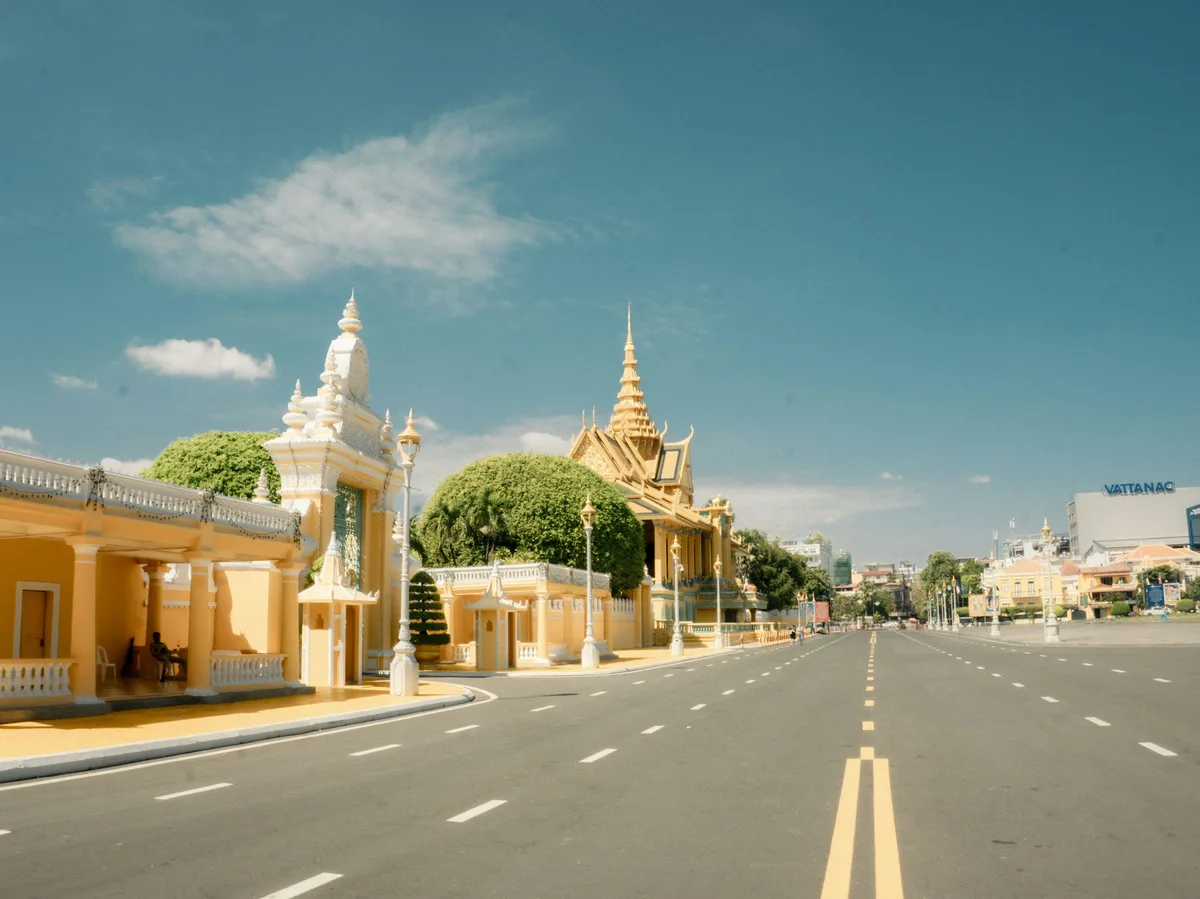
The official residence of the King of Cambodia since 1866, this riverside complex in Phnom Penh includes the Silver Pagoda, named for its floor of 5,000 silver tiles and home to a revered Emerald Buddha statue.
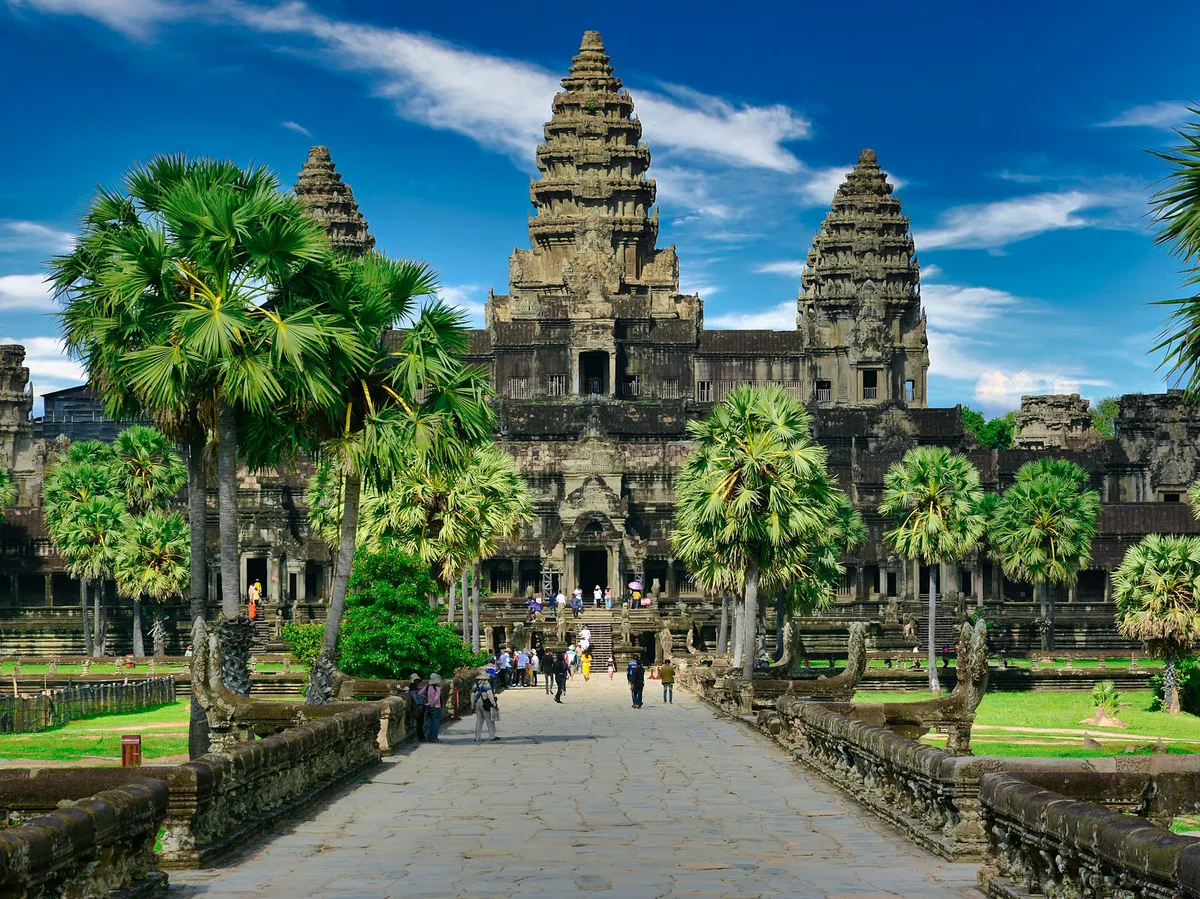 Multi-Day Tours Popular Pick
A 9-day journey through Cambodia's ancient Angkor temples, the floating villages of Tonlé Sap, Phnom Penh's history, and a restful finish on the Sihanoukville coast.
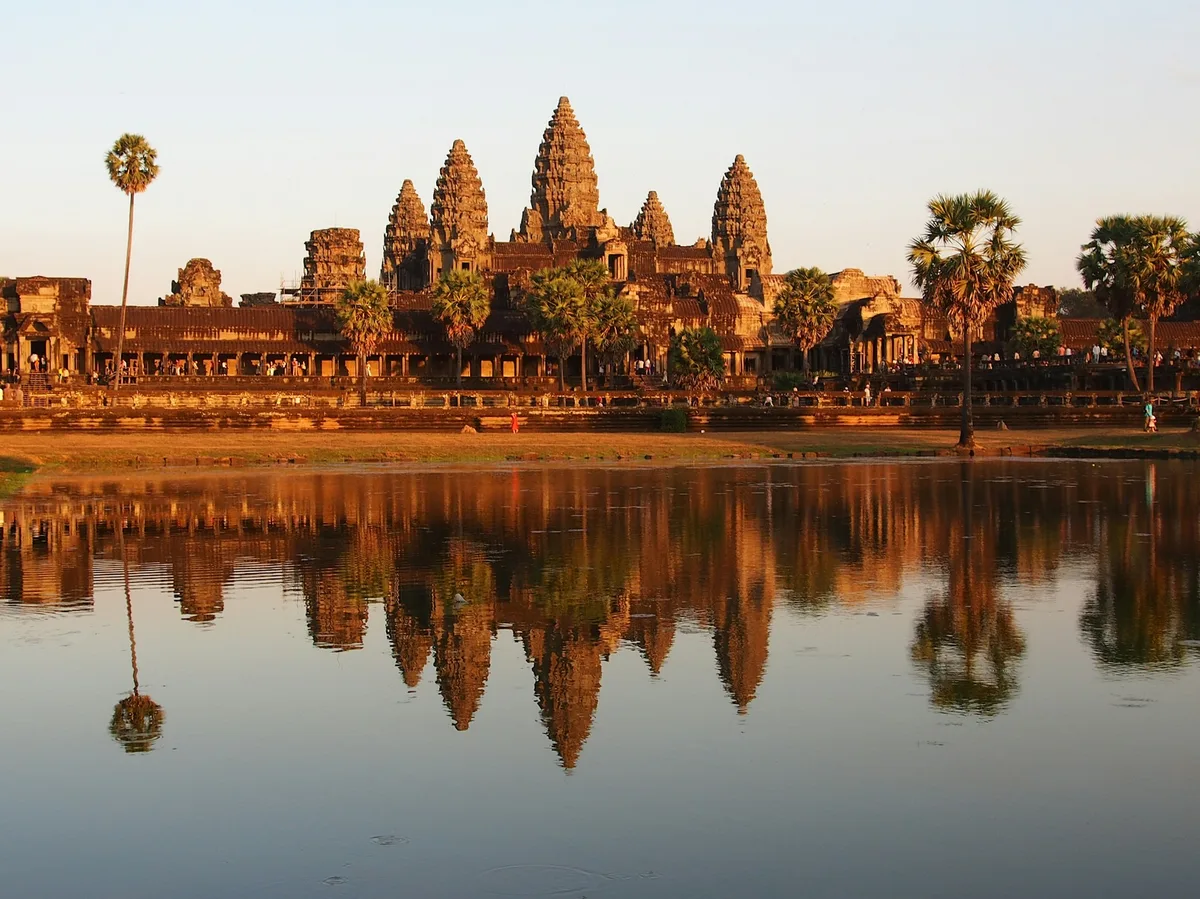 Multi-Day Tours
A 12-day route from the temples of Angkor and the history of Phnom Penh into Laos, taking in Vientiane, Vang Vieng, and UNESCO-listed Luang Prabang.
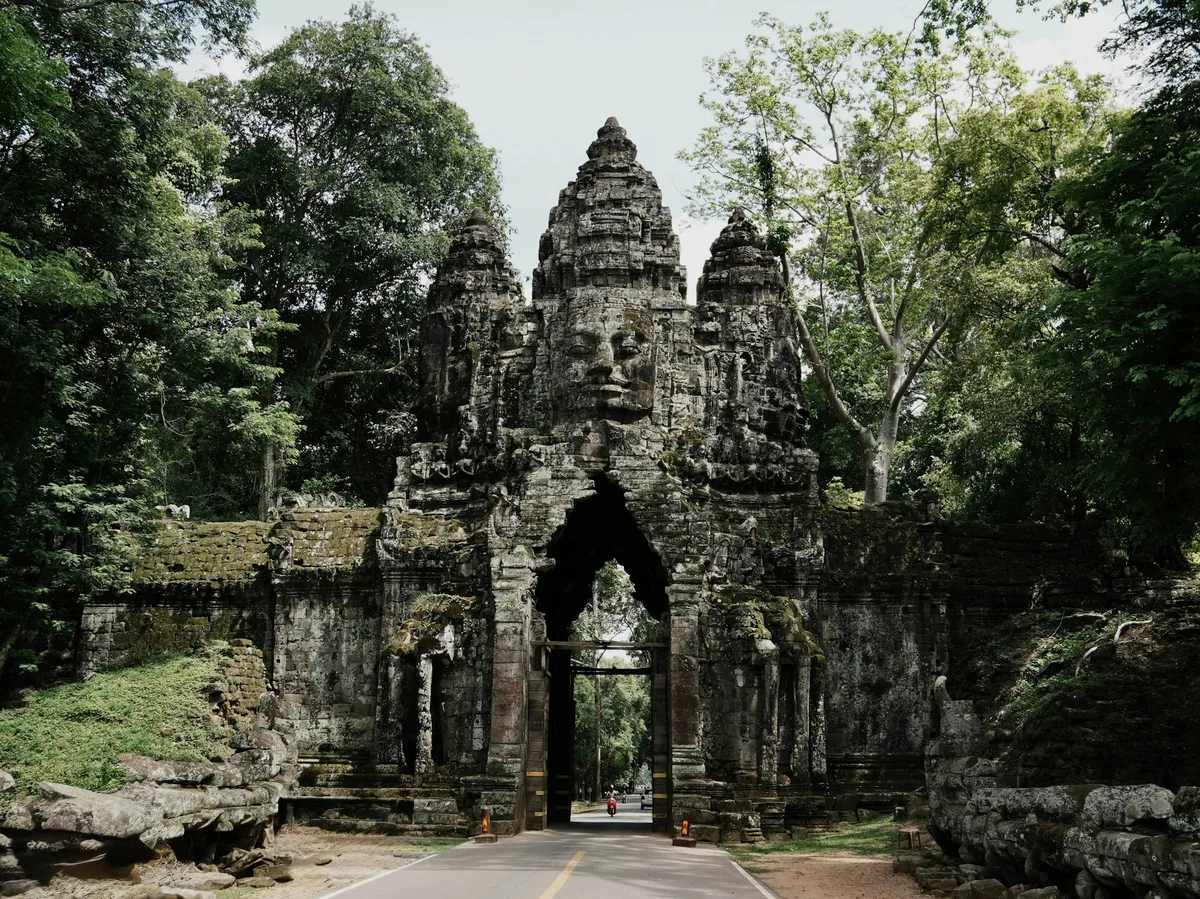 Multi-Day Tours
A grand 23-day sweep across four countries — Thailand, Laos, Cambodia, and Vietnam — pairing Angkor Wat and Phnom Penh with Bangkok, Luang Prabang, Ho Chi Minh City, and Ha Long Bay.
Visitor guide
The Royal Palace in Phnom Penh is a complex of buildings that serves as the official residence of the King of Cambodia. Standing on the western bank of the river at the meeting point of the Tonle Sap and Mekong, it includes the Throne Hall and the Silver Pagoda, which houses the country's revered crystal Emerald Buddha.
The Khmer court was based at Angkor until the 15th century and then moved through several sites. In 1813 King Ang Chan built a fortress called Banteay Kev on the spot where the palace stands today. The capital returned to Phnom Penh in 1866 under his nephew King Norodom, who lived in a temporary wooden palace while the permanent one was built between 1866 and 1870. The architect is credited as Tep Nimith Mak. Norodom's palace was largely demolished and rebuilt under King Sisowath in the early 20th century, with sources giving different end dates of 1919 or 1932. Only the eastern wall and the Napoleon Pavilion remain substantially from Norodom's complex.
Walls divide the complex into several compounds: the Silver Pagoda to the south, Khemarin Palace to the north, the central Throne Hall compound, and the private inner court to the west. The Throne Hall, called the Sacred Seat of Judgement, is a cross-shaped building crowned with three spires. The central spire rises about 59 metres and is topped by a white four-faced Brahma head. Built in 1917 and inaugurated in 1919, the hall is used for coronations, royal weddings and receiving foreign ambassadors.
Other buildings include the Moonlight Pavilion, an open-air stage for Khmer classical dance rebuilt in 1913 and 1914, and the Phochani Pavilion, a banquet hall built in 1912. The Napoleon Pavilion is a prefabricated cast-iron villa made by a Paris firm in 1875. A popular story says Napoleon III gave it as a gift, but Wikipedia notes that this account appeared only in 1925 and is not well supported. Khemarin Palace is the king's official residence, and the private areas that cover roughly half the grounds are not open to the public.
The Silver Pagoda, officially Preah Vihear Preah Keo Morakot and also called Wat Preah Keo, takes its popular name from the more than 5,000 silver tiles that cover its floor, laid under King Sihanouk. Its main treasure is a small crystal Buddha known as Cambodia's Emerald Buddha. Its origin is uncertain, with suggestions of 19th-century Baccarat crystal or an older 17th-century crystal. The pagoda also holds a near life-size Maitreya Buddha encrusted with 9,584 diamonds, commissioned by King Sisowath. In the 1960s Queen Kossamak had the structure rebuilt because the original had grown too weak, and its walls are painted with scenes from the Reamker, the Khmer version of the Ramayana.
The palace covers about 174,870 square metres and shows traditional Khmer roofline design, with tiered roofs, spires and gilded ornament. Historically the eastern courtyard was public, while the western courtyard housed the king's women and was closed to other men. Because the grounds are a working royal residence, access to some areas varies, and a private guide can explain the symbolism of the halls and the story of the Emerald Buddha.
See every tour and attraction we cover in Cambodia.