TorontoOntario · 36 tours
 Niagara FallsOntario · 25 tours
 New York CityNew York · 30 tours
 Las VegasNevada · 8 tours
 San FranciscoCalifornia · 16 tours
 VancouverBritish Columbia · 17 tours
 DubaiUAE · 54 tours
 Abu DhabiUAE · 5 tours
 Buenos AiresArgentina · 23 tours
 AthensGreece · 31 tours
 AucklandNew Zealand · 38 tours
 CancunMexico · 54 tours
No destinations match “”. Try searching all tours instead — that search understands full questions, not just place names.
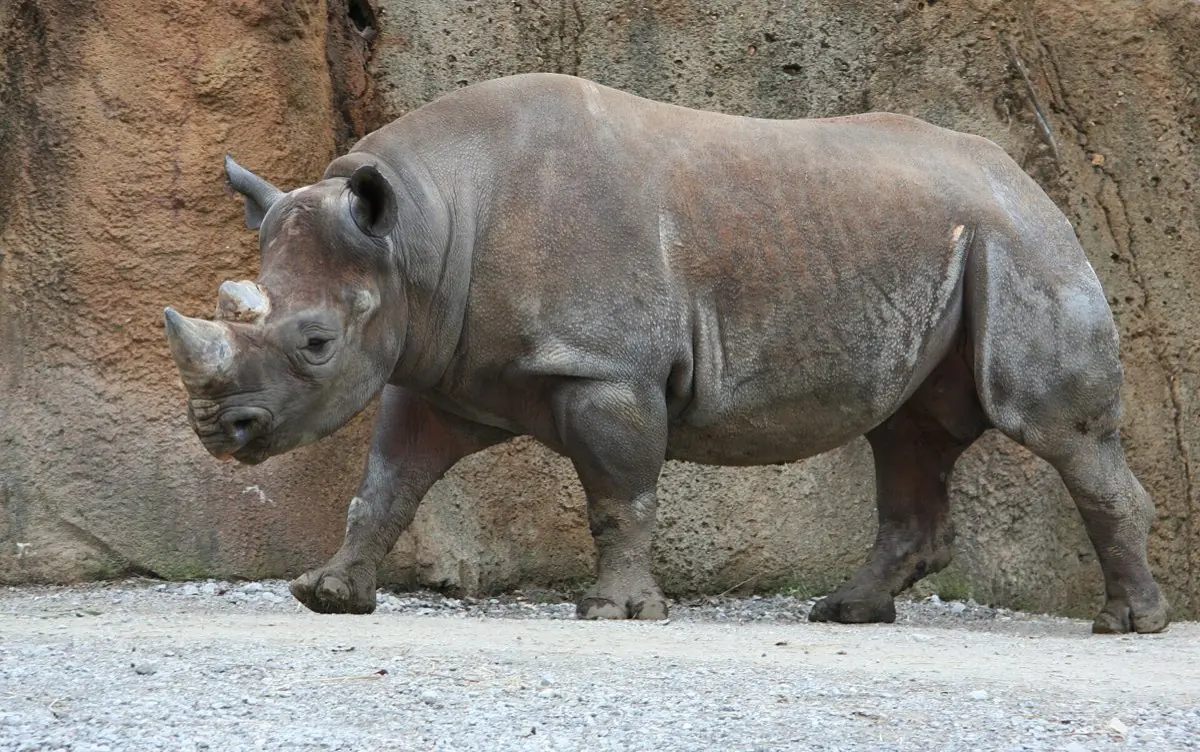
A major zoo within Forest Park, with free general admission.
Visitor guide
The Saint Louis Zoo sits in Forest Park on land that hosted the 1904 World's Fair, and its story begins with a bird cage left over from that event. Admission has long been free, supported by a regional cultural tax district, and the zoo is accredited by the Association of Zoos and Aquariums.
The Smithsonian Institution built a huge walk-through aviary for its bird exhibit at the 1904 fair, reportedly for $17,500. When the fair ended, the City of St. Louis bought it for $3,500 rather than see it dismantled and moved to Washington. Local accounts describe it as one of the larger free-flight aviaries in the world, measuring 228 feet long, 84 feet wide and 50 feet high.
A "new zoo" opened near the cage in August 1905. The Zoological Society of St. Louis was formed in 1910 to push for a permanent zoological park, and in December 1913 the mayor signed a law setting aside 77 acres of Forest Park for it. Wikipedia dates the society's incorporation to 1914, and voters approved a property tax to fund zoo construction in 1916. The zoo later joined the Metropolitan Zoological Park and Museum District (ZMD) in 1972, which supplies the property-tax subsidy that underwrites free general admission. Sources differ on some early dates, so treat the exact year of founding with care: 1910, 1913, 1914 and 1916 each mark a different milestone.
Wikipedia's timeline traces how the zoo filled in over the following decades: the Bear Pits in 1921, the Primate House in 1923, the Reptile House in 1927, the Bird House in 1930, the Antelope House in 1935 and the Ape House in 1939. In 1939 the zoo also acquired two giant pandas, Happy and Pao Pei. George P. Vierheller directed the zoo from 1922 to 1962, followed by R. Marlin Perkins from 1962 to 1970; Perkins is remembered as the host of the television series Mutual of Omaha's Wild Kingdom. The Sea Lion Arena and Elephant House date to the mid-1950s, the Emerson Zooline Railroad opened in 1963, Big Cat Country in 1976 and the Jungle of the Apes in 1986.
The zoo occupies about 90 acres, and Wikipedia reports roughly 18,700 animals and more than 600 species, though counts quoted elsewhere range from about 14,000 to 18,000 animals, and the zoo's own website describes it as home to over 12,000 animals, and Wikipedia cites about 3 million visitors a year. The lesser kudu serves as its symbol. Historic Hill holds the Bird House, Flight Cage and Cypress Swamp, Primate House and Herpetarium. Big Cat Country and the antelope habitats are in the Red Rocks area, Penguin and Puffin Coast (opened in 2003) is in The Wild alongside Polar Bear Point and Grizzly Ridge, and River's Edge, built in phases between 1999 and 2002, covers species from Asia, Africa and North America. The Insectarium opened in 2000, and Primate Canopy Trails followed in 2021.
The zoo's stated mission is to conserve animals and their habitats through animal management, research, recreation and education. A 355-acre farm donated in 1993 supports endangered-species breeding, and in 2017 the zoo joined the Missouri Botanical Garden and Washington University in the Living Earth Collaborative. Its programs have also included tracking the box turtles that live in Forest Park. Some special attractions inside carry separate fees.
The zoo sits beside the Art Museum, History Museum and Science Center in Forest Park, so many groups pair it with another stop. On a Voyzo private tour, your driver can collect you door to door and hold the day's order flexible. Confirm current hours and any special-attraction details with the zoo directly.
See every tour and attraction we cover in St. Louis.