TorontoOntario · 36 tours
 Niagara FallsOntario · 25 tours
 New York CityNew York · 30 tours
 Las VegasNevada · 8 tours
 San FranciscoCalifornia · 16 tours
 VancouverBritish Columbia · 17 tours
 DubaiUAE · 54 tours
 Abu DhabiUAE · 5 tours
 Buenos AiresArgentina · 23 tours
 AthensGreece · 31 tours
 AucklandNew Zealand · 38 tours
 CancunMexico · 54 tours
No destinations match “”. Try searching all tours instead — that search understands full questions, not just place names.
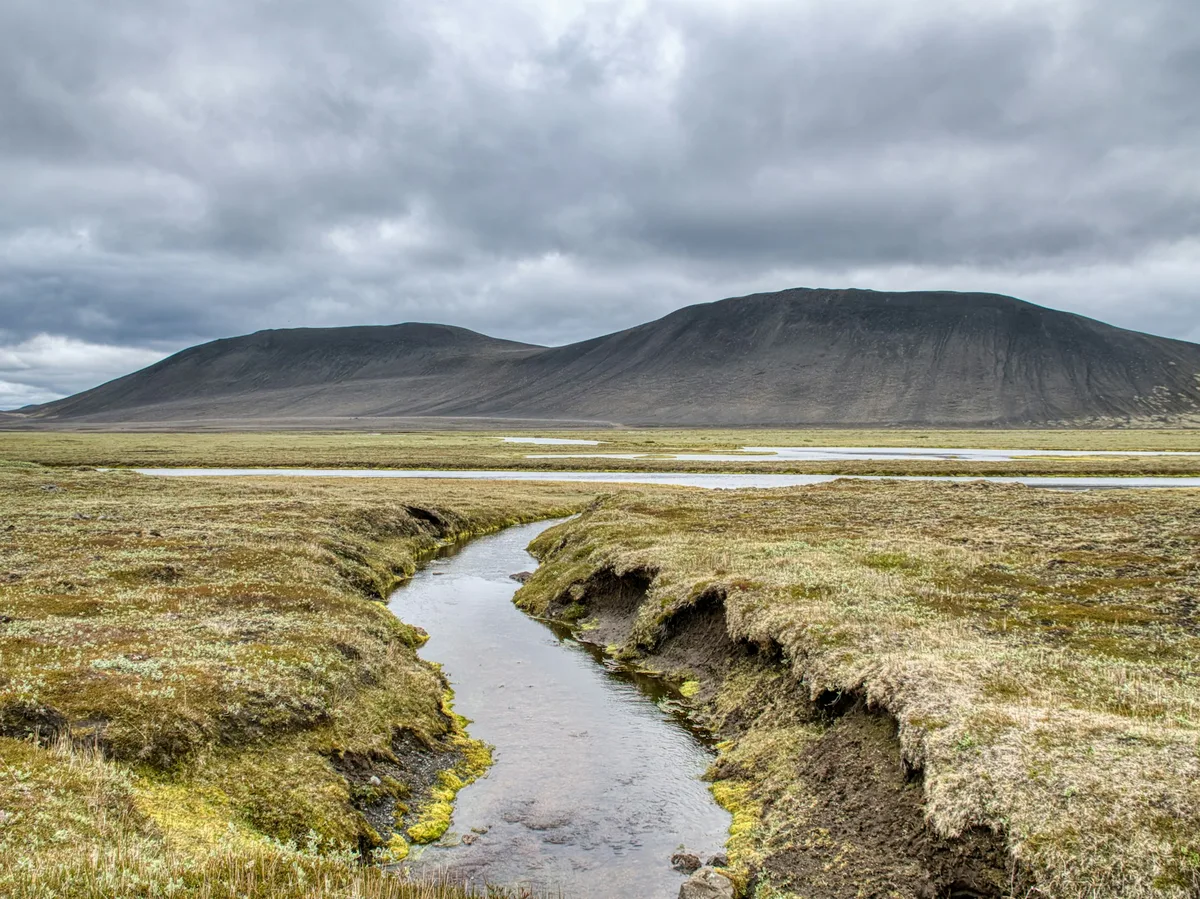
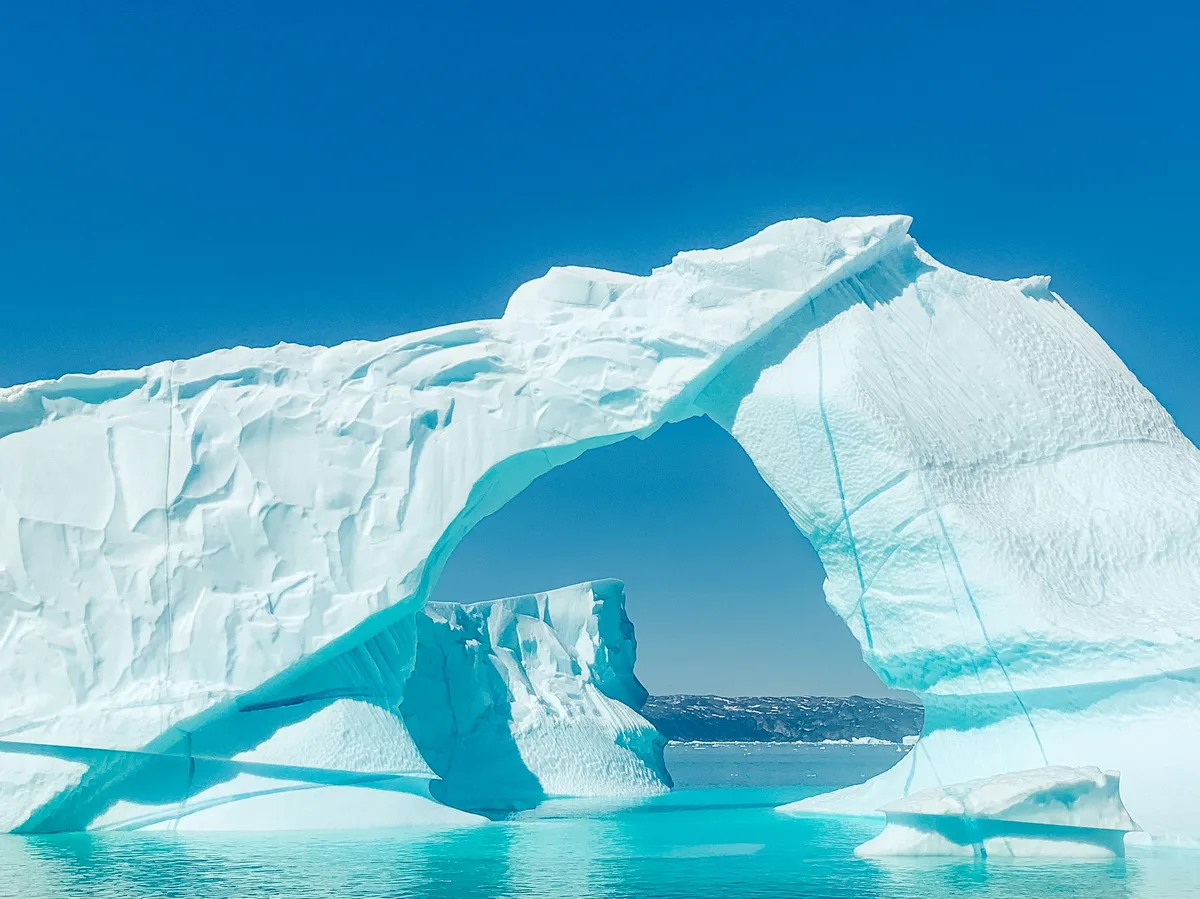
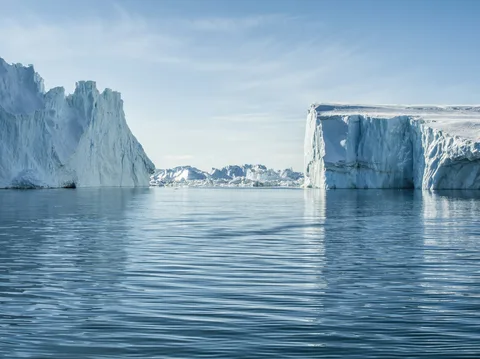
A hiking valley just outside Ilulissat with the remains of settlements dating back roughly 4,000 years or more, set against views over the mouth of the Ilulissat Icefjord.
Visitor guide
Sermermiut is an ancient Inuit settlement site in Disko Bay, Greenland, at the mouth of the Ilulissat Icefjord just outside the town of Ilulissat. It is now part of the Ilulissat Icefjord World Heritage Site and is one of the best-known archaeological locations in Greenland.
According to Wikipedia, the area became a focus of archaeological interest at the start of the 20th century, although early results were poorly documented, and its pre-colonial history was pieced together through a series of excavations. A dig in 1953 found that Sermermiut had been used by the Saqqaq, Early Dorset and Thule cultures, and a 1983 excavation dated the start of Early Dorset settlement to around 600 to 200 BCE. Sources differ on the earliest dates: the Geological Survey of Denmark and Greenland (GEUS) says the Saqqaq people settled the Ilulissat area about 4,400 years ago, while a local tour operator puts the first Saqqaq camps in the valley around 2400 BC.
GEUS describes successive peoples drawn to the nutrient-rich waters of the icefjord, where hunting and fishing sustained them. The Dorset culture later disappeared and the Disko Bay region was uninhabited for a thousand years, according to GEUS, until Thule people settled at Sermermiut and nearby Qajaa about 800 years ago. The site was finally abandoned in 1850, when its last resident moved to nearby Jakobshavn, now called Ilulissat.
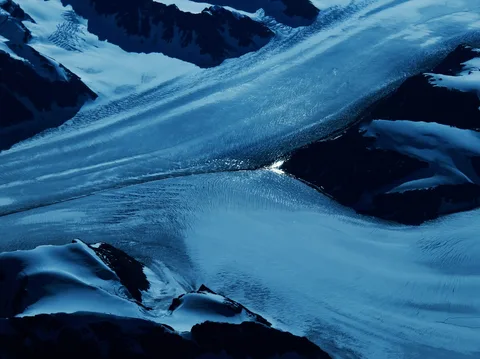
Sermermiut lies on land shaped by the glaciers that created the icefjord. Some sources warn that thawing permafrost, which long supported the ruins, is destabilising the ground and causing erosion on the slopes. A travel source says archaeologists estimate the remains could disintegrate within 80 to 100 years, a projection that should be treated cautiously as it comes from a secondary source.
GEUS describes the three cultures in more detail. The Saqqaq lived around the icefjord for about 1,500 years, using small round soapstone lamps and tools of silicified slate. The Dorset arrived about 2,800 years ago after a gap in settlement and stayed about 700 years, using oval lamps and chalcedony tools. The Thule arrived in Greenland about 1100 AD and settled Sermermiut and Qajaa around 1200 AD, building stone-and-peat winter houses with driftwood or whale-rib roofs and using kayaks, dog sledges and the umiaq. GEUS describes Sermermiut as exceptional because the site was inhabited during all three cultural phases of West Greenland.
The name Sermermiut is often translated as the place of the glacier people. In 1737 Poul Egede described about 20 very large houses at the site. Residents gradually moved to Jakobshavn during the 1800s, and the last inhabitants left around 1850 for Jakobshavn, whose population rose to 262 that year, according to GEUS. Nearby Qajaa has a midden in permafrost, which gives it unusually good preservation, and was abandoned at the beginning of the 18th century. Driftwood carried by ocean currents from Canadian and Siberian forests was essential for tents, kayaks, sledges and weapons.
Guided walks of the settlement follow a boardwalk through the valley toward the icefjord and finish at the viewpoint called Nakkaavik, which one operator translates as the place to fall. A visitor review describes the walk as taking about 40 minutes to the end. The route lets walkers connect the ruins with the ice that supported the people who lived here. A local guide can explain what the remaining stones and house outlines represent, and a private driver can handle the transfer from town.
See every tour and attraction we cover in Greenland.