TorontoOntario · 36 tours
 Niagara FallsOntario · 25 tours
 New York CityNew York · 30 tours
 Las VegasNevada · 8 tours
 San FranciscoCalifornia · 16 tours
 VancouverBritish Columbia · 17 tours
 DubaiUAE · 54 tours
 Abu DhabiUAE · 5 tours
 Buenos AiresArgentina · 23 tours
 AthensGreece · 31 tours
 AucklandNew Zealand · 38 tours
 CancunMexico · 54 tours
No destinations match “”. Try searching all tours instead — that search understands full questions, not just place names.
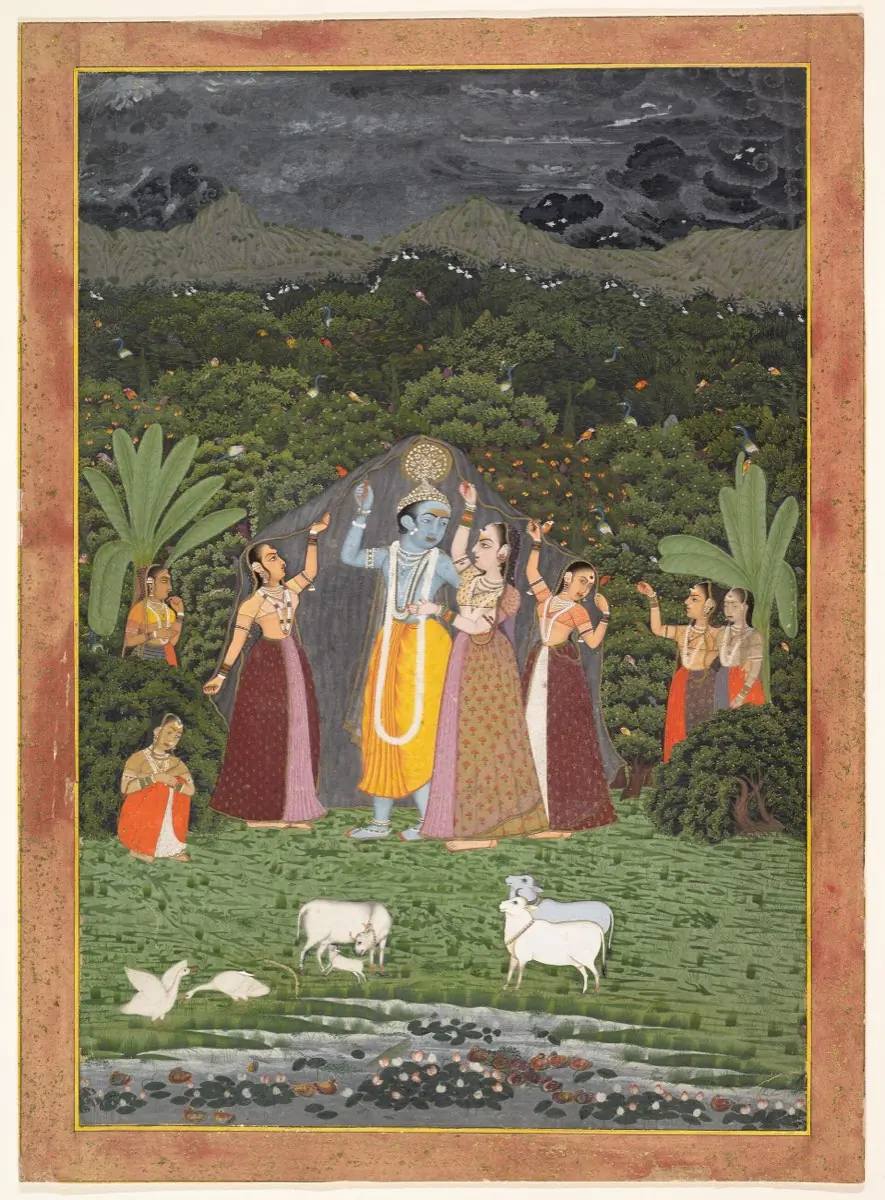
One of the largest and most comprehensive art museums in the world.
Visitor guide
The Metropolitan Museum of Art, known as the Met, was founded in 1870 and now occupies a large complex on the east edge of Central Park along Fifth Avenue. It is the largest art museum in the Americas by floor area, with a collection listed at about 1.5 million works across 17 curatorial departments. Its sister site, The Cloisters, sits in Fort Tryon Park.
The idea for a national art museum took shape in 1866 among Americans gathered in Paris, with lawyer John Jay among those pressing for it on his return. The museum was incorporated on April 13, 1870, and opened to the public in the Dodworth Building at Fifth Avenue, which Wikipedia dates to February 20, 1872, under its first president, railroad executive John Taylor Johnston. Its first acquisition was a Roman sarcophagus. After a brief stay on West 14th Street, it opened at its current site in Central Park on March 30, 1880. Luigi Palma di Cesnola, a former Civil War officer, served as its first director from 1879 to 1904. Wikipedia says the museum opened the first museum shop in 1908.
The first building on the site was designed by Calvert Vaux and Jacob Wrey Mould in a Ruskinian Gothic style and was intended to be expanded. Later additions followed. The Beaux-Arts Fifth Avenue facade and the Great Hall were designed by Richard Morris Hunt, a founding trustee, and opened in the early 1900s, while McKim, Mead & White added the flanking wings through the 1910s and 1920s; sources give slightly different dates. The Kevin Roche John Dinkeloo firm designed later expansions, and the additions now surround the earliest section.
The collection spans roughly 5,000 years. The Egyptian holdings number more than 26,000 objects. The Temple of Dendur was built in Nubia under the emperor Augustus; the Met dates it to about 15 B.C. and says it was completed by 10 B.C.; Egypt presented it to the United States in 1965 in thanks for help saving Nubian monuments threatened by the Aswan High Dam, and it was formally awarded to the Met in 1967. Its sandstone blocks, shipped in crates aboard the freighter S.S. Concordia Star, were delivered to the Museum on August 20, 1968, according to the Met, and it opened to the public in the museum on September 27, 1978. A reflecting pool in front evokes the Nile, and a slanted glass wall and ceiling diffuse the light. Nineteenth-century European visitors carved their names into the stone, including an 1817 inscription.
Elsewhere, the Greek and Roman galleries hold over 17,000 objects, Islamic art about 12,000, and arms and armor about 14,000. The Astor Court, a Ming-style garden court modeled on a courtyard in Suzhou, opened in 1981. The Michael C. Rockefeller Wing of African, Oceanic and Americas art opened in 1982, and the Robert Lehman collection has its own wing, opened in 1975. The Costume Institute holds more than 35,000 costumes and accessories. The American Wing, which reopened in 2012 and includes Emanuel Leutze's Washington Crossing the Delaware, and the European paintings are among the other departments that draw visitors. In 2017 the museum began releasing more than 375,000 public-domain images for unrestricted use through its Open Access initiative.
The Cloisters, devoted to medieval European art and architecture, opened on May 10, 1938, in Fort Tryon Park in upper Manhattan. Its collection grew from the holdings of sculptor and collector George Grey Barnard, who assembled medieval material in France in the early 1900s; John D. Rockefeller Jr. acquired that collection for the Met in 1925 and later donated to New York City the land that became Fort Tryon Park, about four acres of which were set aside as the site for the new museum. The building was designed by Charles Collens and incorporates elements from medieval cloisters in France. Its best-known works include the Unicorn Tapestries and the Merode Altarpiece. It is a separate site, so confirm with the Met whether your ticket covers both and what current admission policies are.
The main building is vast, and most visitors choose a few departments rather than trying to see everything. Check the Met's official site for current hours, admission and which galleries are open.
For a private Voyzo tour, a private vehicle and driver takes you door to door along Fifth Avenue, which suits a museum visit where you may want to arrive and leave on your own schedule.
See every tour and attraction we cover in New York City.