TorontoOntario · 36 tours
 Niagara FallsOntario · 25 tours
 New York CityNew York · 30 tours
 Las VegasNevada · 8 tours
 San FranciscoCalifornia · 16 tours
 VancouverBritish Columbia · 17 tours
 DubaiUAE · 54 tours
 Abu DhabiUAE · 5 tours
 Buenos AiresArgentina · 23 tours
 AthensGreece · 31 tours
 AucklandNew Zealand · 38 tours
 CancunMexico · 54 tours
No destinations match “”. Try searching all tours instead — that search understands full questions, not just place names.
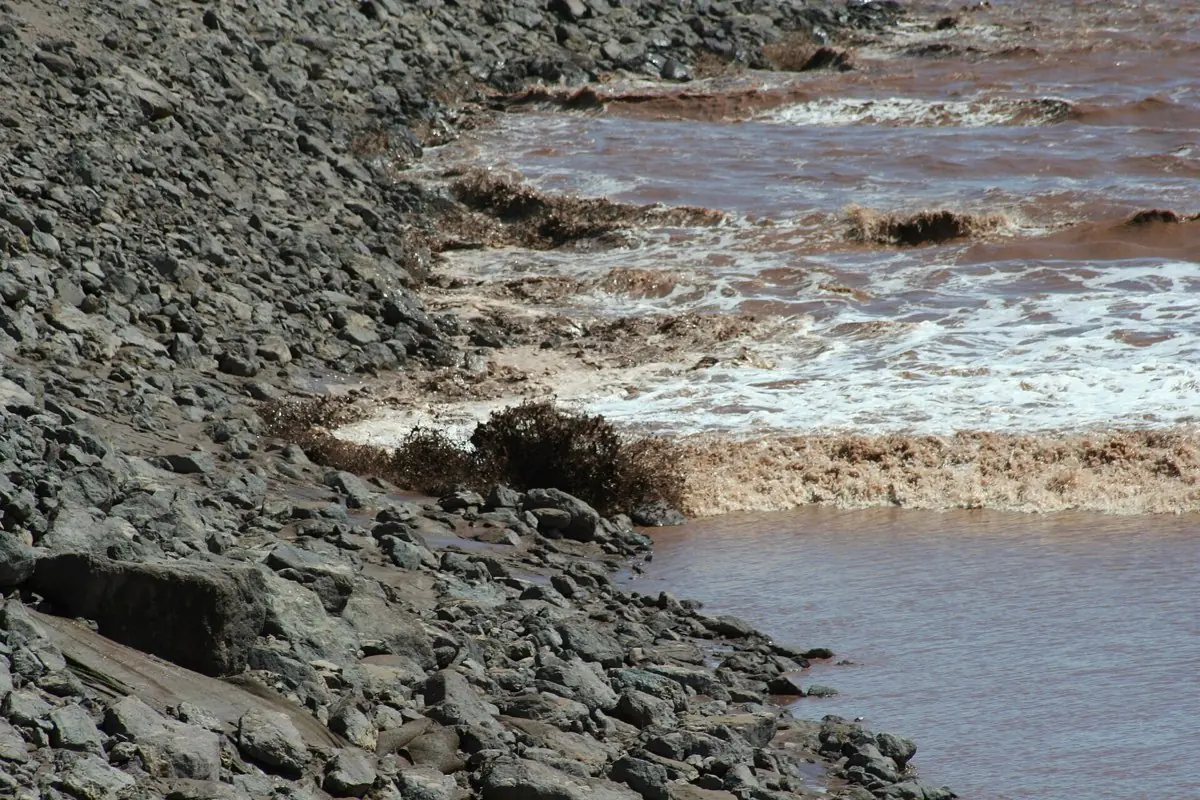
A wave that rushes up the Petitcodiac River as the Bay of Fundy tide overtakes the current.
Visitor guide
The Petitcodiac River tidal bore is a wave of incoming Bay of Fundy tide that rolls upstream past Moncton, reversing the river's flow for a short time. It arrives twice a day, and its size depends on the tides and river conditions.
A tidal bore needs a large tidal range and a shallow, funnel-shaped channel that narrows inland. The Bay of Fundy supplies the tide, which the City of Moncton says pushes more than 100 billion tons of water in and out of the bay, and the narrowing Petitcodiac estuary funnels it into a single advancing wave. The city notes that the bore's height depends on the incoming tide, the river's depth and its discharge: low water can heighten the bore, while heavy flow from rain or snowmelt can dampen it. Spring and the days around full moons and supermoons are described as especially impressive.
Before the 1960s the bore was a major tourist draw, reported at 1 to 2 metres (about 3 to 6.5 feet) high and travelling around 5 to 13 km/h. In 1968 a rock-and-earth causeway was built between Moncton and Riverview, leaving only a small channel open. Silt built up downstream, and the bore dwindled to a fraction of its former size. On 14 April 2010 the causeway gates were opened permanently as part of the Petitcodiac River Restoration Project, and the bore has since been returning toward its earlier size. The causeway was later replaced by a bridge, with the restoration project reported complete in September 2021. In July 2013, professional surfers rode a one-metre wave of the bore for 29 km, which was reported as a North American record for continuous surfing.
The City of Moncton describes the bore as a single wave that today reaches about 0.5 to 1 metre. The leading edge passes a given spot in a few minutes, but the surge of rising water lasts 30 to 60 minutes, and the river can go from nearly empty mud flats to nearly full within about two hours. Arrival times are estimates that can be 20 minutes either side, and the city recommends arriving at least 30 minutes early. The brown, silt-laden water earns the Petitcodiac its nickname, the Chocolate River.
Downtown Moncton's Main Street, the Riverfront Trail and Magnetic Hill are all within a short drive.
See every tour and attraction we cover in Moncton.