TorontoOntario · 36 tours
 Niagara FallsOntario · 25 tours
 New York CityNew York · 30 tours
 Las VegasNevada · 8 tours
 San FranciscoCalifornia · 16 tours
 VancouverBritish Columbia · 17 tours
 DubaiUAE · 54 tours
 Abu DhabiUAE · 5 tours
 Buenos AiresArgentina · 23 tours
 AthensGreece · 31 tours
 AucklandNew Zealand · 38 tours
 CancunMexico · 54 tours
No destinations match “”. Try searching all tours instead — that search understands full questions, not just place names.
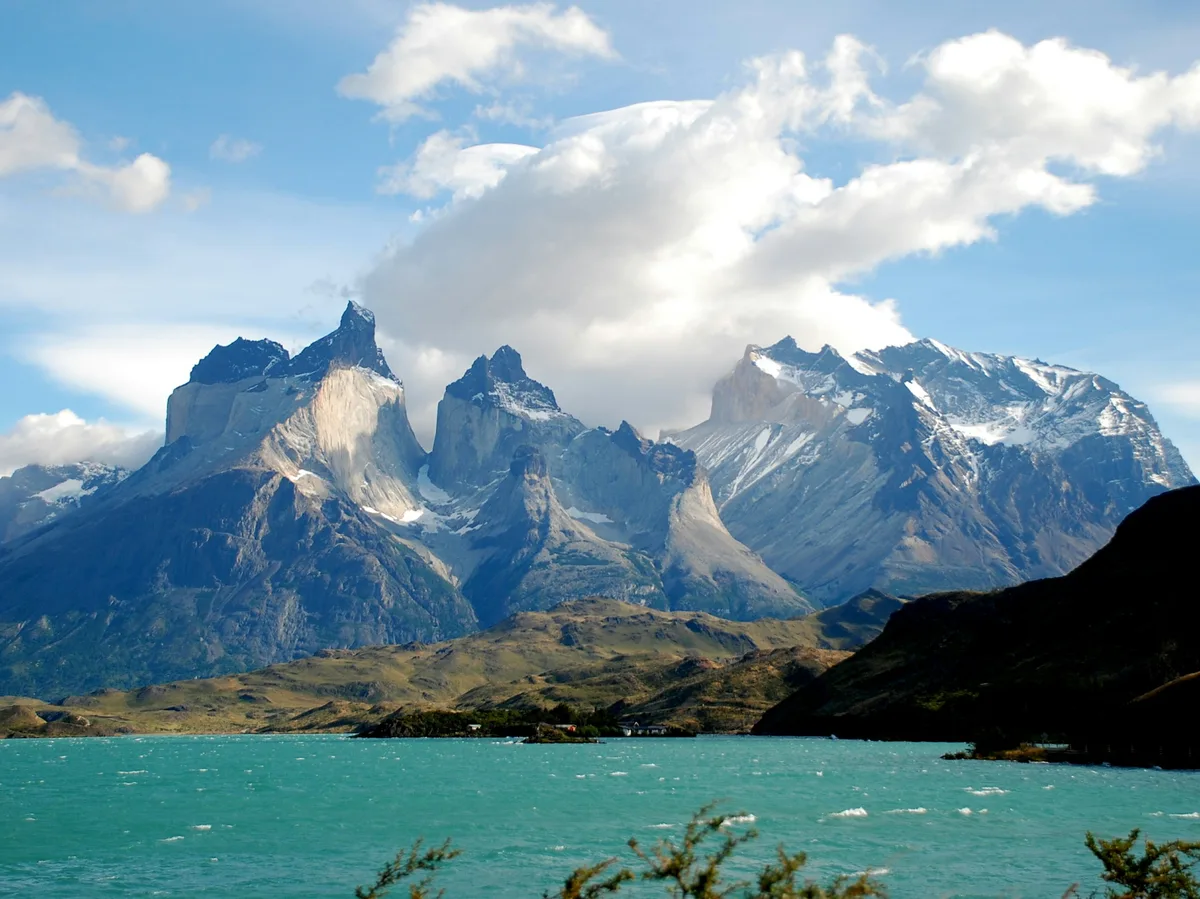
Chilean Patagonia's flagship national park, centered on the three granite Torres and the glacier-fed lakes and trails of the famous W-Circuit.
 Multi-Day Tours
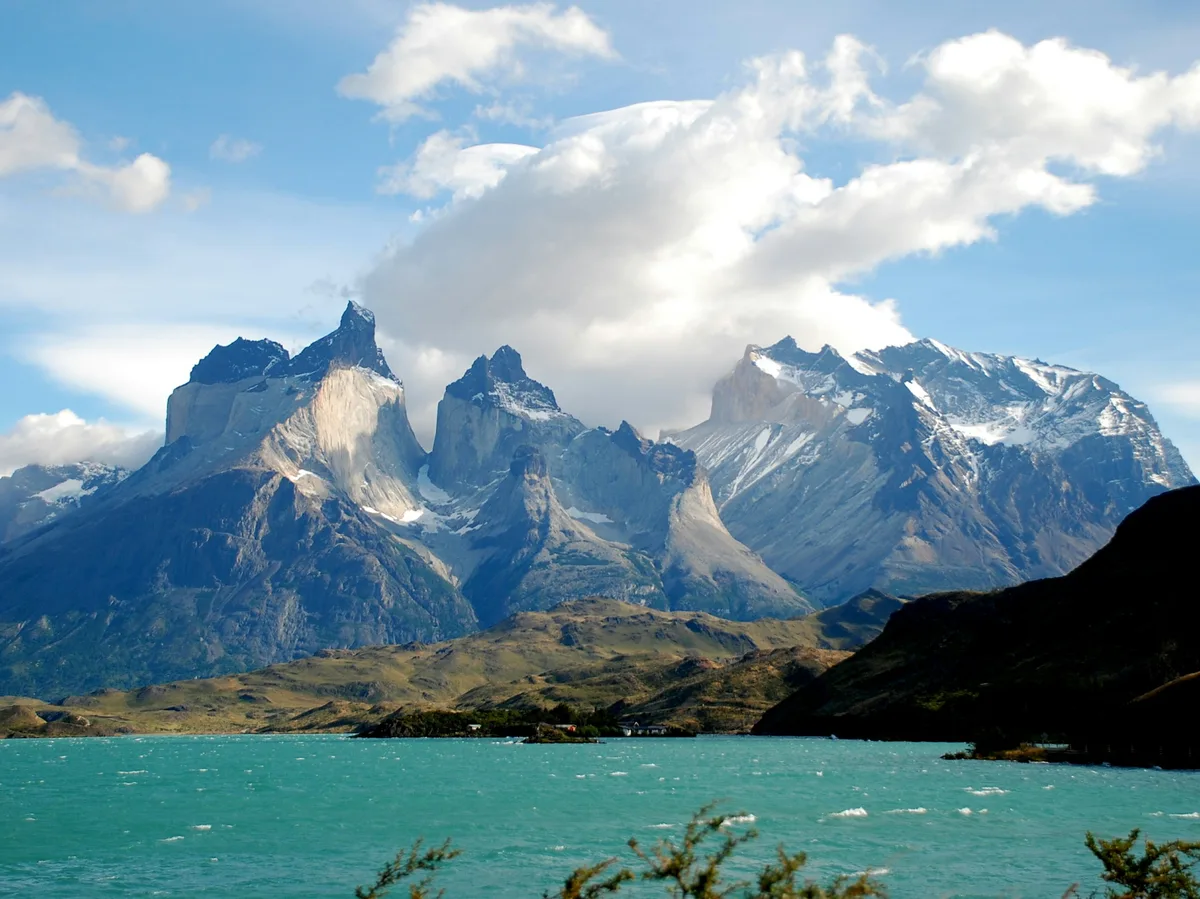
Two weeks through the best of Patagonia on both sides of the border — Buenos Aires and the Perito Moreno Glacier in Argentina, then Torres del Paine, Punta Arenas and Santiago in Chile.
 Multi-Day Tours
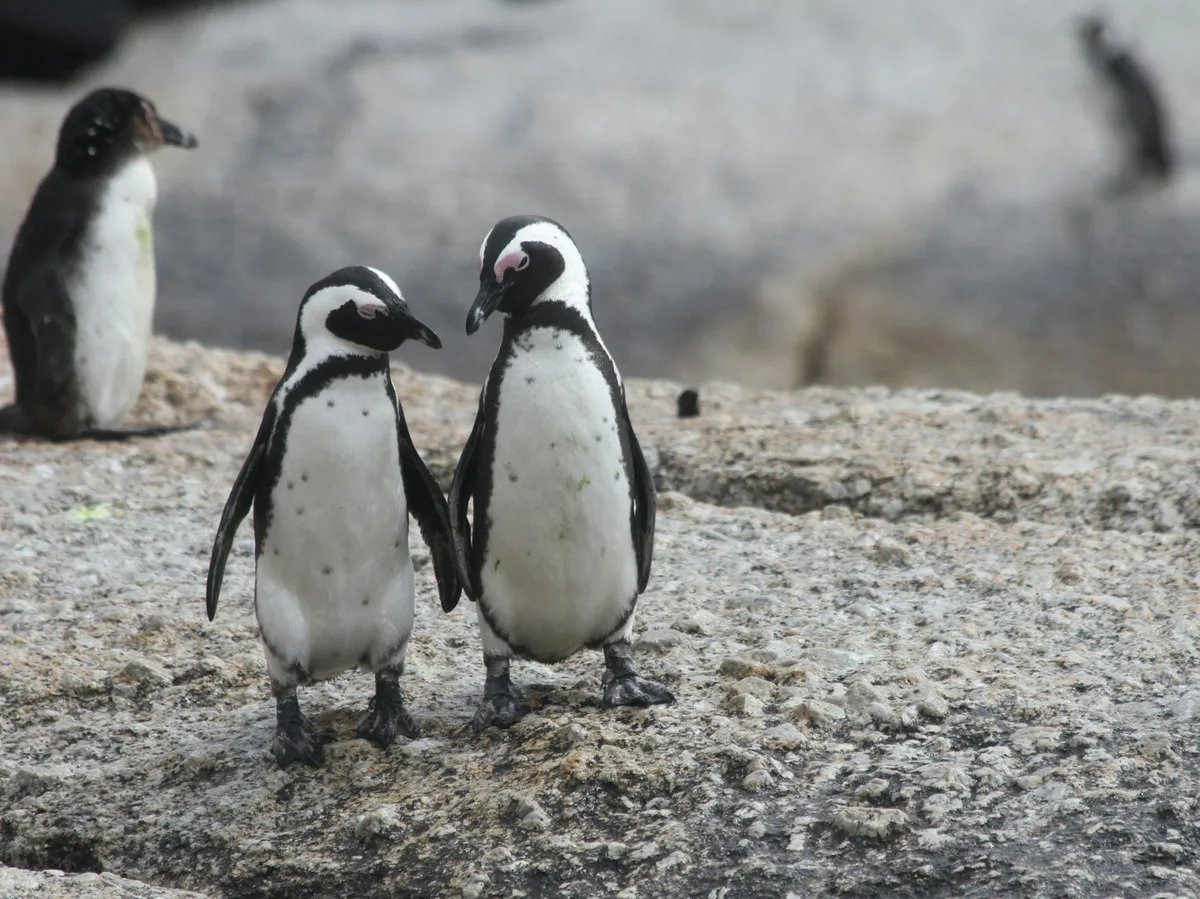
A family-paced two weeks combining the Atacama Desert's stargazing and buggy adventures with Patagonia's penguins, estancia life and a hike to the base of Torres del Paine.
 Multi-Day Tours
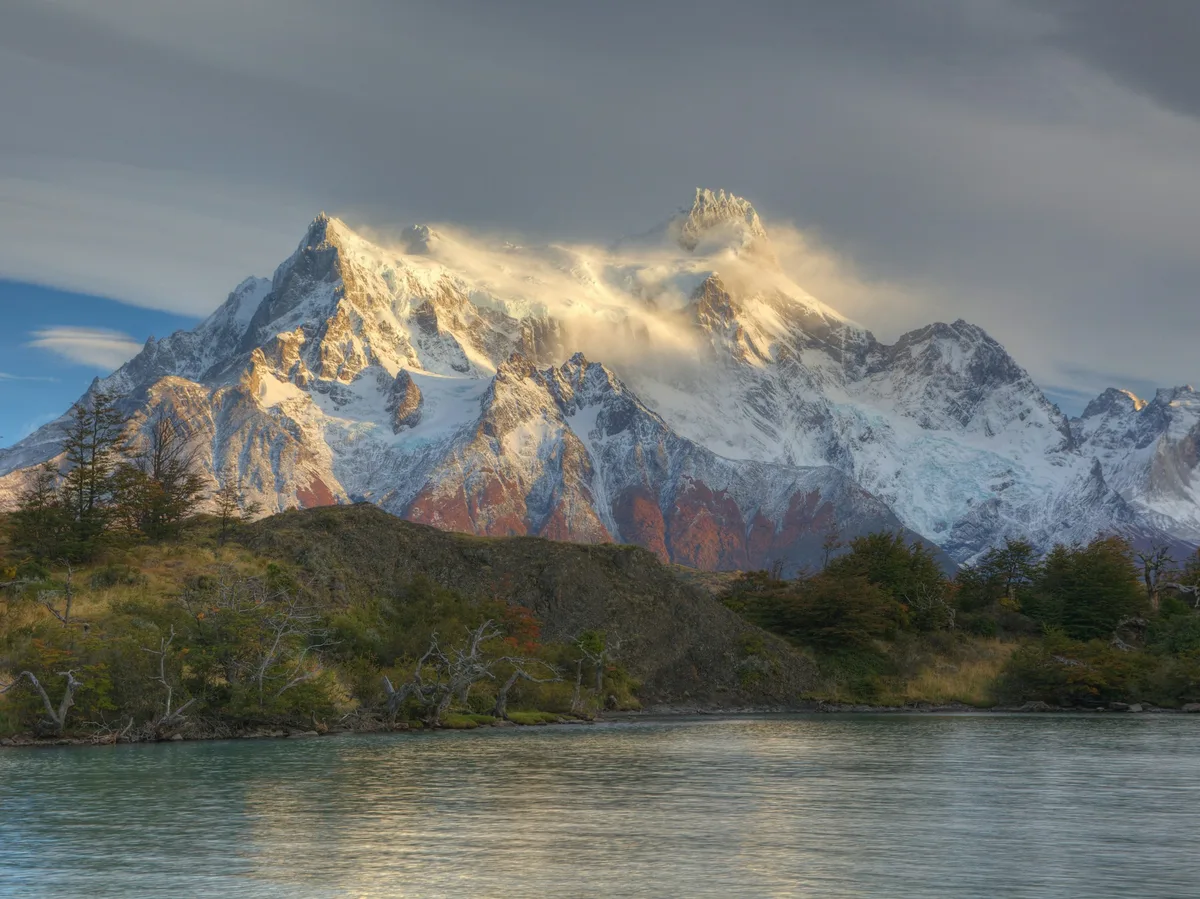
A self-guided trek of Torres del Paine's classic W-Circuit highlights — the Ascencio Valley, the French Valley and a Grey Glacier lookout — with transfers and lodging arranged, based from Puerto Natales.
Visitor guide
Torres del Paine National Park is a national park of mountains, glaciers, lakes and rivers in southern Chilean Patagonia. It is centred on the Cordillera del Paine, and Wikipedia places it 112 kilometres north of Puerto Natales and 312 kilometres north of Punta Arenas.
The park takes its name from the Torres del Paine, three distinctive granite peaks that Wikipedia lists, from south to north, as Torre d'Agostini, Torre Central and Torre Monzino. They rise about 2,500 metres above sea level and are joined by the dark Cuernos del Paine, the Horns of Paine. The word Paine means blue in the Tehuelche language.
Around the massif lie lakes including Grey, Pehoe, Nordenskjold and Sarmiento, together with rivers and glaciers that belong to the Southern Patagonia Ice Field. The glaciers named by Wikipedia include Grey, Pingo and Tyndall. The park lies in a transition zone between the Magellanic subpolar forests and the Patagonian steppe, and it borders Bernardo O'Higgins National Park to the west and Argentina's Los Glaciares National Park to the north.
Lady Florence Dixie described the area in a book published in 1880, and several European scientists and explorers followed. The park was established on 13 May 1959 as Parque Nacional de Turismo Lago Grey and took its present name in 1970. In 1977 Guido Monzino donated 12,000 hectares to the Chilean government, and UNESCO designated the park a World Biosphere Reserve in 1978.
In 1976 the British mountaineer John Garner and two park rangers pioneered the Circuit trail that loops around the Paine massif. Wikipedia reports that the park covers about 181,000 hectares and averages around 252,000 visitors a year, more than half of them foreign tourists.
Wikipedia describes the park as famous for strong winds, with the windiest months from November to January, which coincides with the peak tourist season. Temperatures are moderate, with a February average maximum around 11 degrees Celsius, and winter is cold. Conditions can change quickly, so layers and waterproofs matter in any season.
The park's fire history is also documented. Accidental fires in 1985, 2005 and 2011 burned sizeable areas around Lake Pehoe and Lake Sarmiento, and reforestation efforts followed, partly with international aid. Visitors are asked to follow park rules carefully because of this history.
The Southern Patagonian Ice Field covers the entire western side of the park and feeds four main glaciers, listed by Wikipedia from north to south as Dickson, Grey, Zapata and Tyndall. Grey is described as the largest, while Tyndall is noted as receding rapidly. Meltwater drains through a network of turbulent rivers, waterfalls and rapids towards the Ultima Esperanza Sound near Puerto Natales.
Rainfall peaks in March and April at around 80 millimetres a month, roughly double the July to October winter figure, so the drier months fall in the colder part of the year. The park lies in a temperate climate with no true dry season, which means a mix of sun, wind and rain is possible on any day.
The park offers everything from short viewpoint stops to long multi-day treks such as the Circuit. For travellers who prefer comfort over trekking, a private guided visit with a dedicated vehicle and driver can reach lakeside viewpoints and photograph stops, leaving the group to choose how much walking to do.
See every tour and attraction we cover in Chile.