TorontoOntario · 36 tours
 Niagara FallsOntario · 25 tours
 New York CityNew York · 30 tours
 Las VegasNevada · 8 tours
 San FranciscoCalifornia · 16 tours
 VancouverBritish Columbia · 17 tours
 DubaiUAE · 54 tours
 Abu DhabiUAE · 5 tours
 Buenos AiresArgentina · 23 tours
 AthensGreece · 31 tours
 AucklandNew Zealand · 38 tours
 CancunMexico · 54 tours
No destinations match “”. Try searching all tours instead — that search understands full questions, not just place names.
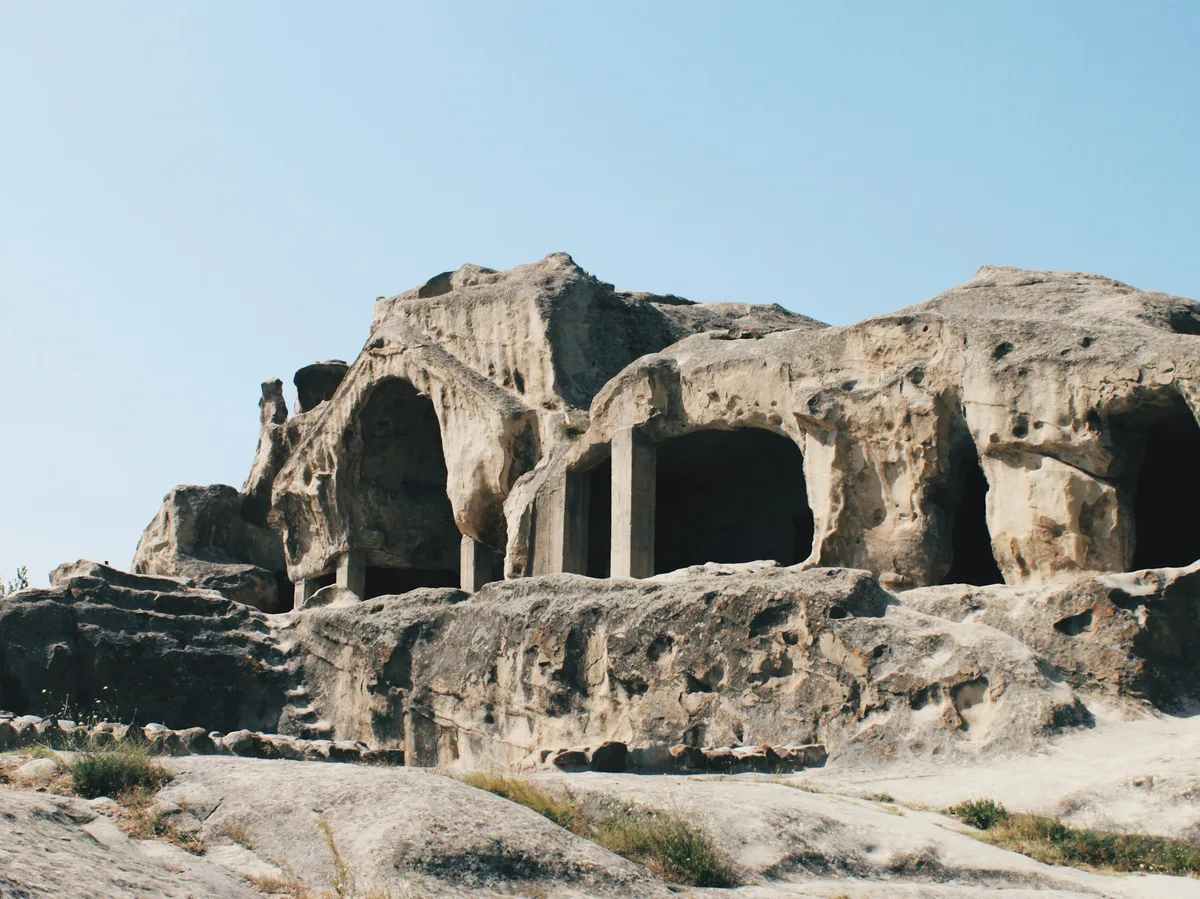
An ancient rock-hewn town on the outskirts of Gori, occupied from the early Iron Age through the late Middle Ages, with dwelling quarters, wine cellars, and a basilica church all carved directly into the sandstone cliff above the Mtkvari River.
 Multi-Day Tours
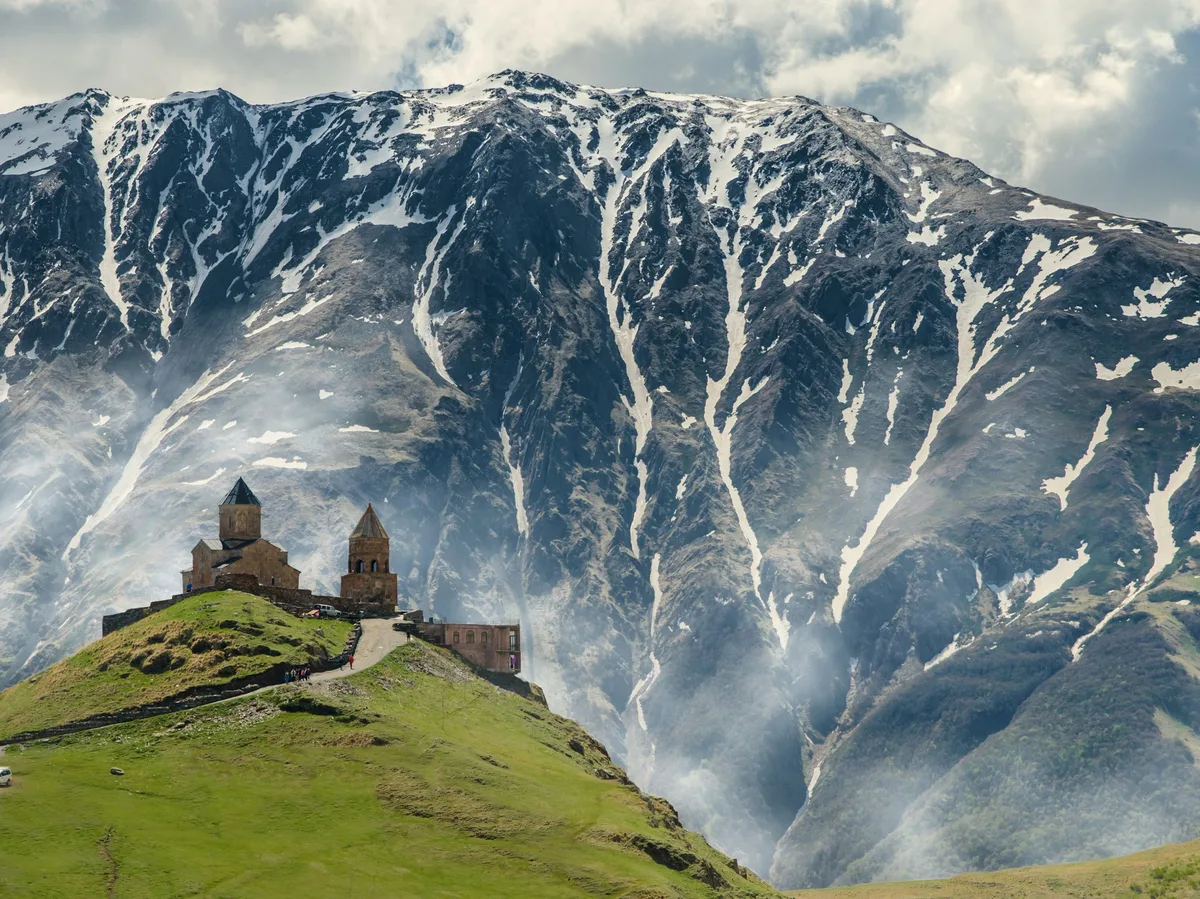
A 14-day private journey across the Transcaucasus — Baku's Old City and Gobustan's petroglyphs in Azerbaijan, Georgia's Kakheti wine country and Mount Kazbek, and Armenia's Yerevan, Garni, and Geghard — with confirmed hotels in every country along the way.
 Multi-Day Tours Popular Pick
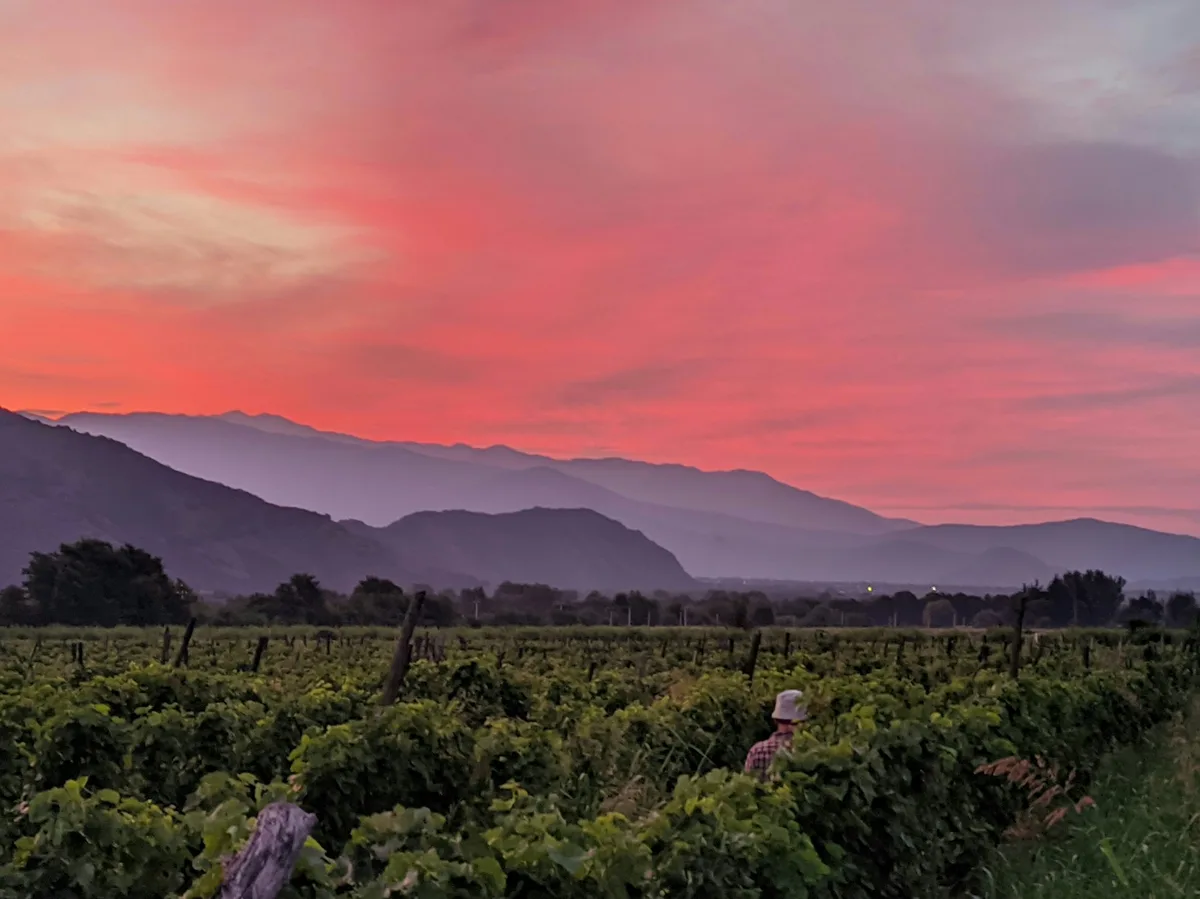
An 8-day tour through Georgia's UNESCO World Heritage sites and 8,000-year-old wine culture — Tbilisi's Old Town, the ancient capital Mtskheta, the rock-hewn town of Uplistsikhe, Mount Kazbek, and Kakheti's Qvevri wineries.
 Multi-Day Tours
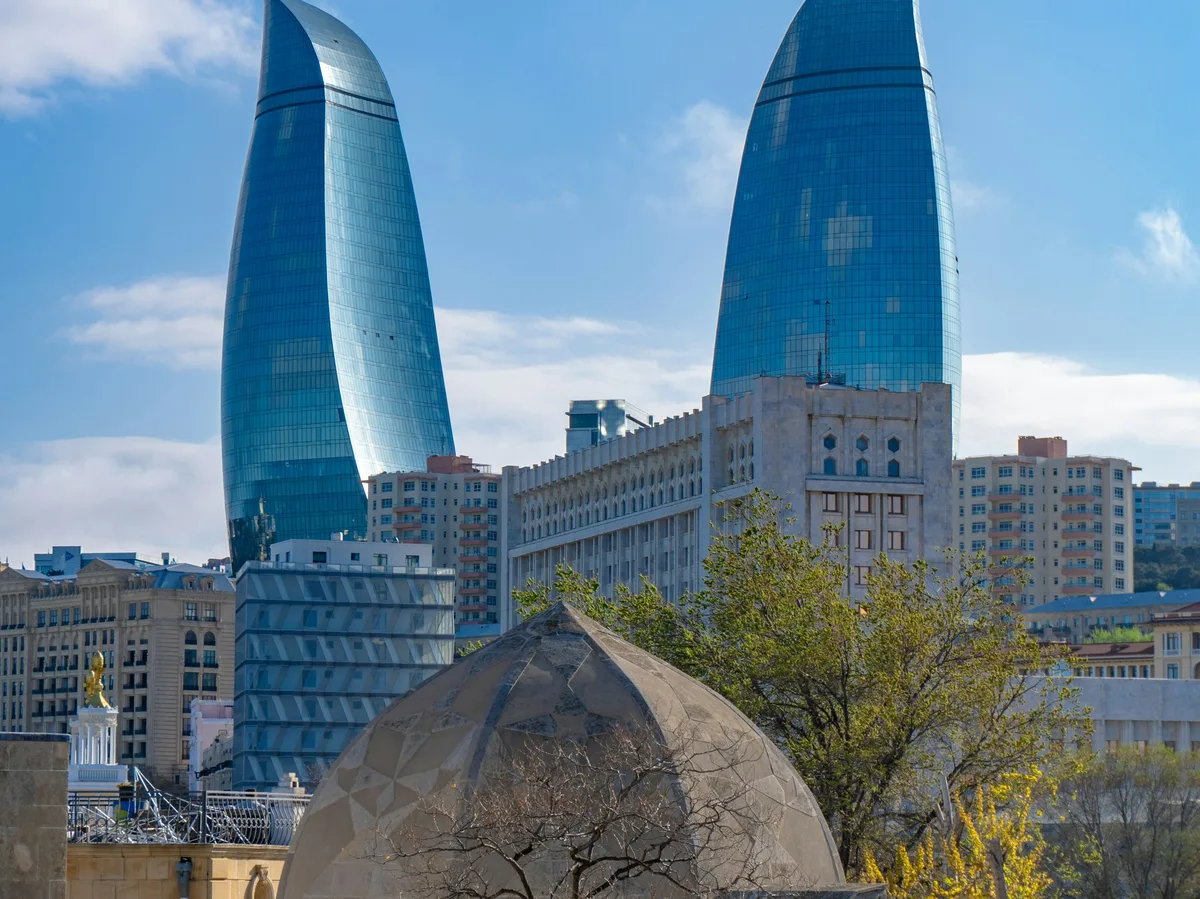
A 10-day tour of three Caucasus capitals — Baku's Old City and Flame Towers in Azerbaijan, Tbilisi's Old Town and Kakheti wine country in Georgia, and Yerevan, Lake Sevan, and Garni in Armenia — with confirmed hotels in every country along the way.
 Multi-Day Tours
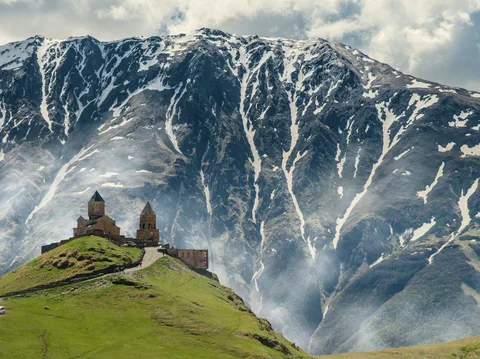
A 6-day introduction to Georgia's highlights — Tbilisi's Old Town, the Georgian Military Highway to Gergeti Trinity Church beneath Mount Kazbek, Stalin's Gori, Uplistsikhe cave town, and Kakheti wine country.
Visitor guide
Uplistsikhe is an ancient rock-hewn town in eastern Georgia, about 10 km east of Gori in the Shida Kartli region. Its name means the lord's fortress, and it stands on a high left bank of the Mtkvari River.
Wikipedia describes Uplistsikhe as one of the oldest urban settlements in Georgia. The earliest traces of human presence date to the end of the 2nd millennium BC, and the earliest remaining structures date to the start of the 1st millennium AD. Medieval Georgian tradition linked its founding to the mythical figure Uplos, which should be read as legend rather than documented history.
The town is said to have declined after the Christianisation of Kartli in the 4th century, regained importance during the Muslim conquest of Tbilisi in the 8th to 10th centuries, and was largely abandoned after the Mongol raids in the 14th century.
The complex is cut into sandstone and includes a pillared hall, a large ceremonial hall, and streets and chambers hewn into the rock. A 6th-century basilica is partly carved from the stone, and a 9th-10th century stone-and-brick basilica stands at the summit of the site. Wikipedia describes the combination of pagan and Christian architecture and rock-cut styles related to those of Anatolia and Iran.
Travel guides describe several named features. Tamar's Hall, a large hall with a rock-carved seat between two columns, was almost certainly a pre-Christian temple, and its name is misleading, since there is no conclusive evidence that Queen Tamar ever lived at Uplistsikhe. A cave above the river known as the Theatre is probably a temple of the 1st or 2nd century AD, where religious mystery plays may have been performed, and only a little of its seating survives. Because these identifications come from guidebooks rather than excavation reports, they are best read as probable rather than proven.
Guides also describe a Church of Uplistsuli, meaning Church of the Prince, near the top of the hill, built in the 10th century over what was probably an important pagan temple, with a bell tower added in the 18th century. Travel sources also say that after Christianity arrived, temples were repurposed as dwellings, workshops and storage, and that the town lost its city status and was deserted by the 19th century.
A 1920 earthquake destroyed parts of the most vulnerable areas. A conservation programme began in 2000, and the site has been on UNESCO's tentative World Heritage list since 2007. Guidebooks add that excavation began in the 1950s.
The site sits beside the Mtkvari River in Shida Kartli, close to the town of Gori. According to guidebooks, its position overlooking the river valley let its inhabitants control the transit of caravans. Walking across the uneven rock surfaces gives a sense of how the town was organised, with a large central hall among a maze of smaller spaces.
Uplistsikhe combines well with Gori and Mtskheta on a private day from Tbilisi, since a driver can cover the road between them and the guide can place the site within the story of the early Kartli kingdom.
See every tour and attraction we cover in Georgia.