TorontoOntario · 36 tours
 Niagara FallsOntario · 25 tours
 New York CityNew York · 30 tours
 Las VegasNevada · 8 tours
 San FranciscoCalifornia · 16 tours
 VancouverBritish Columbia · 17 tours
 DubaiUAE · 54 tours
 Abu DhabiUAE · 5 tours
 Buenos AiresArgentina · 23 tours
 AthensGreece · 31 tours
 AucklandNew Zealand · 38 tours
 CancunMexico · 54 tours
No destinations match “”. Try searching all tours instead — that search understands full questions, not just place names.
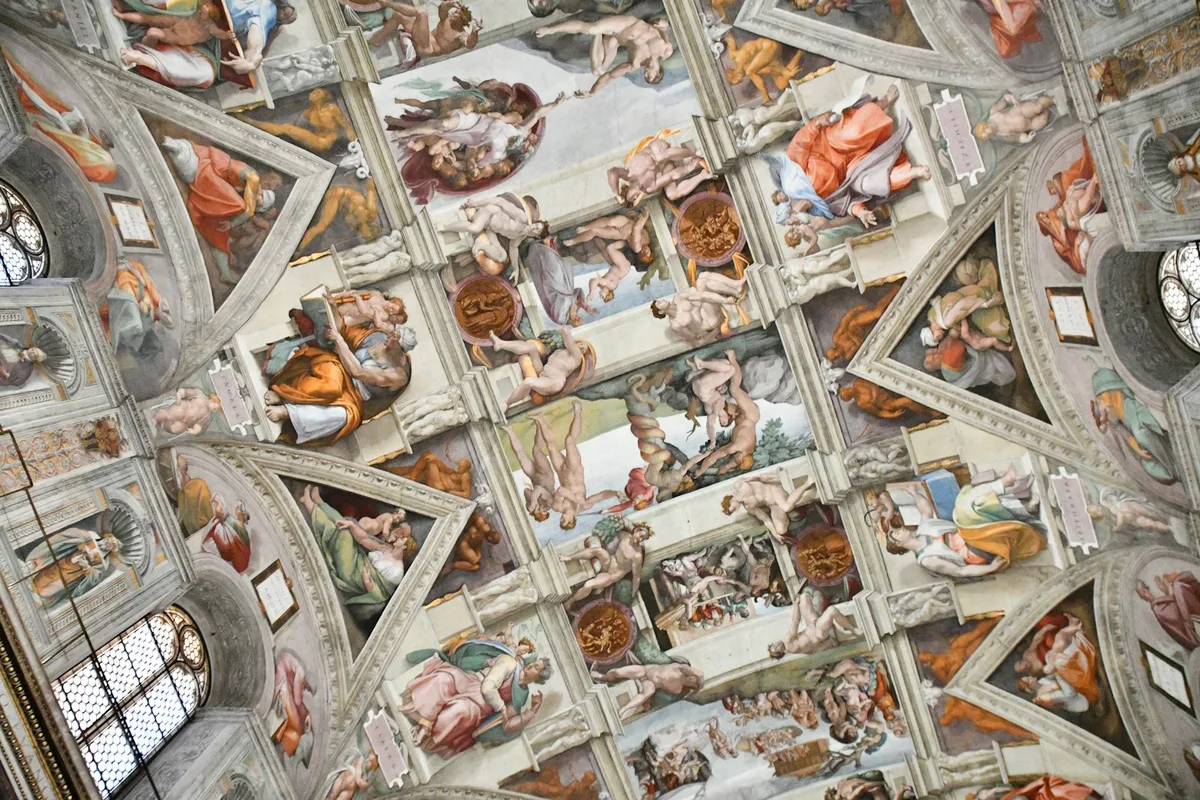
A vast museum complex inside Vatican City housing centuries of papal art collections, ending in the Sistine Chapel beneath Michelangelo's ceiling frescoes.
 Multi-Day Tours
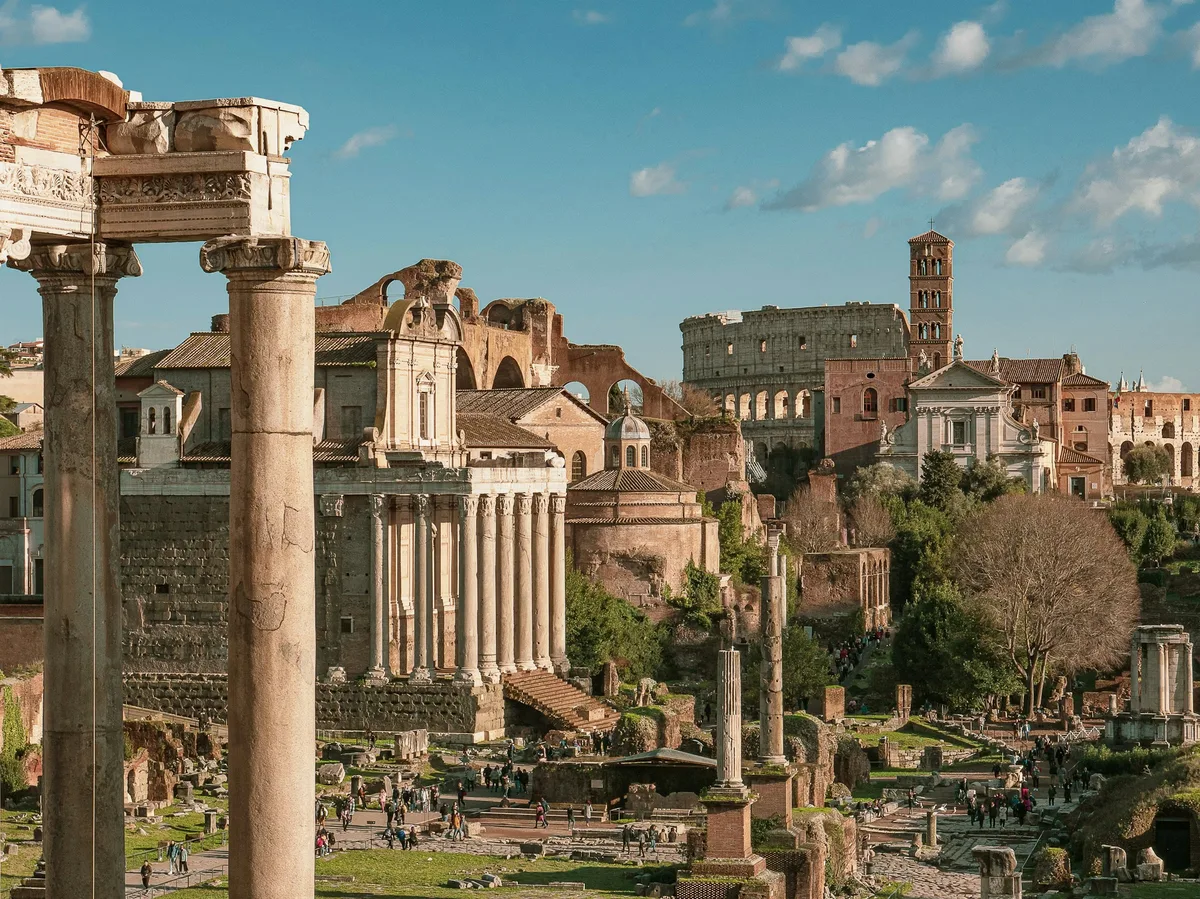
A 10-day journey through Italy's three most iconic cities — Vatican City and ancient Rome, Renaissance art and cuisine in Florence, and canal life and island-hopping in Venice.
 Multi-Day Tours
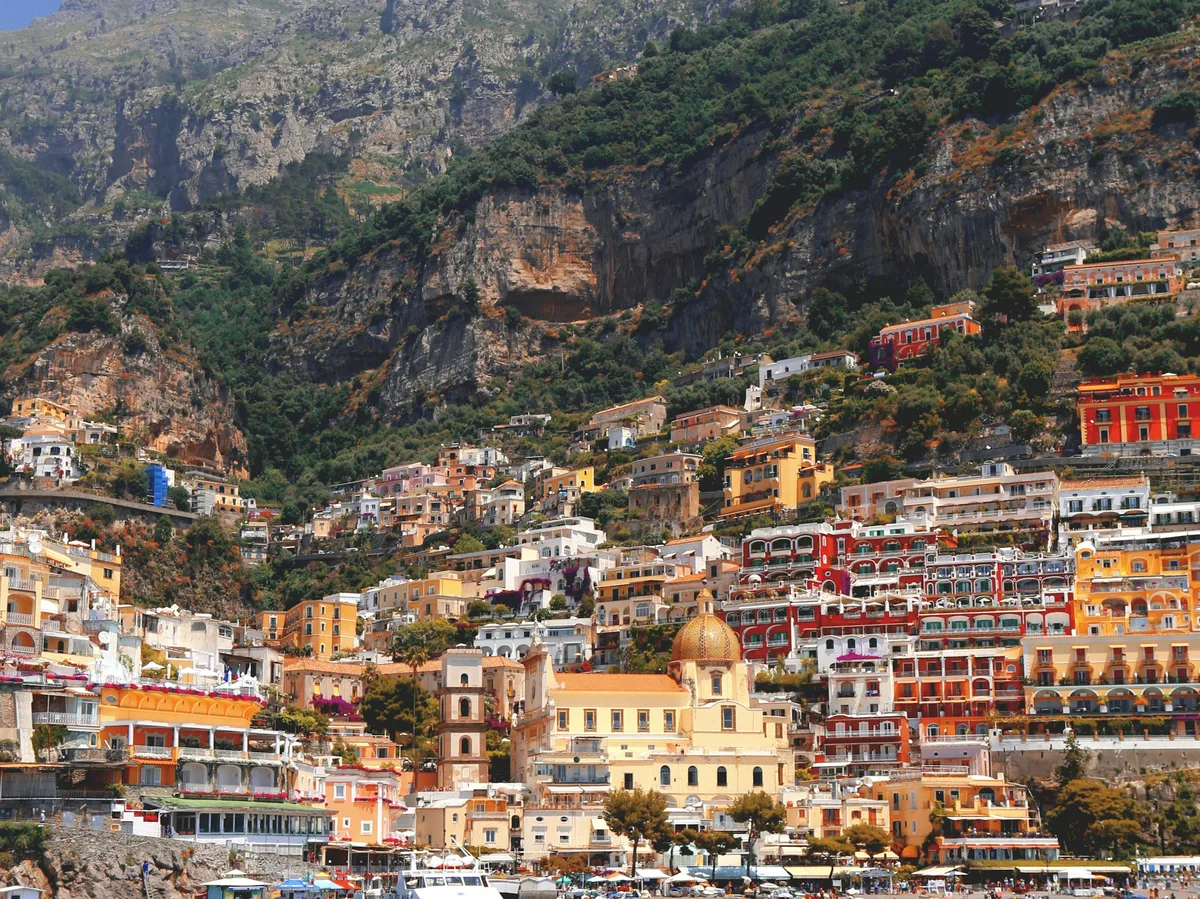
A 15-day grand tour from Venice's canals through Florence, the Chianti wine trail and Sorrento to the Amalfi Coast and Capri, finishing with Pompeii and Rome.
Visitor guide
The Vatican Museums are the public museums of Vatican City, displaying works from the vast collection built up by the Catholic Church and the papacy over the centuries. The visitor route ends in the Sistine Chapel, whose ceiling and altar wall were painted by Michelangelo. Wikipedia describes the museums as containing several of the best-known Roman sculptures and some of the most important masterpieces of Renaissance art.
The museums trace their origin to a single marble sculpture, Laocoon and His Sons, discovered on 14 January 1506 in a vineyard near the basilica of Santa Maria Maggiore in Rome. Pope Julius II sent Giuliano da Sangallo and Michelangelo to examine it, bought it on their recommendation, and put it on public display about a month later. The founding of the museums is credited to Julius II in the early 16th century.
The collection grew through the work of later popes. Clement XIV founded the Museo Pio-Clementino in 1771 and Pius VI completed it, and the Museo Chiaramonti was added by Pius VII in the early 19th century. Gregory XVI founded the Etruscan museum in 1837, and a collection of modern religious art was added in 1973. According to Wikipedia, the museums hold roughly 70,000 works, of which about 20,000 are on display, arranged through around 24 galleries.
The sculpture museums surround the Cortile del Belvedere. The Octagonal Court has displayed the Apollo Belvedere and Laocoon since the early 1500s, and the Sala delle Muse holds the Belvedere Torso, which Michelangelo and other Renaissance artists revered. The Sala Rotonda is shaped like a miniature Pantheon. The Pinacoteca Vaticana, opened in its own building in 1932, includes works by Giotto, Leonardo da Vinci, Raphael, Titian and Caravaggio.
The Stanze di Raffaello, the rooms decorated by Raphael, also lie on the visitor route and are counted with the Sistine Chapel among the most canonical works of Western art.
The Sistine Chapel is a chapel in the Apostolic Palace, named after Pope Sixtus IV, who had the older Cappella Magna rebuilt and restored in the 1470s, with the wall decoration following in 1481 and 1482. It was consecrated with a first mass on 15 August 1483. A team of Renaissance painters including Botticelli, Perugino, Pinturicchio, Ghirlandaio and Cosimo Rosselli decorated its walls with scenes from the Life of Moses and the Life of Christ.
Between 1508 and 1512, under Pope Julius II, Michelangelo painted the ceiling, which Wikipedia calls a project that changed the course of Western art. He was reportedly commissioned only to paint twelve apostles but was given freedom to choose scenes, and the finished ceiling includes nine stories from the Book of Genesis and more than three hundred figures. Contrary to popular belief, he painted standing rather than lying down. Michelangelo returned between 1536 and 1541 to paint The Last Judgment on the altar wall.
The chapel is also the site of the papal conclave, in which cardinals elect a new pope, and smoke from a temporary chimney signals the result. It measures about 35 metres long and 14 metres wide, and has no exterior facade because entry has always been from rooms inside the Apostolic Palace.
Wikipedia reports that the Vatican Museums were visited by 6.8 million people in 2024, ranking second among art museums worldwide after the Louvre. The Sistine Chapel is the last room on the standard route. Because the complex is large, a private guided visit with a driver can help you choose which galleries to prioritise and understand what you are seeing.
See every tour and attraction we cover in Italy.