TorontoOntario · 36 tours
 Niagara FallsOntario · 25 tours
 New York CityNew York · 30 tours
 Las VegasNevada · 8 tours
 San FranciscoCalifornia · 16 tours
 VancouverBritish Columbia · 17 tours
 DubaiUAE · 54 tours
 Abu DhabiUAE · 5 tours
 Buenos AiresArgentina · 23 tours
 AthensGreece · 31 tours
 AucklandNew Zealand · 38 tours
 CancunMexico · 54 tours
No destinations match “”. Try searching all tours instead — that search understands full questions, not just place names.
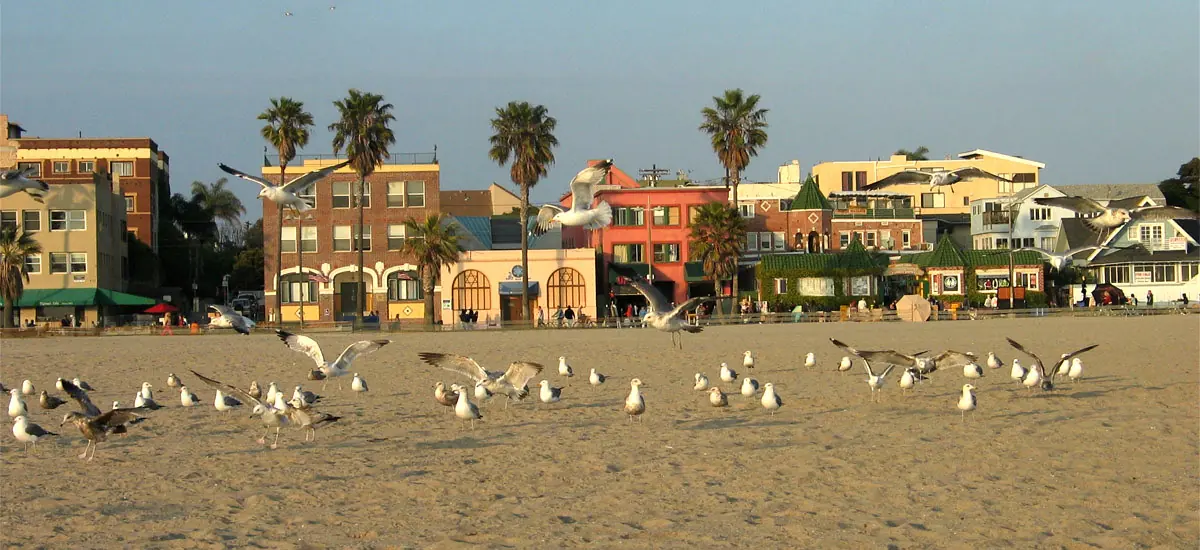
A famously eclectic beachfront strip of street performers, murals, and Muscle Beach.
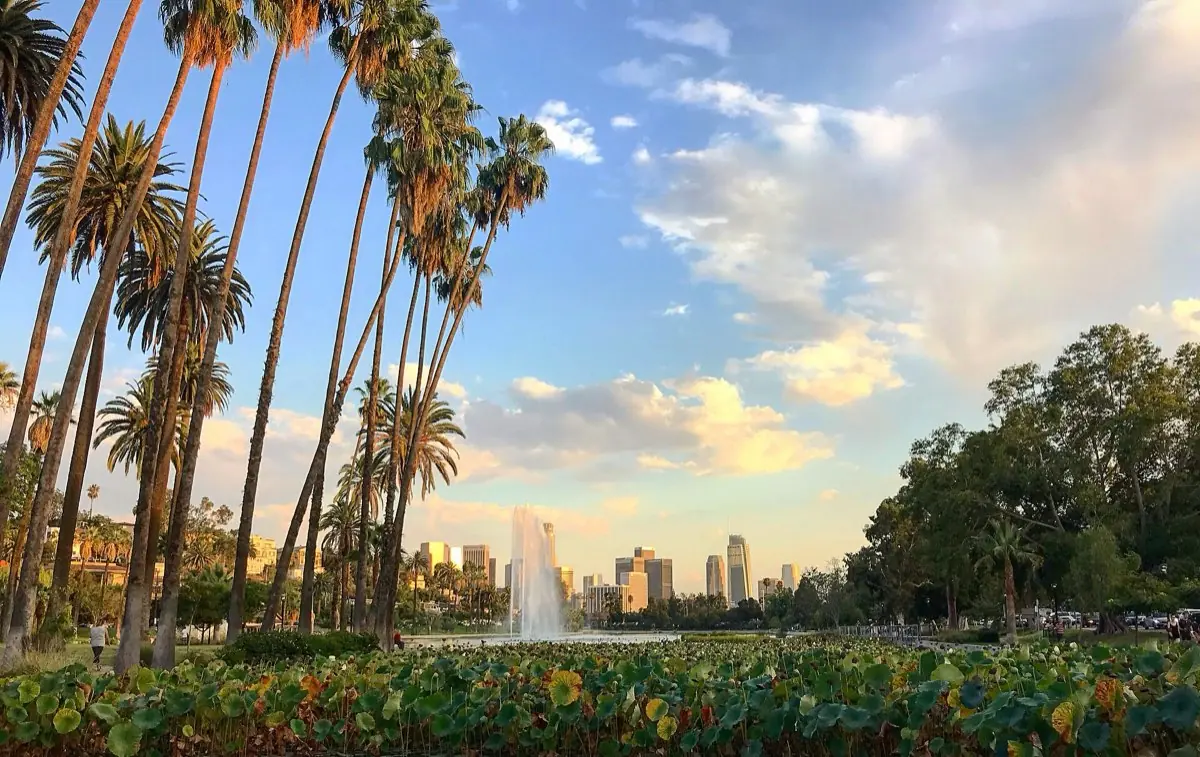 Private Tours Popular Pick
A private, fully customizable tour of Los Angeles — Hollywood, Beverly Hills, Santa Monica, and the neighborhoods in between — in your own vehicle with a dedicated local guide.
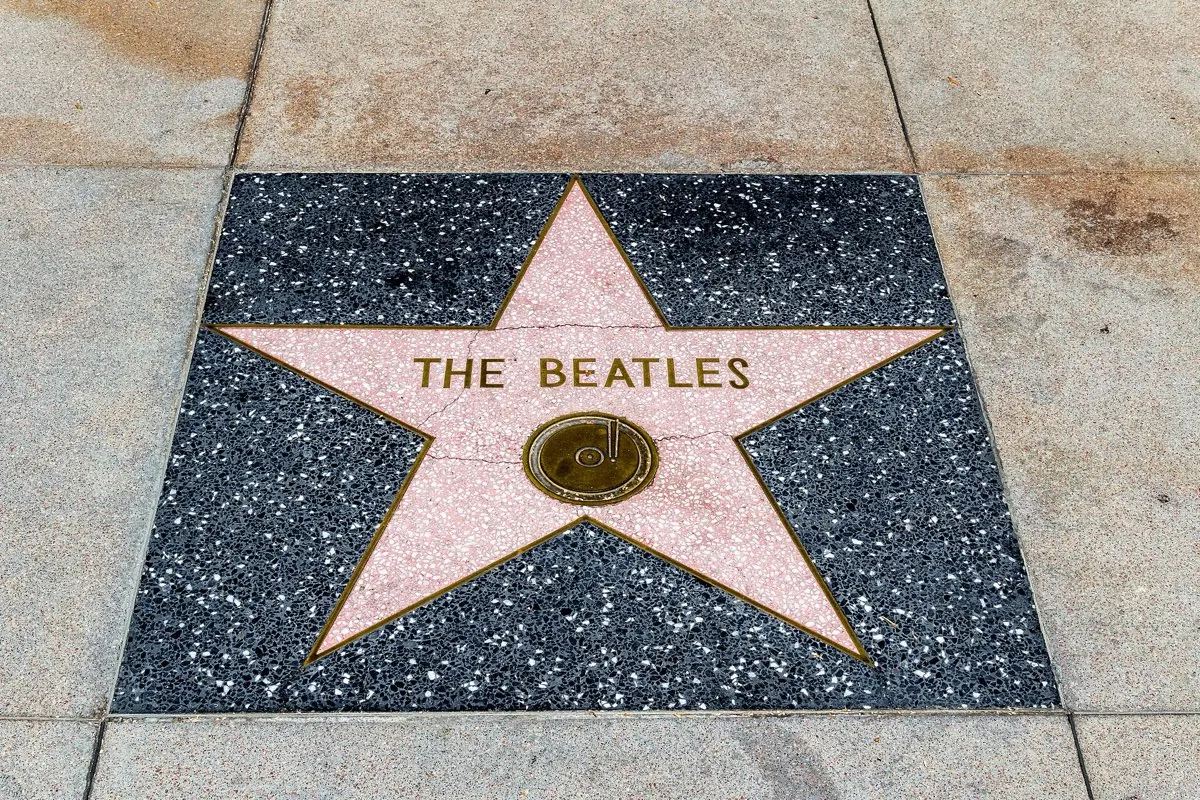 Private Tours
A private tour hitting Los Angeles' must-see stops — Hollywood, Beverly Hills, and a beach finish — built for visitors short on time.
Visitor guide
Venice Beach Boardwalk, officially Ocean Front Walk, is a pedestrian promenade of about 2.5 miles running beside the beach in the Venice neighborhood of Los Angeles. It is known for street performers, vendors, an outdoor gym and a skate park, set against a neighborhood founded as a copy of Italy's Venice.
Developer Abbot Kinney founded Venice in 1905 as a seaside resort modeled on the Italian city, digging canals, building a pier and creating an arcaded business street. Venice was an independent city until Los Angeles annexed it in 1925, according to the City of Los Angeles Recreation and Parks timeline (some sources give 1926). Many canals were filled in 1929 to make room for roads. The surviving canals, in a residential area inland from the beach, were drained and rebuilt in 1992 with new sidewalks and walls, reopening in 1993, and the Venice Canal Historic District was added to the National Register of Historic Places on August 30, 1982.
Muscle Beach began in 1934 south of the Santa Monica Pier, where Works Progress Administration crews installed exercise equipment for gymnastics and acrobatics; the platform later drew weightlifters including Vic Tanny, Jack LaLanne and Joe Gold. The City of Los Angeles dedicated Muscle Beach Venice in 1987, and today it is the outdoor weightlifting area at the south end of the Venice Beach Recreation Center, with a gated lifting area and a sand area with gymnastic bars. Check the city for current access and fees.
The city opened a skate park on the sand toward the north end of the recreation area in 2009 (reported as October 2009), at a reported cost of roughly $2.4 to $3.4 million depending on the source. The recreation center also includes a skate dancing plaza. The Venice Art Walls, built in 1961 as part of the Venice Pavilion, surround a central area called the pit, which became a major center of Los Angeles graffiti in the 1970s and 1980s. The pavilion itself was later demolished, but the walls were restored in 2000, and artists can paint there legally. Expect murals that change often.
The boardwalk is lined with vendors selling art, jewelry and souvenirs, with performers, food stands and murals along the way. Venice is also tied to the tech industry, which gave rise to the nickname Silicon Beach for the wider west-side area. Walk a few blocks inland to the canals for a quieter contrast.
Santa Monica Pier is a few miles north along the coast and Abbot Kinney Boulevard, named for the founder, runs inland with shops and restaurants.
See every tour and attraction we cover in Los Angeles.