TorontoOntario · 36 tours
 Niagara FallsOntario · 25 tours
 New York CityNew York · 30 tours
 Las VegasNevada · 8 tours
 San FranciscoCalifornia · 16 tours
 VancouverBritish Columbia · 17 tours
 DubaiUAE · 54 tours
 Abu DhabiUAE · 5 tours
 Buenos AiresArgentina · 23 tours
 AthensGreece · 31 tours
 AucklandNew Zealand · 38 tours
 CancunMexico · 54 tours
No destinations match “”. Try searching all tours instead — that search understands full questions, not just place names.
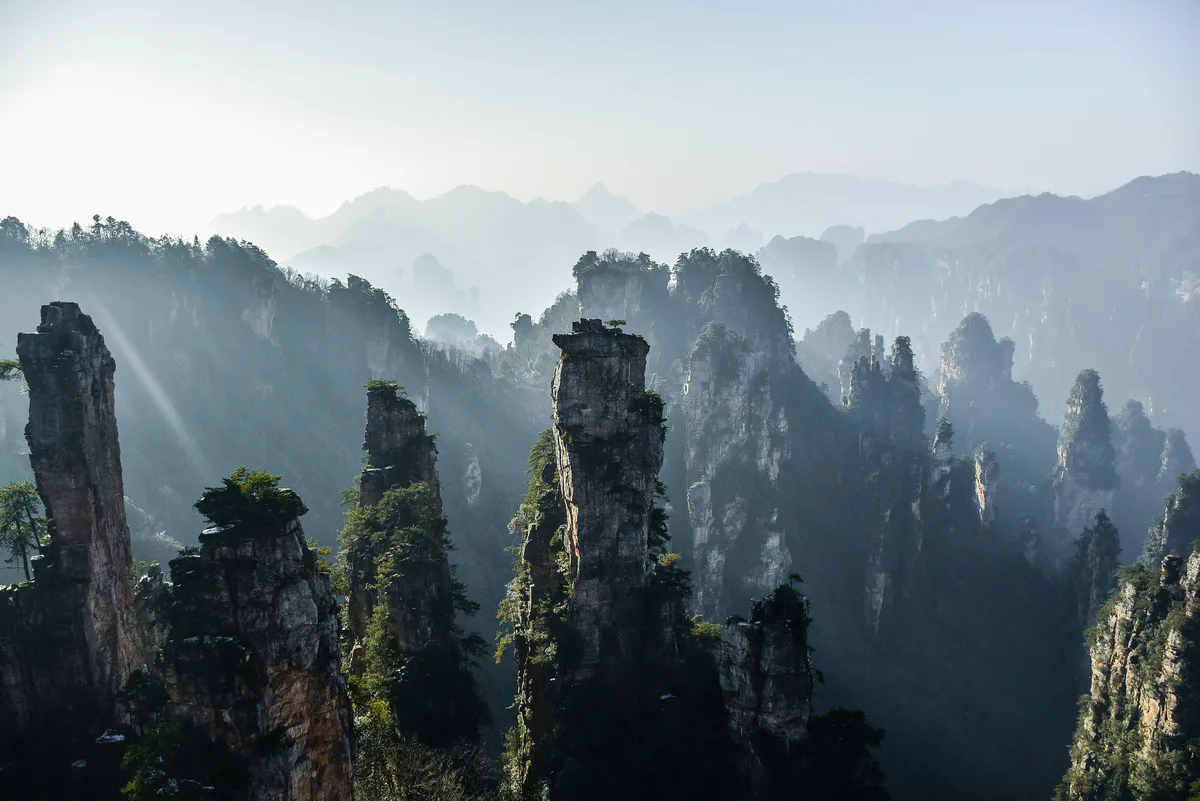
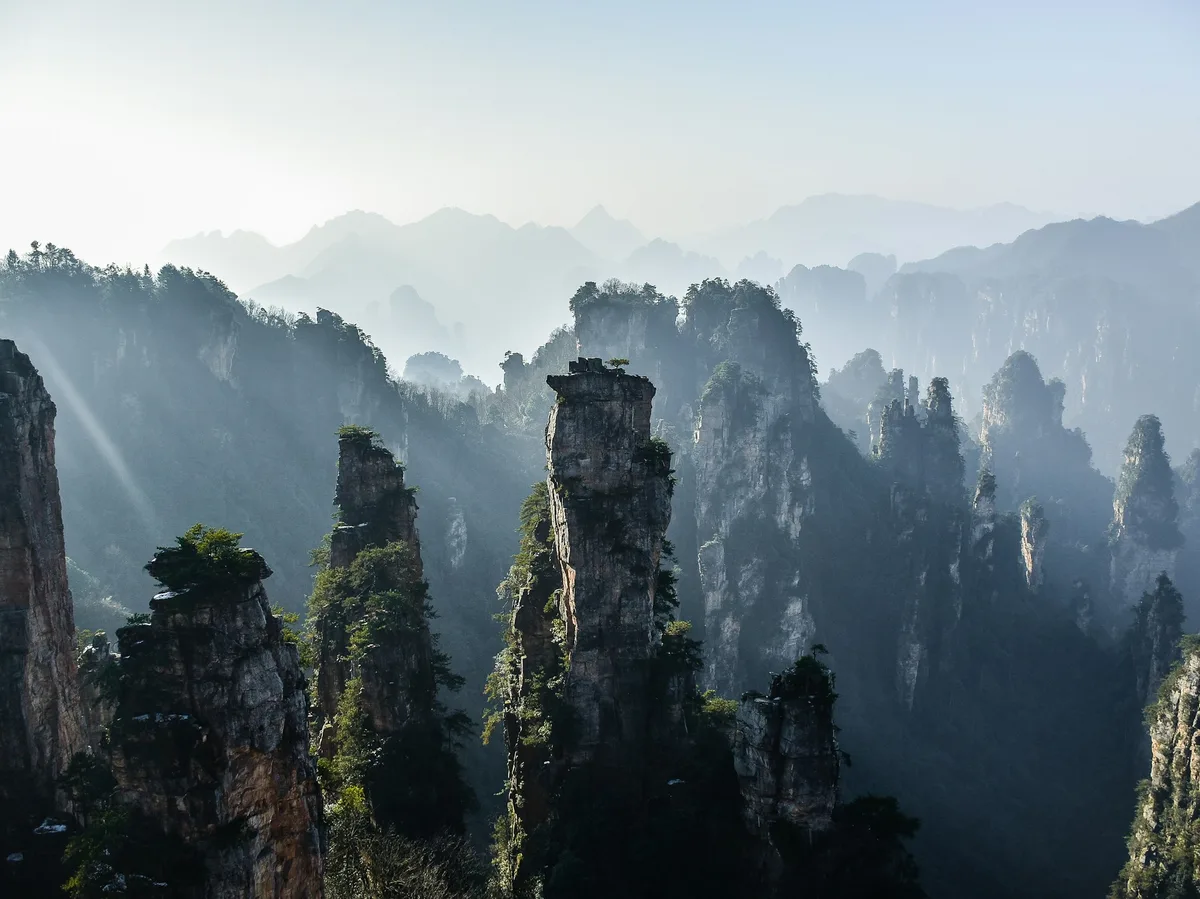
Thousands of narrow sandstone pillars rising out of forested ravines in Hunan province, part of the landscape that inspired the floating mountains in the film Avatar.
 Multi-Day Tours
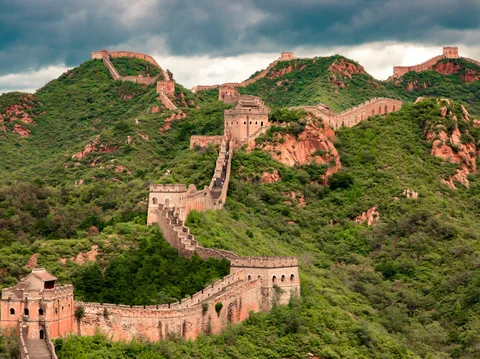
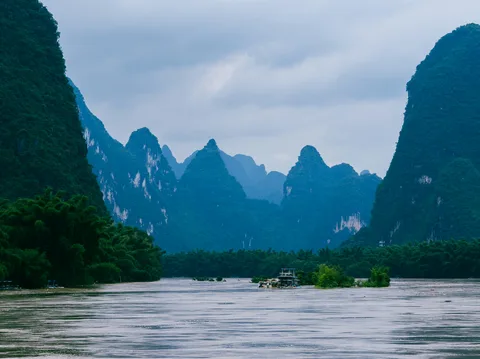
16 days through five iconic Chinese cities — Beijing, Xi'an, Zhangjiajie, Guilin and Shanghai — pairing the Great Wall and Terracotta Army with Zhangjiajie's sandstone peaks and a Li River cruise.
 Multi-Day Tours
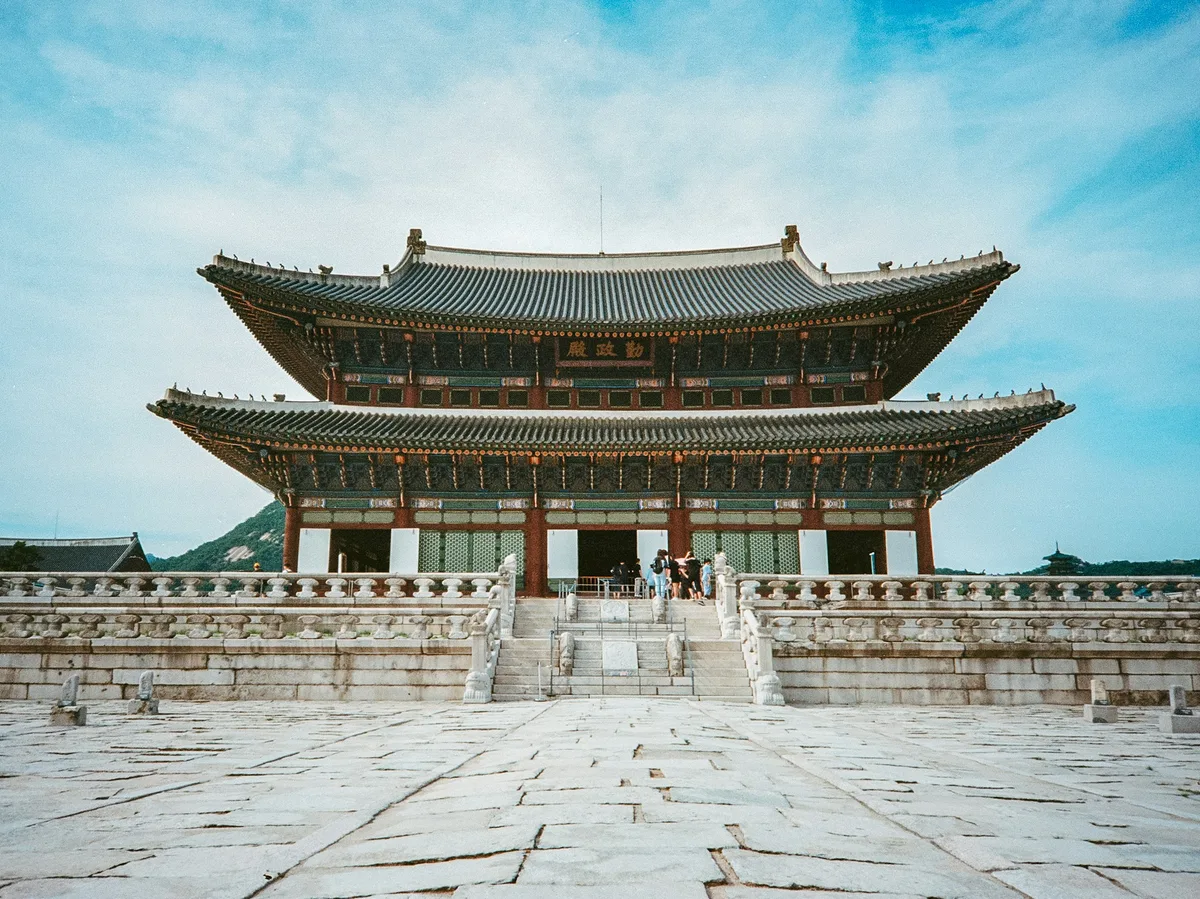
A 13-day journey pairing Seoul's palaces and the DMZ with China's showcase cities — Shanghai, Zhangjiajie, Xi'an and Beijing.
 Multi-Day Tours
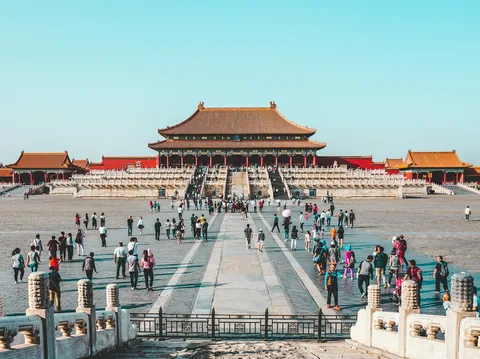
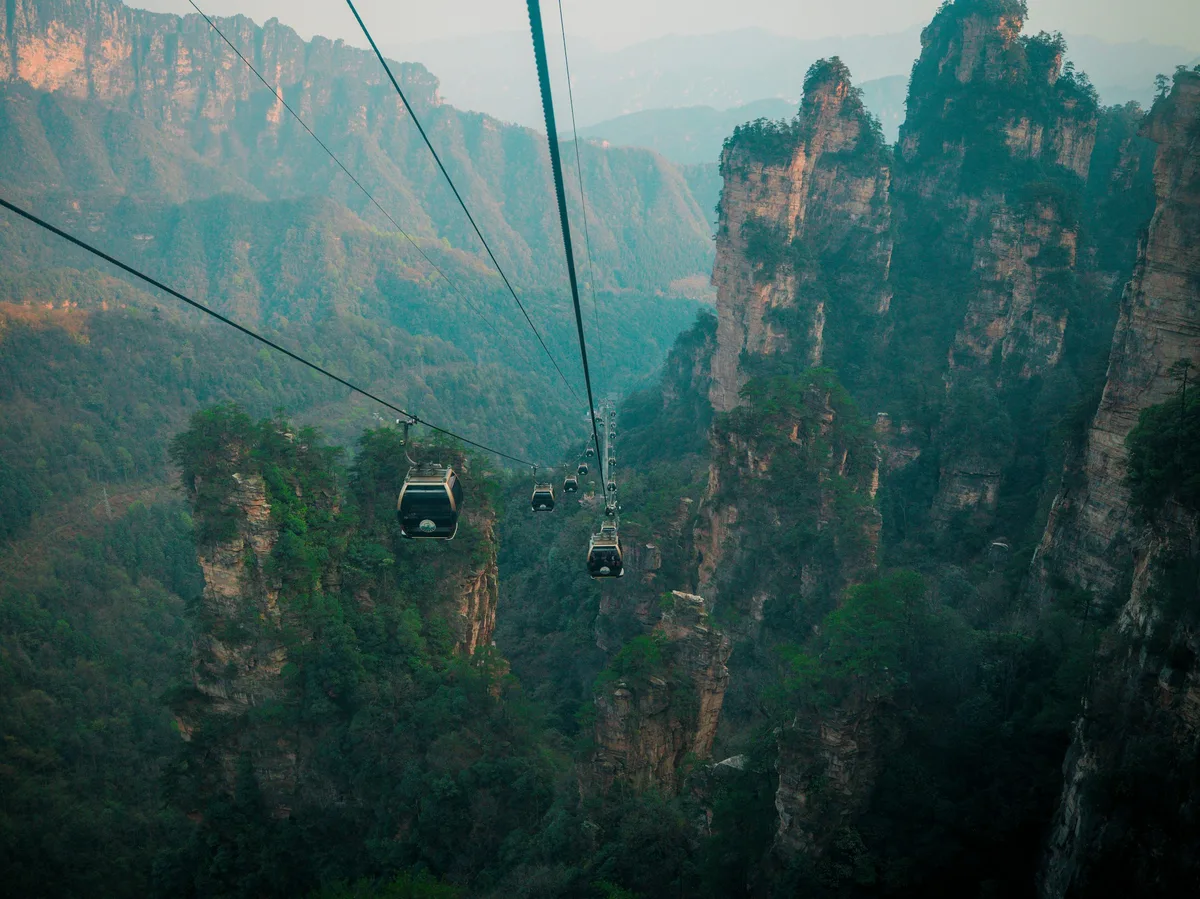
Shanghai and Beijing's imperial landmarks paired with Zhangjiajie's otherworldly sandstone pillars and a Li River cruise into Guilin.
Visitor guide
Zhangjiajie National Forest Park is a protected area in Zhangjiajie, Hunan Province, China, famed for thousands of narrow rock pillars rising from forested ravines. Recognised in 1982 as China's first national forest park, it lies within the larger Wulingyuan Scenic Area, a UNESCO World Heritage Site since 1992.
The national forest park covers 4,810 hectares, while the wider Wulingyuan Scenic Area covers 397.5 square kilometres. In 2001 the Ministry of Land and Resources approved the Zhangjiajie Sandstone Peak Forest National Geopark, covering 3,600 square kilometres, and in 2004 it was listed as a UNESCO global geopark. The park is one of several within the Wulingyuan area.
The pillar-like rock formations resemble karst terrain but are not formed from limestone. According to Wikipedia they are quartz-sandstone and result from physical rather than chemical erosion. Expanding ice in winter and plant growth on the rock drive much of the weathering, and streams carry the weathered material away. The climate is moist year-round, so vegetation is very dense and mist often drifts among the peaks. The formations appear in many ancient Chinese paintings.
Wikipedia describes the wider Wulingyuan site as holding more than 3,000 sandstone pillars and peaks, many of them over 200 metres tall, separated by ravines, gorges, streams, pools and waterfalls. The pillars formed in the Devonian period, roughly 400 to 350 million years ago, and were then shaped by tectonic uplift and water erosion. The site also contains about 40 caves, many with large calcite deposits, and the Tianqiaoshengkong natural bridge, whose name means bridge across the sky and which is described as one of the highest natural bridges in the world.
The scenic area comprises four parts: Zhangjiajie National Forest Park, Suoxi Valley Nature Reserve, Tianzi Mountain Nature Reserve and the Yangjiajie Scenic Area. It lies in Zhangjiajie City, about 270 kilometres northwest of Changsha, and is home to vulnerable species including the dhole, the Asiatic black bear and the Chinese water deer. Huangshizhai, which reaches about 1,050 metres, can be reached by cable car or on foot.
One quartz-sandstone pillar, the 1,080-metre Southern Sky Column, was renamed Avatar Hallelujah Mountain in January 2010 in honour of the film Avatar. The filmmakers have said that their floating mountains drew on Guilin, Huangshan and Zhangjiajie, so the park is one of several inspirations rather than the single source.
Several structures help visitors move around the steep terrain. The Bailong Elevator, which opened in 2002, is listed as the world's tallest outdoor lift at 326 metres. It uses three glass elevators, each carrying up to 50 people, and reaches the top in under two minutes. Three gondola systems operate in the park, including the Tianzi Mountain Cable Car, the Yangjiajie cable car and the Huangshizhai cable car, and a monorail runs up the Ten-Mile Gallery. A separate glass bridge in the wider area opened in August 2016 and was listed as the longest and highest pedestrian glass bridge in the world.
Wikipedia notes that in 2025 online footage showed karst caves in the area filled with rubbish, which led to a widespread cleanup. The report is a reminder that the park's popularity places pressure on its environment.
Weather changes the character of the park, from mist and cloud that conceal the pillars to clear days that reveal them. A private guided day allows the route and pace to be adjusted to the weather and the group.
See every tour and attraction we cover in China.