
 TorontoOntario · 36 tours
 Niagara FallsOntario · 25 tours
 New York CityNew York · 30 tours
 Las VegasNevada · 8 tours
 San FranciscoCalifornia · 16 tours
 VancouverBritish Columbia · 17 tours
 DubaiUAE · 54 tours
 Abu DhabiUAE · 5 tours
 Buenos AiresArgentina · 23 tours
 AthensGreece · 31 tours
 AucklandNew Zealand · 38 tours
 CancunMexico · 54 tours
No destinations match “”. Try searching all tours instead — that search understands full questions, not just place names.
A private walk through Boston's Jewish history and landmarks.
A private walking tour through Boston's Jewish heritage — the Vilna Shul, the Massachusetts State House area, Granary Burying Ground, and the New England Holocaust Memorial.
This is a walking tour with a private guide, not a vehicle tour — it starts at a fixed downtown meeting point.
A popular starting point — every Voyzo itinerary is fully customizable, so we'll shape the order and stops around your group.
Meets in front of Ma Maison, 272 Cambridge St (please don't enter the restaurant).
Boston's last remaining early-20th-century immigrant-era synagogue building.
A stop at the memorial's six glass towers near Faneuil Hall.
A historic cemetery woven into the route's history.
A walk past this Beacon Hill landmark.
Back to your hotel, home, or the airport — whenever your day wraps up.
Every group size is covered — from an intimate private ride to large multi-coach groups.
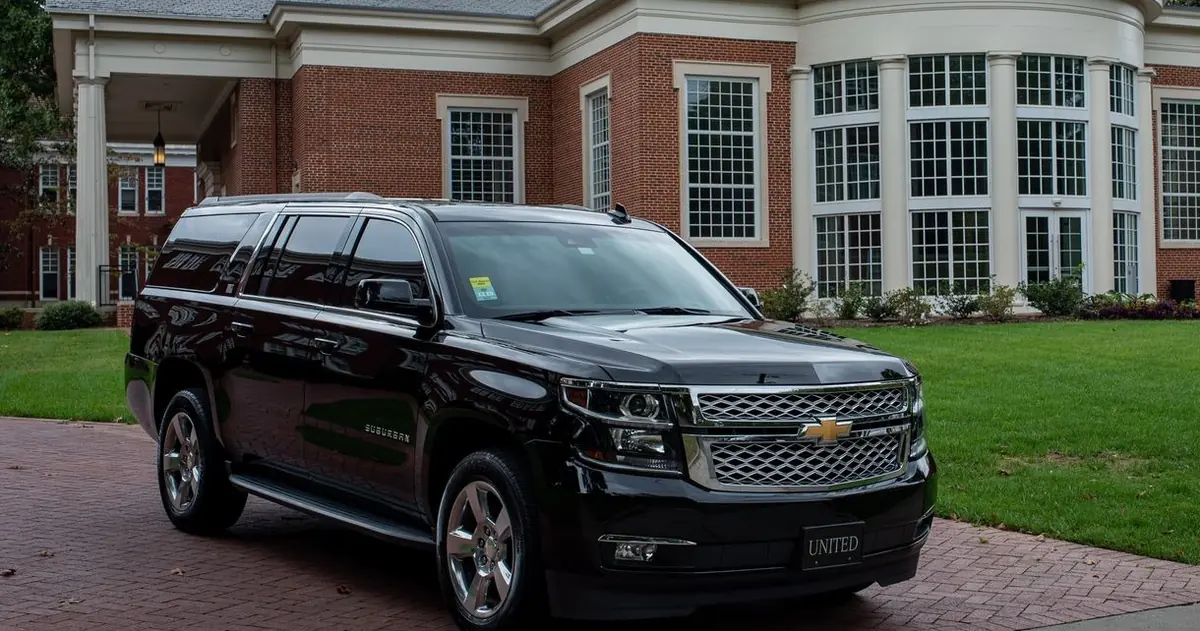 Up to 6
A fast, private ride for couples, small families, or business travelers — plenty of luggage room and a smooth, quiet cabin.
 Up to 14
Comfortable, air-conditioned seating for small and mid-size groups — our most popular option for families and friend groups traveling together.
 Up to 56
Our largest single vehicle — a full-size luxury motorcoach for large groups, conventions, and corporate events that still want one private tour, one vehicle.
A private walking tour through Boston's Jewish heritage — the Vilna Shul, the Massachusetts State House area, Granary Burying Ground, and the New England Holocaust Memorial. This is a walking tour with a private guide, not a vehicle tour — it starts at a fixed downtown meeting point.
The Vilna Shul, the centerpiece of this walk, was built in 1919 on the north slope of Beacon Hill, right at the edge of what was then a dense, thriving Jewish immigrant neighborhood in Boston's old West End. It was designed by Max Kalman, the only Jewish architect practicing in Boston at the time, for a congregation of Lithuanian Jews (Vilna was the Yiddish name for Vilnius) who had first organized as a landsmanschaft, or mutual-aid society for immigrants from the same home region, as early as 1888. Much of the surrounding West End was demolished in a sweeping 1950s urban-renewal project, which is a large part of why the Vilna Shul is now described as the last surviving immigrant-era synagogue building left in the city.
Granary Burying Ground dates to 1660, when it was carved out of Boston Common to relieve overcrowding at the even older King's Chapel Burying Ground next door; it only took its current name in 1737, after a grain storehouse went up across the street on the site where Park Street Church stands today. Roughly 2,300 marked graves survive, though historians estimate the real number of burials is closer to 5,000, including Paul Revere, Samuel Adams, John Hancock, and three victims of the 1770 Boston Massacre.
The New England Holocaust Memorial, dedicated in October 1995 near Faneuil Hall, was conceived and championed by a group of Holocaust survivors who had resettled in the Boston area. Architect Stanley Saitowitz designed it as six glass towers, each 54 feet tall — a number meant to evoke the six million Jews murdered in the Holocaust, the six main Nazi death camps, and the six years of the war's deadliest phase, from 1939 to 1945. Six million numbers are etched into the glass itself, echoing the tattooed prisoner numbers used in the camps, while survivor testimony from each of the six camps is inscribed on the memorial's interior walls.
The walk also passes the Massachusetts State House, completed in 1798 to a design by architect Charles Bulfinch and topped by its famous gilded dome — a Beacon Hill landmark that predates the immigrant-era Jewish history told elsewhere on this route by well over a century, and a useful reminder of just how much layered history sits within this small cluster of downtown blocks.
Every Voyzo tour is a starting point — tell us what you have in mind and we'll build it.