
 TorontoOntario · 36 tours
 Niagara FallsOntario · 25 tours
 New York CityNew York · 30 tours
 Las VegasNevada · 8 tours
 San FranciscoCalifornia · 16 tours
 VancouverBritish Columbia · 17 tours
 DubaiUAE · 54 tours
 Abu DhabiUAE · 5 tours
 Buenos AiresArgentina · 23 tours
 AthensGreece · 31 tours
 AucklandNew Zealand · 38 tours
 CancunMexico · 54 tours
No destinations match “”. Try searching all tours instead — that search understands full questions, not just place names.
A private walk through Washington DC's history of slavery.
A private walking tour covering Washington DC's real history of slavery — Lafayette Square, the Decatur House Slave Pen, and the C&O Canal Lockhouse.
This private tour offers 'the most personalized, intimate way to travel' — a focused, real history walk distinct from our standard sightseeing tour.
A popular starting point — every Voyzo itinerary is fully customizable, so we'll shape the order and stops around your group.
Meets at Lafayette Square.
A real site tied to the history of enslaved people near the White House.
The historic square across from the White House, woven into the narrative.
A real stop tied to the canal's role in this history.
A stop at the exterior of this landmark museum.
Back to your hotel, home, or the airport — whenever your day wraps up.
Every group size is covered — from an intimate private ride to large multi-coach groups.
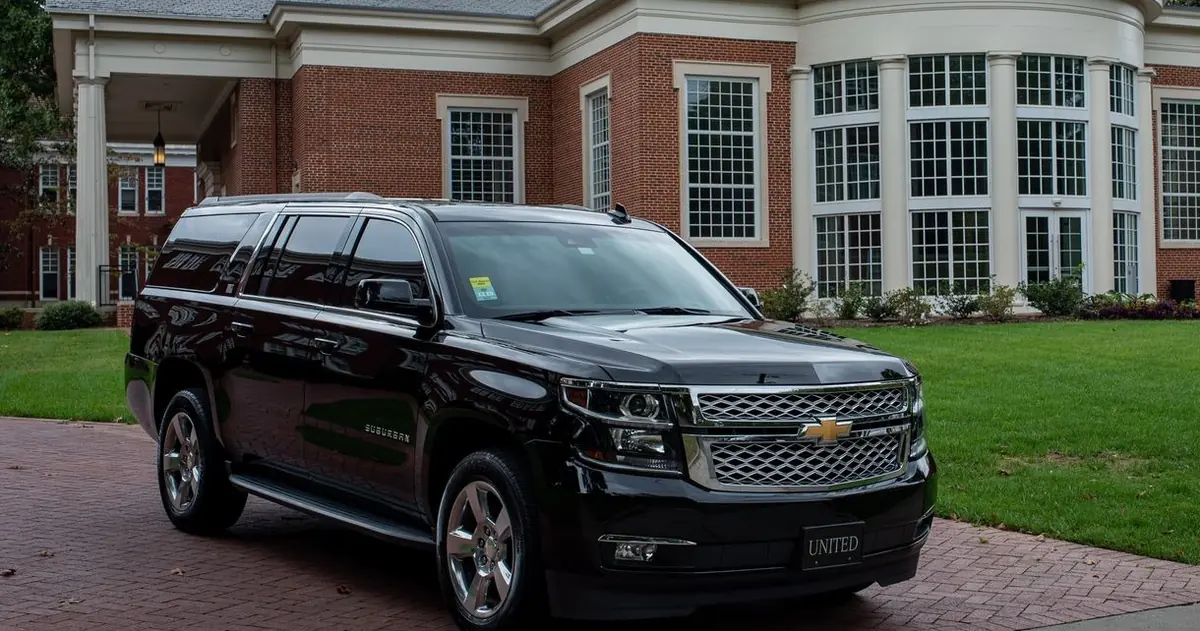 Up to 6
A fast, private ride for couples, small families, or business travelers — plenty of luggage room and a smooth, quiet cabin.
 Up to 14
Comfortable, air-conditioned seating for small and mid-size groups — our most popular option for families and friend groups traveling together.
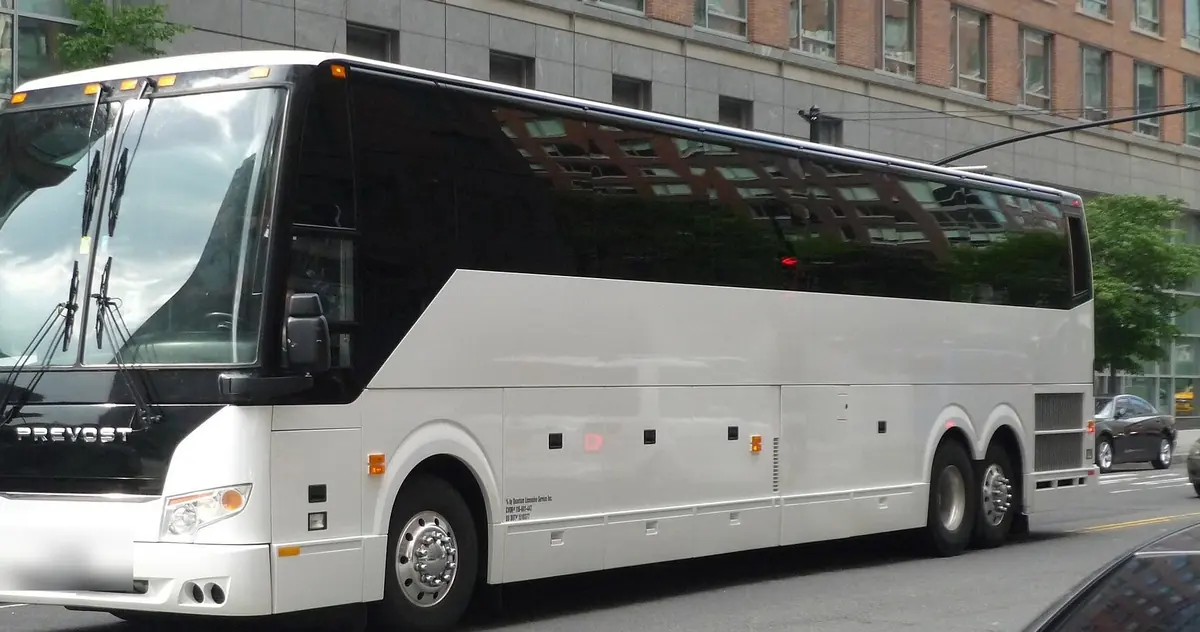 Up to 56
Our largest single vehicle — a full-size luxury motorcoach for large groups, conventions, and corporate events that still want one private tour, one vehicle.
A private walking tour covering Washington DC's real history of slavery — Lafayette Square, the Decatur House Slave Pen, and the C&O Canal Lockhouse. This private tour offers 'the most personalized, intimate way to travel' — a focused, real history walk distinct from our standard sightseeing tour.
This tour begins at one of the most significant and sobering sites in the capital: the slave quarters of Decatur House, on Lafayette Square directly across from the White House. The house itself was designed in 1818 by architect Benjamin Henry Latrobe, and in 1821-22 Susan Decatur had a service wing added with a kitchen, dining room, and laundry below and living space above; by 1827, that upper floor was being used to house enslaved people. It is one of only a handful of preserved urban slave quarters left in the country, and it stands today as the only physical evidence remaining that people were held in bondage within sight of the White House itself. Latrobe's original design included separate passages built specifically to keep enslaved people's movement through the property hidden from view — a detail your guide can point out directly.
From Lafayette Square — a public square with its own documented history of both enslaved and free Black Washingtonians present across nearly two centuries — the walk turns to one of the capital's most under-told milestones: the District of Columbia Compensated Emancipation Act. Signed by President Lincoln on April 16, 1862, it freed roughly 3,100 enslaved people in Washington DC — a full eight months before the Emancipation Proclamation. Congress set aside up to $1 million to compensate enslavers directly, up to $300 per freed person, with a three-person commission reviewing each claim; it also offered newly freed Washingtonians money to emigrate if they chose. DC Emancipation Day is still marked in the city every April 16.
The walk also passes a lockhouse along the Chesapeake and Ohio Canal, whose construction began in Georgetown in 1828 and reached Cumberland, Maryland — 184.5 miles away — by 1850. Georgetown itself operated as one of the most active slave ports in the Upper South before its waterfront became the affluent neighborhood it is today, and local tradition has long linked the canal to Underground Railroad escapes; historians note, honestly, that while the association is widely repeated, definitive documentary proof of specific canal-based escapes has been difficult to establish. The tour closes at the exterior of the National Museum of African American History and Culture, whose bronze-colored corona — more than 3,600 cast-aluminum panels designed by the Freelon Adjaye Bond/SmithGroupJJR team for the museum's 2016 opening — was deliberately patterned after the ornate ironwork made by enslaved craftsmen in 19th-century New Orleans.
Every Voyzo tour is a starting point — tell us what you have in mind and we'll build it.